Mori Atlas logo
National parkInsurgente José María Morelos y Pavón National Park

Explore the mapped boundaries and regional geography of this national park in Michoacán.

Insurgente José María Morelos y Pavón National Park: Protected Landscape and Geographic Atlas

Insurgente José María Morelos y Pavón National Park represents a key protected landscape within Mexico's national park system, located in the region of Michoacán. This page offers a detailed atlas-style exploration of its protected boundaries, contributing to a broader understanding of regional geography and conservation landscapes. Discover the park's identity as a mapped natural area, vital for geographic context and exploration.

National ParkPine-Oak ForestsTrans-Mexican Volcanic BeltMichoacánMountain EcosystemsBirdwatching

Insurgente José María Morelos y Pavón National Park

National park

Park overview

Structured park overview, official facts, and landscape profile for Insurgente José María Morelos y Pavón National Park

Insurgente José María Morelos y Pavón National Park park facts, protected area profile, and essential visitor context
Review the core facts for Insurgente José María Morelos y Pavón National Park, including designation, size, terrain, visitor scale, habitats, and operating context in one park-focused overview.

About Insurgente José María Morelos y Pavón National Park

Insurgente José María Morelos y Pavón National Park represents a significant conservation legacy in central Mexico, established in 1939 during the presidency of Lázaro Cárdenas. The park protects a substantial area of mountainous terrain within the Trans-Mexican Volcanic Belt, a mountain range that stretches across central Mexico and harbors exceptional biodiversity due to its position at the convergence of Neotropical and Nearctic ecological zones. The park's location in the Sierra de Mil Cumbres, also known as Sierra de Otzumatlán, provides a relatively intact forest ecosystem that stands in contrast to the surrounding landscape, which has experienced substantial agricultural and urban development.

The park's ecological significance extends beyond its forest coverage to include the hydrological resources it protects. The headwaters of several important streams originate within the park's boundaries, feeding water systems that ultimately connect to both Lake Cuitzeo and the Balsas River basin. These water resources support both wildlife habitats and local human communities. The presence of notable springs and the El Salto waterfall add to the park's natural appeal, providing scenic attractions that complement its ecological value.

Despite its protected status, the park faces ongoing conservation challenges. Much of the land within the park remains in private ownership or under ejido (communal land) control rather than being government-held, which has complicated enforcement of protection regulations. Outstanding land claims by the Indigenous Community of Charo, the Community of Zurumbeneo, and small landowners in the El Vaquerito area remain unresolved, creating complex management dynamics. Unauthorized logging on private lands and water pollution continue to pose threats to the park's ecological integrity.

Quick facts and research context for Insurgente José María Morelos y Pavón National Park

This national park occupies 71.92 square kilometers in the Trans-Mexican Volcanic Belt across the municipalities of Charo and Tzitzio in Michoacán, Mexico. Elevations range from 1,340 to 2,640 meters, with a climate that transitions from warm subhumid at lower elevations to temperate conditions at higher altitudes. The mean annual temperature is approximately 18°C with mean annual rainfall of 1,692 millimeters. The park straddles a hydrological divide, with streams in the northern portion flowing northward into Lake Cuitzeo while those in the southern part drain southward into the Balsas River basin. Notable water sources include several springs such as El Puerto de la Conveniencia, Ojo de Agua La Laja, and Ojo de Agua de Los Tepetates, which feed the El Salto stream and waterfall.

Park context

Deeper park guide and search-rich context for Insurgente José María Morelos y Pavón National Park

Insurgente José María Morelos y Pavón National Park history, landscape, wildlife, and travel context
Explore Insurgente José María Morelos y Pavón National Park through its history, landscape character, ecosystems, wildlife, conservation priorities, cultural context, and seasonal travel timing in a structured park guide built for atlas discovery and search intent.

Why Insurgente José María Morelos y Pavón National Park stands out

Insurgente José María Morelos y Pavón National Park is best known for its preservation of Trans-Mexican Volcanic Belt pine-oak forest ecosystems, one of Mexico's most biologically diverse montane environments. The park protects a landscape of dramatic elevation changes, with pristine oak forests, mixed pine-oak woodlands, and riparian corridors threading through stream valleys. It serves as an important bird conservation area, supporting more than 170 documented bird species within its boundaries. The park's proximity to Morelia also makes it a popular weekend destination for residents of the state capital, offering accessible recreational opportunities in a protected mountain setting.

Insurgente José María Morelos y Pavón National Park history and protected-area timeline

Insurgente José María Morelos y Pavón National Park was established by presidential decree on February 22, 1939, making it one of Mexico's earliest national parks. The park was created during a period when Mexico was expanding its system of protected areas, and its establishment reflected growing recognition of the importance of preserving montane forest ecosystems in the Trans-Mexican Volcanic Belt. The park was named in honor of José María Morelos, one of the key figures in Mexico's struggle for independence from Spanish colonial rule. Morelos (1765-1815) was a revolutionary priest and military leader who became one of the most important generals in the independence movement following the death of Miguel Hidalgo.

The decision to establish the park in this location was influenced by the region's ecological value as well as its proximity to Morelia, the state capital of Michoacán. The park was conceived both as a conservation area and as a recreational resource for residents of the nearby city. A portion of the park was designated for public recreation, and over the years it has developed into a popular weekend destination offering camping, hiking, and horseback riding opportunities. The recreational area includes basic ecotourism infrastructure and serves visitors who seek escape from urban life into the mountain forests.

Insurgente José María Morelos y Pavón National Park landscape and geographic character

The park's landscape is characterized by mountainous terrain within the Sierra de Mil Cumbres, a range that forms part of the larger Trans-Mexican Volcanic Belt. The topography features a complex arrangement of hills, mountain ridges, and valleys carved by stream systems that descend from the higher elevations. The elevation gradient from 1,340 to 2,640 meters creates distinct environmental zones within the park, with warmer conditions prevailing in the lower reaches and cooler, more temperate conditions at higher altitudes. The terrain includes steep slopes, rocky outcrops, and the valleys of several seasonal and perennial streams.

The hydrological features of the park are particularly notable. Several springs in the northern portion of the park, including El Puerto de la Conveniencia, Ojo de Agua La Laja, and Ojo de Agua de Los Tepetates, serve as sources for the El Salto stream, which features a waterfall. These water features add visual interest to the landscape and provide important habitat for aquatic and riparian species. The streams that originate in the park flow in different directions depending on their position within the watershed, with northern streams ultimately reaching Lake Cuitzeo while southern drainages connect to the Balsas River system.

Insurgente José María Morelos y Pavón National Park ecosystems, habitats, and plant life

The park is situated within the Trans-Mexican Volcanic Belt pine-oak forests ecoregion, a globally significant biogeographic area known for its high plant species diversity and endemism. The vegetation communities within the park include oak-dominated forests, mixed pine-oak forests, and riparian forests along water courses. These forest types support a complex ecological web that includes numerous plant and animal species adapted to montane conditions. The variety of habitats created by the elevation gradient, from lowerelevation oak forests through mixed pine-oak zones to higherelevation pine stands, contributes to the park's ecological diversity.

The riparian forests along streams and around spring areas represent particularly important habitat within the park, providing moisture and shelter that support species requiring more humid conditions. These corridors connect different parts of the forest and serve as movement pathways for wildlife. The combination of forest types, topographic diversity, and water resources creates a mosaic of habitats that supports the park's considerable biodiversity, including species that are dependent on old-growth forest conditions and those that use the more open transitional areas.

Insurgente José María Morelos y Pavón National Park wildlife and species highlights

The park supports a remarkable diversity of wildlife, with particular significance attached to its bird fauna. A total of 172 bird species have been recorded within the park, representing a substantial contribution to Mexico's avifauna. Notable species include the banded quail, buff-collared nightjar, dusky hummingbird, gray-barred wren, spotted wren, ruddy-capped nightingale-thrush, rufous-backed thrush, golden vireo, chestnut-sided shrike-vireo, red-headed tanager, rusty-crowned ground sparrow, and black-headed siskin. The slaty finch has also been recorded, though it may be a transient visitor rather than a resident species.

The mammal community includes 38 documented species, while 18 reptile species and 9 amphibian species have been recorded within the park. The amphibian population is particularly associated with the streams that flow into Lake Cuitzeo and includes four salamander species and five frog species. These aquatic and semi-aquatic species depend on the clean water conditions found in the park's streams and springs, making them vulnerable to water quality changes. The combined vertebrate fauna represents a significant biological resource and underscores the park's role as a biodiversity refuge within the central Mexican highlands.

Insurgente José María Morelos y Pavón National Park conservation status and protection priorities

As a national park designated in 1939, Insurgente José María Morelos y Pavón represents one of Mexico's earliest efforts to protect montane forest ecosystems. The park's protected status provides a framework for preserving the pine-oak forests of the Trans-Mexican Volcanic Belt, an ecoregion that has experienced substantial habitat loss and fragmentation in surrounding areas. The park contributes to regional conservation by maintaining connectivity between forest patches and protecting the headwaters of streams that support downstream ecosystems and human communities.

However, the park faces significant conservation challenges. The fact that most land within the park remains in private or ejido ownership, rather than being acquired by the government upon designation, creates complications for protection enforcement. Unauthorized logging continues on private lands within the park boundaries, and water pollution from various sources threatens the quality of the streams and springs that support aquatic wildlife. Outstanding land claims by indigenous and local communities indicate that the park's management involves complex social and political dimensions beyond pure ecological considerations. These challenges are not unusual for older Mexican protected areas that were established without comprehensive land acquisition.

Insurgente José María Morelos y Pavón National Park cultural meaning and human context

The park is situated in a region with significant indigenous heritage, and the land claims held by the Indigenous Community of Charo and the Community of Zurumbeneo reflect the historical presence of these communities in the area. The use of the Sierra de Mil Cumbres by local communities predates the park's establishment, and traditional land-use practices have shaped the landscape over generations. The unresolved nature of these land claims creates important context for understanding the park's management and the relationship between conservation objectives and community rights.

The park's name honors José María Morelos, the independence hero whose revolutionary activities helped shape Mexico's national identity. This naming connects the natural landscape to Mexico's historical narrative, giving the protected area cultural meaning beyond its ecological value. The park also serves as a recreational resource for Morelia's residents, functioning as an escape from urban life where visitors can experience mountain environments and participate in activities such as camping, hiking, and horseback riding.

Top sights and standout views in Insurgente José María Morelos y Pavón National Park

The park's outstanding features include its extensive pine-oak forest ecosystems within the Trans-Mexican Volcanic Belt, a mountain range of significant ecological importance in central Mexico. The dramatic elevation range from 1,340 to 2,640 meters creates diverse habitats and scenic landscapes. The El Salto waterfall and the springs that feed it represent notable hydrological features that enhance the park's natural appeal. The exceptional bird diversity, with more than 170 species documented, positions the park as an important destination for birdwatching and ornithological study. The combination of ecological significance, historical naming, and proximity to Morelia makes this park a valued conservation and recreational resource in Michoacán.

Best time to visit Insurgente José María Morelos y Pavón National Park

The park can be visited throughout the year, though the most favorable conditions typically occur during the dry season from November through April when rainfall is minimal and trails are more easily accessible. The cooler winter months offer pleasant temperatures for hiking, particularly at higher elevations where temperatures can drop significantly at night. The rainy season from May through October brings heavier precipitation but also transforms the landscape with lush green vegetation and fuller water flows in streams and waterfalls. Visitors seeking to observe birds may find the transitional periods productive, as many species remain active throughout the year in this montane environment. Weekends tend to be busier, particularly during holidays, as the park serves as a popular escape for Morelia residents.

Park location guide

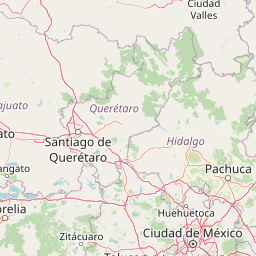
Geography guide, regional context, and park location map for Insurgente José María Morelos y Pavón National Park

Insurgente José María Morelos y Pavón National Park park geography, regions, and map view in Mexico
Understand where Insurgente José María Morelos y Pavón National Park sits in Mexico through a broader geographic reading of the surrounding landscape, nearby location context, and its mapped position within the national park landscape.

How Insurgente José María Morelos y Pavón National Park fits into Mexico

Mexico, officially the United Mexican States, is a country in North America spanning the Sierra Madre mountain ranges, coastal plains, and tropical regions. It borders the United States to the north, Guatemala and Belize to the southeast, and has coastlines along the Pacific Ocean, Gulf of Mexico, and Caribbean Sea. With a population exceeding 130 million, Mexico is home to one of the world's most significant concentrations of Indigenous languages alongside Spanish.

Wider geography shaping Insurgente José María Morelos y Pavón National Park in Mexico

Mexico occupies a land area of 1,972,550 km2, making it the thirteenth-largest country in the world. The terrain is highly diverse, featuring the Sierra Madre Occidental and Sierra Madre Oriental mountain ranges, the Mexican Plateau, coastal lowlands along the Pacific and Gulf/Caribbean margins, and the Yucatan Peninsula. The country spans multiple climate zones from desert in the north to tropical rainforest in the south.

Map view of Insurgente José María Morelos y Pavón National Park

Use this park location map to pinpoint Insurgente José María Morelos y Pavón National Park in Mexico, understand its exact geographic position, and read its mapped placement within the surrounding landscape more clearly.

Pigeon | © OpenStreetMap contributors

Location context for Insurgente José María Morelos y Pavón National Park

Michoacán
Park atlas

Compare nearby mountain ecosystems and diverse conservation landscapes within Michoacán and the Trans-Mexican Volcanic Belt region

Explore Other National Parks and Protected Areas Near Insurgente José María Morelos y Pavón National Park in Central Mexico
Browse other national parks and protected areas in the Trans-Mexican Volcanic Belt, exploring landscapes geographically connected to Insurgente José María Morelos y Pavón National Park. Compare adjacent mountain ecosystems, diverse forest reserves, and various conservation landscapes to understand the regional spread of Mexico's protected natural heritage.
National parkMichoacán

Cerro de Garnica National Park: Its Geography and Protected Landscape Identity

Explore mapped boundaries within Michoacán's natural terrain.

Cerro de Garnica National Park serves as a distinct protected area contributing to the geographic understanding of Michoacán. This page offers a focused view on its mapped boundaries and natural landscape characteristics, providing essential context for atlas exploration. Discover the park's specific identity as a national park and its place within the regional geography, highlighting its value for structured discovery.

Area
19.36 km²
Established
1936
IUCN
II
Relief
Mountain
National parkQuerétaro

El Cimatario National Park: National Park Protected Landscape in Querétaro Region

Explore mapped boundaries and regional geography.

Investigate El Cimatario National Park, a protected national park located in Querétaro, Mexico. This entry offers detailed atlas-style insights into the park's protected landscape, its geographic setting within the region, and its clearly mapped boundaries. It serves as a focused point for understanding this specific natural area's place in broader geographic and conservation mapping.

Area
24.48 km²
Established
1982
IUCN
II
Relief
Mountain
National parkMexico City

Desierto de los Leones National Park: Protected National Park and its Geographic Setting

Explore mapped boundaries and regional landscape context near Mexico City.

Delve into the specifics of Desierto de los Leones National Park, a designated national park recognized for its protected landscape. This MoriAtlas entry focuses on its geographic presence within the Mexico City region, providing clear insights into its mapped boundaries and the surrounding natural terrain. Understand the park's importance as a conservation area and its contribution to the regional geography through dedicated atlas data.

Area
18.67 km²
Established
1917
IUCN
II
Visitors
205K annual
National parkMexico State

Los Remedios National Park: Protected Landscape and Historical Geography of Mexico State

Mapped terrain and cultural heritage within this unique national park.

Delve into the protected landscape of Los Remedios National Park, a national park situated in Mexico State. This page provides detailed geographic context, focusing on its volcanic terrain, mapped boundaries, and the convergence of pre-Hispanic and colonial heritage. Understand its role as a protected area within the western Valley of Mexico and explore the mapped elements that define its cultural and natural identity.

Area
4 km²
Established
1938
IUCN
II
Relief
Mountain
National parkMexico

Cumbres del Ajusco National Park: Exploring Mexico's National Park Protected Landscape

Discover mapped boundaries and regional geography.

Cumbres del Ajusco National Park is an important national park offering rich opportunities for geographic exploration. This detailed profile focuses on its identity as a protected landscape within Mexico, providing essential context for map-based discovery. Understand the park's specific location, its mapped territory, and its role within the nation's network of conservation areas, facilitating a structured atlas view.

Area
9.2 km²
Established
1936
IUCN
II
Relief
Mountain
National parkState of Mexico

Lagunas de Zempoala National Park: Protected Landscape and Geographic Atlas Entry

Explore mapped boundaries and natural terrain context.

Lagunas de Zempoala National Park is a dedicated protected area within the State of Mexico, serving as a vital point for understanding national park geography and landscape mapping. This entry provides foundational atlas data on its protected boundaries and its specific natural terrain. It is designed for users seeking structured information on the park's geographic scope and its importance as a mapped natural landscape for regional context.

Area
47.9 km²
Established
1936
IUCN
II
Relief
Mountain
National parkMexico

Fuentes Brotantes de Tlalpan National Park: National Park Geographic Atlas and Terrain Exploration

Explore protected land boundaries and mapped natural landscapes.

Delve into the geographic specifics of Fuentes Brotantes de Tlalpan National Park, a protected national park situated within Mexico. This detailed view highlights the park's mapped terrain and its significance as a distinct natural landscape. Understand its role in the country's protected area network and its contribution to the broader atlas of natural geography.

Area
0.08 km²
Established
1936
IUCN
II
Relief
Upland
National parkMorelos

El Tepozteco National Park: Protected National Park in Morelos

Explore the mapped geography and protected landscape of this Mexican national park.

Delve into El Tepozteco National Park, a key protected area designated as a national park within the Morelos region of Mexico. This profile provides detailed insight into its mapped boundaries and its significance within the broader regional geography. It serves as a resource for understanding the park's protected landscape and its context for atlas-based geographic exploration.

Area
232.587 km²
Established
1937
IUCN
II
Relief
Mountain

Common questions about visiting, size, designation, and location context for Insurgente José María Morelos y Pavón National Park

Insurgente José María Morelos y Pavón National Park FAQs for park facts, access, geography, and protected area context
Find quick answers about Insurgente José María Morelos y Pavón National Park, including protected-area facts, park geography, trail and visitor context, and how the park fits into its surrounding country and regional landscape.
MoriAtlas Explorer

Continue Your Protected Areas Search Across the Global Atlas

Deepen your exploration by continuing the structured search for national parks and protected areas worldwide. Utilize the comprehensive filtering capabilities to compare different conservation landscapes and refine your understanding of global park geography. Discover more about the distribution and characteristics of protected natural areas.

Global natural geography