Mori Atlas logo
National parkCerro de Garnica National Park

Explore the geographic boundaries and natural terrain of this significant national park.

Cerro de Garnica National Park: A Mapped Protected Landscape in Michoacán

Cerro de Garnica National Park represents a key protected landscape within Michoacán, Mexico. As a designated national park, it offers a distinct geographic identity and mapped territory valuable for atlas-based exploration. This entry provides focused insight into the park's natural terrain and its role within the broader regional geography, enabling a deeper understanding of its protected-area significance.

National ParkMexicoMichoacánPine-Oak ForestsTrans-Mexican Volcanic BeltMountain Forests

Cerro de Garnica National Park

National park

Park overview

Structured park overview, official facts, and landscape profile for Cerro de Garnica National Park

Cerro de Garnica National Park park facts, protected area profile, and essential visitor context
Review the core facts for Cerro de Garnica National Park, including designation, size, terrain, visitor scale, habitats, and operating context in one park-focused overview.

About Cerro de Garnica National Park

Cerro de Garnica National Park occupies a significant position in Mexico's system of protected areas as one of the earliest national parks established in the country. The park lies within the Sierra de Mil Cumbres, also known as Sierra de Otzumatlán, a mountainous region within the Trans-Mexican Volcanic Belt that traverses central Mexico. This volcanic region contains numerous peaks and ridges created by ancient volcanic activity, and the park protects a representative sample of the forest ecosystems that once covered much of this mountain chain. The terrain is notably rugged, with sharp elevation changes between valley floors and mountain peaks. Small surface streams including El Venado, a tributary of the Chinapa River, drain the park and contribute to the local hydrology. The combination of elevation, aspect, and moisture creates a mosaic of forest types across the park, with different tree species dominating at different elevations. This heterogeneity supports the park's biological diversity and makes it an important reference site for understanding the ecology of Mexican mountain forests.

Quick facts and research context for Cerro de Garnica National Park

Located approximately 58 kilometers east of Morelia in the municipalities of Ciudad Hidalgo and Queréndaro, Cerro de Garnica National Park occupies a mountainous portion of the Trans-Mexican Volcanic Belt. The park was established by presidential decree in 1936 under President Lázaro Cárdenas, making it one of Mexico's older national parks. The terrain is characterized by steep peaks and valleys with elevations ranging from 1,840 to 3,000 meters. A temperate subhumid climate prevails with average temperatures around 15°C and annual rainfall between 1,200 and 1,400 millimeters.

Park context

Deeper park guide and search-rich context for Cerro de Garnica National Park

Cerro de Garnica National Park history, landscape, wildlife, and travel context
Explore Cerro de Garnica National Park through its history, landscape character, ecosystems, wildlife, conservation priorities, cultural context, and seasonal travel timing in a structured park guide built for atlas discovery and search intent.

Why Cerro de Garnica National Park stands out

Cerro de Garnica is best known for its diverse forest ecosystems within the Trans-Mexican Volcanic Belt pine-oak forests ecoregion. The park protects extensive stands of pine, oak, pine-oak, and fir forests across its elevational gradient. It also serves as a critical wintering area for monarch butterflies that migrate from Canada and the United States to establish colonies in the forest. The park's avifauna is exceptionally diverse, with 172 bird species recorded, including several endemic species restricted to this mountain range.

Cerro de Garnica National Park history and protected-area timeline

Cerro de Garnica National Park was established by decree on September 5, 1936, during the presidency of Lázaro Cárdenas. This places it among the earliest national parks created in Mexico, reflecting a period when the country was developing its national park system to protect outstanding natural areas. The establishment came during a broader movement in Mexico to conserve scenic and ecologically significant landscapes. The original decree specified the area, though there appears to have been some confusion in the documentation, with the Spanish-language source noting a discrepancy between the stated area in the decree and the actual measured area. The park has been administered by the National Commission of Natural Protected Areas (CONANP) since its creation, continuing to protect this mountain forest ecosystem for nearly nine decades.

Cerro de Garnica National Park landscape and geographic character

The landscape of Cerro de Garnica National Park is defined by its position within the Trans-Mexican Volcanic Belt, a mountain range formed by volcanic activity along the western edge of the North American Plate. The terrain is characteristically rugged and mountainous, with sharp ridges, steep slopes, and narrow valleys. Elevations within the park range from approximately 1,840 meters in the lower valleys to nearly 3,000 meters at the highest peaks. This substantial elevation range creates dramatic changes in topography and microclimate across short distances. The underlying geology consists of volcanic rocks, including basalts and andesites typical of this volcanic belt. Small streams drain the mountain slopes, with El Venado serving as a notable surface water feature that flows as a tributary to the Chinapa River. The combination of steep terrain, high elevation, and perennial water flow creates a landscape of considerable visual and ecological diversity.

Cerro de Garnica National Park ecosystems, habitats, and plant life

The park lies within the Trans-Mexican Volcanic Belt pine-oak forests ecoregion, one of the most species-rich forest types in Mexico. The vegetation within the park includes several distinct community types that vary with elevation and local conditions. Pine forests dominate at mid elevations, with species such as Pinus pseudostrobus, Pinus leiophylla, Pinus montezumae, and Pinus teocote being common. Oak forests occur in certain areas, featuring species like Quercus laurina and Quercus crassifolia. At higher elevations, particularly above 2,300 meters, pine-oak forests transition into forests dominated by Pinus hartwegii and Abies religiosa (oyamel fir). The park supports remarkable plant diversity, with more than 280 species of plants and animals recorded according to Mexico's National Biodiversity Information System. Of these, 13 species are listed in some category of risk under Mexico's official species protection list (NOM-059), highlighting the conservation significance of this protected area.

Cerro de Garnica National Park wildlife and species highlights

Cerro de Garnica supports impressive wildlife diversity despite its relatively modest area. The park has recorded 172 bird species, representing a remarkable avifauna for a protected area of this size. Notable bird species include the dusky hummingbird, bumblebee hummingbird, white-striped woodcreeper, pine flycatcher, gray-collared becard, gray-barred wren, spotted wren, russet nightingale-thrush, chestnut-sided shrike-vireo, golden-browed warbler, green-striped brushfinch, and rusty-crowned ground sparrow. Mammal diversity includes 38 species, with 22 species of bats being particularly noteworthy. Other mammals include white-tailed deer (Odocoileus virginianus), cacomistle (Bassariscus sumichrasti), coyote (Canis latrans), nine-banded armadillo (Dasypus novemcinctus), and gray fox (Urocyon cinereoargenteus). The park also hosts 18 reptile species and nine amphibian species. A particularly notable ecological phenomenon is the presence of monarch butterflies that migrate from North America to establish winter colonies in the area, connecting this Mexican protected area to continental-scale ecological processes.

Cerro de Garnica National Park conservation status and protection priorities

Cerro de Garnica National Park represents an important conservation node within the Trans-Mexican Volcanic Belt, a region that has lost substantial forest cover to agriculture, logging, and development. By protecting representative examples of pine-oak and fir forests, the park contributes to maintaining habitat connectivity across this volcanic mountain range. The park's protection is especially significant given the number of species at risk recorded within its boundaries. The presence of wintering monarch butterfly colonies adds hemispheric conservation significance, as these butterflies undertake one of the most remarkable migrations in the animal kingdom. The park's designation as a Category II protected area under the IUCN classification reflects its primary objective of preserving natural ecosystems while allowing for sustainable visitation and environmental education.

Cerro de Garnica National Park cultural meaning and human context

The park is situated in a region with deep historical roots in central Mexico. The Sierra de Mil Cumbres has been an important area for local communities for centuries, with the mountainous terrain providing resources and setting for traditional land use practices. While the park itself is now a protected area with restricted access, the surrounding landscape contains communities whose histories are intertwined with these mountains. The Spanish name of the park and the local names for the mountain range (Sierra de Mil Cumbres and Sierra de Otzumatlán) reflect the region's Hispanic and indigenous heritage.

Top sights and standout views in Cerro de Garnica National Park

The mountain forests of Cerro de Garnica National Park offer a distinctive combination of ecological features within central Mexico. The elevational gradient from 1,840 to 3,000 meters creates a diverse landscape where visitors can experience multiple forest types in close proximity. The exceptional bird diversity, with over 170 species including numerous endemic and specialized species, makes the park particularly significant for ornithologists and nature enthusiasts. The wintering colonies of monarch butterflies represent a global conservation phenomenon occurring within the park's boundaries. The park's age, established in 1936, makes it one of Mexico's pioneering protected areas and provides historical continuity to the country's conservation tradition.

Best time to visit Cerro de Garnica National Park

The temperate climate of Cerro de Garnica makes it suitable for visitation throughout the year, though the subhumid character means that precipitation patterns influence the visitor experience. The period from November to April generally offers drier conditions and clearer skies, which can be advantageous for wildlife observation and landscape photography. The rainy season from May through October brings more moisture to the forests and can create lush green conditions, though afternoon rain showers are common. Wildlife viewing opportunities may vary seasonally, with bird activity being influenced by breeding cycles and weather patterns. The monarch butterflies are typically present from approximately October through March, with the peak wintering period occurring during the cooler months.
Park location guide

Geography guide, regional context, and park location map for Cerro de Garnica National Park

Cerro de Garnica National Park park geography, regions, and map view in Mexico
Understand where Cerro de Garnica National Park sits in Mexico through a broader geographic reading of the surrounding landscape, nearby location context, and its mapped position within the national park landscape.

How Cerro de Garnica National Park fits into Mexico

Mexico, officially the United Mexican States, is a country in North America spanning the Sierra Madre mountain ranges, coastal plains, and tropical regions. It borders the United States to the north, Guatemala and Belize to the southeast, and has coastlines along the Pacific Ocean, Gulf of Mexico, and Caribbean Sea. With a population exceeding 130 million, Mexico is home to one of the world's most significant concentrations of Indigenous languages alongside Spanish.

Wider geography shaping Cerro de Garnica National Park in Mexico

Mexico occupies a land area of 1,972,550 km2, making it the thirteenth-largest country in the world. The terrain is highly diverse, featuring the Sierra Madre Occidental and Sierra Madre Oriental mountain ranges, the Mexican Plateau, coastal lowlands along the Pacific and Gulf/Caribbean margins, and the Yucatan Peninsula. The country spans multiple climate zones from desert in the north to tropical rainforest in the south.

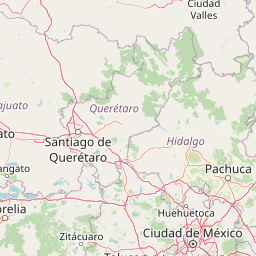
Map view of Cerro de Garnica National Park

Use this park location map to pinpoint Cerro de Garnica National Park in Mexico, understand its exact geographic position, and read its mapped placement within the surrounding landscape more clearly.

Pigeon | © OpenStreetMap contributors

Location context for Cerro de Garnica National Park

Michoacán
Park atlas

Explore surrounding mountain forests and protected landscapes within Mexico's Trans-Mexican Volcanic Belt region

Discover Other National Parks and Protected Areas Near Cerro de Garnica National Park
Continue your atlas exploration by browsing other national parks and protected areas situated near Cerro de Garnica National Park, focusing on Mexico's mountainous Michoacán state. Compare adjacent protected landscapes, identify similar pine-oak forest ecosystems within the Trans-Mexican Volcanic Belt, and expand your understanding of regional conservation efforts.
National parkMichoacán

Insurgente José María Morelos y Pavón National Park: Mapped Protected Landscape in Michoacán

Discover its geographic context and protected area boundaries.

Explore Insurgente José María Morelos y Pavón National Park, a designated national park in Michoacán, Mexico. This page provides detailed insights into its protected status, mapped geographic features, and its role as a significant natural landscape within the regional atlas. Understand the park's protected boundaries and its contribution to the geographic understanding of Michoacán.

Area
71.92 km²
Established
1939
IUCN
II
Relief
Mountain
National parkQuerétaro

El Cimatario National Park: National Park Protected Landscape in Querétaro Region

Explore mapped boundaries and regional geography.

Investigate El Cimatario National Park, a protected national park located in Querétaro, Mexico. This entry offers detailed atlas-style insights into the park's protected landscape, its geographic setting within the region, and its clearly mapped boundaries. It serves as a focused point for understanding this specific natural area's place in broader geographic and conservation mapping.

Area
24.48 km²
Established
1982
IUCN
II
Relief
Mountain
National parkMichoacán

Barranca del Cupatitzio National Park: National Park, Michoacán Protected Area

Mapped boundaries and regional geographic context.

Barranca del Cupatitzio National Park stands as a designated national park, providing critical geographic information for atlas exploration. Understand its specific mapped protected area boundaries and discover its role within the regional geography of Michoacán. This profile highlights the park's landscape identity and its significance as a key protected natural site for detailed geographic study.

Area
4.582 km²
Established
1938
IUCN
II
Visitors
255.2K annual
National parkMichoacán

Lago de Camécuaro National Park: National Park Protected Landscape and Geographic Atlas

Mapped boundaries and regional natural landscape context for Michoacán.

Lago de Camécuaro National Park offers a focused exploration of a distinct protected area within Michoacán, Mexico. Understand its specific geographic identity through mapped boundaries and regional terrain context, suitable for atlas-based discovery of natural landscapes and conservation areas. This entry provides a factual overview of the park's protected status and its placement within the broader geography of the region.

Area
0.097 km²
Established
1941
IUCN
II
Relief
Upland
National parkMexico City

Desierto de los Leones National Park: Protected National Park and its Geographic Setting

Explore mapped boundaries and regional landscape context near Mexico City.

Delve into the specifics of Desierto de los Leones National Park, a designated national park recognized for its protected landscape. This MoriAtlas entry focuses on its geographic presence within the Mexico City region, providing clear insights into its mapped boundaries and the surrounding natural terrain. Understand the park's importance as a conservation area and its contribution to the regional geography through dedicated atlas data.

Area
18.67 km²
Established
1917
IUCN
II
Visitors
205K annual
National parkMexico State

Los Remedios National Park: Protected Landscape and Historical Geography of Mexico State

Mapped terrain and cultural heritage within this unique national park.

Delve into the protected landscape of Los Remedios National Park, a national park situated in Mexico State. This page provides detailed geographic context, focusing on its volcanic terrain, mapped boundaries, and the convergence of pre-Hispanic and colonial heritage. Understand its role as a protected area within the western Valley of Mexico and explore the mapped elements that define its cultural and natural identity.

Area
4 km²
Established
1938
IUCN
II
Relief
Mountain
National parkMexico

Cumbres del Ajusco National Park: Exploring Mexico's National Park Protected Landscape

Discover mapped boundaries and regional geography.

Cumbres del Ajusco National Park is an important national park offering rich opportunities for geographic exploration. This detailed profile focuses on its identity as a protected landscape within Mexico, providing essential context for map-based discovery. Understand the park's specific location, its mapped territory, and its role within the nation's network of conservation areas, facilitating a structured atlas view.

Area
9.2 km²
Established
1936
IUCN
II
Relief
Mountain
National parkState of Mexico

Lagunas de Zempoala National Park: Protected Landscape and Geographic Atlas Entry

Explore mapped boundaries and natural terrain context.

Lagunas de Zempoala National Park is a dedicated protected area within the State of Mexico, serving as a vital point for understanding national park geography and landscape mapping. This entry provides foundational atlas data on its protected boundaries and its specific natural terrain. It is designed for users seeking structured information on the park's geographic scope and its importance as a mapped natural landscape for regional context.

Area
47.9 km²
Established
1936
IUCN
II
Relief
Mountain

Common questions about visiting, size, designation, and location context for Cerro de Garnica National Park

Cerro de Garnica National Park FAQs for park facts, access, geography, and protected area context
Find quick answers about Cerro de Garnica National Park, including protected-area facts, park geography, trail and visitor context, and how the park fits into its surrounding country and regional landscape.
MoriAtlas Explorer

Continue Your Protected Areas Search Across the Global Atlas

Deepen your exploration by continuing the structured search for national parks and protected areas worldwide. Utilize the comprehensive filtering capabilities to compare different conservation landscapes and refine your understanding of global park geography. Discover more about the distribution and characteristics of protected natural areas.

Global natural geography