Why Bollwinwiesen/Großer Gollinsee stands out
The reserve is best known for its oligotrophic-alkaline lake chain and surrounding peat-moss mires, forming a characteristic habitat mosaic of clear lakes, wet meadows, and raised bog vegetation in the Uckermark. Together these features support specialized communities of plants and animals adapted to nutrient-poor, calcareous-influenced waters and acidic peat substrates. It is also recognized as the very first nature reserve, designated as NSG Nr. 1, within the Schorfheide-Chorin Biosphere Reserve, giving it historical as well as ecological significance in the regional conservation network of Brandenburg.
Bollwinwiesen/Großer Gollinsee history and protected-area timeline
Bollwinwiesen/Großer Gollinsee was placed under formal nature protection on 1 October 1990, following a ministerial ordinance issued for the newly defined Biosphärenreservat Schorfheide-Chorin. Within this biosphere reserve, it was registered as the first designated nature reserve, NSG Nr. 1, and received the internal designation number 1057.
The timing was significant: the ordinance of 12 September 1990 that established overarching protection for the biosphere reserve, including its designated Schutzzweck (protection purpose), was issued in the final weeks before German reunification. The Bollwinwiesen/Großer Gollinsee designation thus became part of one of the first systematic conservation frameworks applied to the landscapes of the former East Germany.
Since then, the area has continued to function as a core component of the biosphere reserve, recognized not only for the habitats it preserves but also for the outstanding scenic quality of the lake-and-mire landscape around Gollin. Its long-term role has been to maintain the hydrological and ecological character of the oligotrophic lake chain and surrounding peatlands, limiting intervention to the management needed to sustain these conditions.
Bollwinwiesen/Großer Gollinsee landscape and geographic character
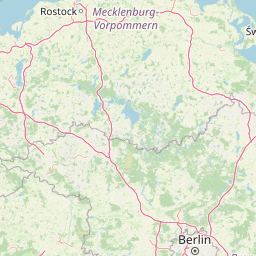
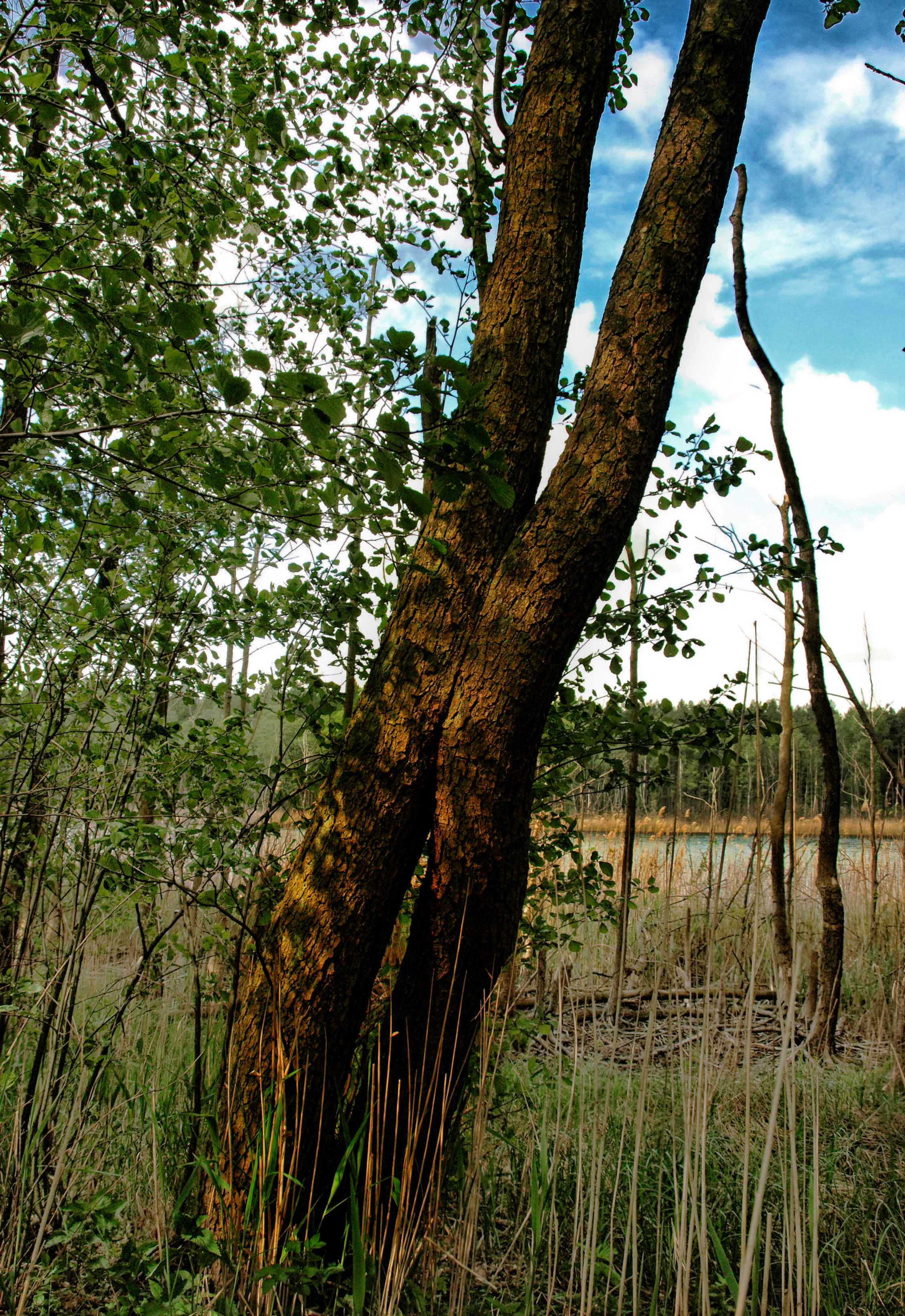
The landscape of Bollwinwiesen/Großer Gollinsee is shaped by the legacy of the last glaciation, which left behind a rolling terrain of moraines, kettle hollows, and lake basins typical of the northern Brandenburg/Uckermark region. The reserve sits at the transition between forested uplands and a string of glacial lakes, giving it a varied and visually layered character.
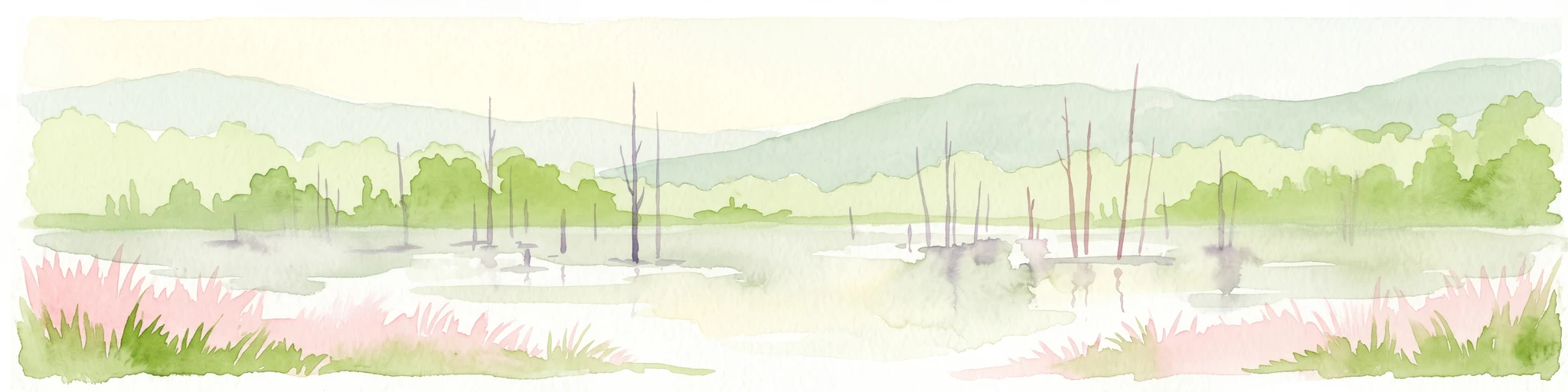
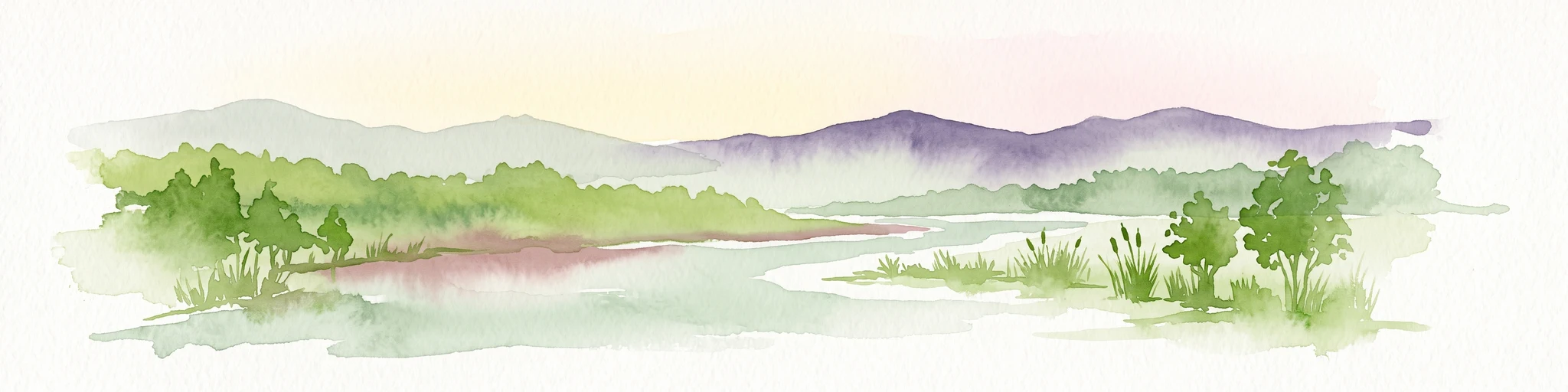
The dominant scenic feature is the open water of the Großer Gollinsee, framed by wooded shores and backed by the smaller Kleiner Vätersee. To the northwest, the Polsensee expands the lake panorama, while between and around these water bodies lie the soft, often saturated expanses of the Bollwinwiesen, traditional wet meadows whose names reflect the area's long-standing grazing and mowing history. Pastel greens in summer, ochre reed fringes in autumn, and snow-blanketed open flats in winter produce a strongly seasonal landscape.
Between the lakes and meadows, raised bog surfaces and transitional mires create quieter, often almost otherworldly terrain where Sphagnum mosses, cotton grass, and stunted bog vegetation replace the taller grasses of the wet meadows. Small forest patches and hedgerow-like woodland strips edge the reserve, softening the boundary between open land and the larger forest landscapes of the Schorfheide-Chorin region. The result is a landscape of contrasts: open and enclosed, wet and dry, bright water and dark peat, shaped by both natural processes and centuries of careful rural use.
Bollwinwiesen/Großer Gollinsee ecosystems, habitats, and plant life
Ecologically, Bollwinwiesen/Großer Gollinsee is defined by the interplay between open water, mire, and meadow, producing a dense mosaic of habitats within a relatively compact area. The reserve is specifically managed to maintain an oligotrophic-alkaline lake chain and peat-forming bog communities, both of which are rare and increasingly threatened habitat types across central Europe.
The lakes themselves are characterized by low nutrient concentrations and a calcareous-influenced water chemistry, conditions that support distinctive aquatic plant communities and clear water. Surrounding the lakes, the wet meadows of the Bollwinwiesen provide a different but complementary habitat, hosting plants and invertebrates adapted to periodically flooded, base-rich grassland soils. These meadows also function as a transition zone between the open water and the adjacent peatlands.
Beyond the meadows, the Sphagnum-dominated mires and peat-forming bogs represent a third, more acidic habitat layer. Here the vegetation shifts to specialized bog plants, including mosses, sedges, and other species tolerant of nutrient-poor, waterlogged conditions. The combination of alkaline-influenced lakes, base-rich wet meadows, and acidic peat bogs within a single protected area gives Bollwinwiesen/Großer Gollinsee a notably high ecological diversity and makes it a key site for habitat-based conservation in Brandenburg.
Bollwinwiesen/Großer Gollinsee wildlife and species highlights
The reserve's mix of lakes, mires, and meadows supports a range of wildlife associated with these habitat types, including species that depend on calm, nutrient-poor waters, marshy shorelines, and undisturbed peatland. The protected status of the area reflects its importance for threatened animal and plant species that find refuge in the lake chain and surrounding bogs.
The wet meadows, open water, and bog margins provide feeding and breeding habitat for a variety of bird groups typical of lake-and-mire landscapes, including waterfowl, waders, and reed-associated species. The structural diversity of the habitat mosaic, from open water through reeds and meadows to bog woodland, means that different species can occupy different parts of the reserve throughout the year.
The oligo-alkaline lakes and clean, calcium-rich waters also harbor specialized aquatic fauna and flora, while the bog communities support invertebrates and plants adapted to acidic, waterlogged conditions. Together, these habitats form a refuge for species requiring the precise combination of hydrology, chemistry, and minimal disturbance that the reserve is designed to maintain.
Bollwinwiesen/Großer Gollinsee conservation status and protection priorities
Conservation at Bollwinwiesen/Großer Gollinsee centers on the protection of two closely linked ecological assets: an oligotrophic, alkaline lake chain, and a system of peat-forming Sphagnum mires. These habitats are among the most threatened in central Europe due to historical drainage, nutrient enrichment, peat extraction, and land-use change, making their preservation here a matter of broader regional and European significance.
The reserve is administered as part of the UNESCO-recognized Biosphärenreservat Schorfheide-Chorin, ensuring that its management is integrated with the wider conservation strategy of this biosphere region. Its designation in 1990, as the first nature reserve within the biosphere reserve (NSG Nr. 1), established an early legal foundation for habitat protection at a moment when eastern Germany's conservation framework was being rebuilt.
Beyond the preservation of habitats, the reserve is recognized for the outstanding scenic beauty of its landscape, a quality that informs both its protection rationale and its role within the biosphere reserve. Long-term conservation success depends on maintaining the hydrological conditions of the lakes and mires, supporting traditional land use on the wet meadows where appropriate, and limiting interventions to those that sustain rather than transform the ecological character of the area.
Bollwinwiesen/Großer Gollinsee cultural meaning and human context
The Bollwinwiesen carry a strong imprint of long-standing rural land use. Their name, referring to traditional wet meadows, reflects centuries of mowing and grazing in this part of the Uckermark, where communities shaped and maintained open landscapes around their villages. The village of Gollin itself, a district of Templin, lies just outside the reserve and forms part of the broader settlement heritage of the region.
The surrounding landscape is also part of the cultural geography of the Schorfheide-Chorin area, where small villages, field patterns, and forest estates have interacted with glacial lakes and mires for generations. Within this wider context, the reserve represents not only an ecological but also a cultural landscape, where traditional rural practices and natural processes have together produced the present-day character of the terrain.
Top sights and standout views in Bollwinwiesen/Großer Gollinsee
The reserve's standout qualities include the oligo-alkaline Großer Gollinsee and its chain of companion lakes, the Sphagnum-dominated peatlands and raised bogs, and the expansive Bollwinwiesen wet meadows that give the site its name. These features coexist within the Schorfheide-Chorin Biosphere Reserve, of which Bollwinwiesen/Großer Gollinsee was the first formally designated nature reserve.
Equally notable is the compactness and intensity of the ecological mosaic: lakes, mires, meadows, and forest edges are layered tightly together, producing both high biodiversity value and the 'outstanding scenic beauty' explicitly cited in the reserve's founding protection order. This combination of ecological richness and visual quality defines the site's lasting identity.
Best time to visit Bollwinwiesen/Großer Gollinsee
The character of the reserve shifts notably with the seasons. Late spring and early summer bring the richest expression of the wet meadows, when grasses and meadow plants are in full growth and water levels tend to be high, while bird activity around the lakes and reeds is at its peak. This is a particularly rewarding period for observing the interplay between meadow, mire, and water.
Autumn offers a different atmosphere, with reed fringes turning ochre, the bog surfaces taking on russet tones, and lower water levels exposing shoreline structure. Winter, when accessible, transforms the open meadows, frozen lake surfaces, and snow-covered bog flats into a stark but striking landscape. The reserve's protection status means that any visit should be planned to minimize disturbance, particularly during sensitive breeding and high-water periods.