Why Chocoyero-El Brujo Natural Reserve stands out
Chocoyero-El Brujo is best known for being a small but ecologically rich tropical forest reserve wrapped around two scenic waterfalls that double as a key source of drinking water for nearby Managua. The cliffs around the Chocoyero and El Brujo falls host colonies of the green Pacific parakeet, locally called chocoyo, giving the reserve both its name and a defining visual and acoustic identity. Its combination of watershed function, parakeet habitat, and accessibility from the capital has made it a flagship example of urban-adjacent conservation in Nicaragua.
Chocoyero-El Brujo Natural Reserve history and protected-area timeline
Chocoyero-El Brujo was declared a natural reserve in 1993, formally placing the forested watershed under national protection in recognition of its ecological and water-supply value. Since then it has been administered by Nicaragua's Ministry of the Environment and Natural Resources, known as MARENA, as one of 78 protected areas across the country. The reserve's relatively small footprint, around 455 acres, was already a defining trait at the time of designation, yet protection has allowed its tropical forest cover and wildlife populations to remain intact in a region that is otherwise rapidly urbanizing toward Managua. Over the following decades it has also grown in reputation as a local ecotourism destination, eventually drawing an estimated 10,000 visitors per year by the mid-2000s.
Chocoyero-El Brujo Natural Reserve landscape and geographic character
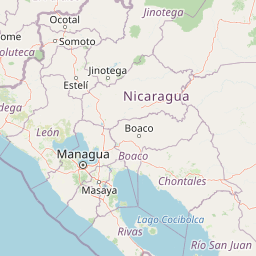
The reserve's landscape is defined by steep, forested ravines carved by water on the Pacific slope of Nicaragua. Two named waterfalls, El Brujo and Chocoyero, drop through the forest along cliffs that are partly hollowed out and used as nesting sites by the parakeets that lend the area its name. Between the falls, wet rock faces, mossy ledges, and shaded pools create a microclimate within the reserve that contrasts with the drier lowlands typical of the surrounding Pacific region. The terrain is compact, dense, and vertically varied, with ridgelines, narrow trails, and stream channels weaving through a continuous tropical forest canopy.
Chocoyero-El Brujo Natural Reserve ecosystems, habitats, and plant life
Ecologically, Chocoyero-El Brujo is a tropical forest reserve shaped by water. Persistent humidity from rainfall and the waterfalls sustains a lush canopy and understory, allowing plant and animal communities to thrive in a small footprint. The reserve is among the smaller protected areas in Nicaragua, but the combination of forest cover, ravine habitat, and freshwater creates a layered ecosystem of cliffs, streams, and shaded interior forest. This ecological complexity supports a wide variety of plants and vertebrate life, much of which depends on the wet, sheltered conditions that the waterfalls and ravines maintain throughout the year.
Chocoyero-El Brujo Natural Reserve wildlife and species highlights
Wildlife is one of the reserve's strongest draws, supported by roughly 113 bird species, 29 mammal species, and 21 reptile and amphibian species. Birdwatchers commonly encounter toucans, hummingbirds, and the green Pacific parakeet, locally known as chocoyo, which nests in the cliff walls near the waterfalls and gives the reserve its name. Mammals regularly spotted include tigrillos, agoutis, and deer, while two monkey species are among the most visible residents: howler monkeys, recognizable by their vocalizations in the forest canopy, and smaller white-faced monkeys. Reptiles, amphibians, and a wide plant community round out a reserve that delivers a notably diverse vertebrate count for its small area.
Chocoyero-El Brujo Natural Reserve conservation status and protection priorities
Chocoyero-El Brujo is conserved primarily as a functioning watershed reserve, protecting forest cover that supplies an estimated 20 percent of Managua's water consumption and around twenty million gallons of water per day. Its 1993 designation as a natural reserve under MARENA recognized that ecological and hydrological value at a national level, anchoring the forest's protection against the urban pressures spreading out from the nearby capital. The reserve's combination of parakeet cliff habitat, primate populations, and rich plant and vertebrate communities also gives it ecological importance beyond its water role. By keeping a sliver of tropical forest intact in the metropolitan hinterland, Chocoyero-El Brujo helps anchor regional biodiversity while serving the everyday water needs of one of Nicaragua's largest cities.
Chocoyero-El Brujo Natural Reserve cultural meaning and human context
The reserve carries local cultural resonance through the name chocoyo, a widely recognized Nicaraguan term for the green Pacific parakeet, and through its long-standing role as a traditional point of contact with nature for residents of greater Managua. Before formal protections were established, the waterfalls and surrounding forest were already a familiar green escape for people in the capital region, and that relationship has carried forward into modern ecotourism. Local people also have an everyday stake in the reserve through its function as a community water source, linking forest conservation to household life well beyond park boundaries.
Top sights and standout views in Chocoyero-El Brujo Natural Reserve
The Chocoyero and El Brujo waterfalls are the visual centerpiece of the reserve, with cliff-nesting parakeets swarming around the rock faces and lending the site its defining sound and color. The dense tropical forest trails around the falls give visitors unusually close access to howler and white-faced monkeys, as well as toucans, hummingbirds, agoutis, and other forest wildlife within a short distance of Managua. Just as significant is what lies beneath the scenery: a protected watershed that delivers a substantial share of the capital's water and demonstrates how a small forest reserve can carry both ecological and human value.
Best time to visit Chocoyero-El Brujo Natural Reserve
Because Chocoyero-El Brujo sits in Nicaragua's tropical Pacific climate, the reserve tends to be green, humid, and biologically active year round, with the wet season bringing fuller waterfalls, thicker vegetation, and more active wildlife, and the drier months offering easier trail conditions and more reliable views. Birdwatchers will often find the parakeet colonies around the cliffs engaging in any season, while photographers may prefer clearer, less rainy windows. Visitors should generally expect tropical conditions regardless of timing and plan around rainfall rather than around a narrow peak window.