Why Fort Lytton National Park stands out
Fort Lytton National Park is best known for its well-preserved colonial-era coastal fortification, which stands as a testament to Brisbane's defensive history during the late nineteenth and early twentieth centuries. The fort's distinctive moat, gun pits, and underground magazine chambers remain largely intact, offering visitors a tangible connection to Queensland's military past. The park is also notable for housing the Fort Lytton Military Museum, one of the region's most extensive collections of military memorabilia with artefacts displayed across five buildings, six gun pits, and multiple outdoor locations. The inclusion of the Lytton Quarantine Station adds another layer of historical significance, representing the state's approach to public health management during the early twentieth century.
Fort Lytton National Park history and protected-area timeline
The history of Fort Lytton National Park spans over a century of continuous governmental use and transformation. Fort Lytton was constructed between 1880 and 1881 as part of a broader coastal defence strategy for Queensland's capital, designed to protect both the city of Brisbane and its port facilities from potential naval threats. Following the federation of the Australian colonies into the Commonwealth of Australia in 1901, the fort and the underlying land were transferred from the colonial government to the federal government. The military installation remained active throughout both World Wars, with the signal station finally ceasing operations in 1965. After its closure, the Australian oil company Ampol purchased much of the land in 1963 for the establishment of the Lytton Oil Refinery. However, three parcels of particular historic significance were retained: the original fort grounds, Lytton Hill, and the World War II heavy anti-aircraft battery site. In 1988, Ampol transferred the parcel containing the original fort to the Queensland Government, leading to the creation of Fort Lytton National Park in 1990. The park was significantly expanded in 1999 when the adjacent Lytton Quarantine Station lands were incorporated into the protected area. The quarantine station itself had operated from 1913-1914, serving as a processing facility for newly arrived immigrants and persons considered potential public health risks, continuing in this capacity until the late 1980s.
Fort Lytton National Park landscape and geographic character
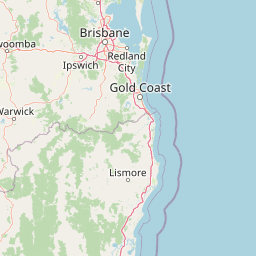
The park occupies a low-lying coastal position at the confluence of the Brisbane River and Moreton Bay, characterized by relatively flat terrain with subtle elevation changes around the historic structures. The fort's design incorporated a moat that created an island-like appearance for the main defensive complex, which remains a distinctive landscape feature today. The surrounding area includes remnant vegetation typical of the Brisbane region's coastal fringe, though the built environment dominates much of the site. Lytton Hill provides a modest rise within the park's boundaries, offering some elevated vantage points over the surrounding landscape and waterway approaches. The quarantine station section features a different character, with its more utilitarian building arrangements and the historic jetty extending toward the river channel. The park's small footprint means visitors can traverse much of the accessible area on foot, with the various heritage elements connected by pathways that trace the historical layout of the military and quarantine installations.
Fort Lytton National Park ecosystems, habitats, and plant life
While Fort Lytton National Park is primarily a heritage preservation site rather than an ecological conservation area, the park nonetheless supports some native vegetation communities typical of the Brisbane River estuary region. The coastal setting influences the available habitats, with salt-tolerant species present in lower-lying areas and more typical subtropical vegetation on slightly elevated ground. Mangrove communities occur along the water's edge, contributing to the estuarine ecosystem despite the park's small size. Birdlife is attracted to the waterway and associated wetland areas, with waterbirds commonly observed in the vicinity of the river mouth. The park's primary conservation value lies in its heritage elements rather than biodiversity, though the maintenance of some green spaces within the developed site does provide habitat for common urban-tolerant species.
Fort Lytton National Park wildlife and species highlights
Wildlife observation at Fort Lytton National Park is largely focused on the avifauna attracted to the Brisbane River estuary and adjacent coastal waters. The river mouth area supports various waterbird species including pelicans, cormorants, and herons that forage in the shallows and tidal zones. The park's position along a major bird migration route means seasonal visitors may observe species passing through the area. While larger mammals are unlikely to be present in significant numbers given the small size and developed nature of the site, common urban wildlife such as possums and various bird species may inhabit the vegetated sections. The marine environment of Moreton Bay, visible from parts of the park, supports a different array of wildlife including dolphins and fish species that utilize the estuary area. The wildlife value of the park is modest compared to natural conservation areas, but the proximity to the river and bay does provide some wildlife observation opportunities for visitors.
Fort Lytton National Park conservation status and protection priorities
The conservation focus at Fort Lytton National Park is fundamentally cultural rather than ecological, with the protected area established specifically to preserve Queensland's military and quarantine heritage. The park represents a pioneering approach to heritage preservation within the state's national park system, being Queensland's first national park designated primarily for historic rather than natural values. Both the Fort Lytton component and the Lytton Quarantine Station component are individually heritage-listed, recognizing their significance as colonial and early twentieth-century installations. The conservation of the fort's structures includes ongoing maintenance of the moat, gun pits, buildings, and the various defensive installations that collectively tell the story of Brisbane's coastal defence history. The management approach balances public access with preservation requirements, allowing visitors to experience the heritage site while ensuring the structural and historical integrity of the installations is maintained for future generations.
Fort Lytton National Park cultural meaning and human context
Fort Lytton National Park occupies a significant position in Queensland's colonial and federal history, representing the intersection of military defence, public health policy, and immigration management during the early twentieth century. The fort's construction reflected colonial anxieties about naval threats to Queensland's primary port and population centre, while its continued operation through two world wars demonstrated the enduring strategic importance of Brisbane's coastal approaches. The quarantine station component reflects an era when newly arrived immigrants faced systematic health screening, with the facility playing a role in protecting the broader community from infectious diseases. The park's management involves collaboration between the Queensland Parks and Wildlife Service and volunteer organizations, particularly the Fort Lytton Historical Association which provides tours and maintains the visitor information centre. The 2019 relocation of the Queensland Military Historical Society to the old Dining Hall further reinforced the site's role as a centre for military history preservation and education within Queensland.
Top sights and standout views in Fort Lytton National Park
The defining highlights of Fort Lytton National Park include the opportunity to explore a preserved colonial coastal fortification with its original moat, gun pits, and underground magazine chambers largely intact. Visitors can experience both guided and self-guided tours of the military structures, gaining insight into Brisbane's defensive history from the 1880s through the mid-twentieth century. The on-site military museum, distributed across multiple buildings and outdoor locations, offers an extensive collection of Queensland military artefacts numbering over 10,000 items in the Old Dining Hall alone. The park's unique status as Queensland's first historic national park distinguishes it within the state's protected area network, representing a pioneering approach to heritage preservation. The occasional public opening of the Lytton Quarantine Station provides access to a different layer of Queensland history, while the regular historic re-enactments bring the military past to life for visitors.
Best time to visit Fort Lytton National Park
The optimal time to visit Fort Lytton National Park is on Sundays and public holidays when the site is open to the general public without requiring appointments. The weather during Brisbane's cooler months from May through September generally provides more comfortable conditions for walking around the outdoor heritage elements, though the site remains accessible throughout the year. Summer months can be hot and humid, so early morning visits are advisable during the warmer period. Visitors interested in the full tour experience should check the schedule for re-enactment events, which occur periodically but not on a weekly basis. The quarantine station is only open to the public on special occasions, so visitors specifically interested in that component should seek information about these limited access times before planning their trip.