Mori Atlas logo
National parkBribie Island National Park

Discover the protected terrain and mapped boundaries of this Queensland national park.

Bribie Island National Park: Queensland National Park Landscape and Geographic Context

Bribie Island National Park in Queensland, Australia, represents a significant protected area within the region's diverse geography. This dedicated national park offers a unique lens through which to explore mapped landscapes and understand the island's natural terrain. As an integral part of Queensland's protected lands, its geographic features and boundaries provide valuable context for atlas-based discovery, highlighting its role within the broader Australian natural landscape.

coastal islandswetlandsbirdwatching4WD drivingmarine protected areaAustralian national parks

Bribie Island National Park

National park

Park overview

Structured park overview, official facts, and landscape profile for Bribie Island National Park

Bribie Island National Park park facts, protected area profile, and essential visitor context
Review the core facts for Bribie Island National Park, including designation, size, terrain, visitor scale, habitats, and operating context in one park-focused overview.

About Bribie Island National Park

Bribie Island National Park occupies a significant portion of Bribie Island, a barrier island that runs parallel to the Queensland coast between Brisbane and the Sunshine Coast. The park's protected boundary encompasses the island's most ecologically sensitive and scenically valuable coastal zones, creating a framework for preserving the island's natural character while allowing managed visitor access. The park sits within Moreton Bay, a large subtropical bay that supports extensive seagrass beds, coral communities, and migratory bird flyways. The island itself forms a natural division between the Pacific Ocean and the sheltered waters of Pumicestone Passage, a channel that separates Bribie Island from the mainland and creates a complex estuarine environment with mangroves, mudflats, and saltmarsh communities. This positioning gives the park a dual personality: the dynamic, wave-exposed ocean beach on its eastern side and the calmer, tidal-influenced wetlands and waterways of its western margin. The park serves as a green buffer that helps maintain water quality in Moronet Bay and provides habitat for species that rely on the interface between terrestrial and marine environments.

Quick facts and research context for Bribie Island National Park

Bribie Island National Park covers approximately 49 square kilometres and represents one of Queensland's smaller national parks by area. The terrain is exceptionally flat, with an average elevation of just 10 metres above sea level. The park is managed by the Queensland Parks and Wildlife Service and sits adjacent to the broader Moreton Bay Marine Park, which extends protection to the surrounding tidal waters and marine environments. The park is a major destination for domestic visitors, drawing approximately 986,000 visitors in 2012, who come for beach activities, wildlife observation, and coastal exploration.

Park context

Deeper park guide and search-rich context for Bribie Island National Park

Bribie Island National Park history, landscape, wildlife, and travel context
Explore Bribie Island National Park through its history, landscape character, ecosystems, wildlife, conservation priorities, cultural context, and seasonal travel timing in a structured park guide built for atlas discovery and search intent.

Why Bribie Island National Park stands out

The park is best known for its accessible 4WD beach driving along Woorim Beach, diverse birdlife with over 190 species recorded including migratory waders, and the contrast between exposed ocean beaches and protected tidal wetland systems. The panoramic views of the Glass House Mountains from the eastern shoreline add a distinctive visual landmark to the park experience. The combination of self-contained island ecosystems with practical access from the mainland via a bridge makes Bribie Island uniquely approachable among Australian island national parks.

Bribie Island National Park history and protected-area timeline

Bribie Island was originally part of a larger tract of coastal land that underwent progressive reservation and protection during the late twentieth century. The national park was formally established in 1994, designating the island's eastern and central portions as a protected area under Queensland legislation. This followed earlier designations that recognised the island's ecological significance, particularly its bird habitats and coastal wetland systems. Prior to national park status, the land had been subject to various uses including forestry and grazing, and the transition to full protection reflected growing understanding of the island's conservation values. The establishment of the park coincided with broader recognition of Moreton Bay's environmental importance, leading to the creation of the Moreton Bay Marine Park in the early 1990s, which extends protection to the waters surrounding the island. Management of the park falls to the Queensland Parks and Wildlife Service, which operates visitor facilities, maintains tracks and camping areas, and implements conservation programs for the island's ecosystems.

Bribie Island National Park landscape and geographic character

The park's landscape is defined by its low-lying coastal island topography, where gentle dune ridges,起伏的海滩平原和广阔的潮汐湿地共同构成了一个相对平坦但生态多元的环境。东部海岸线直面太平洋,海浪持续塑造着沙滩和沙丘,而西部边缘则退入皮斯蒂斯通海峡的平静水域,形成红树林沼泽、泥滩和盐沼的复杂系统。岛上的沙丘系统在不同地点呈现出不同的成熟度,有些地方被海草和耐盐植物固定,而其他地方则暴露出明显的风吹沙丘特征。岛內地势极低,大部分区域海拔不超过10米,这种平坦的地形意味着景观视野开阔,尤其是在东部海滩可以远眺玻璃屋山脉的火山山峰,成为公园的标志性背景。公园的植被模式反映了这种多样化的水生和沿海环境,从暴露的海滩和沙丘到湿润的荒地灌丛、沿海草坪和淡水泻湖周围的植被带。

Bribie Island National Park ecosystems, habitats, and plant life

The park protects a remarkable diversity of coastal and wetland habitats within a relatively compact area. The eastern side features sandy beach and dune systems that grade into coastal heathland known as wallum, characterised by Banksia, wattles, and wildflowers that bloom prolifically in spring. The western side encompasses the tidal wetlands of Pumicestone Passage, where mangrove forests, saltmarsh, and mudflats create rich feeding and breeding grounds for marine and bird life. Freshwater lagoons and paperbark swamps occur in the island's interior, adding further habitat complexity. The interface between these environments creates productive ecological zones that support high biodiversity. Moreton Bay itself is recognised as a Ramsar-listed wetland of international importance, and the park contributes to this broader ecological significance by protecting terrestrial feeding and roosting areas for migratory shorebirds.

Bribie Island National Park wildlife and species highlights

The park supports a wide range of wildlife, with particular significance attached to its bird populations. Over 190 bird species have been recorded on the island, including numerous shorebirds that use the wetland areas during their annual migrations along the East Asian Australasian flyway. The tidal mudflats of Pumicestone Passage provide critical feeding habitat for these species. Among the mammals present, eastern grey kangaroos and wallabies are commonly seen, particularly at dawn and dusk when they move to more open areas to graze. Dingoes persist on the island as a top predator, maintaining a functional ecosystem role. Emus are another notable large mammal species that roam the island's interior areas. The marine environment supports sea turtles and various fish species, while the wetland systems provide habitat for reptiles, amphibians, and invertebrates. The combination of habitats ensures that wildlife observation is a consistent highlight for visitors throughout the year.

Bribie Island National Park conservation status and protection priorities

The park's conservation significance is closely tied to its role within the broader Moreton Bay ecosystem. The bay is listed as a Ramsar Convention wetland of international importance, and the park contributes to this designation by protecting the terrestrial and coastal habitats that support the bay's birdlife and marine biodiversity. The tidal wetlands and surrounding waters fall within the Moreton Bay Marine Park, creating layered protection for both land and sea environments. Key conservation priorities include maintaining water quality, protecting bird nesting and roosting sites, managing the impacts of visitor activities on sensitive dune systems, and controlling invasive species that threaten native vegetation communities. The flat, low-lying nature of the island also makes it vulnerable to sea-level rise and storm surge events, adding long-term management considerations.

Bribie Island National Park cultural meaning and human context

Bribie Island lies within the traditional Country of the Gubbi Gubbi people, who have lived in the region for thousands of years and maintain cultural connections to the coastal and marine environments of Moreton Bay. The island's name derives from the Yugara dialect, reflecting its long history as a place of indigenous significance. European settlement of the island began in the nineteenth century, with early development focused on timber cutting and later fishing and holiday settlements. The construction of a bridge connecting the island to the mainland in 1963 transformed Bribie Island from a relatively isolated coastal location into a rapidly developing residential and tourist area, making the national park designation particularly important for preserving the island's remaining natural character. The park's accessibility from Brisbane has made it an important site for environmental education and community engagement with nature.

Top sights and standout views in Bribie Island National Park

The park's standout features include the dramatic contrast between its surf beach on the Pacific coast and the sheltered, wetland-fringed shores of Pumicestone Passage on its western side. The 4WD beach drive along Woorim Beach offers a distinctive Australian coastal experience, while the inland walking tracks through wallum heathland provide access to more subtle natural environments. Birdwatching opportunities are exceptional, with both resident and migratory species present throughout the year. The views across the water to the Glass House Mountains form a memorable backdrop to any visit. The camping areas, particularly Ocean Beach with its 63 sites, allow visitors to experience the island's atmosphere beyond day-trip constraints.

Best time to visit Bribie Island National Park

The park can be visited throughout the year, though different seasons offer distinct experiences. Spring months from September to November bring wildflower displays across the wallum heathland and coincide with peak bird migration activity, making this an excellent time for wildlife observation. Summer months offer warm conditions ideal for beach activities and swimming, though visitors should be aware of stingers in the bay waters during this period. Autumn and winter provide milder temperatures comfortable for bushwalking and wildlife spotting, with the cooler months often producing clearer skies and more pleasant conditions for exploring the island. The park's low elevation means it remains accessible in most weather conditions, though summer thunderstorms can occur.
Park location guide

Geography guide, regional context, and park location map for Bribie Island National Park

Bribie Island National Park park geography, regions, and map view in Australia
Understand where Bribie Island National Park sits in Australia through a broader geographic reading of the surrounding landscape, nearby location context, and its mapped position within the national park landscape.

How Bribie Island National Park fits into Australia

Australia is a constitutional monarchy and federal parliamentary democracy comprising six states and ten territories. With a population of nearly 28 million, it is one of the world's most urbanised countries, with most people concentrated on the eastern seaboard. The country has a high Human Development Index and is known for its cultural diversity, ancient Aboriginal heritage, and unique wildlife.

Wider geography shaping Bribie Island National Park in Australia

Australia occupies the entire Australian continent, the island of Tasmania, and numerous smaller islands. It is the world's flattest and driest inhabited continent, featuring vast deserts in the interior (the Outback), tropical rainforests along the eastern coast, and a coastline bordering the Indian and Pacific Oceans.

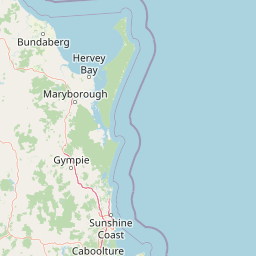
Map view of Bribie Island National Park

Use this park location map to pinpoint Bribie Island National Park in Australia, understand its exact geographic position, and read its mapped placement within the surrounding landscape more clearly.

Pigeon | © OpenStreetMap contributors

Location context for Bribie Island National Park

Queensland
Park atlas

Trace protected landscapes and compare adjacent coastal environments in southeast Queensland.

Discover Nearby National Parks, Protected Areas Beyond Bribie Island National Park
Browse a curated selection of other national parks and protected areas located near Bribie Island National Park, extending your exploration of Australia's subtropical coastal ecosystems. Compare varied park landscapes, from additional island reserves to mainland wetlands, to understand the regional spread of protected areas and diverse conservation strategies.
National parkQueensland

Glass House Mountains National Park: Explore its Protected Landscape and Queensland Geography

Mapped boundaries and regional natural terrain context.

Glass House Mountains National Park serves as a vital protected area, offering a specific geographic focus within Queensland, Australia. This page provides detailed context on its mapped boundaries and landscape character, contributing to a structured understanding of the national park's place in the Sunshine State's diverse geography. It highlights the park's role as a distinct protected territory within the broader Australian atlas.

Area
8.83 km²
Established
1994
IUCN
II
Relief
Mountain
National parkQueensland

Dularcha National Park: Queensland National Park Landscape and Geographic Context

Explore mapped protected areas and natural terrain.

Delve into the specific protected landscape of Dularcha National Park, a national park situated in Queensland, Australia. This entry provides detailed information on its geographic features and mapped boundaries, contributing to a structured understanding of protected areas within the Australian atlas. Examine Dularcha National Park's unique natural environment and its place within the Sunshine State's diverse terrain.

Area
4.64 km²
Established
1921
IUCN
II
Climate
Subtropical
National parkQueensland

Eudlo Creek National Park: Queensland National Park Protected Landscape

Mapped geography and protected area context.

Eudlo Creek National Park is a designated national park situated within the vast geographical expanse of Queensland, Australia. This entry facilitates an atlas-style understanding of the park, highlighting its mapped boundaries and its significance as a protected natural landscape. Delve into the regional geography and landscape context to appreciate Eudlo Creek National Park's role within Australia's network of conservation areas.

Area
0.43 km²
Established
1951
IUCN
II
Climate
Subtropical
National parkQueensland

Triunia National Park: Mapped Protected Landscape within Queensland's Geography

Explore Queensland's natural terrain and park boundaries.

Triunia National Park stands as a protected landscape offering a distinct point for geographic exploration within Queensland, Australia. This page details the park's specific mapped boundaries and its contribution to the state's rich natural terrain, providing essential context for atlas-based discovery. Users can delve into the regional geography surrounding Triunia National Park, enhancing their understanding of Australia's protected areas and diverse ecosystems.

Area
0.18 km²
Established
1994
IUCN
II
Access
Access unknown
National parkQueensland

Ferntree Creek National Park: Queensland National Park Protected Landscape and Map Context

Discover mapped boundaries and regional geography within Queensland.

Ferntree Creek National Park, identified as a national park within Queensland, Australia, offers a specific point of reference for protected landscape exploration. This detail page provides geographic context, mapping its protected area boundaries and situating it within the regional atlas. Understand the landscape and its place in Queensland's natural geography through structured data and map-based discovery.

Area
0.72 km²
Established
1947
IUCN
II
Relief
Lowland
National parkQueensland

Gheebulum Kunungai National Park: A Protected Landscape in Queensland's Diverse Geography

Explore its national park boundaries and regional context.

Gheebulum Kunungai National Park represents a distinct protected area within the broader geographic tapestry of Queensland. As a national park, it contributes to the region's conservation landscapes, offering users an opportunity to understand its mapped boundaries and its specific role within the atlas of northeastern Australia's natural terrain. This entry focuses on the park's geographic identity and its value for structured map exploration.

Area
168 km²
Established
1966
IUCN
II
Relief
Lowland
Watercolor depiction of Mount Coolum mountain with flowering fields in the foreground
National parkQueensland

Mount Coolum National Park: Mapped Boundaries and Geological Significance in Queensland

Explore Queensland's unique laccolith national park and its diverse botanical landscapes.

Mount Coolum National Park offers a concentrated study in unique geological formations and botanical richness within Queensland's protected lands. As a prominent laccolith, the park's dome-shaped mountain and rhyolite cliffs provide a striking natural landmark. Explore its mapped terrain, from forested slopes to rare heath communities, and grasp its significance as a protected area contributing to the regional landscape context. Understand the distinct natural character of this Sunshine Coast national park.

Area
0.69 km²
Established
1990
IUCN
II
Relief
Mixed relief
Watercolor painting showing a lake, mountains, trees, and flowers
National parkQueensland

Kondalilla National Park: Protected Waterfall Landscape and Bunya Pine Atlas

Explore Queensland's Blackall Range geography and mapped natural terrain.

Kondalilla National Park is a protected national park on the Blackall Range in Queensland, recognized for its significant remnant subtropical rainforest and spectacular waterfalls. This atlas entry provides detailed insight into its mapped boundaries, geographic setting, and the unique landscape character, including the easternmost bunya pine stands, making it a key destination for protected-area discovery.

Area
3.27 km²
Established
1945
IUCN
II
Relief
Mixed relief

Common questions about visiting, size, designation, and location context for Bribie Island National Park

Bribie Island National Park FAQs for park facts, access, geography, and protected area context
Find quick answers about Bribie Island National Park, including protected-area facts, park geography, trail and visitor context, and how the park fits into its surrounding country and regional landscape.
MoriAtlas Explorer

Continue Your Protected Areas Search Across the Global Atlas

Deepen your exploration by continuing the structured search for national parks and protected areas worldwide. Utilize the comprehensive filtering capabilities to compare different conservation landscapes and refine your understanding of global park geography. Discover more about the distribution and characteristics of protected natural areas.

Global natural geography