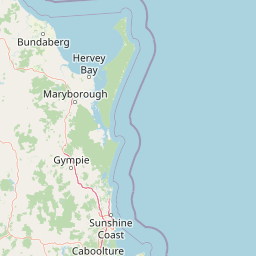
Why Dularcha National Park stands out
Dularcha National Park is best known for its distinctive heritage-listed railway tunnel, a Victorian-era infrastructure feature built in 1891 that passes through the park and now provides seasonal habitat for several bat species including the large-footed myotis. The park is also notable for its riverine wetland system, which represents a protected example of lowland subtropical wetland habitat within the heavily developed South East Queensland region. The combination of historical railway heritage and ecological preservation makes this small park distinctive among Queensland's protected areas.
Dularcha National Park history and protected-area timeline
Dularcha National Park was established in 1921 specifically to preserve forest scenery along the railway corridor for the benefit of passengers traveling on the North Coast railway line. The Dularcha railway tunnel, constructed in 1891, represents the key historical infrastructure within the park and has been heritage-listed for its engineering and historical significance. Rail operations through the tunnel ceased in 1932 when the North Coast line was relocated to a new route east of the original corridor, leaving the tunnel abandoned and the rail easement gradually reverting to natural vegetation. The tunnel subsequently evolved into a ecological feature, becoming a seasonal roosting site for several bat species. In 2010, the park was significantly expanded through the addition of the former Mooloolah Forest Reserve, increasing both the protected area and the connectivity of forest habitats within the landscape.
Dularcha National Park landscape and geographic character
Dularcha National Park encompasses lowland subtropical terrain typical of the South East Queensland bioregion. The landscape features gentle undulating terrain interspersed with wetland areas and forest remnants. The riverine wetland system represents the most distinctive landscape feature, covering approximately 0.4 square kilometers and providing a contrast to the surrounding eucalypt and rainforest vegetation communities. The park's position within the Mooloolah River catchment means that watercourses within the property flow into this larger river system, connecting the park to broader watershed processes. The heritage-listed railway tunnel provides an unusual built element within the natural landscape, constructed through a cutting that now displays weathered rock faces alongside the tunnel portal.
Dularcha National Park ecosystems, habitats, and plant life
The park contains a representative example of South East Queensland's Subtropical rainforest and eucalypt forest communities, though much of the original vegetation has been modified by historical disturbances including railway construction and surrounding land use changes. The riverine wetland supports distinctive aquatic and semi-aquatic vegetation adapted to seasonal water level fluctuations. Nine rare or threatened species have been documented within the park, highlighting its conservation significance despite the small total area. The wetland system provides important habitat for waterbirds, amphibians, and aquatic invertebrates, while the forest edges and interior support terrestrial fauna including mammals, reptiles, and diverse bird species. The preservation of this habitat remnant is particularly important given the intensive agricultural and urban development that has characterized the surrounding South East Queensland region.
Dularcha National Park wildlife and species highlights
The Dularcha railway tunnel has become known as a seasonal roosting site for several bat species, with the large-footed myotis (Myotis macropus) being particularly well-documented. This species utilizes the tunnel during breeding and resting periods, making the structure an important roosting habitat in the regional landscape. The riverine wetland supports waterbird populations including various duck species, herons, and rails that utilize the wetland for foraging and nesting. The forest communities provide habitat for arboreal mammals, possums, and diverse bird species characteristic of South East Queensland forests. The documented presence of nine rare or threatened species indicates the park's role in conserving vulnerable wildlife within a region where natural habitats have been extensively cleared.
Dularcha National Park conservation status and protection priorities
Dularcha National Park contributes to the conservation of South East Queensland's natural heritage by protecting remnant forest and wetland habitats within a heavily modified landscape. The wetland system represents a particularly valuable conservation asset, as lowland Subtropical wetlands have been extensively drained and converted for agriculture and urban development throughout the region. The park's location within the Mooloolah River catchment connects it to broader watershed protection objectives, while the forest remnants provide wildlife corridors linking to other protected areas in the Sunshine Coast hinterland. The presence of nine rare or threatened species demonstrates the park's ecological significance beyond its modest area, validating the decision to expand protections in 2010 through the incorporation of former forest reserve land.
Dularcha National Park cultural meaning and human context
The park's establishment reflects early 20th century attitudes toward preserving scenic values along transportation corridors, a purpose that distinguished Dularcha from many other national parks created primarily for wildlife conservation or resource protection. The railway tunnel represents Victorian-era infrastructure that has become integrated into the park's character, demonstrating how historical transportation networks have shaped Queensland's protected landscape. The surrounding Landsborough area has historical significance as an early settlement in the Sunshine Coast region, though the park itself does not contain documented Indigenous heritage sites mentioned in available sources.
Top sights and standout views in Dularcha National Park
The heritage-listed Dularcha railway tunnel built in 1891 stands as the park's most distinctive feature, combining historical infrastructure with ecological function as a bat roosting site. The 0.4 square kilometer riverine wetland provides protected habitat within a region where such ecosystems have become rare. The park offers four main recreational activities including birdwatching, horse-riding, bush-walking, and bike-riding along established trails. The absence of camping, fires, and motor vehicles maintains a relatively pristine visitor experience focused on quiet recreation in natural surroundings.
Best time to visit Dularcha National Park
Dularcha National Park can be visited year-round given Queensland's mild subtropical climate, though the cooler winter months from May to September typically offer more comfortable conditions for bush-walking and outdoor activities. The wetland areas tend to be most active birdwatching destinations during the southern hemisphere spring and summer months from September to February when waterbirds breed and are more visually conspicuous. The railway tunnel provides bat observation opportunities particularly during warmer months when bats are more active, though visitors should note that the tunnel serves as a roosting site and disturbances should be minimized.