Why Eudlo Creek National Park stands out
Eudlo Creek National Park is best known for its exceptional botanical diversity within a relatively small footprint. The park contains 456 documented plant species, a remarkable concentration for an area of just 0.43 square kilometres, including thirteen species classified as rare or endangered. The protected area also supports the vulnerable tusked frog, one of Australia's threatened amphibian species. The park's significance lies in its role as a remnant of the once extensive forests that covered the Glass House Mountains region, preserving representative samples of coastal woodland and riparian ecosystems in an area now largely cleared for agriculture and urban development.
Eudlo Creek National Park history and protected-area timeline
Eudlo Creek National Park was established in 1951, making it one of the earlier designations in Queensland's national park system. The creation of the park reflected a growing recognition in mid-twentieth century Australia of the need to preserve representative examples of the nation's natural landscapes and ecosystems. At the time of establishment, the protected area was part of a broader movement to set aside lands of ecological and scenic significance before extensive land clearing transformed the Queensland landscape further. The park was created when much of the surrounding region still retained substantial forest cover, though clearing for agriculture was accelerating. Over the subsequent decades, as urban development expanded along the Sunshine Coast, the ecological value of small remnant reserves like Eudlo Creek increased as surrounding lands were progressively cleared. The park has been managed throughout its existence by the Queensland Parks and Wildlife Service, which has maintained the protected area's natural values while adapting management approaches to incorporate evolving understanding of ecological conservation needs.
Eudlo Creek National Park landscape and geographic character
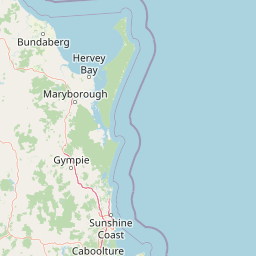
The landscape of Eudlo Creek National Park reflects the geological and topographic character of the Glass House Mountains region of South East Queensland. The park sits within a landscape shaped by ancient volcanic activity, with the prominent volcanic peaks of the Glass House Mountains rising to the west of the protected area. The terrain within the park is characterized by gentle slopes and the valley of Eudlo Creek itself, which provides the aquatic core of the protected area. The vegetation forms a mosaic of tall open forest and woodland, with the creek corridor supporting denser riparian vegetation. The soils derived from the underlying volcanic and sedimentary substrates support a diverse plant community. The relatively small area of the park means that visitors can traverse much of the terrain, experiencing the transition from the creek flats to the surrounding woodland slopes. The park's landscape character contrasts with the cleared agricultural and residential lands that now dominate the surrounding area, providing a window into the pre-colonial vegetation of this part of the Sunshine Coast.
Eudlo Creek National Park ecosystems, habitats, and plant life
The nature of Eudlo Creek National Park is defined by its remarkable botanical richness. With 456 plant species recorded, the park demonstrates exceptional diversity for its size, a characteristic that places it among the botanically significant small reserves in Queensland. This diversity reflects the park's position within a transitional zone between the coastal lowlands and the elevated volcanic landscapes of the Glass House Mountains. The vegetation communities include tall open forests dominated by eucalypts, with a diverse understory of shrubs, ferns, and groundcovers. The riparian zones along Eudlo Creek support more mesic vegetation including ferns and moisture-loving species. Of particular significance is the presence of thirteen plant species that appear on lists of rare or endangered species, indicating the park's role as a refuge for taxa of conservation concern. The diversity of microhabitats within the small area, from creek banks to ridge slopes, contributes to the overall species richness by supporting different ecological requirements.
Eudlo Creek National Park wildlife and species highlights
The wildlife of Eudlo Creek National Park is highlighted by the presence of the vulnerable tusked frog (Adelotus brevis), a species of particular conservation significance in Queensland. This small amphibian, one of Australia's rarest frogs, inhabits the moist environments provided by the park's creek corridors and surrounding forest floor. The tusked frog is named for the distinctive tusk-like projections on its lower jaw in males, and its populations have declined across much of its former range due to habitat loss, disease, and climate change. The presence of this species in Eudlo Creek National Park indicates the importance of the protected area as a refuge for sensitive species. Beyond the flagship tusked frog, the park's diverse plant communities and intact forest structure support a range of native fauna including birds, reptiles, and invertebrates. The riparian corridors provide important habitat for species requiring access to water, while the forest canopy and ground layer offer resources for both arboreal and terrestrial wildlife.
Eudlo Creek National Park conservation status and protection priorities
Eudlo Creek National Park holds significant conservation value despite its small size. The park protects representative examples of the forest ecosystems that once covered much of the Glass House Mountains region before extensive clearing transformed the landscape. Of particular note is the presence of thirteen rare or endangered plant species within the 0.43 square kilometre boundary, indicating the concentration of conservation significance in this protected area. The park also provides crucial habitat for the vulnerable tusked frog, a species that has suffered major declines across Queensland. The protection of Eudlo Creek since 1951 has maintained a contiguous area of native vegetation within an increasingly fragmented landscape. As urban and agricultural development continues to expand across the Sunshine Coast, small reserves like this one become increasingly important as refuges for biodiversity and as corridors connecting larger protected areas. The conservation management of the park by Queensland Parks and Wildlife Service focuses on maintaining the ecological integrity of these habitats.
Eudlo Creek National Park cultural meaning and human context
Eudlo Creek National Park is situated within the traditional country of the Gubbi Gubbi people, the Indigenous custodians of the Sunshine Coast region. The Gubbi Gubbi (also known as Kabi Kabi) peoples have long connections to the lands and waters of this area, with the Glass House Mountains and surrounding forested lands holding cultural and spiritual significance. The Eudlo Creek system would have provided resources and served as a travel corridor for Aboriginal peoples historically. While the park itself does not contain designated cultural heritage sites of the type typically recorded in modern management, the landscape exists within a broader context of Indigenous connection to country. The establishment of the national park in 1951 represents a more recent layer of formal protection, though it occurs within a landscape where Aboriginal connection continues.
Best time to visit Eudlo Creek National Park
The optimal time to visit Eudlo Creek National Park aligns with the cooler, drier months typical of South East Queensland's winter and spring, from approximately May through October. During this period, temperatures are moderate and comfortable for walking, and rainfall is generally lower, making the trail conditions more favorable. The park can be enjoyed year-round given Queensland's mild climate, though summer months (December to February) bring higher temperatures and increased rainfall, which may affect visitor comfort and trail conditions. Wildlife viewing opportunities remain available throughout the year, though the drier months may concentrate animals around the creek as water sources become less available in the surrounding landscape. The compact size of the park means that a visit of a few hours is sufficient to experience the main features, with the walking tracks providing access to the creek and forest environments.