Why Naree Budjong Djara National Park stands out
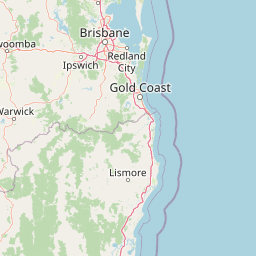
Naree Budjong Djara is best known as a coastal sand island protected area with deep Quandamooka cultural significance. The park protects the former Blue Lake National Park area and extends protection to the island's distinctive dune and heathland ecosystems. It represents one of the few large-scale conservation reserves on North Stradbroke Island, a sand island famous for its massive dunes, clear freshwater lakes, and increasingly rare coastal heathlands. The park offers visitors relatively accessible wilderness on an island that sits directly across Moreton Bay from Brisbane, making it one of the nearest national park experiences to a major Australian city.
Naree Budjong Djara National Park history and protected-area timeline
Naree Budjong Djara National Park was officially declared on March 27, 2011, when Queensland Premier Anna Bligh and Environment Minister Kate Jones announced the park's creation. The new national park incorporated the former Blue Lake National Park and added significant additional territory to create a larger, more coherent protected area. The park's name was chosen in consultation with the Quandamooka people, whose traditional Country encompasses North Stradbroke Island. The name Naree Budjong Djara carries profound meaning, translating as My Mother Earth in the Quandamooka language. This naming reflected a commitment to recognizing and honoring the deep cultural connection between Aboriginal people and the island landscape. The establishment of the park marked an important moment in Queensland's conservation history, expanding the state's national park system to include a larger proportion of North Stradbroke Island's remaining natural areas.
Naree Budjong Djara National Park landscape and geographic character
The landscape of Naree Budjong Djara National Park is defined by its location on North Stradbroke Island, one of the largest sand islands in the world. The terrain is dominated by ancient parabolic dune systems that have been stabilized by vegetation over thousands of years, creating a gently undulating topography with elevations ranging from near sea level to around 200 meters. The park encompasses diverse landscape elements including extensive wallum heathlands characterized by Banksia and Melaleuca species, open forests of scribbly gum and other eucalyptus varieties, freshwater lakes formed in depressions between dune ridges, and wetland areas where water pools during the wet season. The island's underlying geology consists primarily of sand deposited during past sea-level fluctuations, with a shallow freshwater aquifer that sustains the lakes and supports the island's distinctive vegetation. Coastal influences shape the eastern portions of the park, where beach environments and near-shore waters add marine character to the protected landscape.
Naree Budjong Djara National Park ecosystems, habitats, and plant life
The nature of Naree Budjong Djara reflects the unique ecological conditions of a large coastal sand island. The park contains several distinct habitat types that support specialized plant and animal communities adapted to the nutrient-poor sandy soils and seasonal water availability. Wallum heathlands dominate large areas of the park, characterized by dense shrubs including various Banksia species, grass trees, and heath-forming plants that thrive in the acidic, low-nutrient soils. The heathlands are interspersed with open eucalyptus forests that provide a more open canopy and different ecological niches. Freshwater lakes scattered throughout the park are ecologically significant, supporting aquatic plants, invertebrates, and providing drinking water for wildlife. The combination of heath, forest, and wetland habitats creates a mosaic of environments that supports considerable biodiversity despite the relatively harsh conditions imposed by the sandy substrate.
Naree Budjong Djara National Park wildlife and species highlights
The wildlife of Naree Budjong Djara National Park reflects the distinctive sand island environment and the broader Moreton Bay region. The park's diverse habitats support populations of marsupials including various possum and wallaby species adapted to the island's forests and heathlands. Birdlife is particularly diverse, with numerous species utilizing the heathland, forest, and wetland environments for feeding and nesting. The freshwater lakes provide important habitat for waterbirds and support aquatic food chains. Reptiles including various lizard and snake species occupy the diverse terrestrial habitats, while insects play critical roles in pollination and as prey items throughout the food web. The isolated nature of North Stradbroke Island has allowed some species to evolve in relative isolation, while others have adapted to the specific conditions of the sand island environment.
Naree Budjong Djara National Park conservation status and protection priorities
Naree Budjong Djara National Park plays a crucial conservation role on an island facing substantial development pressure. The park protects significant remnants of the original vegetation that once covered much of North Stradbroke Island, preserving ecological communities that have been largely cleared or modified across most of the island. The protected area encompasses important habitat for threatened species and provides connectivity between smaller conservation reserves on the island. Conservation management focuses on maintaining natural processes, controlling invasive species that could degrade native habitats, and managing visitor impacts to ensure the park's values are sustained. The park's establishment recognized both the ecological significance of the island's sand dune and heathland ecosystems and the cultural importance of the landscape to the Quandamooka people.
Naree Budjong Djara National Park cultural meaning and human context
Naree Budjong Djara National Park holds profound significance for the Quandamooka people, whose traditional Country encompasses North Stradbroke Island and the surrounding waters of Moreton Bay. The park's name, Naree Budjong Djara, meaning My Mother Earth in the Quandamooka language, reflects the deep spiritual and cultural connection between Aboriginal people and this island landscape. The Quandamooka people have inhabited and managed this Country for thousands of years, maintaining intricate knowledge of the island's ecosystems, seasonal patterns, and resources. The establishment of the national park recognized this enduring connection and incorporated traditional knowledge into the management approach. The park protects places of cultural importance while providing opportunities for Quandamooka people to continue traditional practices and maintain their connection to Country within a protected area framework.
Top sights and standout views in Naree Budjong Djara National Park
The highlights of Naree Budjong Djara include its distinctive coastal sand island landscape, ancient dune formations, and the cultural significance embedded in its Quandamooka name. The park protects one of the few large remaining natural areas on North Stradbroke Island, offering visitors the opportunity to experience a landscape that retains much of its original character despite proximity to Brisbane. The combination of wallum heathlands, eucalyptus forests, and freshwater lakes creates a varied landscape that supports diverse wildlife and provides scenic variety. The park serves as an important conservation refuge for island species and ecosystems, representing a commitment to preserving natural heritage in a region experiencing rapid development.
Best time to visit Naree Budjong Djara National Park
The best time to visit Naree Budjong Djara National Park is during the cooler months from autumn through spring, when temperatures are more comfortable for exploring the island's outdoor environments. The Queensland subtropical climate means that summer months can be hot and humid, potentially making extended outdoor activities less comfortable. The island's ecosystems are accessible year-round, though the wet summer season brings higher rainfall that may affect some tracks and access points. Visiting during the drier winter and spring months typically provides more consistent conditions for bushwalking and wildlife observation, with lower humidity and more predictable weather patterns.