
Why Hainich National Park stands out
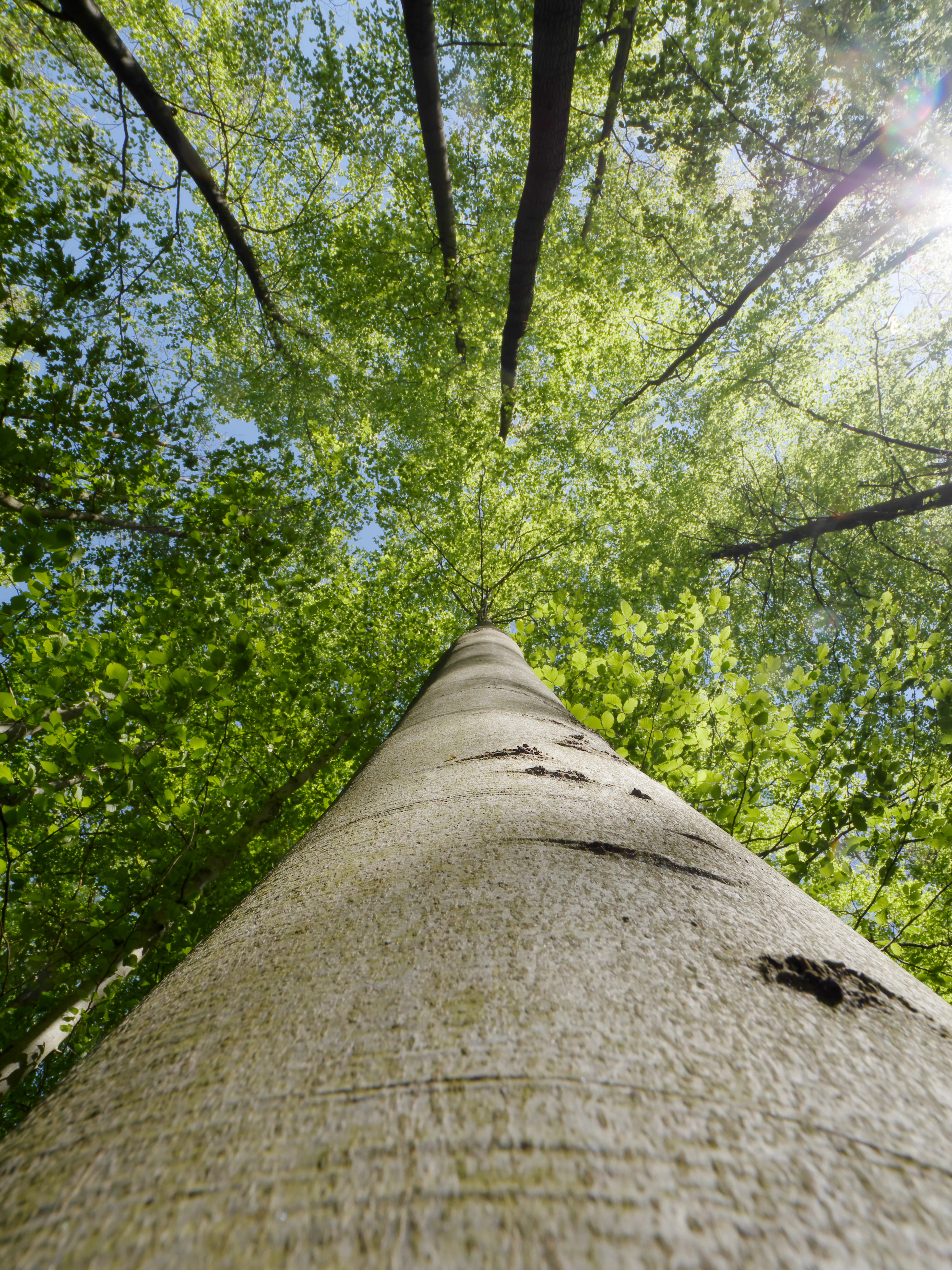
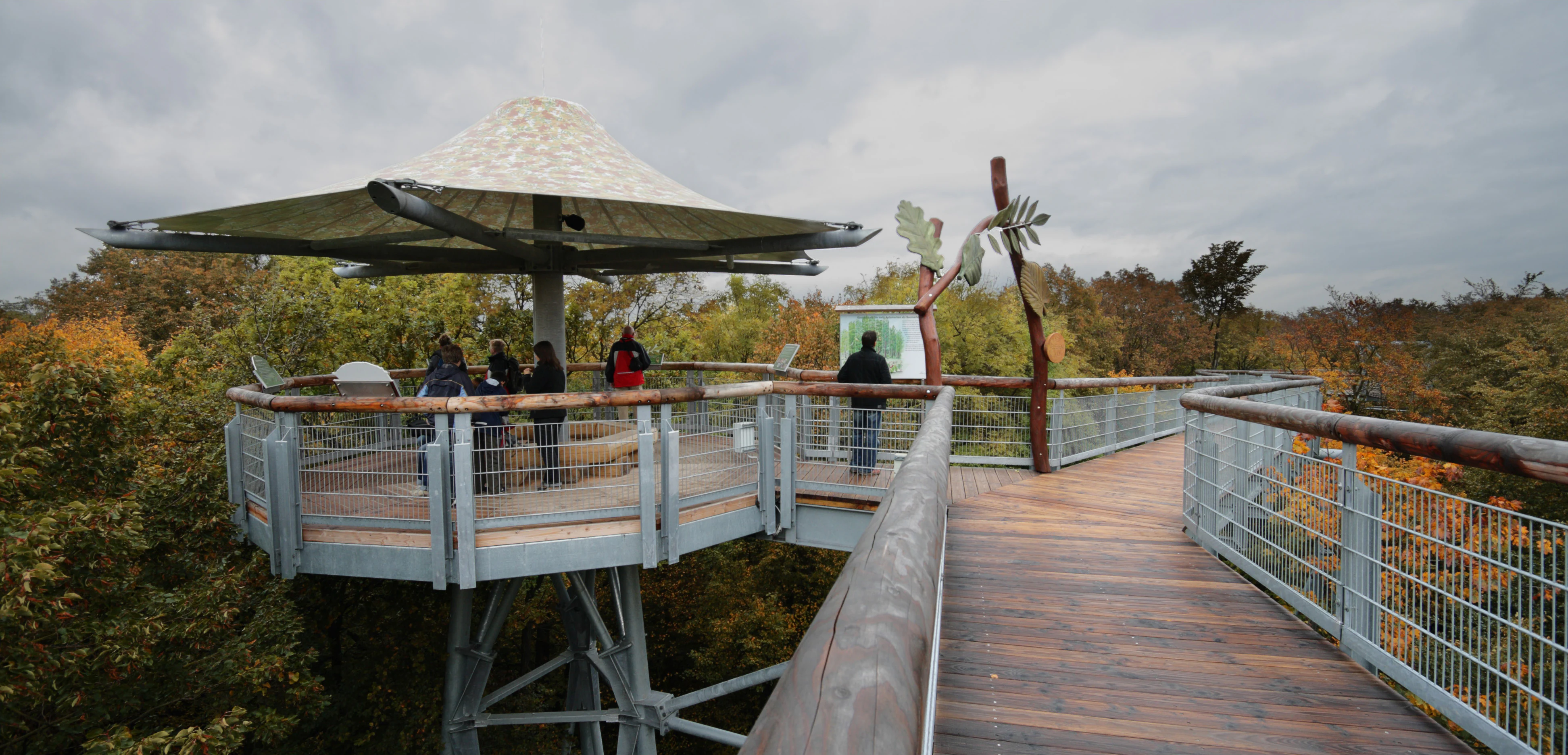
Hainich National Park is best known as a stronghold of Central European beech forest, hosting one of Germany's most important surviving beech woodland complexes and serving as a nucleus of natural forest regeneration where nature is allowed to evolve without human management. It is also recognised internationally as a component of the UNESCO World Heritage beech forests of Europe, a designation that places it alongside similar primeval beech stands from the Carpathians to the Alps. The park combines this conservation prestige with distinctive visitor features, most famously the Baumkronenpfad canopy walkway, which was one of the first of its kind in Germany and allows visitors to walk among the crowns of mature beech trees.
Hainich National Park history and protected-area timeline
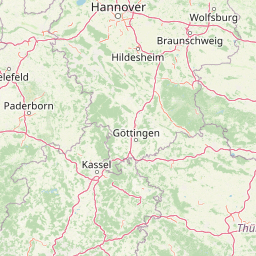
Hainich National Park was formally established on 31 December 1997, making it the thirteenth national park designated in Germany and the first and only one in the state of Thuringia. The park grew out of a combination of conservation ambition and practical circumstance: large parts of the protected area had been used as military training grounds for decades, which unintentionally preserved them from commercial forestry and large-scale agricultural conversion.
In its early years, the focus of management was to allow the abandoned training areas to regenerate naturally, while older forested sections were progressively allowed to develop without intervention. In July 2009, a key management decision expanded the park's core zone from 29 percent to roughly 75 percent, reinforcing the goal of creating a large, contiguous area where nature could follow its own course.
A defining moment in the park's modern history came on 25 June 2011, when its beech forests were inscribed as part of the UNESCO World Heritage Site "Ancient and Primeval Beech Forests of the Carpathians and Other Regions of Europe." This international recognition cemented Hainich's reputation as one of Europe's most important surviving beech forest landscapes.
Hainich National Park landscape and geographic character
The landscape of Hainich National Park is that of a rolling, forested upland in the heart of Thuringia. The terrain is shaped by the broader relief of Central German hill country, with gentle ridges, valleys, and plateau-like sections clothed almost entirely in deciduous woodland. There are no dramatic peaks or major watercourses within the park itself, but the surrounding Hainich creates an extensive, undulating sea of forest that blends into the wider Werra valley landscape to the west.
A defining physical feature is the contrast between mature, closed-canopy beech forest and the more open, regenerating areas of the former military training grounds. The southern part of the park in particular features wide clearings that were cleared for training purposes in the early 1980s and then abandoned. These areas have grown back into a mosaic of shrubs, pioneer woodland, and around two decades of young forest growth, producing a distinctive patchwork texture within the otherwise uniform forest cover.
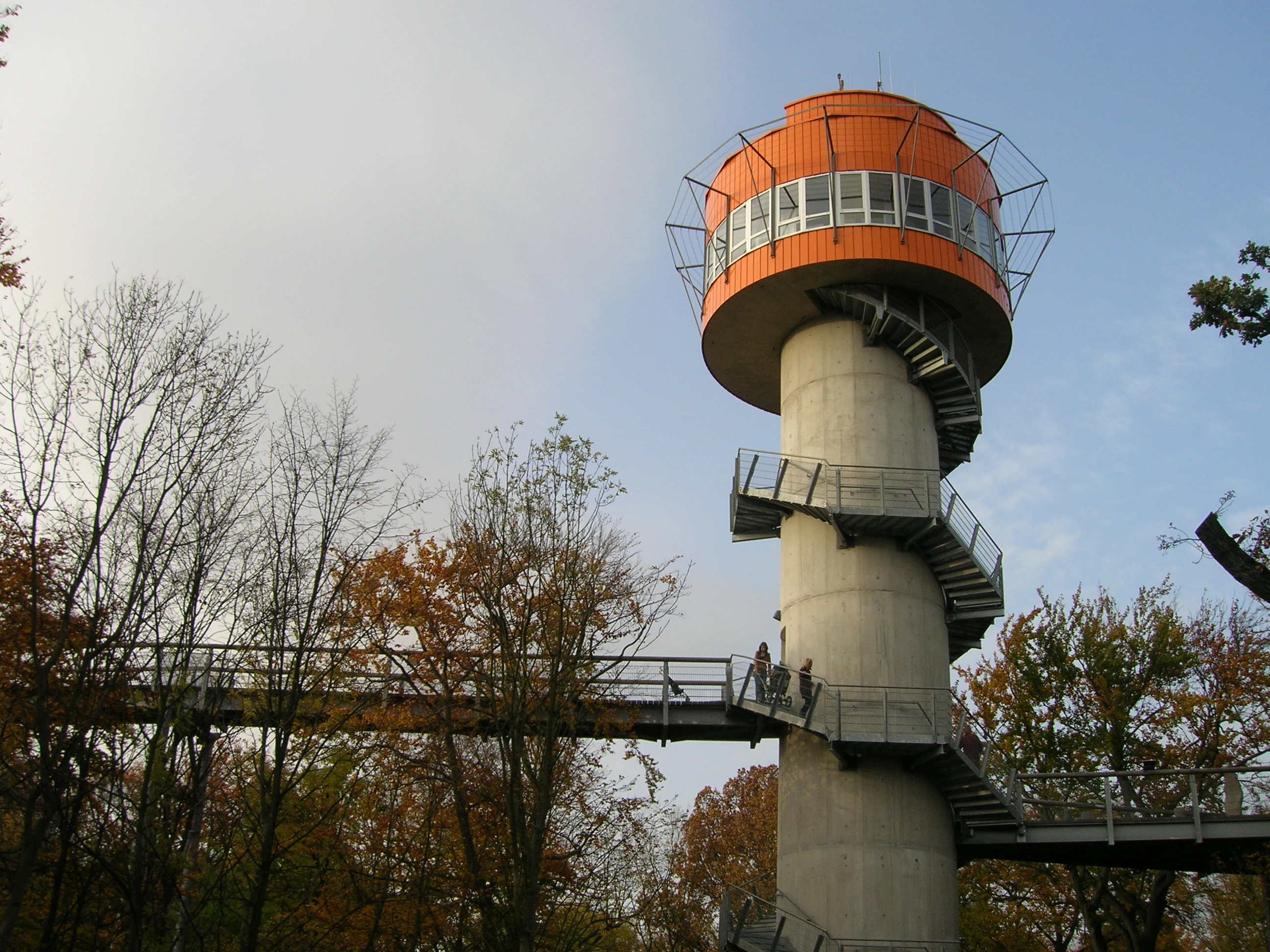
The park also contains several points of human-made elevation that enhance the visitor experience, including the Hainichblick observation tower opened in 2011 on the Generalshügel, which offers sweeping views over the regenerating southern landscape. Viewpoints such as the Baumkronenpfad at the Thiemsburg further highlight the canopy structure of the beech forest as a defining element of the park's visual character.
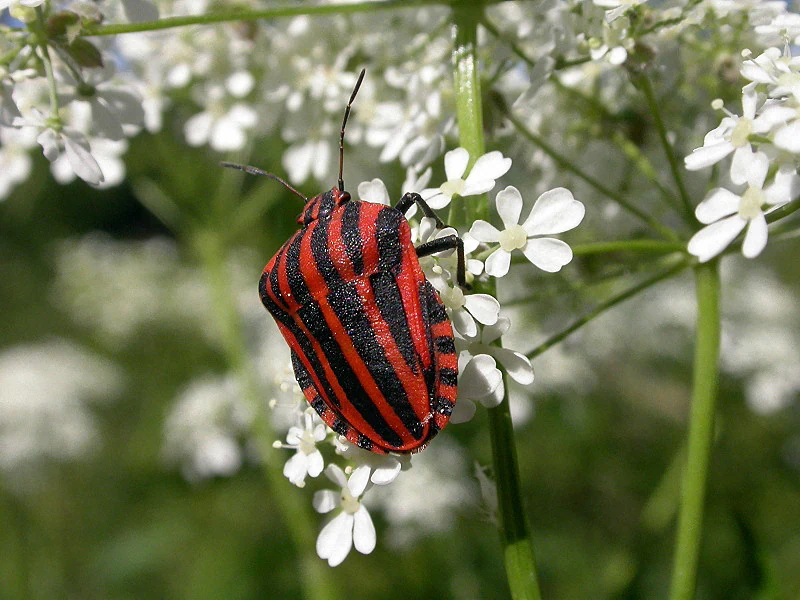
Hainich National Park ecosystems, habitats, and plant life
Hainich's natural environment is dominated by beech forest communities of remarkable diversity. The park hosts a wide spectrum of beech woodland associations, in which European beech is accompanied by other broadleaf species such as ash, maple, lime, and the comparatively rare wild service tree. Together these species form layered canopies and understories that create the structural complexity characteristic of mature Central European deciduous forest.
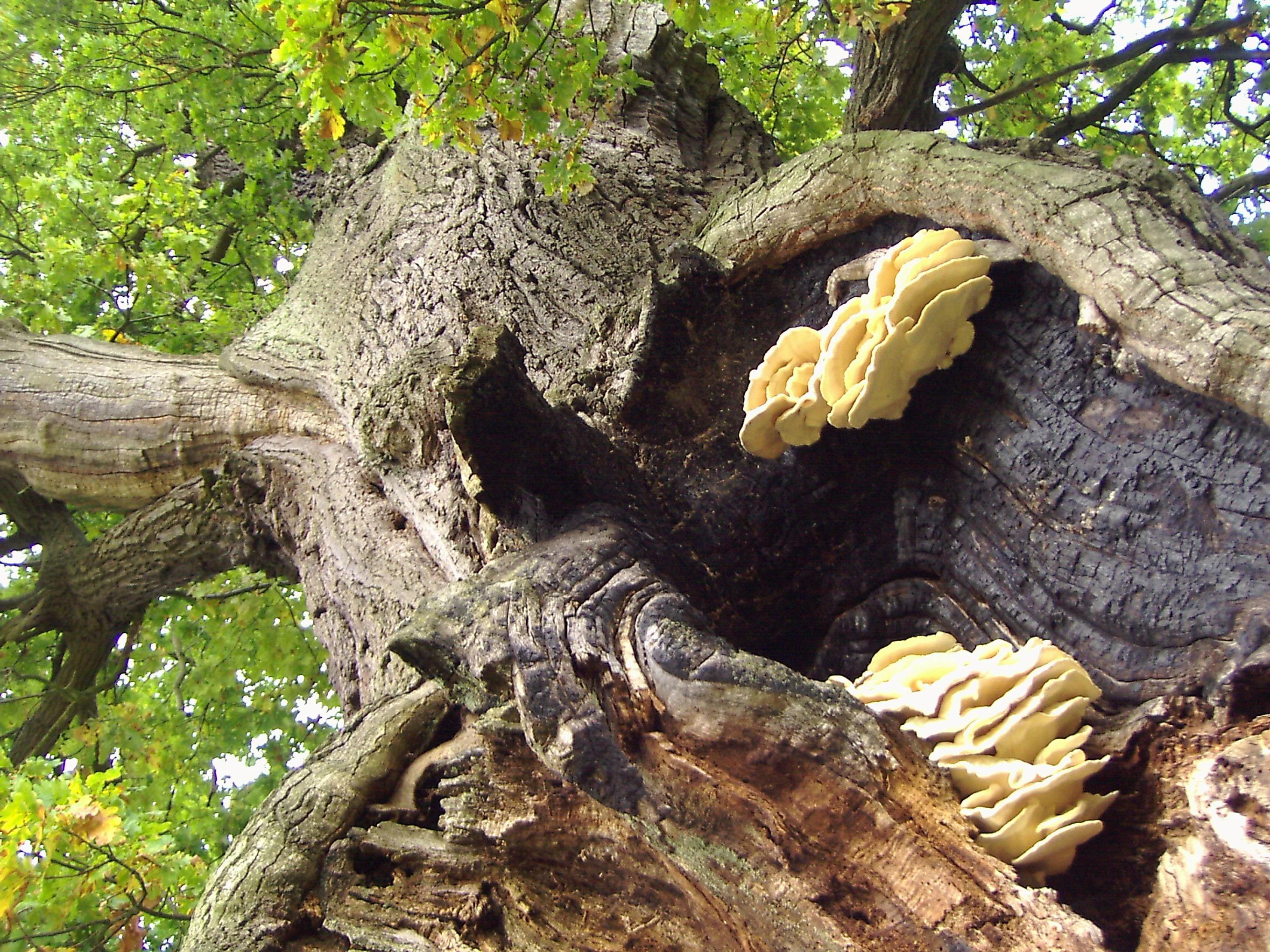
Beneath the trees, the park supports rich communities of spring-flowering plants, fungi, and forest-floor species. Masses of spring ephemerals such as snowflakes, liverworts, and wood anemones emerge early in the season, taking advantage of the light that reaches the forest floor before the beech canopy fully leafs out. Fungi are abundant in the older and decaying wood, contributing to nutrient cycles and providing habitat for many specialised invertebrates.
Much of the park's ecology revolves around the transition from open former-training-ground clearings to closed beech forest. This dynamic landscape mosaic offers habitats for both open-country and woodland species, and the long-term goal is for beech woodland to dominate the majority of the park's area, restoring a more typical Central European forest ecosystem within an otherwise heavily used continent.
Hainich National Park wildlife and species highlights
The wildlife of Hainich is one of its most celebrated features, with the European wildcat serving as the unofficial symbol and emblem of the national park. The dense, undisturbed beech forest provides ideal habitat for this elusive and strictly protected predator, and Hainich is one of the most important refuges for wildcats in central Germany.
Bat diversity is also notable, with around fifteen species recorded in the park, supported by the abundance of old trees with cavities and bark crevices. The park is similarly rich in woodland birds, with seven species of woodpecker documented, including specialists that depend on dead and decaying wood. Decaying timber throughout the park also sustains more than five hundred species of wood-dwelling beetles, a figure that highlights the importance of leaving dead wood in place for ecological functions.
Beyond these headline groups, the mosaic of regenerating forest, mature beech stands, and clearings supports a wide range of typical Central European forest fauna, including small mammals, woodland birds, and forest-floor invertebrates. The combination of protected core zones, abundant dead wood, and connected woodland landscape makes Hainich an important stronghold for forest-dependent species in the region.
Hainich National Park conservation status and protection priorities
Hainich National Park is primarily a conservation project aimed at restoring and protecting a Central European beech forest at landscape scale. Its core mission is to allow natural processes to take over large parts of the former military training grounds and older forested sections, with the explicit goal of enabling the development of near-primeval beech woodland. The 2009 expansion of the unmanaged core zone to roughly 75 percent of the park area was a milestone in this effort, marking a decisive shift away from active forestry in the most sensitive areas.
At the European level, the park has gained significant recognition through its inscription in 2011 as part of the UNESCO World Heritage Site covering ancient and primeval beech forests across the continent. This status reflects the global importance of Central European beech ecosystems and the role of protected areas such as Hainich in conserving them. The park also meets the standards of the European Wilderness Society, which has designated substantial portions of its core zone as certified wilderness forest areas.
Conservation in Hainich is supported by ongoing scientific work, including geobotanical research into forest canopies conducted in cooperation with the University of Göttingen. These programs help monitor how the forest changes over time as natural processes dominate, providing data that informs both the park's management and broader European understanding of beech forest ecology.
Hainich National Park cultural meaning and human context
The cultural context of Hainich is shaped by its long history as a landscape used by the military, by regional settlement patterns, and by ancient Germanic and pre-Christian heritage in the wider Thuringian region. The park's location in the historic triangle between Eisenach, Mühlhausen, and Bad Langensalza places it within an area rich in medieval towns, Reformation-era history, and traditional Central German forest culture.
Within the park itself, cultural traces include paths and structures that reflect its past use as a military training ground, and a reconstructed "Germanic cult trail" near the Hünenburg and Hünenteich. This trail features replicas of sacred objects originally discovered in the sacrificial moor at Niederdorla, connecting the modern protected landscape with deeper layers of regional heritage. Educational and youth facilities such as the Urwald-Life-Camp on the Harsberg further integrate the park with the local community by offering place-based learning opportunities for school classes and young visitors.

Top sights and standout views in Hainich National Park
Among Hainich's most distinctive highlights is the Baumkronenpfad canopy walkway at the Thiemsburg, one of the first treetop paths in Germany, allowing visitors to walk among the crowns of mature beech trees and offering an intimate view of the forest canopy. The Hainichblick observation tower on the Generalshügel provides a contrasting wide-angle perspective over the regenerating southern part of the park.
Equally important, though less visible, is the park's international conservation prestige as a UNESCO World Heritage beech forest and a certified wilderness forest area. The combination of a world-class ecological mission, a pioneering treetop walkway, themed trails such as the Germanic cult path, and educational camps makes Hainich both a serious conservation site and an unusually accessible place to experience near-natural Central European forest.
Best time to visit Hainich National Park
Hainich can be visited throughout the year, with each season offering a different experience. Spring is particularly attractive for the carpets of flowering plants such as snowflakes, liverworts, and wood anemones that emerge before the beech canopy closes, while early summer brings fresh green foliage and active birdlife. Woodpeckers and other forest birds are easiest to detect in spring, when dawn chorus is at its peak.
Autumn is the classic season for experiencing beech forest at its most dramatic, when the canopy turns rich shades of yellow, orange, and copper, and fungi proliferate on dead wood throughout the park. Winter offers quieter visits, better visibility through the bare branches, and a more contemplative atmosphere, though visitors should be prepared for cold conditions in higher parts of the forest. Although visitor infrastructure is accessible year-round, those interested in wildflowers should prioritise spring, while those drawn to foliage colour and fungi should aim for autumn.