
Why Hundsheimer Berg Nature Reserve stands out
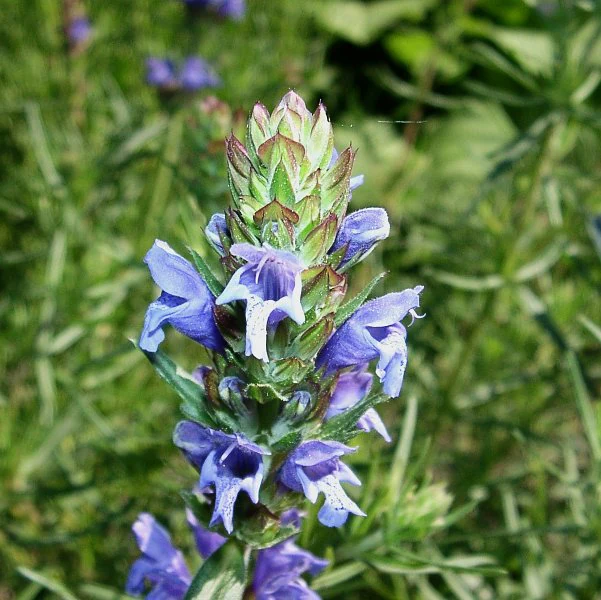
The reserve is best known for its unusually rich dry-grassland and rock-steppe habitats along a calcareous Carpathian outlier in eastern Lower Austria. Its open juniper heaths, semi-dry calcareous grasslands, pannonian oak woodlands, and undisturbed caves form a compact mosaic of steppe-like and forest habitats more typical of the pannonian basin far to the east. It is also notable for its exceptionally high concentration of butterflies and moths, including approximately 1350 species of Micro- and Macrolepidoptera, representing nearly forty percent of the recorded butterfly and moth fauna of Lower Austria. Among its most prominent inhabitants are the predatory bush-cricket Saga pedo, the European ground squirrel, and several rare pannonian plant species such as the Austrian dragonhead.
Hundsheimer Berg Nature Reserve history and protected-area timeline
The Hundsheimer Berg Nature Reserve was formally established in 1965, in response to concerns that the slope habitats of the Hundsheimer Berge, including their rock steppes, dry and semi-dry grasslands, hedges, and dry forests, were in significant decline during the twentieth century. The reserve was created to safeguard this characteristic landscape as a coherent unit within the broader agricultural lowlands of Lower Austria.
In 1989 the broader complex of protected dry hills in this area, including the nature reserves Braunsberg-Hundsheimerberg and Spitzerberg, was recognized by the Council of Europe as Biogenetic Reserves, under the network established through Council of Europe resolutions (76) 17 and (79) 9. The recognition gave the area additional international standing as a representative example of European dry-hill biotopes.
The reserve subsequently became part of the European Union's Natura 2000 network through designation of the larger Natura 2000 area Hundsheimer Berge under the EU Habitats Directive (site number AT1214000). Ownership of the original reserve was shared between WWF Austria and the municipality of Hundsheim, and the area has continued to function as both a conservation site and a teaching resource for institutions such as the University of Vienna.
Hundsheimer Berg Nature Reserve landscape and geographic character
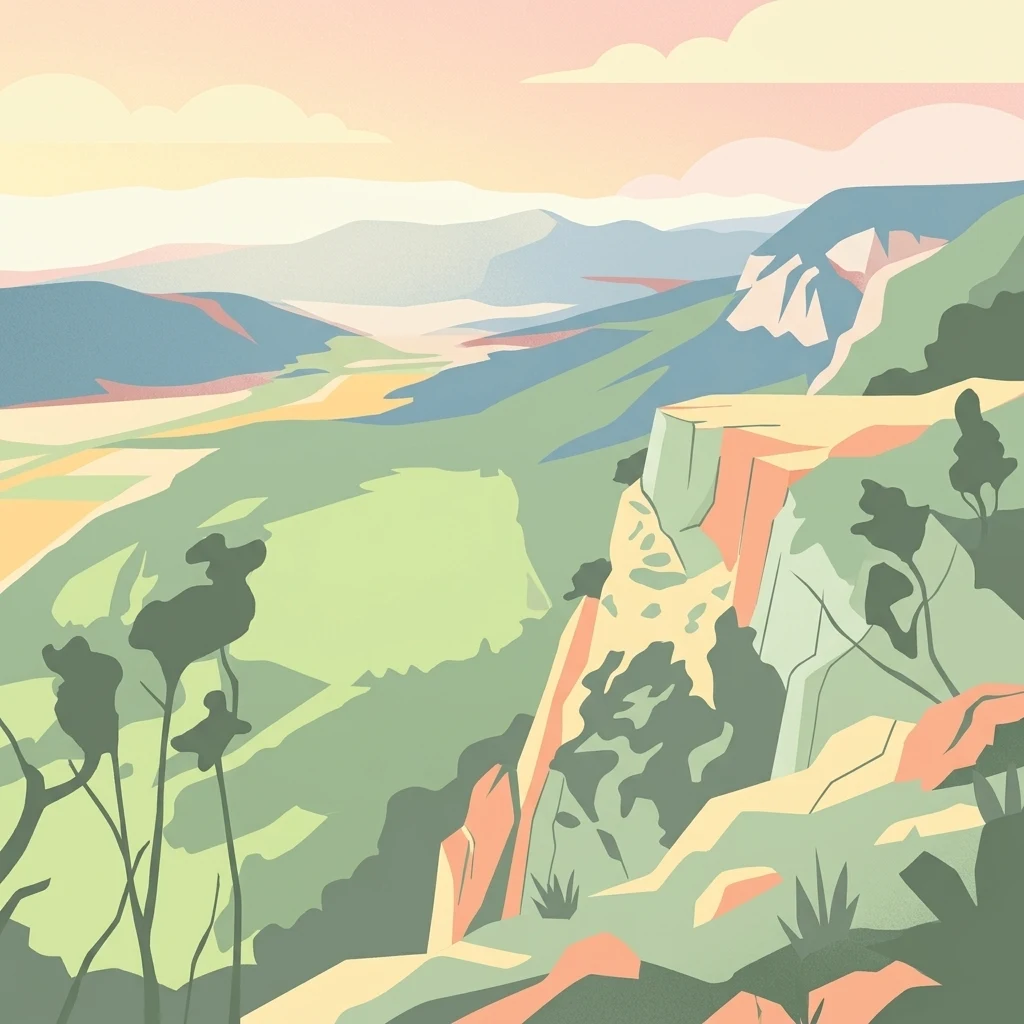
The Hundsheimer Berge rise abruptly from the flat agricultural landscape of eastern Lower Austria as a compact range of hills reaching roughly 480 meters in elevation, creating a noticeable island of relief above the surrounding plains. The hills form a visually striking transition between the alluvial lowlands of the Danube and the forested slopes of the alpine foreland further west.
The geological substrate defines much of the landscape's character. Ancient rocks such as granite and crystalline slate form the core of the hills, while the lower slopes are built up of Early Triassic quartzite and extensive Middle Triassic limestone and dolomite. These carbonate rocks weather easily under karst conditions, and, in combination with thin humus cover, they produce the steep, dry, stony slopes that dominate the reserve.
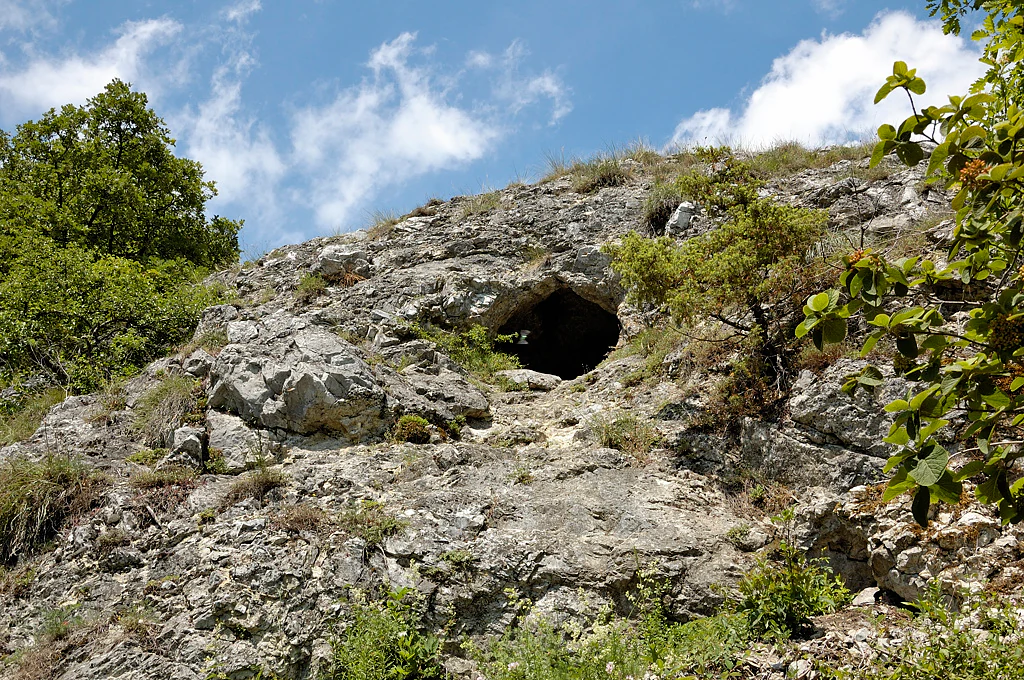
Where the slopes meet the base of the hill, patches of Neogene and Quaternary sediments, including loess, add a softer texture to parts of the terrain. Caves such as the Zwergenloch near Hundsheim illustrate the karst influence on the local scenery. In places the dry grassland gives way to juniper heaths, scattered hedges, and patches of pannonian oak woodland, producing a mosaic of open and semi-open habitats rather than closed forest.
Hundsheimer Berg Nature Reserve ecosystems, habitats, and plant life
The ecological identity of the Hundsheimer Berg Nature Reserve is shaped by its exceptionally dry, calcareous soils and its position as a Carpathian outlier in the pannonian climatic zone. The reserve protects a tightly packed mosaic of habitat types more commonly associated with the steppes and dry hills of eastern Central Europe than with the moister Austrian lowlands.
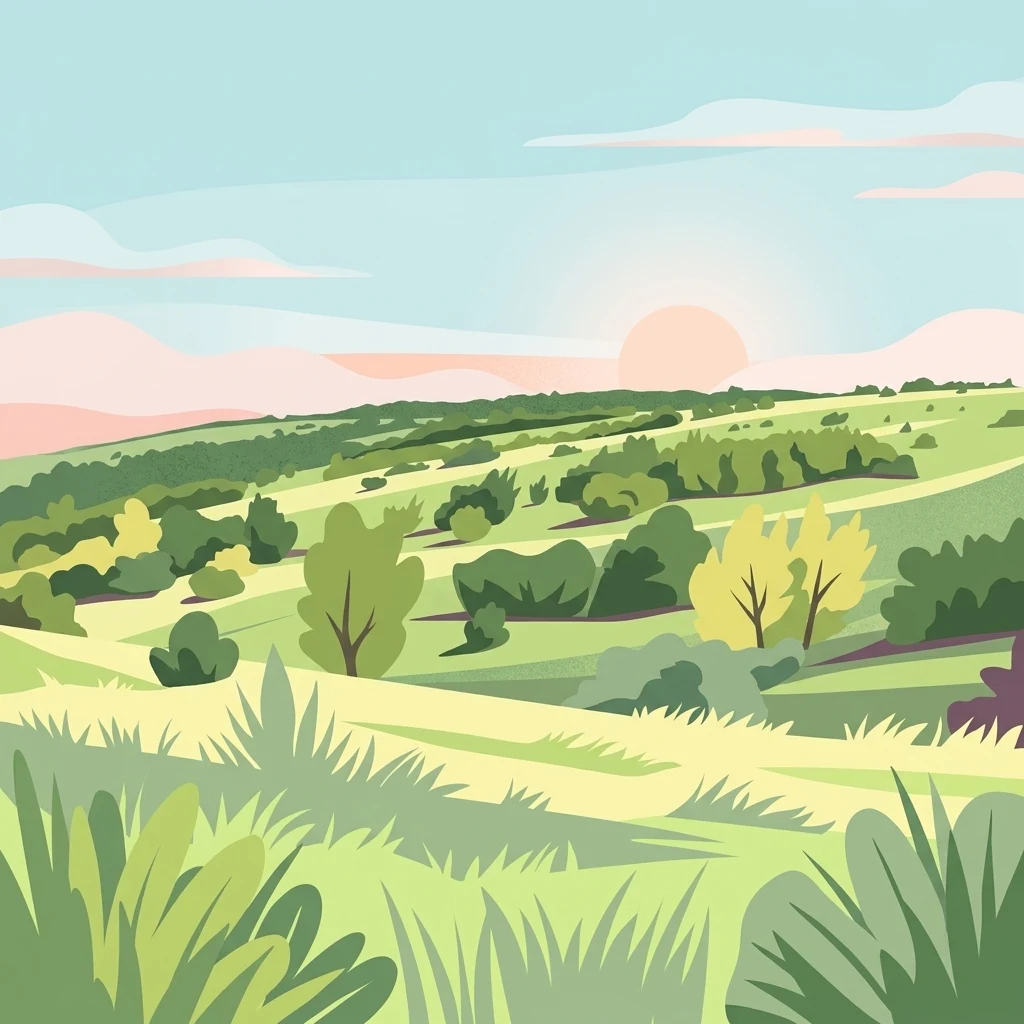
Vegetation patterns reflect this dry, calcareous setting. Rock steppes and semi-dry calcareous grasslands occupy the steeper, sun-exposed slopes, while juniper heaths, hedges, and subpannonian steppe dry grasslands are found in transitional zones. Pannonian oak and hornbeam forests (Galio-Carpinetum), pannonian sessile oak forests, and pubescent oak woodlands occupy more stable ground, and small patches of scree and ravine forest are also present. Caves provide undisturbed subterranean habitat.
Within the wider Natura 2000 area Hundsheimer Berge, which incorporates the reserve along with the Spitzerberg and Braunsberg-Hundsheimerberg nature reserves, several habitat types of European importance are formally protected, including rupicolous calcareous grasslands, subpannonian steppe dry grasslands, lowland hay meadows, oak-hornbeam forests, and pubescent oak forests. Plant diversity is high, with notable species including the Austrian dragonhead (Dracocephalum austriacum), the priority species forest-steppe wormwood (Artemisia pancicii), Dianthus lumnitzeri, the large pasqueflower (Pulsatilla grandis), several feathergrass species, and a rich suite of wild orchids such as Orchis militaris and Anacamptis pyramidalis.
Hundsheimer Berg Nature Reserve wildlife and species highlights
The reserve and the wider Natura 2000 area are notable for a remarkably rich invertebrate fauna, especially of butterflies and moths. Approximately 1350 species of Micro- and Macrolepidoptera have been recorded in the Hundsheimer Berg Nature Reserve, representing nearly forty percent of the total butterfly and moth fauna of Lower Austria. Of these, around 110 species are regarded as having a high conservation value for Central Europe. Notable lepidopterans include the swallowtail (Papilio machaon), the scarce swallowtail, the large chequered skipper, and the burnet moth Setina roscida.
Among the more conspicuous invertebrates is Saga pedo, a large predatory bush-cricket of European conservation concern, along with species of the bee genus Megachile and a wide range of pannonian and steppe-associated Orthoptera and Hymenoptera, including the praying mantis Mantis religiosa and various digger wasps.
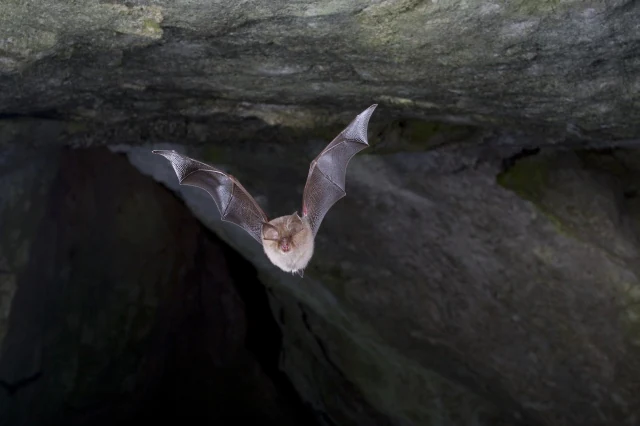
Mammals of conservation importance include the European ground squirrel (Spermophilus citellus) and several bat species listed under the EU Habitats Directive, such as the lesser horseshoe bat (Rhinolophus hipposideros), the greater mouse-eared bat (Myotis myotis), and two species of long-eared bat (Plecotus auritus and Plecotus austriacus). Reptiles include the smooth snake (Coronella austriaca), the Aesculapian snake (Elaphe longissima), the agile lizard (Lacerta agilis), and the eastern green lizard (Lacerta viridis). Large beetles of European conservation value such as the stag beetle (Lucanus cervus) and the great capricorn beetle (Cerambyx cerdo) are also associated with the area's oak woodlands.
Hundsheimer Berg Nature Reserve conservation status and protection priorities
The Hundsheimer Berg Nature Reserve and the broader Natura 2000 area Hundsheimer Berge together constitute one of the most important refuges for dry, calcareous biotopes in eastern Austria and a key conservation link between the Alps and the Carpathians. Their protection addresses a well-documented decline in dry grasslands, rock steppes, and associated pannonian habitats across twentieth-century Central Europe.
National-level protection began in 1965 with the establishment of the Hundsheimer Berg Nature Reserve under the Lower Austrian nature conservation framework. This was followed in 1989 by recognition of the broader complex, including the Spitzerberg and Braunsberg-Hundsheimerberg reserves, as part of the Council of Europe's network of Biogenetic Reserves.
At the European level, the Hundsheimer Berge were designated as a Natura 2000 site under the EU Habitats Directive (Directive 92/43/EEC), with the dual aim of maintaining or restoring a favorable conservation status for the listed habitat types and for the priority plant and animal species of Annex II. These include the priority plant Artemisia pancicii, the bat Rhinolophus hipposideros, the European ground squirrel, the marsh fritillary and scarce large blue butterflies, the hairy eggar moth, the stag beetle, and a suite of dry-grassland plants such as the Austrian dragonhead. The reserve's ownership structure, shared between WWF Austria and the municipality of Hundsheim, supports long-term conservation management, and the site functions as a teaching area for institutions including the University of Vienna.
Hundsheimer Berg Nature Reserve cultural meaning and human context
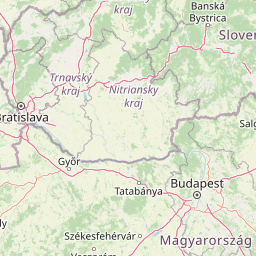
Although the Hundsheimer Berge are primarily valued for their natural characteristics, they also carry strong regional identity. The hills mark the eastern edge of the Lower Austrian hill country near the Slovak border, and their distinctive silhouette above the Danube lowlands has long shaped local perception of the landscape around Hainburg an der Donau. The reserve's ownership by WWF Austria, alongside the municipality of Hundsheim, reflects a tradition of closely localized stewardship of these dry hills.
The University of Vienna uses the reserve regularly for field excursions, embedding it into the academic and educational landscape of the region. Recognition by the Council of Europe as a Biogenetic Reserve has also given the Hundsheimer Berge a transnational cultural significance, positioning them as part of a shared European heritage of representative natural landscapes.
Top sights and standout views in Hundsheimer Berg Nature Reserve
The reserve's standout features include its position as the westernmost Carpathian outlier in Austria, its unusually rich mosaic of dry steppe-like habitats on calcareous slopes, and its exceptionally diverse Lepidoptera fauna.
Equally distinctive are its pannonian oak forests, juniper heaths, and undisturbed karst caves within an otherwise cultivated lowland, and its layered conservation recognition: a national nature reserve since 1965, a Council of Europe Biogenetic Reserve since 1989, and a Natura 2000 site under the EU Habitats Directive.
Best time to visit Hundsheimer Berg Nature Reserve
Spring and early summer are the most rewarding seasons for visiting the Hundsheimer Berg. From late April into June, the dry grasslands and rock steppes come alive with wildflowers typical of pannonian drylands, including wild orchids, feathergrasses, and a variety of steppe forbs, while cooler temperatures favor active reptiles and insects.
Late spring is also the main season for observing the reserve's exceptional butterfly and moth diversity, particularly across the warmer, sheltered slopes. Autumn brings quieter conditions and sharp visibility across the slopes contrasting with the flat agricultural surroundings, while winter visits can still be rewarding for landscape structure, karst features, and the broad views across the Danube lowlands, though vegetation is largely dormant.