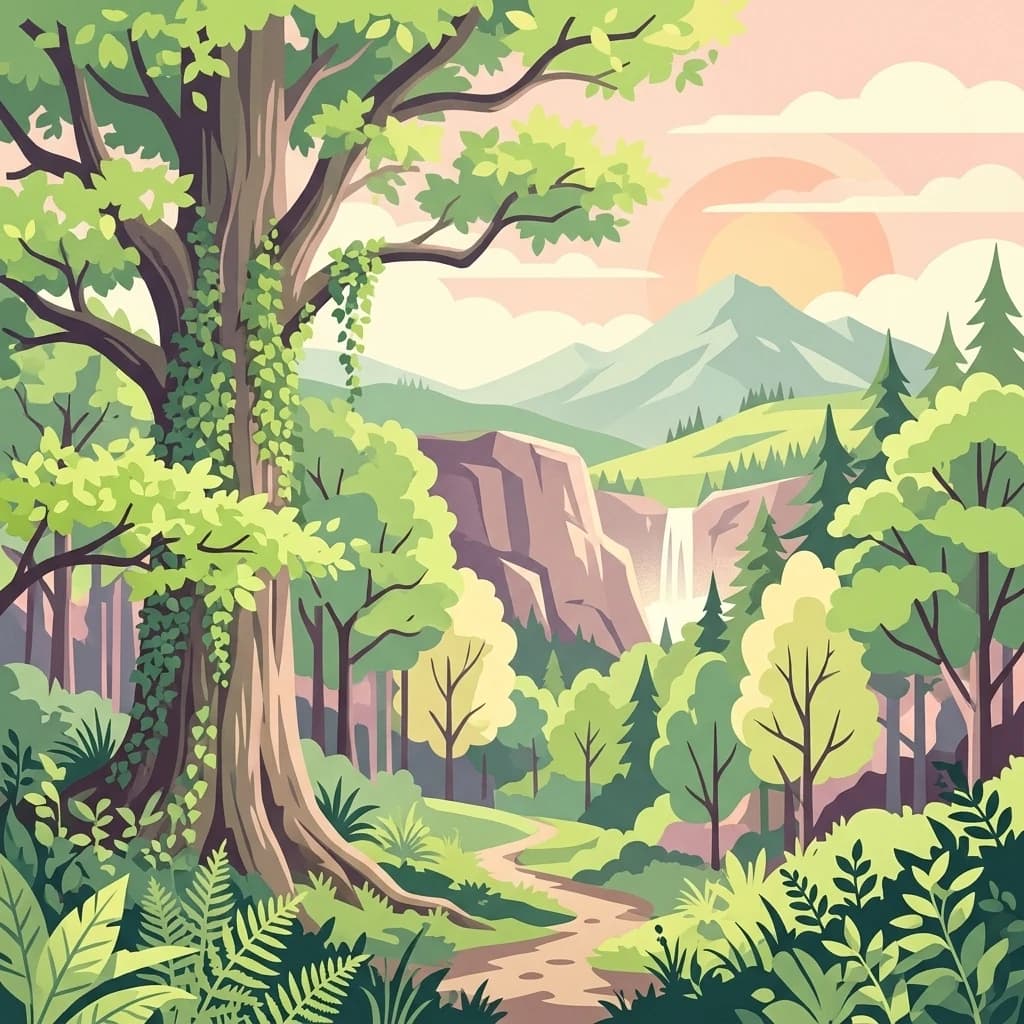
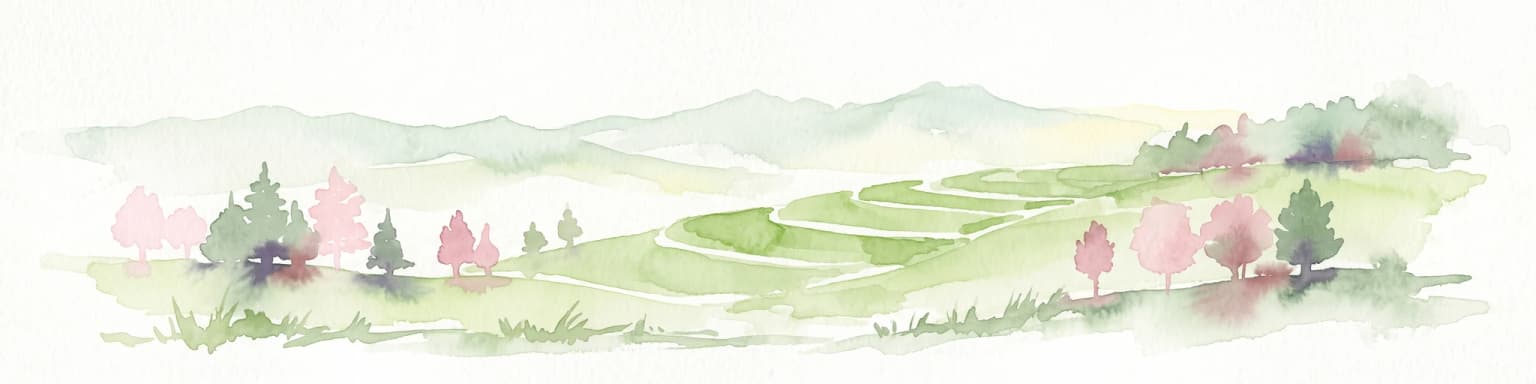
A forested plateau and valley landscape in northern Baden-Württemberg protecting beech woodlands and species-rich dry habitats.
Jagsttal bei Schöntal und Klosterwald
Jagsttal bei Schöntal und Klosterwald is a European protected area in the German state of Baden-Württemberg, lying across the Hohenlohekreis and the Landkreis Heilbronn. It is designated as a Fauna-Flora-Habitat (FFH) site under the European Union's Habitats Directive and forms part of the broader Natura 2000 network of protected areas. The site stretches across a high plateau situated between the Jagst and Kocher rivers, two significant tributaries of the Neckar in the southern German low mountain ranges.
The protected landscape is shaped by extensive beech forests covering the plateau, while steep, mostly wooded ravines known locally as Klingen cut down toward the Jagst and Kocher valleys. On the warmer south-facing valley slopes, the site contains a mosaic of extensive grassland, traditional orchard meadows, abandoned vineyard terraces, juniper heath, hedges, and woodland patches. This combination of forest, valley, and semi-open cultural landscape gives the area a strong ecological character typical of the Jagst-Kocher plateau region.
The area is recognized for its habitat diversity, including nutrient-rich and calcareous forest types, dry grassland communities, juniper heaths, freshwater streams, tufa springs, and cave systems. Its designation reflects the value of connecting forest ecosystems of the plateau with the open, sun-exposed slope habitats along the Jagst and Kocher river valleys.