An ancient dune-and-heide landscape in the upper Senne, protecting spring-fed valleys and rare inland heath habitats.
Moosheide Nature Reserve
Moosheide is a cross-district nature reserve in the German state of North Rhine-Westphalia, covering roughly 442 hectares on the western edge of the Senne region. Although it is not a national park, it is a formally designated Naturschutzgebiet (strict nature reserve) administered under IUCN Category IV as a Habitat/Species Management Area. Most of the protected area lies in the municipality of Hövelhof in the district of Paderborn, with a smaller portion extending into Schloß Holte-Stukenbrock in the district of Gütersloh.
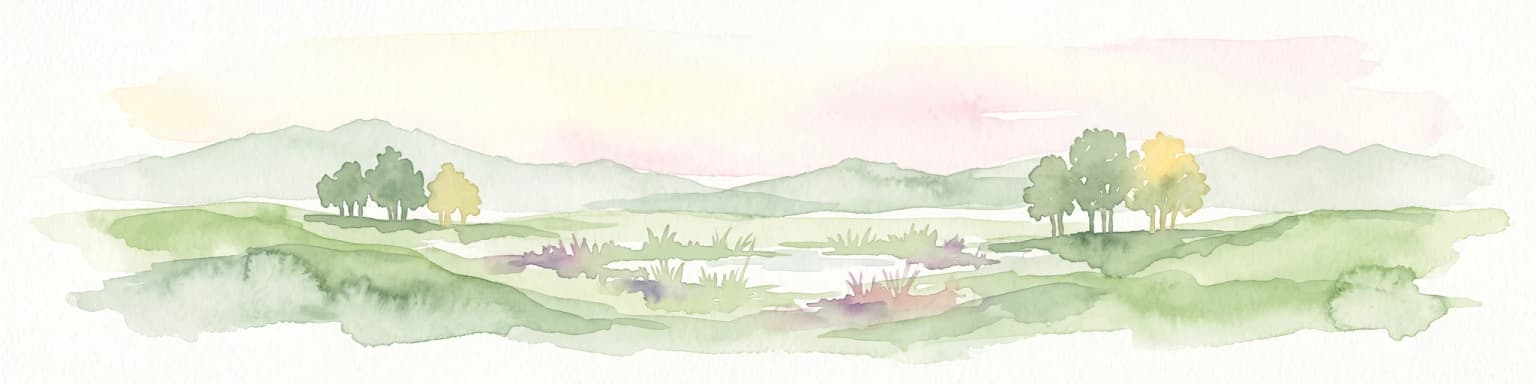
The reserve is notable for the contrast it preserves within a relatively compact area: ancient inland sand dunes, open heathland, dry sandy grasslands, light pine woodland, juniper stands, and humid spring-fed stream valleys with wet meadows. Geologically, Moosheide is home to some of the oldest sand dunes in northwestern Germany, formed at the close of the last ice age.
Ecologically, the combination of dry dune habitats, seminatural heath, and groundwater-dependent valley systems gives Moosheide an unusually rich mix of species. It supports breeding and migratory birds, reptiles such as sand lizards, and amphibians including natterjack toads, while also serving as a refuge for characteristic heide plants that have largely disappeared from the wider agricultural landscape.