

Mori Atlas logo
National parkMount Frankland South National Park

Discover the geographic boundaries and natural terrain of this national park.

Mount Frankland South National Park: Mapped Protected Landscape in Western Australia

Mount Frankland South National Park represents a significant protected landscape within the vast geographic expanse of Western Australia. As a designated national park, it offers detailed mapping of its protected area boundaries and natural terrain, providing essential context for understanding regional geography. This page serves as a focused entry point for exploring the unique landscape characteristics and atlas significance of Mount Frankland South National Park, highlighting its role as a key natural reserve in Australia.

National ParkKarri ForestJarrah ForestWilderness AreaOld-Growth ForestSouth West Western Australia

Mount Frankland South National Park

National park

Park overview

Structured park overview, official facts, and landscape profile for Mount Frankland South National Park

Mount Frankland South National Park park facts, protected area profile, and essential visitor context
Review the core facts for Mount Frankland South National Park, including designation, size, terrain, visitor scale, habitats, and operating context in one park-focused overview.

About Mount Frankland South National Park

Mount Frankland South National Park occupies a substantial area of forested terrain in the southern part of Western Australia, straddling the boundary between the South West and Great Southern administrative regions. The park was established in 2004 as part of a coordinated effort to create a comprehensive wilderness protection zone in this botanically rich corner of the state. At over 420 square kilometres, it represents one of the larger protected areas in the Walpole region and serves as a crucial habitat corridor linking several adjacent national parks. The park's inclusion within the Walpole Wilderness Area places it within a network of protected lands that represent some of the most intact and ecologically significant forest ecosystems remaining in temperate Australia. The surrounding landscape includes Mount Frankland National Park to the north and northeast, Mount Roe National Park to the east, D'Entrecasteaux National Park to the west, and Walpole-Nornalup National Park to the south, creating a nearly continuous belt of protected forest extending across the region.

Quick facts and research context for Mount Frankland South National Park

Located in the South West and Great Southern regions of Western Australia, Mount Frankland South National Park covers 422.99 square kilometres. The park was designated in 2004 alongside the broader Walpole Wilderness Area initiative, representing a significant expansion of protected lands in the state's southern forests. It lies within the Warren biogeographic region, characterised by tall karri and jarrah eucalypt forests and diverse shrubland communities. The park is administered by the Parks and Wildlife Service of the Department of Biodiversity, Conservation and Attractions.

Park context

Deeper park guide and search-rich context for Mount Frankland South National Park

Mount Frankland South National Park history, landscape, wildlife, and travel context
Explore Mount Frankland South National Park through its history, landscape character, ecosystems, wildlife, conservation priorities, cultural context, and seasonal travel timing in a structured park guide built for atlas discovery and search intent.

Why Mount Frankland South National Park stands out

Mount Frankland South National Park is best known for its extensive tracts of karri and jarrah forest, representing some of the tallest and most iconic tree species in Australia. The park forms an integral part of the Walpole Wilderness Area, a collection of national parks and reserves that protect one of the last remaining large areas of old-growth forest in southwestern Australia. The combination of towering karri trees, diverse understory vegetation, and the park's inclusion in a formal wilderness area designation makes it particularly significant for both conservation and the preservation of Western Australia's forest heritage.

Mount Frankland South National Park history and protected-area timeline

Mount Frankland South National Park was established in 2004 alongside the creation of the broader Walpole Wilderness Area. This designation represented the culmination of years of advocacy by conservation groups and naturalists who recognised the exceptional ecological value of the remaining old-growth forests in southwestern Western Australia. The establishment of the wilderness area brought together several previously separate protected areas into a coordinated conservation framework, expanding protection for the region's unique forest ecosystems. The park is named after Mount Frankland, a prominent peak in the region that serves as a navigational landmark and gives the protected area its geographical identity. The naming reflects the tradition of using distinctive natural features to identify and describe protected areas in Western Australia.

Mount Frankland South National Park landscape and geographic character

The landscape of Mount Frankland South National Park is dominated by the characteristic forests of the Warren bioregion, where towering karri trees form a remarkable canopy over diverse understory vegetation. Karri trees, among the tallest flowering plants in Australia, create a cathedral-like environment when mature, with straight trunks reaching towards the sky and a diverse mix of shrubs, herbs, and grasses covering the forest floor. The terrain varies across the park, with gentle slopes and valleys giving definition to the landscape. The forest composition transitions between areas dominated by karri and those where jarrah becomes more prevalent, reflecting variations in soil, moisture, and aspect across the terrain.

Mount Frankland South National Park ecosystems, habitats, and plant life

The park lies within the Warren biogeographic region, a classification that reflects the distinctive ecological character of southwestern Australia's tall eucalyptus forests. This region supports one of the most biodiverse plant communities in Australia, with hundreds of species of native plants occurring in relatively small areas. The jarrah-karri forest and shrublands that define the park represent a complex ecosystem where different forest types occur in response to local environmental conditions. The understory contains a rich diversity of shrubs, grasses, and flowering plants, many of which are endemic to the region and occur nowhere else on Earth. The forest structure provides habitat for numerous species and plays a critical role in maintaining ecological processes including water cycles, nutrient dynamics, and carbon storage.

Mount Frankland South National Park wildlife and species highlights

The forests of Mount Frankland South National Park provide habitat for a diverse range of native wildlife species adapted to the tall eucalyptus woodlands of southwestern Australia. Birdlife in the region includes numerous species associated with old-growth forest, including cockatoos, parrots, and honeyeaters that utilise the tree hollows, flowering resources, and protective canopy. Mammals including several species of marsupials inhabit the forest floor and arboreal zones, while reptiles and amphibians occupy niches throughout the diverse habitat structure. The continuity of forest habitat within the park and its connection to surrounding protected areas supports populations of species that require large territories or specific habitat conditions.

Mount Frankland South National Park conservation status and protection priorities

The designation of Mount Frankland South National Park as part of the Walpole Wilderness Area reflects the exceptional conservation significance of the region's forest ecosystems. The park protects some of the last remaining tracts of old-growth karri and jarrah forest in southwestern Australia, ecosystems that have been substantially reduced by logging and land clearing over the past century and a half. The inclusion within a formal wilderness area provides added regulatory recognition of the landscape's natural values and helps ensure that these forests remain intact for future generations. The park contributes to a connected network of protected areas that allows wildlife to move across the landscape and maintains ecological processes that depend on large, relatively unmodified habitat areas.

Mount Frankland South National Park cultural meaning and human context

The Mount Frankland region has been part of the traditional Country of Indigenous peoples for thousands of years, though detailed historical documentation of cultural connections to the specific area now within the park is limited in the available sources. The forest landscapes of southwestern Australia contain evidence of long Aboriginal association with the land, including cultural burning practices that shaped vegetation patterns over millennia. The contemporary protection of this landscape through national park status represents a transition from historical land use patterns that included timber harvesting and grazing to a model that prioritises ecological preservation.

Top sights and standout views in Mount Frankland South National Park

Mount Frankland South National Park's defining features include its extensive old-growth karri and jarrah forests, its role within the Walpole Wilderness Area, and its connectivity to a network of adjacent protected areas. The park protects some of the tallest trees in Australia and represents a significant conservation reserve for southwestern Australia's distinctive forest ecosystems. The wilderness area designation underscores the region's importance as one of the last large areas of intact temperate forest in the country.

Best time to visit Mount Frankland South National Park

The park can be visited throughout the year, though the changing seasons offer different experiences. The warmer months from November to March bring longer days and the opportunity to experience the forest in full growth, while the cooler winter months (June to August) may offer more dramatic atmospheric conditions. The spring months typically bring flowering of many understory plants, adding colour to the forest environment.
Park location guide

Geography guide, regional context, and park location map for Mount Frankland South National Park

Mount Frankland South National Park park geography, regions, and map view in Australia
Understand where Mount Frankland South National Park sits in Australia through a broader geographic reading of the surrounding landscape, nearby location context, and its mapped position within the national park landscape.

How Mount Frankland South National Park fits into Australia

Australia is a constitutional monarchy and federal parliamentary democracy comprising six states and ten territories. With a population of nearly 28 million, it is one of the world's most urbanised countries, with most people concentrated on the eastern seaboard. The country has a high Human Development Index and is known for its cultural diversity, ancient Aboriginal heritage, and unique wildlife.

Wider geography shaping Mount Frankland South National Park in Australia

Australia occupies the entire Australian continent, the island of Tasmania, and numerous smaller islands. It is the world's flattest and driest inhabited continent, featuring vast deserts in the interior (the Outback), tropical rainforests along the eastern coast, and a coastline bordering the Indian and Pacific Oceans.

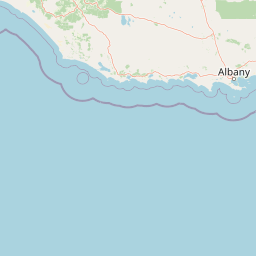
Map view of Mount Frankland South National Park

Use this park location map to pinpoint Mount Frankland South National Park in Australia, understand its exact geographic position, and read its mapped placement within the surrounding landscape more clearly.

Pigeon | © OpenStreetMap contributors

Location context for Mount Frankland South National Park

Western Australia
Park atlas

Trace the mapped geography of contiguous protected forest landscapes across the Warren bioregion

Discover Other National Parks and Protected Areas Surrounding Mount Frankland South National Park
Explore national parks and protected areas adjacent to Mount Frankland South National Park, encompassing the expansive Walpole Wilderness Area. Compare diverse karri and jarrah forest ecosystems, understanding their regional geography and contiguous protected landscapes across Western Australia.
National parkWestern Australia

Mount Frankland National Park: Explore Western Australia's Old-Growth Forested Landscape

Granite peaks and unique regional geography within a protected wilderness area.

Mount Frankland National Park in Western Australia is a protected area renowned for its exceptional old-growth karri and red tingle forests, some of the world's tallest tree species. The park's landscape is shaped by low granite hills and dramatic peaks, including the 411-meter Mount Frankland, offering expansive views across the wilderness. As a key component of the Walpole Wilderness Area, this national park provides a rich geographical context for understanding conservation and mapped natural landscapes in Southwest Australia.

Area
373.59 km²
Established
1988
IUCN
II
Relief
Upland
National parkWestern Australia

Walpole-Nornalup National Park: Explore Protected Landscape and Regional Geography

Mapped boundaries and natural terrain context in Western Australia.

Walpole-Nornalup National Park offers a focused lens for understanding protected landscapes. As a designated national park in Western Australia, it provides valuable insights into regional geography and mapped natural terrain. This detailed view allows for a clear appreciation of the park's specific protected area characteristics and its place within the larger geographic atlas of the state.

Area
194.48 km²
Established
1910
IUCN
II
Visitors
158.2K annual
National park

Mount Frankland North National Park: Protected Jarrah Forest Landscape Exploration

Explore mapped boundaries and regional geography of this Western Australian national park.

Mount Frankland North National Park offers an immersive exploration of one of Western Australia's most significant Jarrah forest ecosystems. As a protected national park and integral part of the Walpole Wilderness Area, it showcases the unique character of the Southwest Australia woodlands. The park's landscape is defined by its tall Jarrah trees and undulating terrain, providing critical habitat and representing a vital conservation effort in a globally recognized biodiversity hotspot. Discover its geographic spread and protected land identity.

Area
220.69 km²
Established
2004
IUCN
II
Relief
Mountain
National parkGreat Southern

Mount Roe National Park: Detailed Protected Landscape and Geographic Exploration

Mapped boundaries and natural terrain of this national park.

Mount Roe National Park offers a distinct protected landscape for atlas exploration, situated within the geographic scope of the Great Southern region. This detail page provides a structured view of the park's mapped boundaries and its natural terrain. Understand how Mount Roe National Park contributes to the regional geography and the overall map of protected areas in Australia.

Area
1,278 km²
Established
2004
IUCN
II
Scope
Terrestrial
National parkWestern Australia

Shannon National Park: A Protected Landscape in Western Australia's Geography

Discover the mapped boundaries and regional park context.

Shannon National Park represents a key protected area within the vast geographic expanse of Western Australia. This entry focuses on understanding its identity as a national park, highlighting its specific landscape character and its contribution to the regional atlas. Through detailed mapping and geographic context, users can explore the protected boundaries and natural setting of Shannon National Park.

Area
525.98 km²
Established
1988
IUCN
II
Relief
Mixed relief
National park

Boorara-Gardner National Park: Mapped Old Growth Forest and Protected Landscape

Western Australia's protected area and regional geography.

Boorara-Gardner National Park is a vital national park in Western Australia, recognized for its stands of old-growth forest and its stunning spring wildflower displays. Delve into the park's specific geographic features, mapped terrain, and its identity as a key protected area within the South West region. Understand its place in the contiguous network of conservation lands through detailed atlas-style exploration.

Area
110.08 km²
Established
2004
Relief
Mixed relief
Climate
Mediterranean
National park

Jane National Park: Western Australia's Protected Old-Growth Forest Landscape

Mapped forest ecosystems in the South West bioregion.

Jane National Park represents a key protected landscape in the South West of Western Australia, recognized for its significant old-growth forest ecosystems. This Class A reserve preserves mature stands of karri and jarrah trees, offering a glimpse into the region's undisturbed natural heritage. Its landscape is characterized by dense, ancient forests dominating gentle terrain, making it an important site for understanding the conservation value of this bioregion and exploring its mapped natural context.

Area
68.63 km²
Established
2004
IUCN
II
Scope
Terrestrial
National parkShire of Manjimup

Boyndaminup National Park: Explore Protected Area Boundaries and Geographic Setting

An Australian national park with distinct mapped landscapes.

Boyndaminup National Park is a key protected area providing rich opportunities for geographic discovery. This atlas-focused entry details its mapped boundaries and situates it within the broader landscape context of the Shire of Manjimup. Understand the park's identity as a national park and its role in Australia's conservation network, offering specific insights for map-based exploration and regional geography.

Area
54.43 km²
Established
2004
IUCN
II
Scope
Terrestrial

Common questions about visiting, size, designation, and location context for Mount Frankland South National Park

Mount Frankland South National Park FAQs for park facts, access, geography, and protected area context
Find quick answers about Mount Frankland South National Park, including protected-area facts, park geography, trail and visitor context, and how the park fits into its surrounding country and regional landscape.
MoriAtlas Explorer

Continue Your Protected Areas Search Across the Global Atlas

Deepen your exploration by continuing the structured search for national parks and protected areas worldwide. Utilize the comprehensive filtering capabilities to compare different conservation landscapes and refine your understanding of global park geography. Discover more about the distribution and characteristics of protected natural areas.

Global natural geography