

Mori Atlas logo
National parkBoyndaminup National Park

Discover the atlas view and protected land boundaries of this Australian national park.

Boyndaminup National Park: Mapped Protected Landscape and Geographic Context in Shire of Manjimup

Boyndaminup National Park stands as a distinct protected area within the Shire of Manjimup, offering a focal point for understanding Australia's natural landscapes through structured geographic data. This page provides an atlas-oriented perspective, detailing the park's mapped boundaries and its place within the regional terrain. Explore the essence of Boyndaminup National Park as a designated national park, emphasizing its contribution to conservation landscapes and the broader geographical context of Western Australia.

National ParkWestern AustraliaOld-Growth ForestJarrah ForestKarri ForestSouth West Australia

Boyndaminup National Park

National park

Park overview

Structured park overview, official facts, and landscape profile for Boyndaminup National Park

Boyndaminup National Park park facts, protected area profile, and essential visitor context
Review the core facts for Boyndaminup National Park, including designation, size, terrain, visitor scale, habitats, and operating context in one park-focused overview.

About Boyndaminup National Park

Boyndaminup National Park is a relatively young protected area that was created as part of a strategic expansion of forest conservation in Western Australia. The park occupies a position west of Lake Muir within the South West botanical province, an area renowned for its exceptional plant diversity and unique ancient landscape. The park's establishment marked an important milestone in the state's approach to forest conservation, moving to protect old-growth forest communities that had previously been managed primarily for timber production. The two separate parcels that comprise the park are surrounded largely by state forest land, creating a contiguous conservation landscape when combined with adjacent Shannon National Park and other reserves within the Walpole Wilderness Area.

Quick facts and research context for Boyndaminup National Park

Boyndaminup National Park is situated in the South West of Western Australia, approximately 340 kilometres south-southeast of Perth. The park covers 54.43 square kilometres and was formally designated as a national park in 2004 through legislation that reclassified state forest lands. It is managed by the Parks and Wildlife Service within the Department of Biodiversity, Conservation and Attractions. The park lies adjacent to Lake Muir, a significant wetland system in the region, and forms part of a network of protected areas that make up the Walpole Wilderness Area.

Park context

Deeper park guide and search-rich context for Boyndaminup National Park

Boyndaminup National Park history, landscape, wildlife, and travel context
Explore Boyndaminup National Park through its history, landscape character, ecosystems, wildlife, conservation priorities, cultural context, and seasonal travel timing in a structured park guide built for atlas discovery and search intent.

Why Boyndaminup National Park stands out

Boyndaminup National Park is best known for its protection of old-growth forest ecosystems spanning two distinct biogeographic regions. The northern portions of the park contain representative areas of the Jarrah Forest bioregion, while the southern sections encompass portions of the Warren bioregion, characterized by karri and tingle forests. These old-growth forests represent some of the most ecologically significant woodland and forest communities in Australia's Southwest Australia biodiversity hotspot, a region recognized globally for its high level of endemism and unique floral assemblages.

Boyndaminup National Park history and protected-area timeline

Boyndaminup National Park was established in 2004 through the Reserves (National Parks, Conservation Parks, and Nature Reserves) Bill 2004, which redesignated former state forest lands to national park status. The park was proposed as part of Western Australia's Forest Management Plan 2004-2013, which outlined a strategy for improving the protection of old-growth forests across the state's southwest. Prior to national park designation, the land had been managed as state forest, primarily for timber production. The creation of the park coincided with the designation of the broader Walpole Wilderness Area, which encompasses multiple national parks and reserves to the south and east, creating a significant protected landscape corridor.

Boyndaminup National Park landscape and geographic character

The park is characterized by forested terrain situated west of Lake Muir, with the landscape shaped by the underlying geology and climate of the South West region. The park consists of two distinct land parcels, with the smaller portion located to the southwest of the main area. The terrain is typical of the jarrah-karri forest belt, featuring undulating landscapes with mixtures of open woodland and taller forest. The park is mostly surrounded by state forest lands, with direct adjacency to Shannon National Park along its western boundary, creating ecological connectivity with a larger protected area complex.

Boyndaminup National Park ecosystems, habitats, and plant life

The park straddles the boundary between two important bioregions of Southwest Australia. The northern portions fall within the Jarrah Forest bioregion, also referred to as the Southwest Australia woodlands, characterized by open forest dominated by jarrah with an understorey of diverse shrubs and herbaceous species. The southern areas belong to the Warren bioregion, known as the Jarrah-Karri forest and shrublands, where taller karri trees form the canopy. The park contains areas of old-growth forest, representing mature stands that have never been significantly disturbed by logging or other industrial activities. These old-growth communities provide critical habitat for numerous species and represent important ecological reference areas for understanding the region's natural heritage.

Boyndaminup National Park wildlife and species highlights

While the source material does not provide detailed species inventories, the park's position within the Jarrah Forest and Warren bioregions suggests it supports characteristic fauna of the Southwest Australia woodlands and forests. The old-growth forest habitats are known to provide shelter and foraging resources for a range of native species, including marsupials, birds, and invertebrates adapted to mature forest environments. The proximity to Lake Muir, a significant wetland, also suggests the park contributes to a broader ecological landscape that supports waterbird populations and aquatic species.

Boyndaminup National Park conservation status and protection priorities

Boyndaminup National Park was created specifically to address gaps in the protection of old-growth forest communities within Western Australia's Southwest Australia biodiversity hotspot. The park forms part of the Walpole Wilderness Area, a coordinated conservation landscape that brings together multiple protected areas to provide more effective conservation outcomes than isolated reserves could achieve alone. The creation of this park represented a shift in forest management philosophy, moving from production-focused use toward formal protection of ecologically significant forest types. Old-growth forests are particularly important for biodiversity conservation as they provide complex habitats, dead wood resources, and microclimatic conditions that support species not found in younger regrowth forests.

Boyndaminup National Park cultural meaning and human context

The park is situated within the traditional Country of the Noongar people, the Indigenous inhabitants of the South West region of Western Australia. While the source material does not detail specific cultural heritage sites or traditional use information, the broader South West region contains significant Indigenous cultural values associated with forested landscapes, waterways, and traditional food resources. The Noongar people have deep connections to the landscapes of what is now referred to as the South West of Western Australia, and many protected areas in the region are increasingly recognizing and incorporating Indigenous knowledge and cultural values into management approaches.

Top sights and standout views in Boyndaminup National Park

The park's primary highlight is its protection of old-growth jarrah and karri forests within a coordinated wilderness area network. The combination of two bioregions within a single protected area provides representation of diverse forest types and associated biodiversity. The park's adjacency to Shannon National Park and its position within the Walpole Wilderness Area creates opportunities for visitors to experience a larger contiguous natural landscape. The proximity to Lake Muir adds a wetland dimension to the park's conservation values.

Best time to visit Boyndaminup National Park

The South West of Western Australia experiences a Mediterranean climate with cool, wet winters and warm, dry summers. The optimal time to visit Boyndaminup National Park is during the cooler months from April to October when rainfall refreshes the landscape and forests appear lush. Spring months (September to November) bring wildflower displays across the forest understorey, offering particularly scenic conditions. Summer months can be warm and dry, with increased fire risk potentially affecting access. The park can be visited year-round, though summer conditions may limit some outdoor activities.
Park location guide

Geography guide, regional context, and park location map for Boyndaminup National Park

Boyndaminup National Park park geography, regions, and map view in Australia
Understand where Boyndaminup National Park sits in Australia through a broader geographic reading of the surrounding landscape, nearby location context, and its mapped position within the national park landscape.

How Boyndaminup National Park fits into Australia

Australia is a constitutional monarchy and federal parliamentary democracy comprising six states and ten territories. With a population of nearly 28 million, it is one of the world's most urbanised countries, with most people concentrated on the eastern seaboard. The country has a high Human Development Index and is known for its cultural diversity, ancient Aboriginal heritage, and unique wildlife.

Wider geography shaping Boyndaminup National Park in Australia

Australia occupies the entire Australian continent, the island of Tasmania, and numerous smaller islands. It is the world's flattest and driest inhabited continent, featuring vast deserts in the interior (the Outback), tropical rainforests along the eastern coast, and a coastline bordering the Indian and Pacific Oceans.

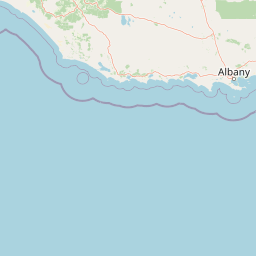
Map view of Boyndaminup National Park

Use this park location map to pinpoint Boyndaminup National Park in Australia, understand its exact geographic position, and read its mapped placement within the surrounding landscape more clearly.

Pigeon | © OpenStreetMap contributors

Location context for Boyndaminup National Park

Shire of ManjimupWestern Australia
Park atlas

Explore the diverse old-growth forests and adjacent protected areas surrounding Boyndaminup National Park.

Discover Other National Parks Near Boyndaminup National Park, Western Australia
Continue your atlas exploration beyond Boyndaminup National Park to compare adjacent protected areas and the broader forested landscapes of Western Australia. Trace the regional spread of old-growth jarrah and karri forests, understanding the ecological connectivity within the Walpole Wilderness Area.
National parkWestern Australia

Lake Muir National Park: A Ramsar-Listed Wetland National Park in Western Australia

Explore mapped boundaries and the unique paperbark woodland landscapes.

Lake Muir National Park protects a significant portion of the Muir-Byenup System, a Ramsar-designated wetland complex in Western Australia's south-west. This national park serves as a vital habitat for waterbirds and features characteristic paperbark woodlands surrounding the large inland Lake Muir. Understanding its protected area status and mapped geographic features provides crucial insight into the region's ecological importance.

Area
96.36 km²
Established
2004
IUCN
II
Access
Access unknown
National park

Mount Frankland North National Park: Protected Jarrah Forest Landscape Exploration

Explore mapped boundaries and regional geography of this Western Australian national park.

Mount Frankland North National Park offers an immersive exploration of one of Western Australia's most significant Jarrah forest ecosystems. As a protected national park and integral part of the Walpole Wilderness Area, it showcases the unique character of the Southwest Australia woodlands. The park's landscape is defined by its tall Jarrah trees and undulating terrain, providing critical habitat and representing a vital conservation effort in a globally recognized biodiversity hotspot. Discover its geographic spread and protected land identity.

Area
220.69 km²
Established
2004
IUCN
II
Relief
Mountain
National parkWestern Australia

Shannon National Park: A Protected Landscape in Western Australia's Geography

Discover the mapped boundaries and regional park context.

Shannon National Park represents a key protected area within the vast geographic expanse of Western Australia. This entry focuses on understanding its identity as a national park, highlighting its specific landscape character and its contribution to the regional atlas. Through detailed mapping and geographic context, users can explore the protected boundaries and natural setting of Shannon National Park.

Area
525.98 km²
Established
1988
IUCN
II
Relief
Mixed relief
National parkWestern Australia

Sir James Mitchell National Park: National Park, Western Australia - Geographic Atlas View

Mapped protected area with regional landscape context.

Gain a structured understanding of Sir James Mitchell National Park as a key protected landscape within Western Australia. This atlas entry focuses on the park's geographic extent, its status as a national park, and its position within the diverse regional geography of Western Australia, offering clear insights for map-based exploration and conservation landscape analysis.

Area
2.47 km²
Established
1969
IUCN
II
Access
Access unknown
National park

Jane National Park: Western Australia's Protected Old-Growth Forest Landscape

Mapped forest ecosystems in the South West bioregion.

Jane National Park represents a key protected landscape in the South West of Western Australia, recognized for its significant old-growth forest ecosystems. This Class A reserve preserves mature stands of karri and jarrah trees, offering a glimpse into the region's undisturbed natural heritage. Its landscape is characterized by dense, ancient forests dominating gentle terrain, making it an important site for understanding the conservation value of this bioregion and exploring its mapped natural context.

Area
68.63 km²
Established
2004
IUCN
II
Scope
Terrestrial
National parkWestern Australia

Mount Frankland National Park: Explore Western Australia's Old-Growth Forested Landscape

Granite peaks and unique regional geography within a protected wilderness area.

Mount Frankland National Park in Western Australia is a protected area renowned for its exceptional old-growth karri and red tingle forests, some of the world's tallest tree species. The park's landscape is shaped by low granite hills and dramatic peaks, including the 411-meter Mount Frankland, offering expansive views across the wilderness. As a key component of the Walpole Wilderness Area, this national park provides a rich geographical context for understanding conservation and mapped natural landscapes in Southwest Australia.

Area
373.59 km²
Established
1988
IUCN
II
Relief
Upland
National park

Boorara-Gardner National Park: Mapped Old Growth Forest and Protected Landscape

Western Australia's protected area and regional geography.

Boorara-Gardner National Park is a vital national park in Western Australia, recognized for its stands of old-growth forest and its stunning spring wildflower displays. Delve into the park's specific geographic features, mapped terrain, and its identity as a key protected area within the South West region. Understand its place in the contiguous network of conservation lands through detailed atlas-style exploration.

Area
110.08 km²
Established
2004
Relief
Mixed relief
Climate
Mediterranean
National parkWestern Australia

Mount Frankland South National Park: Western Australia's Protected Natural Landscape

Explore its mapped boundaries and regional geographic context.

Mount Frankland South National Park is a critical protected area defined by its unique natural landscape and mapped boundaries within Western Australia. This entry provides detailed insights into its geographic setting and the protected land it encompasses, offering a focused view for atlas exploration. Understand the park's significance as a protected natural reserve and its contribution to the regional geography of Western Australia, with a clear emphasis on mapped terrain and conservation landscapes.

Area
422.99 km²
Established
2004
IUCN
II
Relief
Mixed relief

Common questions about visiting, size, designation, and location context for Boyndaminup National Park

Boyndaminup National Park FAQs for park facts, access, geography, and protected area context
Find quick answers about Boyndaminup National Park, including protected-area facts, park geography, trail and visitor context, and how the park fits into its surrounding country and regional landscape.
MoriAtlas Explorer

Continue Your Protected Areas Search Across the Global Atlas

Deepen your exploration by continuing the structured search for national parks and protected areas worldwide. Utilize the comprehensive filtering capabilities to compare different conservation landscapes and refine your understanding of global park geography. Discover more about the distribution and characteristics of protected natural areas.

Global natural geography