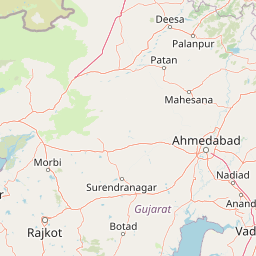
Why Nal Sarovar Bird Sanctuary stands out
Nal Sarovar is best known for hosting a massive seasonal congregation of migratory waterfowl on a large shallow lake. Flamingos, pelicans, herons, and brahminy ducks arrive in their thousands each winter, drawing visitors at sunrise to see the calm waters alive with feeding birds. The sanctuary's combination of open freshwater habitat, accessible boat routes, and consistent winter arrivals has made it a flagship birding destination in western India.
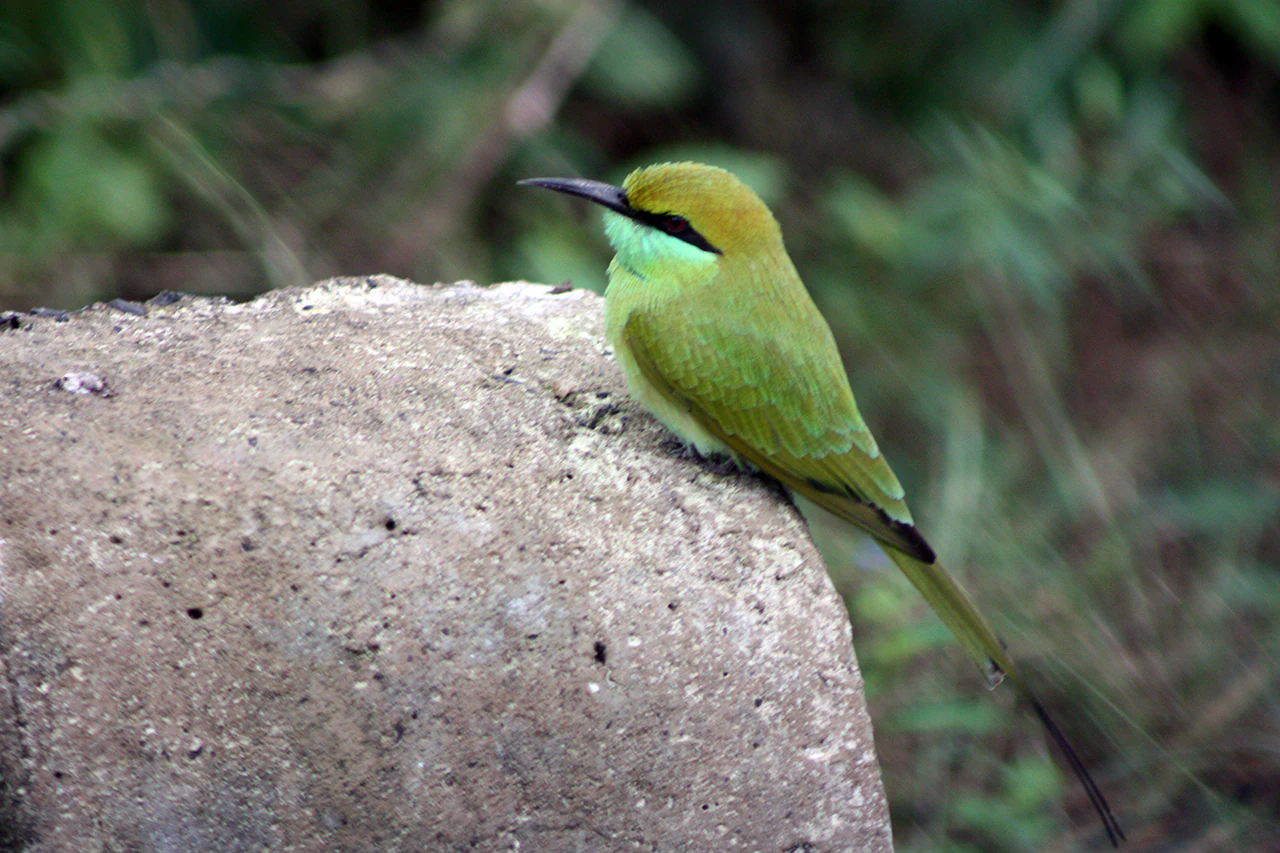
Nal Sarovar Bird Sanctuary history and protected-area timeline
The wetland has long been a seasonal gathering point for birds and a working landscape for the communities of the surrounding Gujarat plains, but its modern identity as a protected bird sanctuary began in April 1969, when the area was formally declared a bird sanctuary. That designation placed the lake and its marshes under conservation management focused on habitat and species protection, an approach later aligned with the IUCN Category IV (habitat/species management area) framework.
Over the following decades the sanctuary grew in both ecological and administrative importance. Bird lists expanded past 250 recorded species, with a substantial portion being waterbirds and a notable subgroup of migratory species visiting each winter. An on-site interpretation center, Abhiruchi Kendra, was developed at a cost of about Rs. 42 lakhs, including kiosks explaining migratory routes, bird origins, and the lake's underwater ecology, broadening public engagement beyond traditional birdwatching.
In 2012, Nalsarovar was proposed as a Ramsar Convention site, a Wetland of International Importance, and on 24 September 2012 the designation was confirmed, with reference number 2078 applied to the site. This step cemented the sanctuary's reputation as not just a regional birding destination but a wetland of recognized global value, reinforcing its management as a long-term conservation priority.
Nal Sarovar Bird Sanctuary landscape and geographic character
Nal Sarovar is shaped by water and openness rather than elevation. Its central feature is a large, shallow freshwater lake, typically about four feet deep, whose broad surface reflects the wide Gujarat sky. Around the lake lies a mosaic of marshes, ponded fringes, and seasonally flooded flats that swell and retreat with the monsoon rhythm of the region.
The surrounding terrain is generally flat, characteristic of the alluvial plains of inland Gujarat, with no significant hills or dramatic relief. Instead, the landscape is defined by horizons, low reedbeds, and the shifting line where water meets marsh and dry land. This low-relief character concentrates birdlife on the edges of the lake, where shallow water and exposed mud create productive feeding grounds for waders and waterfowl.
The lake also contains islands used seasonally by migrating shepherds, while the banks host small communities whose presence contributes to the working, lived-in character of the wetland. Dawn on Nal Sarovar is one of the landscape's defining experiences: still water, distant silhouettes of herding boats, and the gradual awakening of the birdlife that defines the sanctuary.
Nal Sarovar Bird Sanctuary ecosystems, habitats, and plant life
The sanctuary's natural character is that of a large freshwater wetland set within a semi-arid regional climate, an ecological arrangement that makes it unusually productive for waterbird life. Its marshes and shallow lake function as a productive feeding, resting, and roosting habitat for both resident and migratory wetland species, and the seasonal expansion of water coverage after the monsoon drives an annual pulse of biological productivity.
Aquatic and semi-aquatic vegetation lines the lake's outer zones, supporting invertebrates and small fish that anchor the food web. Together with the open water itself, these habitats create layered niches for dabbling ducks, diving birds, wading species, and fish-eaters like pelicans and cormorants. Bird records from the sanctuary count more than 250 species of wetland birds, of which around 140 are waterbirds and roughly 70 are migratory, illustrating the scale of avian diversity that the habitat sustains.
Beyond the birds, the wetland supports fish populations and associated aquatic life that underpin the lake's productivity, as well as patches of terrestrial habitat around the fringes that harbor a few mammal species of conservation concern. This blend of aquatic, marsh, and dryland habitats gives Nal Sarovar an ecological identity that is shaped by the water's seasonal rhythm rather than by elevation or forest cover.
Nal Sarovar Bird Sanctuary wildlife and species highlights
Nal Sarovar's wildlife profile is dominated by birds, and especially by migratory waterfowl that fill the lake each winter and spring. After the monsoon, the sanctuary becomes a staging ground for tens of thousands of birds arriving along major flyways, and at peak season millions of individual birds may be present across the broader site.
Migratory highlights include rosy pelicans, both greater and lesser flamingos, white storks, brahminy ducks (ruddy shelducks), purple moorhens, and several species of bitterns, crakes, and grebes. Herons and egrets are well represented along the marshy edges, where shallow water concentrates their prey. Cormorants, cranes, and a wide variety of ducks and geese complete the waterbird assemblage. The interpretation center at the site specifically highlights around 25 to 30 species that visitors are most likely to encounter, emphasizing the core birding experience for casual observers.
Mammals are present in smaller numbers and tend to be associated with the drier margins around the lake. The Indian wild ass, an endangered species typically associated with the Rann of Kutch further north, and the black buck are among the notable mammals occasionally recorded in the surrounding landscape. Fish populations in the lake itself also form part of the wildlife story, supporting the pelicans and other fish-eating species that make up much of the sanctuary's winter spectacle.
Nal Sarovar Bird Sanctuary conservation status and protection priorities
Nal Sarovar's conservation significance runs along multiple layers of recognition. As an officially declared bird sanctuary since 1969, it has long-standing legal protection focused on the maintenance of wetland habitat and the species that depend on it. Its IUCN Category IV (habitat/species management area) status reflects a management approach centered on active stewardship of a specific habitat and its associated fauna.
The sanctuary's elevation to a Ramsar Wetland of International Importance on 24 September 2012 was a defining moment, placing it on a global list of wetlands recognized for their ecological, hydrological, and biodiversity value. This Ramsar designation underscores the lake's importance not only for birds but also as a hydrological and ecological asset within the larger landscape of inland Gujarat wetlands.
The presence of endangered mammals such as the Indian wild ass, together with over 250 recorded wetland bird species and a substantial migratory component, gives Nal Sarovar strong biodiversity value beyond any single flagship group. The on-site Abhiruchi Kendra interpretation center, reverse osmosis drinking water facility, and structured visitor pathways indicate an investment in habitat-aware public access, an approach that balances conservation objectives with the desire to share the wetland's value with broader audiences.
Nal Sarovar Bird Sanctuary cultural meaning and human context
Nal Sarovar is embedded in the working life of the communities of inland Gujarat. Migrating shepherds use the lake's islands as a seasonal home for their flocks, moving with their animals through the cooler, water-rich months. Their camps, their livestock, and their seasonal rhythms add a layer of pastoral life to the sanctuary's landscape.
The Padhar community, present along the banks of the lake, is associated with folk dance, traditional crafts, and boatmanship. These skills are directly woven into how the sanctuary is experienced: visitors typically hire country boats operated by local boatmen to reach the best birding areas, and the Padhars' presence is part of the cultural texture of a visit. This long-standing human relationship with the wetland is not incidental; it has shaped the practical, economic, and ceremonial life of the lake region for generations.
In this way, the sanctuary is not simply a sealed natural reserve but a place where ecology and regional identity overlap. The interplay between pastoral migration, folk traditions, and birdlife gives Nal Sarovar a cultural character that complements its ecological importance.
Top sights and standout views in Nal Sarovar Bird Sanctuary
Nal Sarovar's standout qualities are its scale, its seasonal density of birdlife, and its layered recognition. As both a long-standing bird sanctuary and a Ramsar Wetland of International Importance, it carries a formal conservation profile that few Indian wetlands match. The combination of over 250 recorded wetland bird species, more than 70 of which are migratory, and the presence of iconic flocks of flamingos, pelicans, and brahminy ducks makes it one of the most rewarding birdwatching destinations in western India.
Equally distinctive is the cultural overlay: migrating shepherds on the lake islands and the Padhar boatmen and artisans on the banks. The Abhiruchi Kendra interpretation center adds an educational anchor, while sunrise boat trips across calm water remain the signature experience of a visit, blending ecological spectacle, working landscape, and regional heritage into a single cohesive place.
Best time to visit Nal Sarovar Bird Sanctuary
Nal Sarovar is fundamentally a winter and early spring destination. The sanctuary comes alive between November and February, when northern migrants including pelicans, flamingos, white storks, and brahminy ducks arrive alongside resident species, producing the most impressive concentrations of waterfowl. Early mornings during this window are widely regarded as the most rewarding time to be on the lake, when the water is calm and birds are most active.
Outside this migratory peak, visits remain possible but lack the same density of waterfowl. The post-monsoon refill of the lake is a critical ecological reset, and it is the gradual build-up of bird numbers through late autumn that leads into the peak winter spectacle. Anyone timing a visit should think in terms of seasons, not calendar dates: arrival of winter migrants, stable cool weather, and continued shallow water conditions are the patterns that define the sanctuary's best viewing conditions.