

Mori Atlas logo
National parkPalo Verde National Park

Discover the mapped boundaries and regional geographic context of Palo Verde National Park.

Palo Verde National Park: Costa Rica National Park Map and Protected Landscape Geography

(Parque Nacional Palo Verde)

Palo Verde National Park represents a significant protected area within Costa Rica, offering a unique lens through which to explore mapped natural landscapes and regional geography. As a designated national park, its boundaries are integral to understanding conservation efforts and the distribution of protected lands across the country. This page provides detailed geographic context, focusing on the park's terrain, landscape features, and its place within the atlas of Costa Rican protected areas, supporting structured discovery for those interested in its mapped natural identity.

Tropical Dry ForestWetlandsBirdwatchingRamsar SiteMigratory BirdsRiver Floodplain

Palo Verde National Park

National park

Park overview

Structured park overview, official facts, and landscape profile for Palo Verde National Park

Palo Verde National Park park facts, protected area profile, and essential visitor context
Review the core facts for Palo Verde National Park, including designation, size, terrain, visitor scale, habitats, and operating context in one park-focused overview.

About Palo Verde National Park

Palo Verde National Park occupies a pivotal position in Costa Rica's protected area network as a guardian of the country's vanishing tropical dry forests. The Tempisque River flows through the park's heart, creating a complex mosaic of floodplain, marshes, seasonal pools, and limestone ridges that support remarkable ecological diversity. Unlike the cloud forests that attract most international visitors to Costa Rica, Palo Verde represents a different ecological world—one where seasonal drought patterns shape vegetation structure and animal behavior in profound ways. The park's establishment responded to the urgent need to preserve what remained of these highly threatened forests, which once covered most of Central America but now exist in less than one-tenth of one percent of their original range. The park's 15 distinct ecological zones range from evergreen gallery forests along the river corridor to mangrove swamps at the river's estuary, creating extraordinary habitat heterogeneity within a relatively compact area. Visitors arriving through the Guanacaste lowlands transition from pastoral landscapes into a world of towering trees, dramatic wetlands, and incredible bird activity, particularly during the dry season months when water sources contract and the park's wetlands become crucial refuges.

Quick facts and research context for Palo Verde National Park

Palo Verde National Park spans 184 square kilometers in Guanacaste Province, Costa Rica, within the Arenal Tempisque Conservation Area. The park protects the Tempisque River floodplain and surrounding tropical dry forest, an ecosystem reduced to fragments worldwide. It was designated a Ramsar Wetland in 1991 and added to the Montreux Record. The park features 15 distinct topographical zones ranging from evergreen forests to mangrove swamps and hosts the largest nesting site for black-crowned night-herons in Costa Rica. Management falls under Costa Rica's National System of Conservation Areas (SINAC), with the Palo Verde Biological Station operated by the Organization for Tropical Studies supporting research and visitor interpretation.

Park context

Deeper park guide and search-rich context for Palo Verde National Park

Palo Verde National Park history, landscape, wildlife, and travel context
Explore Palo Verde National Park through its history, landscape character, ecosystems, wildlife, conservation priorities, cultural context, and seasonal travel timing in a structured park guide built for atlas discovery and search intent.

Why Palo Verde National Park stands out

Palo Verde is best known for its exceptional bird biodiversity and its role as a critical refuge for the tropical dry rainforest ecosystem. The park's wetlands, particularly around the Tempisque River, serve as a magnet for migratory birds during the dry season when water becomes scarce elsewhere in Costa Rica. The park supports populations of great curassows, scarlet macaws, white ibises, roseate spoonbills, jabirus, and wood storks. Parajos Island, located in the middle of the Tempisque River, holds particular significance as the largest nesting colony for black-crowned night-herons in the country. The contrast between the dry forest backdrop and the lush riverine wetlands creates a distinctive landscape character that sets this park apart from Costa Rica's more famous cloud forest and volcanic park systems.

Palo Verde National Park history and protected-area timeline

Palo Verde National Park's protection history began in the 1970s when ornithologists and conservationists recognized the extraordinary significance of the Tempisque River wetlands as a migratory bird stopover. More than 60 bird species were documented using the laguna, or wetland complex, as a critical rest and feeding area during their seasonal migrations. Early surveys documented remarkable waterfowl populations, including an estimated 35,000 black-bellied whistling ducks, 25,000 blue-winged teal, and several hundred other migrating ducks during the dry season. These findings prompted declaration of the area as a wildlife refuge, establishing the first formal protection framework. The reserve was subsequently elevated to national park status in 1978, placing management under the Ministry of Environment, Energy and Telecommunications (MINAE). The 1990s marked international recognition of the park's significance when it was added to the Ramsar List of Wetlands of International Importance in 1991 and simultaneously entered the Montreux Record, which tracks wetlands of international importance that are undergoing change. This dual designation underscored both the ecological value and the management challenges facing the park's wetland systems.

Palo Verde National Park landscape and geographic character

The physical landscape of Palo Verde National Park is defined by the Tempisque River and its extensive floodplain system. The river flows from the Guanacaste mountains westward through the park before emptying into the Gulf of Nicoya, creating a complex hydrological network of permanent channels, seasonal marshes, and temporary pools. Limestone ridges rise above the floodplain in places, providing higher ground and different habitat conditions. The surrounding Guanacaste lowlands are characterized by tropical dry forest, but the park itself encompasses a more diverse array of terrain types due to the river's influence. During the rainy season, vast areas of the floodplain become inundated, transforming the landscape into an extensive wetland complex. As the dry season progresses, water recedes leaving behind fertile soils and lush vegetation that contrasts sharply with the browning landscapes outside the river corridor. This seasonal pulse shapes every aspect of the park's ecology and creates the dynamic conditions that support its extraordinary biodiversity.

Palo Verde National Park ecosystems, habitats, and plant life

The tropical dry forest ecosystem that Palo Verde protects represents one of the most threatened forest types on Earth. Before human activity transformed Central America, tropical dry forests covered extensive areas of the Pacific lowlands, but clearance for agriculture and cattle ranching has eliminated the vast majority of this habitat. Palo Verde contains some of the best remaining examples of this ecosystem, with mature trees adapted to the pronounced dry season that characterizes Guanacaste's climate. The forest canopy includes species that lose their leaves during the dry months, a strategy that conserves water while allowing the understory to remain green year-round where moisture persists. Beyond the forest, the wetland components of the park represent distinct ecological systems—seasonal marshes that support different plant and animal communities than the permanent water bodies, and mangrove areas where saltwater intrusion creates specialized vegetation communities. This habitat heterogeneity, compressed into a relatively small area, explains why Palo Verde supports such extraordinary biodiversity despite its relatively modest size compared to other Costa Rican national parks.

Palo Verde National Park wildlife and species highlights

Birdlife dominates the wildlife narrative at Palo Verde, with the park supporting over 200 documented species and serving as a critical stopover for many migratory species. The great curassow, a large ground-dwelling bird of the guan family, inhabits the forest understory, while scarlet macaws pairs soar above the canopy in the early morning hours. The wetlands host massive congregations of waterbirds during the dry season, including white ibises that feed in shallow waters, roseate spoonbills that sweep their distinctive bills through muddy substrates, and wood storks that patrol the margins in search of fish. The jabiru, a massive stork species and the largest flying bird in the Americas, nests in tall trees near the water. Parajos Island in the Tempisque River has been identified as the largest nesting colony for black-crowned night-herons in Costa Rica, with thousands of these birds raising their young during the appropriate season. Beyond birds, the park supports populations of coatis, howler monkeys, and various reptile and amphibian species that depend on the wetland-forest mosaic.

Palo Verde National Park conservation status and protection priorities

Palo Verde's conservation significance extends far beyond its borders as a representative of an ecosystem that has nearly vanished from Central America. The park's inclusion on the Ramsar List acknowledges its role as a wetland of international importance, while its designation as an Important Bird Area highlights its crucial function for bird conservation. The Montreux Record status indicates that the wetland ecosystem faces ongoing management challenges, likely related to water flow patterns, invasive species, and the broader landscape pressures from surrounding agricultural use. The tropical dry forest inside the park represents a fragment of what was once a vast ecosystem spanning thousands of kilometers of Central American Pacific lowlands. Conservation biologists consider these forests priorities for protection because they harbor species found nowhere else and provide ecosystem services including watershed protection and soil conservation. The park's biological station supports research that contributes to understanding these threatened systems and informs conservation strategies.

Palo Verde National Park cultural meaning and human context

The Tempisque River valley has supported human communities for centuries, and the landscapes that visitors see today reflect both natural processes and historical land use patterns. The park name refers to the palo verde tree, a common species in the dry forest whose green bark remains visible even when the tree loses its leaves during the dry season. Guanacaste Province, where the park is located, is Costa Rica's most traditionally ranchero region, characterized by cattle haciendas and a distinct cultural identity shaped by the dry environment. While the park itself is now protected, surrounding lands continue to support agriculture and livestock operations that influence the broader landscape context. The park's proximity to the town of Cañas and its position along routes connecting the Nicoya Peninsula to the interior create access patterns that reflect regional settlement patterns and transportation networks.

Top sights and standout views in Palo Verde National Park

Palo Verde National Park offers a fundamentally differentCosta Rican protected area experience from the highland cloud forests and volcanic landscapes that dominate the country's tourism. The park's wetlands, particularly the Tempisque River floodplain, provide exceptional birdwatching opportunities, especially during the dry season when waterbird concentrations peak. The contrast between the dry forest backdrop and the verdant river corridor creates scenic variety unusual in Central American parks. The Palo Verde Biological Station provides educational programming and research access that enhances visitor understanding of the ecosystem. The park's Ramsar designation and status as a conservation priority for the tropical dry forest ecosystem give it significance beyond its recreational value. Migratory bird viewing, particularly during the January-to-April dry season, represents the park's most distinctive wildlife experience.

Best time to visit Palo Verde National Park

The best time to visit Palo Verde National Park coincides with the dry season from approximately December through April, when water becomes scarce in surrounding areas and the park's wetlands become vital refuges for migratory birds. During these months, bird activity reaches its peak as waterfowl, herons, and other species concentrate around the remaining water sources. December through March typically offers the most reliable wildlife viewing conditions, though temperatures can be warm in the Guanacaste lowlands. The wet season from May through November transforms the landscape, with the floodplain becoming extensively inundated and some access routes potentially affected. However, the green season showcases the forest at its lushest and offers a different aesthetic experience. The park remains accessible year-round, though the dry season is generally preferred for wildlife observation and the classic Palo Verde experience of watching large bird flocks against the backdrop of dry forest.
Park location guide

Geography guide, regional context, and park location map for Palo Verde National Park

Palo Verde National Park park geography, regions, and map view in Costa Rica
Understand where Palo Verde National Park sits in Costa Rica through a broader geographic reading of the surrounding landscape, nearby location context, and its mapped position within the national park landscape.

How Palo Verde National Park fits into Costa Rica

Costa Rica is a Central American country with coastlines on both the Caribbean Sea and Pacific Ocean. It gained independence from Spain in 1821 and operates as a unitary presidential republic with no standing military. The economy has diversified from agriculture into finance, pharmaceuticals, and ecotourism.

Wider geography shaping Palo Verde National Park in Costa Rica

Costa Rica is located in Central America, bordered by Nicaragua to the north, the Caribbean Sea to the northeast, Panama to the southeast, and the Pacific Ocean to the southwest. It shares a maritime boundary with Ecuador. The terrain includes coastal plains, mountain ranges, and volcanic landscapes.

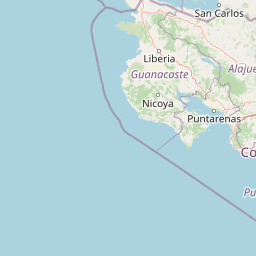
Map view of Palo Verde National Park

Use this park location map to pinpoint Palo Verde National Park in Costa Rica, understand its exact geographic position, and read its mapped placement within the surrounding landscape more clearly.

Pigeon | © OpenStreetMap contributors

Location context for Palo Verde National Park

Guanacaste Province
Park atlas

Trace Costa Rica's regional park geography; compare other protected areas and wetlands near Palo Verde National Park.

Explore Costa Rica's Protected Areas: Find More National Parks Near Palo Verde National Park
Browse national parks and protected areas geographically connected to Palo Verde National Park, tracing vital wetland ecosystems and tropical dry forests within Costa Rica's Guanacaste Province. A focused view helps you compare diverse conservation landscapes, understand regional ecological spread, and discover adjacent protected habitats in greater detail.
National parkCosta Rica

Barra Honda National Park: Costa Rican Protected Landscape and Geographic Atlas

Mapped boundaries and regional park geography.

Barra Honda National Park stands as a notable protected area, offering a distinct geographic profile within Costa Rica. Its designation as a national park underscores its importance for landscape conservation and atlas exploration. This entry details the park's mapped terrain and its contribution to understanding the regional geography, providing a focused view for those interested in protected land distribution and natural context.

Area
23 km²
Established
1974
IUCN
II
Relief
Mountain
National parkGuanacaste Province

Diriá National Park: Protected Landscape Atlas within Guanacaste Province

National Park geographic context and mapped terrain.

Examine Diriá National Park as a distinct protected area within Guanacaste Province. This detailed entry focuses on its geographic identity, mapped boundaries, and natural landscape characteristics. Understand how this national park contributes to the regional atlas, offering a clear view of its protected status and natural terrain features for focused discovery.

Area
28 km²
Established
1991
IUCN
II
Relief
Mountain
National parkCosta Rica

Miravalles Jorge Manuel Dengo National Park: Costa Rica National Park Geographic Context

Mapped protected landscape and regional park geography.

Miravalles Jorge Manuel Dengo National Park offers a focused lens for understanding protected natural areas within Costa Rica. Explore its specific geographic footprint and the surrounding regional context to appreciate its significance as a mapped protected landscape. This detailed view supports a structured discovery of the park's identity, helping users grasp its place within the national atlas.

Area
43 km²
Established
2019
IUCN
II
Relief
Mountain
National parkGuanacaste Province

Rincón de la Vieja National Park: Costa Rican National Park Atlas Entry

Mapped protected landscape and regional geography.

Gain a structured understanding of Rincón de la Vieja National Park as a key protected area within Guanacaste Province. This detail page offers an atlas-focused perspective, highlighting its mapped boundaries and regional geographic significance. Explore how this national park contributes to the protected landscapes of Costa Rica, providing essential context for geographic discovery.

Area
141.61 km²
Established
1973
IUCN
II
Climate
Tropical
National parkGuanacaste Province

Las Baulas Marine National Park: Protected Marine Landscape Atlas in Guanacaste Province

Explore its mapped boundaries and regional geographic context.

Las Baulas Marine National Park represents a vital protected marine territory within Costa Rica. This entry offers an atlas-oriented perspective, detailing the park's geographic scope and its specific mapped boundaries. Users can explore its significance as a protected landscape, understand its relationship to the broader regional geography of Guanacaste Province, and utilize this information for structured natural landscape discovery.

Area
175 km²
Established
1991
IUCN
II
Relief
Mixed relief
National parkCosta Rica

Arenal Volcano National Park: Costa Rica National Park Atlas and Mapped Terrain

Detailed geography and protected landscape context for a Costa Rican national park.

Gain a structured understanding of Arenal Volcano National Park, a protected natural area situated in Costa Rica. This page provides detailed geographic information, focusing on its mapped boundaries and landscape characteristics. It serves as a key resource for exploring the park's specific regional context and its role within the country's network of protected lands.

Area
121.24 km²
Established
1991
IUCN
II
Relief
Mountain
National parkGuanacaste Province

Guanacaste National Park: A Protected Landscape within Guanacaste Province's Geography

Explore mapped park boundaries and regional natural landscape context.

Delve into the protected landscape of Guanacaste National Park, a significant national park located within Guanacaste Province. This entry provides a focused view of its geographic features, mapped protected areas, and its role within the regional terrain. Understand the park's specific natural landscape character and its placement in the broader atlas of conservation lands.

Area
340 km²
Established
1991
IUCN
II
Relief
Mixed relief
National parkGuanacaste Province

Santa Rosa National Park: Guanacaste Province National Park Protected Area

Mapped natural landscape and regional geography.

Santa Rosa National Park is a vital protected area within Costa Rica's Guanacaste Province. This detail page offers an atlas-focused view of the park, highlighting its geographic setting and mapped boundaries. It serves as a primary resource for understanding the park's protected landscape identity and its contribution to regional conservation geography, supporting structured exploration for users interested in natural areas.

Area
815.31 km²
Established
1966
IUCN
II
Climate
Tropical

Common questions about visiting, size, designation, and location context for Palo Verde National Park

Palo Verde National Park FAQs for park facts, access, geography, and protected area context
Find quick answers about Palo Verde National Park, including protected-area facts, park geography, trail and visitor context, and how the park fits into its surrounding country and regional landscape.
MoriAtlas Explorer

Continue Your Protected Areas Search Across the Global Atlas

Deepen your exploration by continuing the structured search for national parks and protected areas worldwide. Utilize the comprehensive filtering capabilities to compare different conservation landscapes and refine your understanding of global park geography. Discover more about the distribution and characteristics of protected natural areas.

Global natural geography