Mori Atlas logo
Protected areaPark Natury Zalewu Szczecińskiego

Mapping the mosaic of coastal meadows, reedbeds, and forested terrain along the Szczecin Lagoon

Park Natury Zalewu Szczecińskiego: An Integrated Protected Area and Coastal Lagoon Geography

Park Natury Zalewu Szczecińskiego defines a distinctive coastal geography in the West Pomeranian region of Poland, where brackish lagoon waters meet protected meadows and the Goleniów Forest. This site serves as a pioneering demonstration of active conservation, utilizing managed grazing to preserve open wetland habitats and transitional ecosystems. Analyze the park boundaries and regional landscape composition through our detailed atlas data, highlighting the intersection of pastoral agriculture and protected environmental zones.

coastal meadowslagoonSzczecin LagoonPomeranian coastNatura 2000active conservation

Park Natury Zalewu Szczecińskiego

Protected area

Park overview

Structured park overview, official facts, and landscape profile for Park Natury Zalewu Szczecińskiego

Park Natury Zalewu Szczecińskiego park facts, protected area profile, and essential visitor context

Review the core facts for Park Natury Zalewu Szczecińskiego, including designation, size, terrain, visitor scale, habitats, and operating context in one park-focused overview.

About Park Natury Zalewu Szczecińskiego

Park Natury Zalewu Szczecińskiego is a landscape-scale nature park located along the southern shore of the Szczecin Lagoon in north-western Poland. It stretches across coastal meadows and pastures north of the village of Czarnocin in the Stepnica commune and on the Rów peninsula in the Wolin commune, and extends inland to include forested tracts of the Goleniów Forest. Combined with the shallow lagoon waters, the park reaches an approximate size of 4,000 hectares, forming a connected mosaic of grassland, woodland, wetland, and aquatic habitats close to a major Polish port city.

The park was created as a model project for active nature protection under the umbrella of the European ecological network Natura 2000. Rather than relying on strict reserve-style protection, it sets out to manage ecologically valuable land through good agricultural practice, environmental education, and community engagement. The driving idea was to show that conservation of coastal and lagoon habitats near populated areas can be aligned with recreation, local identity, and broader social goals.

Operationally, the park is distinctive because it is run by a non-governmental organization, the Association for the Coast, together with the Maritime Office in Szczecin, the Goleniów Forest District, and the communes of Stepnica and Wolin. This multi-partner setup made it Poland's first nature park managed outside the traditional state park system and gave it a strong pilot-project character.

In practical terms, the management model relies heavily on the symbolic role of large grazing animals. Polish koniks and Scottish Highland cattle roam the meadows and pastures, controlling the spread of reed and low-value grass species while keeping the landscape open. Visitors can see the animals at pasture, observe the lagoon shoreline, and learn about the principles of active conservation as applied to a real working landscape. The park is therefore both a conservation site and a demonstration site, intended to influence how similar habitats elsewhere in Poland could be managed.

Quick facts and research context for Park Natury Zalewu Szczecińskiego

Park Natury Zalewu Szczecińskiego is a roughly 4,000-hectare protected landscape in the West Pomeranian Voivodeship of north-western Poland, centered on the waters of the Szczecin Lagoon and the adjacent Goleniów Forest. It was opened on 7 October 2005 as the first nature park in Poland managed by a non-governmental organization rather than by state park administration.

The park is a pilot model for active Natura 2000 conservation, run jointly by an NGO, the Maritime Office in Szczecin, the Goleniów Forest District, and the communes of Stepnica and Wolin. Its main natural assets are coastal meadows and pastures, particularly around the village of Czarnocin and on the Rów peninsula, alongside forest habitats and lagoon waters.

Protection and recognition

Examine the documented conservation framework and recognized designations for Park Natury Zalewu Szczecińskiego.

Park Natury Zalewu Szczecińskiego Protection Status and Administrative Scope

Park Natury Zalewu Szczecińskiego protection status details bring together documented management parameters and mixed conservation scopes. Structured recognition records outline official designation frameworks without administrative speculation.

Protection details

Protection scope
Mixed
Transboundary protection
No
Park context

Deeper park guide and search-rich context for Park Natury Zalewu Szczecińskiego

Park Natury Zalewu Szczecińskiego history, landscape, wildlife, and travel context

Explore Park Natury Zalewu Szczecińskiego through its history, landscape character, ecosystems, wildlife, conservation priorities, cultural context, and seasonal travel timing in a structured park guide built for atlas discovery and search intent.

Why Park Natury Zalewu Szczecińskiego stands out

The park is best known for being Poland's first NGO-managed nature park and for its pioneering approach to active conservation of Natura 2000 habitats along the Szczecin Lagoon coast. It pairs coastal meadows, wetlands, and forest with the use of traditional grazing animals, Polish koniks and Scottish Highland cattle, to maintain open habitat structure. The site also stands out for integrating conservation, agriculture, recreation, and environmental education into a single management model, an approach that turned an ordinary edge-of-lagoon landscape into a nationally recognized pilot project.

Park Natury Zalewu Szczecińskiego history and protected-area timeline

The park was opened on 7 October 2005 after a planning and consultation process led by the Association for the Coast, which acts as the Polish branch of the EUCC coastal conservation network. It was created as the outcome of a project titled Park Natury Zalewu Szczecińskiego: active model nature management as a path to sustainable development.

From its establishment, the park was conceived as a practical pilot of active nature protection tied to the Natura 2000 framework. Instead of a typical state-run nature reserve, governance has rested on a partnership between the founding NGO, the Maritime Office in Szczecin, the Goleniów Forest District, and the communes of Stepnica and Wolin. This structure made it a nationally notable example of decentralized conservation management in Poland.

The introduction of Polish koniks and Scottish Highland cattle quickly became a defining moment in the park's history. Beyond their tourism appeal, these animals were integrated into the management strategy as a tool to slow the expansion of reedbeds and low-value grasses on the coastal meadows, embedding traditional grazing into a modern conservation plan.

Park Natury Zalewu Szczecińskiego landscape and geographic character

The landscape of the park is shaped by the shallow, brackish waters of the Szczecin Lagoon and the gently undulating coast that lines its southern shore. Inland from the water's edge, the terrain transitions into a mosaic of coastal meadows, wet pastures, low reed-bordered bays, and patches of willow and alder along small watercourses. The result is a soft, low-relief coastal landscape typical of the southern Baltic lagoons, with broad open views across the water and a strong sense of horizon.

Two named land units anchor this setting. The first is the strip of meadows and pastures north of the village of Czarnocin, in the Stepnica commune, where much of the active grazing management takes place. The second is the Rów peninsula, in the Wolin commune, which juts into the lagoon and creates a series of sheltered bays, reed edges, and transitional habitats between land and water.

Further inland, the coastal lowlands give way to the forested landscapes of the Goleniów Forest, a pine-dominated woodland that forms a darker, more enclosed backdrop to the open meadows. Together, these open shore, lagoon, and forest elements define the park's distinctive scenery: a working coastal landscape where pastoral, aquatic, and woodland environments sit very close together.

Park Natury Zalewu Szczecińskiego ecosystems, habitats, and plant life

The nature of the park is defined by the interface between the Szczecin Lagoon and the Polish lowland coast, producing a chain of habitats that shift rapidly over short distances. Aquatic and reed-dominated vegetation fringes the lagoon, while inland, succession-prone coastal meadows and pastures form the core of the open landscape. These open areas are bordered by patches of wet woodland and, further inland, by the drier pine forest of the Goleniów Forest, giving the park a clear gradient from water and wetland to dry forest.

Ecologically, the park's main value lies in these transitional coastal and meadow habitats, many of which qualify as priority habitats under the Natura 2000 framework. Without active management, the meadows would tend to be overrun by reed and tall, low-value grasses, gradually losing their species-rich grassland character. The park's approach is to maintain that richness through grazing, mimicking the traditional rural use of these coastal flats and keeping the landscape at an early, open successional stage.

The combination of shallow lagoon water, fringing reed, wet meadows, and forest edges also makes the park a productive zone for aquatic and amphibious species. The mix of habitats within a relatively compact area gives the site an unusually high ecological density for an otherwise heavily used coastal region.

Park Natury Zalewu Szczecińskiego wildlife and species highlights

The park's wildlife profile is closely tied to its mosaic of lagoon, wetland, meadow, and forest habitats. The Szczecin Lagoon and its fringing reedbeds provide habitat for waterbirds and fish, while the open coastal meadows support breeding and feeding grounds for waders, wildfowl, and a range of smaller grassland species. The wet edges and shrubby transitions further inland add habitat for amphibians, reed-associated birds, and small mammals.

The most unusual wildlife feature, however, is the deliberate presence of free-roaming livestock as part of the conservation strategy. Polish koniks, a hardy primitive horse breed closely associated with traditional Polish wetland landscapes, and Scottish Highland cattle graze across the meadows year-round. They are framed both as an ecological tool, preventing reed encroachment and maintaining open habitat, and as a tourist attraction that connects visitors to traditional pastoral land use along the Baltic coast.

Beyond these symbolic animals, the sheer overlap of habitats in a small area means the park hosts an unusually rich mix of birdlife and aquatic fauna typical of the southern Baltic lagoon system. While the park is not primarily a wildlife tourism destination, its landscape is structured to remain attractive to the full range of species that depend on active coastal meadow management.

Park Natury Zalewu Szczecińskiego conservation status and protection priorities

From a conservation perspective, Park Natury Zalewu Szczecińskiego is significant as the first model site in Poland where active Natura 2000 management principles were applied at the scale of an entire local landscape. Rather than fencing off sensitive areas, the park's strategy integrates ecological goals into day-to-day land use, treating grazing, reed control, and mowing as tools to maintain habitat quality.

The site is explicitly presented as a test case for implementing the rules of the European ecological network Natura 2000 in practice. Its combination of coastal meadows, wetland edges, and lagoon water makes it a representative example of the kind of Baltic lagoon habitat that has been lost or degraded in many other parts of the coast through abandonment of traditional land use.

The multi-partner management model itself is an important part of the park's conservation contribution. By demonstrating that an NGO can co-manage a protected landscape together with state offices, a forest district, and local municipalities, the park provides a working template that has influenced thinking about decentralized, community-based conservation elsewhere in Poland.

Park Natury Zalewu Szczecińskiego cultural meaning and human context

The park sits within a region where traditional coastal land use, including low-intensity grazing, hay cutting, fishing, and small-scale farming, has long shaped the southern shore of the Szczecin Lagoon. Its foundation reflects a deliberate effort to reknit conservation with this rural heritage rather than to sever the landscape from its working past.

The introduction of Polish koniks and Scottish Highland cattle gives the site a strong folk-cultural layer. The konik is closely tied to Polish notions of native, semi-wild horses and traditional wetland grazing, while the Highland cattle introduce a recognizable, widely-loved pastoral image. Together they connect contemporary biodiversity management with the older cultural economy of the Baltic coastal plain.

Locally, the park has become a point of shared identity for the communes of Stepnica and Wolin, both of which participate in its management. Educational activities, public events, and visitor engagement around the grazing animals help integrate the park into everyday life in the area, positioning it not as a remote reserve but as part of the social and cultural fabric of the lagoon shore.

Top sights and standout views in Park Natury Zalewu Szczecińskiego

The park's strongest highlights include its status as Poland's first NGO-managed nature park, its pioneering model of active Natura 2000 conservation, and its grazing landscape shaped by Polish koniks and Scottish Highland cattle.

Equally important are the seamless transitions between lagoon, coastal meadow, and Goleniów Forest habitats, and the partnership-based governance model that brings together an environmental NGO, the Maritime Office in Szczecin, a forest district, and two communes. These elements together give the park a distinctive identity as both a working coastal landscape and a national demonstration site for modern, community-oriented nature protection.

Best time to visit Park Natury Zalewu Szczecińskiego

The park is an outdoor, weather-dependent landscape, so most visitors prefer the warmer months from late spring through early autumn, when meadows and pastures are at their most colorful and the grazing animals are active and visible. Summer offers long daylight hours, open water views across the lagoon, and the best conditions for shoreline walking and photography along the meadows north of Czarnocin and the Rów peninsula.

Late spring and early summer are particularly notable for breeding waterbirds and for the rich flora of the coastal meadows, while autumn can bring quiet, atmospheric conditions over the lagoon and a sense of seasonal transition in the landscape. Winter visits are possible in calmer weather but offer a quieter, more austere coastal atmosphere, with the grazers still present on the meadows.
Monthly climate preview

Track long-term temperature ranges and precipitation patterns across representative coordinates

Park Natury Zalewu Szczecińskiego Climate Normals and Annual Weather Rhythm

Representative coordinate records show measured temperature variation from winter lows to summer highs alongside stable daily precipitation rates at Park Natury Zalewu Szczecińskiego. Examining the full twelve-month profile provides complete historical averages for detailed climate analysis.
Annual mean9 °C
-1 °C19 °C
Jan-1°
Feb
Mar
Apr
May13°
Jun17°
Jul19°
Aug19°
Sep15°
Oct
Nov
Dec
Warmest month
July

19.2 °C

Coolest month
January

-0.9 °C

Wettest month
July

2.6 mm/day

Driest month
April

1.2 mm/day

Park location guide

Geography guide, regional context, and park location map for Park Natury Zalewu Szczecińskiego

Park Natury Zalewu Szczecińskiego park geography, regions, and map view in Poland

Understand where Park Natury Zalewu Szczecińskiego sits in Poland through a broader geographic reading of the surrounding landscape, nearby location context, and its mapped position within the national park landscape.

How Park Natury Zalewu Szczecińskiego fits into Poland

Poland, officially the Republic of Poland, is a Central European country spanning from the Baltic Sea in the north to the Carpathian Mountains in the south. It borders Germany, Czech Republic, Slovakia, Ukraine, Belarus, Lithuania, and Kaliningrad Oblast. The country has a temperate climate, diverse landscapes, and is known for its rich history, cultural heritage, and strong economic position within the EU.

Wider geography shaping Park Natury Zalewu Szczecińskiego in Poland

Poland occupies 312,696 km2 in Central Europe, extending from the Baltic Sea coast in the north to the Sudetes and Carpathian Mountains in the south. It borders Germany to the west, Czech Republic and Slovakia to the south, Ukraine and Belarus to the east, and Lithuania and Kaliningrad Oblast to the northeast. The landscape includes lowland plains, uplands, and mountain ranges.

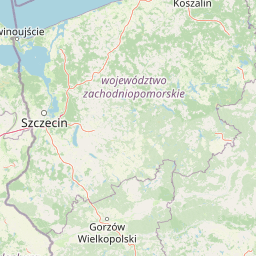
Map view of Park Natury Zalewu Szczecińskiego

Use this park location map to pinpoint Park Natury Zalewu Szczecińskiego in Poland, understand its exact geographic position, and read its mapped placement within the surrounding landscape more clearly.

Pigeon | © OpenStreetMap contributors

Location context for Park Natury Zalewu Szczecińskiego

Zachodniopomorskie
Park atlas

Compare adjacent coastal landscapes and regional nature reserves across north-western Poland.

Parks Near Park Natury Zalewu Szczecińskiego and Surrounding Protected Areas

Browsing other protected areas near Park Natury Zalewu Szczecińskiego reveals connected coastal wetlands, lagoon habitats, and forest reserves. Comparing these regional landscapes deepens geographic understanding of the Pomeranian coast and surrounding nature parks.
Protected areaZachodniopomorskie
Mapped location lies within the park boundary#1 closest

South

Łąki Skoszewskie Protected Area: Geography, Mapped Terrain, and Wetland Landscapes

Coastal marshland and bird sanctuary in Zachodniopomorskie

Located along the Szczecin Lagoon, Łąki Skoszewskie consists of extensive wet meadows, alder carrs, and Scots pine forests. This protected area provides a detailed look at the hydrological networks and coastal transition zones that define the unique natural landscape of northwestern Poland.

Area
90.834 km²
Established
2004
Relief
Lowland
Climate
Temperate
Protected areaZachodniopomorskie
Mapped location lies within the park boundary#2 closest

West

Ujście Odry i Zalew Szczeciński: Protected Area Geography and Estuarine Landscape Mapping

Coastal lagoons, riverine deltas, and island habitats in Zachodniopomorskie.

This extensive protected area offers a comprehensive view of the Oder estuary as it meets the Baltic Sea. The landscape comprises broad lagoons, branching river channels, and coastal islands that provide crucial habitat for migratory waterbirds and sustain a rare brackish water ecosystem. Use this geographic entry to analyze the boundaries, terrain, and interconnected waterways of this major Polish nature site.

Area
526.12 km²
Established
2008
Relief
Lowland
Scope
Mixed
A horizontal watercolor painting showing rolling green hills and a dense forest line against a pale, light-colored sky background.
Protected landscapeWest Pomeranian Voivodeship
About 5.5 km away#3 closest

Southeast

Puszcza Goleniowska Protected Landscape: Geographic Profile and Mapped Boundaries

A large-scale lowland forest complex in West Pomeranian Voivodeship.

Puszcza Goleniowska represents a critical protected woodland in Poland, spanning 630 square kilometers of post-glacial plains. This forest complex is characterized by its pine-dominated canopy, widespread bog and marshland habitats, and a series of rivers and lakes that form the backbone of its regional drainage. The area encompasses numerous nature reserves and Natura 2000 sites, offering a comprehensive look at the lowland ecological structure of the West Pomeranian Voivodeship.

Area
630 km²
Established
1349
Relief
Lowland
Climate
Temperate
Watercolor painting depicting mountains, rivers, and green terrain
National parkWest Pomeranian Voivodeship
About 13 km away#4 closest

North

Wolin National Park: Coastal Protected Landscape and Glacial Terrain in West Pomeranian Voivodeship

Explore Poland's first marine national park and its dynamic geography.

Wolin National Park offers a profound look into Poland's protected coastal geography. This national park in the West Pomeranian Voivodeship is distinguished by its high sea cliffs, inclusion of Baltic Sea and Szczecin Lagoon waters as Poland's first marine protected area, and a landscape sculpted by glacial moraines. Discover the park's complex delta systems, ancient forests, and the mapped terrain that supports significant bird migration, providing a rich focus for atlas exploration.

Area
109.37 km²
Established
1960
IUCN
II
Visitors
1.5M annual
National parkZachodniopomorskie Voivodeship
About 13 km away#5 closest

North

Woliński Park Narodowy: Atlas Overview of Protected Coastal and Marine Environments

Examining moraine landscapes and marine park boundaries.

Woliński Park Narodowy stands as a critical protected area in the Zachodniopomorskie Voivodeship, blending terrestrial moraine ridges with marine ecosystems. This atlas entry provides geographic context for its coastal cliffs, inland lake district, and the expansive river delta that supports rare avian species.

Area
109.37 km²
Established
1960
Visitors
1.5M annual
Relief
Upland
Watercolor painting of a green and pink abstract landscape featuring rolling hills and forested areas.
Protected landscapeWest Pomeranian Voivodeship
About 19 km away#6 closest

Southwest

Puszcza Wkrzańska Protected Landscape: Regional Forest Geography and Mapped Terrain Atlas

Transboundary pine-beech woodland and wetland ecosystems in West Pomeranian Voivodeship.

The Puszcza Wkrzańska forest complex represents a major protected landscape in northwestern Poland. Its geography is characterized by glacial sandy uplands, river-carved valleys, and vital wetland reserves. This atlas entry provides a detailed look at the forest boundaries, the surrounding hydrography, and the distinct natural terrain defining this essential Pomeranian wilderness.

Area
1,550 km²
Relief
Upland
Climate
Temperate
Access
Easy access
Protected areaZachodniopomorskie
About 20 km away#7 closest

South

Police - kanały Protected Area: Mapping Industrial Infrastructure and Ecological Conservation in Zachodniopomorskie

Underground hibernation habitats on the Równina Wkrzańska plain

Police - kanały is an unusual protected area in northern Poland defined by four kilometers of subterranean canals. These industrial remnants provide essential winter habitat for regional bat populations, marking a rare intersection between human-built heritage and biological conservation within the flat lowland plains of the Zachodniopomorskie region.

Area
1.121 km²
Established
2008
Relief
Lowland
Scope
Terrestrial
A soft watercolor painting depicting a calm shoreline with rolling hills and trees in the distance.
Nature reservePoland
About 22 km away#8 closest

North

Ostoja na Zatoce Pomorskiej: Mapping the Pomeranian Bay Marine Nature Reserve

Extensive marine protected landscape in the Baltic Sea

Ostoja na Zatoce Pomorskiej encompasses over 243,000 hectares of the southern Baltic Sea, serving as a primary marine nature reserve for the Polish coast. The sanctuary is defined by complex underwater features such as shallow sandy banks, gravel plains, and the prominent Odrzańska Ławica, which collectively support essential migratory waterbird populations and protected aquatic species within the European ecological network.

Area
2,430.59 km²
Established
2009
Relief
Lowland
Scope
Marine

Common questions about visiting, size, designation, and location context for Park Natury Zalewu Szczecińskiego

Park Natury Zalewu Szczecińskiego FAQs for park facts, access, geography, and protected area context

Find quick answers about Park Natury Zalewu Szczecińskiego, including protected-area facts, park geography, trail and visitor context, and how the park fits into its surrounding country and regional landscape.
MoriAtlas Explorer

Continue Your Protected Areas Search Across the Global Atlas

Deepen your exploration by continuing the structured search for national parks and protected areas worldwide. Utilize the comprehensive filtering capabilities to compare different conservation landscapes and refine your understanding of global park geography. Discover more about the distribution and characteristics of protected natural areas.

Global natural geography