Mori Atlas logo
Protected landscapePuszcza Wkrzańska

Tracing the lowland pine forest boundaries and wetland terrain of this transboundary natural region.

Puszcza Wkrzańska: Mapped Geography and Protected Forest Landscapes in West Pomeranian Voivodeship

Puszcza Wkrzańska functions as a substantial lowland forest complex straddling the border between Poland and Germany. This protected landscape is defined by expansive pine and beech woodlands, interspersed with significant peatlands, river valleys, and marshes near the Szczecin Lagoon. MoriAtlas provides a clear view into the geographic terrain, natural boundaries, and regional ecological context of this key Baltic plain ecosystem.

transboundary forestlowland pine forestpine-beech woodlandwetlandspeatlandbirdwatching
A flat vector illustration showing a winding river flowing through a deep valley with coniferous trees, steep cliffs, and distant mountains under a soft pink sky.

Puszcza Wkrzańska

Protected landscape

Park overview

Structured park overview, official facts, and landscape profile for Puszcza Wkrzańska

Puszcza Wkrzańska park facts, protected area profile, and essential visitor context

Review the core facts for Puszcza Wkrzańska, including designation, size, terrain, visitor scale, habitats, and operating context in one park-focused overview.

About Puszcza Wkrzańska

Puszcza Wkrzańska is one of the largest remaining lowland forest complexes in the southern Baltic region, covering a substantial area that straddles the Polish-German border just north and east of Szczecin. On the Polish side, the forest occupies much of Police County and extends into the northern outskirts of Szczecin itself, while the larger German portion lies within the Vorpommern-Greifswald district of Mecklenburg-Vorpommern. Together, the two halves form a single, contiguous woodland that has long been recognized for its ecological and landscape value.

The forest's character is shaped by sandy soils that support extensive stands of Scots pine, often blended with beech to form mixed pine-beech communities. Around its lakes, rivers, and peatlands, older growth forests survive, providing habitat for species such as the white-tailed eagle, which nests in the vicinity of the water bodies. The landscape is gently undulating rather than mountainous, with scenic highlights such as the Warszewskie Hills adding variety to the otherwise low-lying terrain.

Protected area status reinforces the forest's ecological significance. It is part of the Natura 2000 network, and on the Polish side, the Świdwie Nature Reserve stands out as the most important conservation site, protecting Lake Świdwie and its surrounding marshes along with two bird research stations nearby. Since 2004, the Polish portion has been included in the Puszcze Szczecińskie Forest Promotional Complex, which links it with other nearby forest areas for coordinated management and promotion.

Quick facts and research context for Puszcza Wkrzańska

Puszcza Wkrzańska covers roughly 1550 square kilometers, with about 337 square kilometers on the Polish side (around 22 percent of the total), and the remainder in the German district of Vorpommern-Greifswald in Mecklenburg-Vorpommern. The forest takes its name from the Wkra river, known in German as the Uecker, which flows through the German portion of the complex.

The area forms part of the Natura 2000 ecological network and is included in the Puszcze Szczecińskie Forest Promotional Complex. On the Polish side, the most ecologically valuable area is the Świdwie Nature Reserve, which protects Lake Świdwie and its surrounding wetlands. On the German side, the forest belongs to the Naturpark Am Stettiner Haff and contains the Friedländer Große Wiese, a large peatland of about 250 square kilometers.

Protection and recognition

Examine the terrestrial protection scope and documented conservation status.

Puszcza Wkrzańska Protection Status and Transboundary Park Designation

Territorial protection status for Puszcza Wkrzańska encompasses documented management frameworks and transboundary geographic dimensions. Structured records outline the verified conservation parameters and international recognition attributes associated with this natural landscape.

Protection details

Protection scope
Terrestrial
Transboundary protection
Yes
Park context

Deeper park guide and search-rich context for Puszcza Wkrzańska

Puszcza Wkrzańska history, landscape, wildlife, and travel context

Explore Puszcza Wkrzańska through its history, landscape character, ecosystems, wildlife, conservation priorities, cultural context, and seasonal travel timing in a structured park guide built for atlas discovery and search intent.

Why Puszcza Wkrzańska stands out

Puszcza Wkrzańska is best known for its broad lowland pine and pine-beech forests, the Świdwie wetland reserve with its rich birdlife, and its role as a transboundary natural area between Poland and Germany. The combination of large forest tracts, scattered lakes, river valleys, and peat bogs makes it a defining landscape feature of the Pomeranian region.
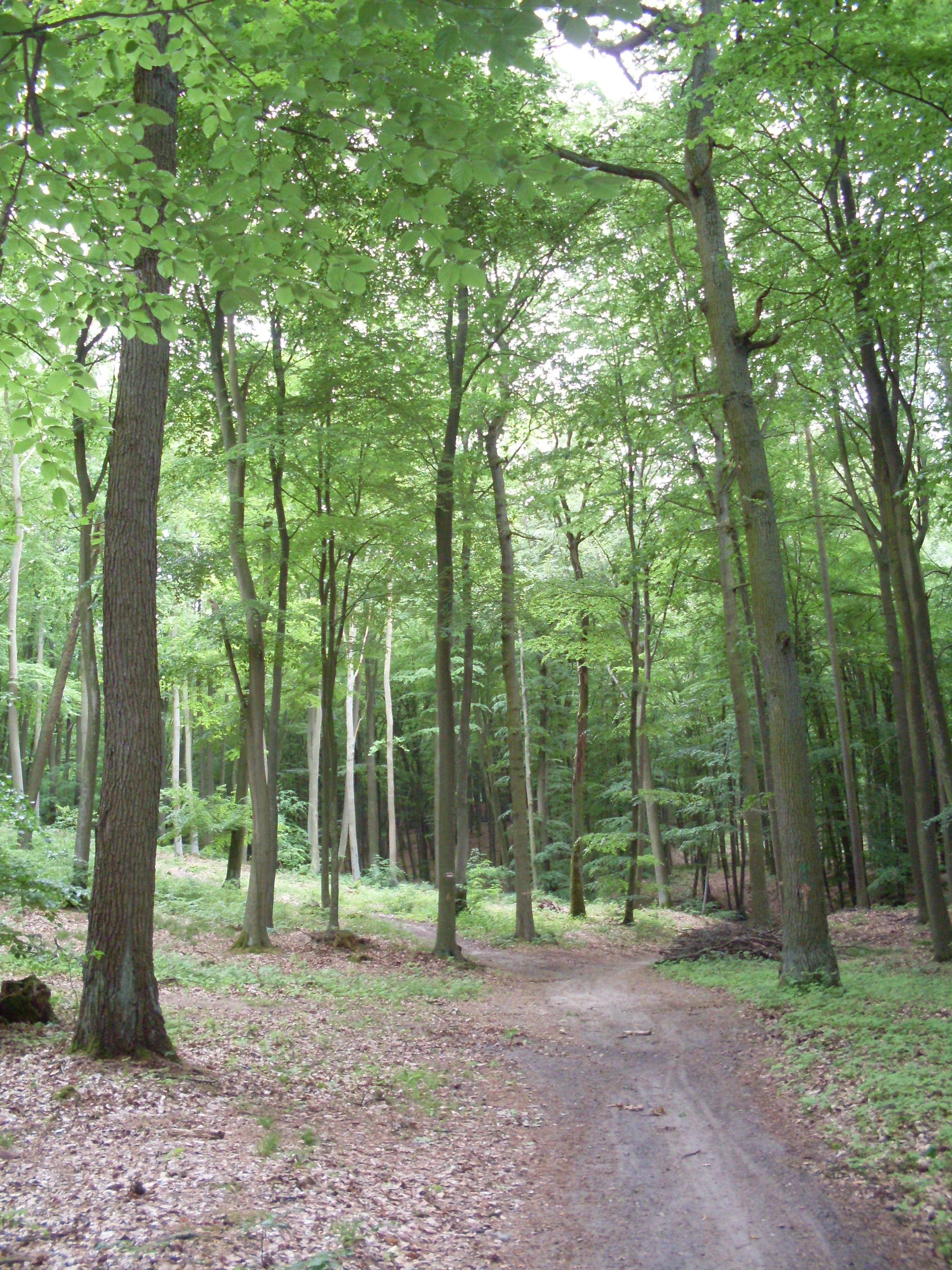
A dirt hiking trail leads through a tall, green deciduous forest with a thick canopy and light undergrowth.
A shaded dirt path winding through the dense deciduous trees of the Wkrzanska Forest.

Puszcza Wkrzańska history and protected-area timeline

The forest has a long documented history, illustrated on the Great Map of the Duchy of Pomerania produced by Eilhardus Lubinus between 1610 and 1618, which already shows the wooded character of the region. During the early twentieth century, a railway line ran through the heart of the forest, connecting Gumieńce, Dołuje, Dobra, Buk, Stolec, Glashütte, Hintersee, Rieth, and Nowe Warpno. The line ceased to function around 1945 or 1946, and today only a short disused segment remains between Szczecin and Dołuje, with most of the former track and railway infrastructure gradually disappearing into the landscape.

Puszcza Wkrzańska landscape and geographic character

The terrain of Puszcza Wkrzańska is distinctly lowland, shaped by glacial and postglacial processes typical of the southern Baltic plain. Sandy uplands carry extensive pine and mixed pine-beech forest, while lower-lying areas host lakes, marshes, and peatlands. The Warszewskie Hills provide one of the few more pronounced landform features within the otherwise flat Polish section of the forest.

Several waterways frame and traverse the forest. The Szczecin Lagoon lies along its northern edge, the Oder River defines part of its eastern boundary, and the Wkra (Uecker) river flows through the German portion and gives the forest its name. Other notable rivers crossing the area include the Gunica, Randow, Myśliborka, Osówka, and Karwia Struga. Small lakes such as Świdwie, Piaski, Karpino, Głębokie, Bartoszewo, Piaszynko, and the border-crossing Myśliborskie Małe, Myśliborskie Wielkie, and Stolsko punctuate the forested landscape.
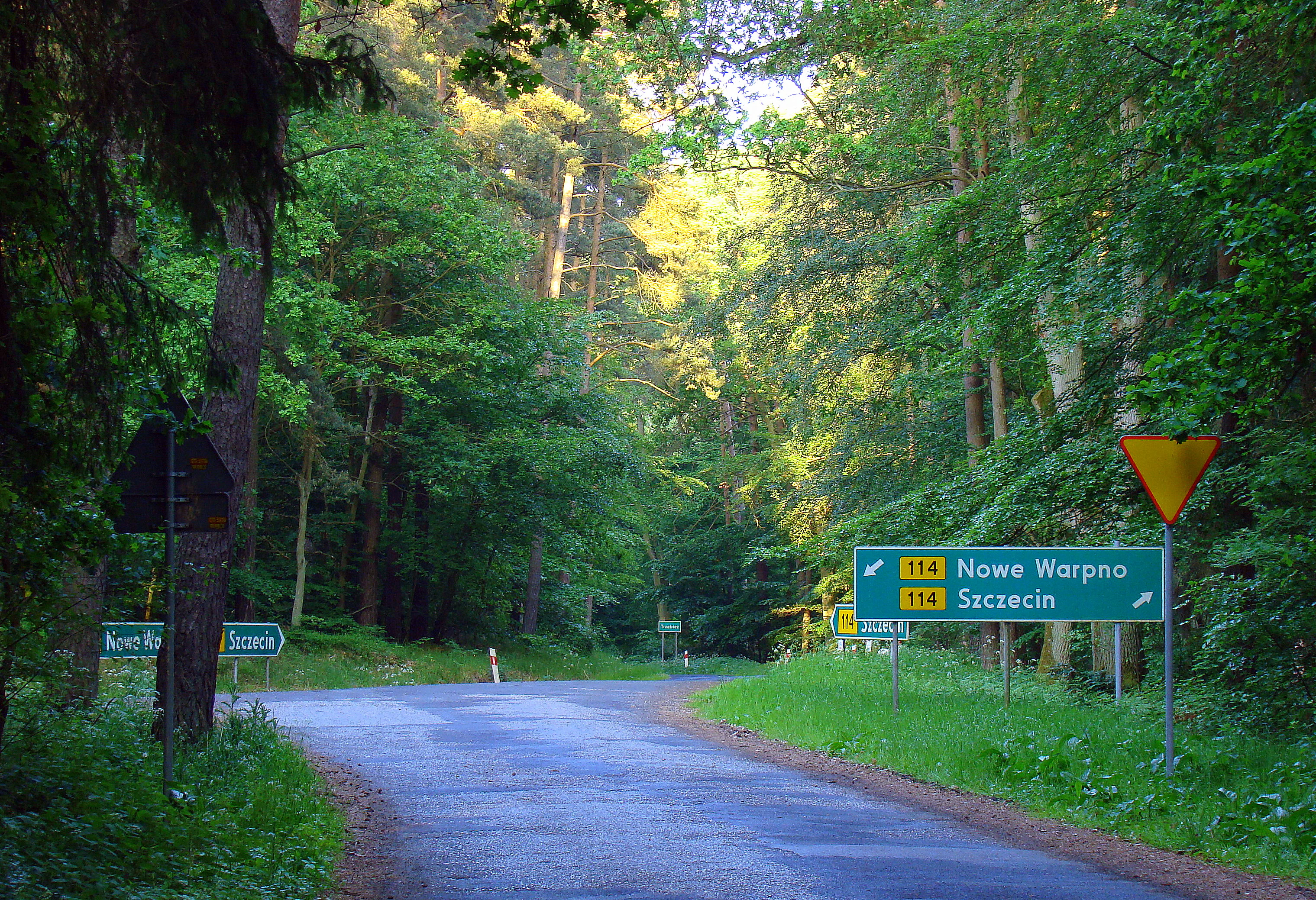
A paved forest road surrounded by dense deciduous and coniferous trees with multiple green road signs indicating directions toward Nowe Warpno and Szczecin.
Road signs for DW 114 marking the way to Nowe Warpno and Szczecin within the Puszcza Wkrzańska forest.

Puszcza Wkrzańska ecosystems, habitats, and plant life

Ecologically, Puszcza Wkrzańska is dominated by coniferous and mixed woodland communities, with Scots pine as the principal tree species and beech playing a significant role in many stands. Old-growth patches, or starodrzewy, persist especially near water bodies and provide particularly valuable habitat. The forest also includes open peatlands, wet meadows, marshes, and the waters of lakes and slow-moving rivers, creating a mosaic of dry and wet habitats across the region.

The inclusion of the forest in the Natura 2000 network reflects the importance of these habitats on a European scale. On the Polish side, the wet habitats around Lake Świdwie are the most ecologically sensitive area, supporting marshland and aquatic bird populations. On the German side, the Friedländer Große Wiese forms a major peatland complex, contributing additional wetland value to the broader forest landscape.
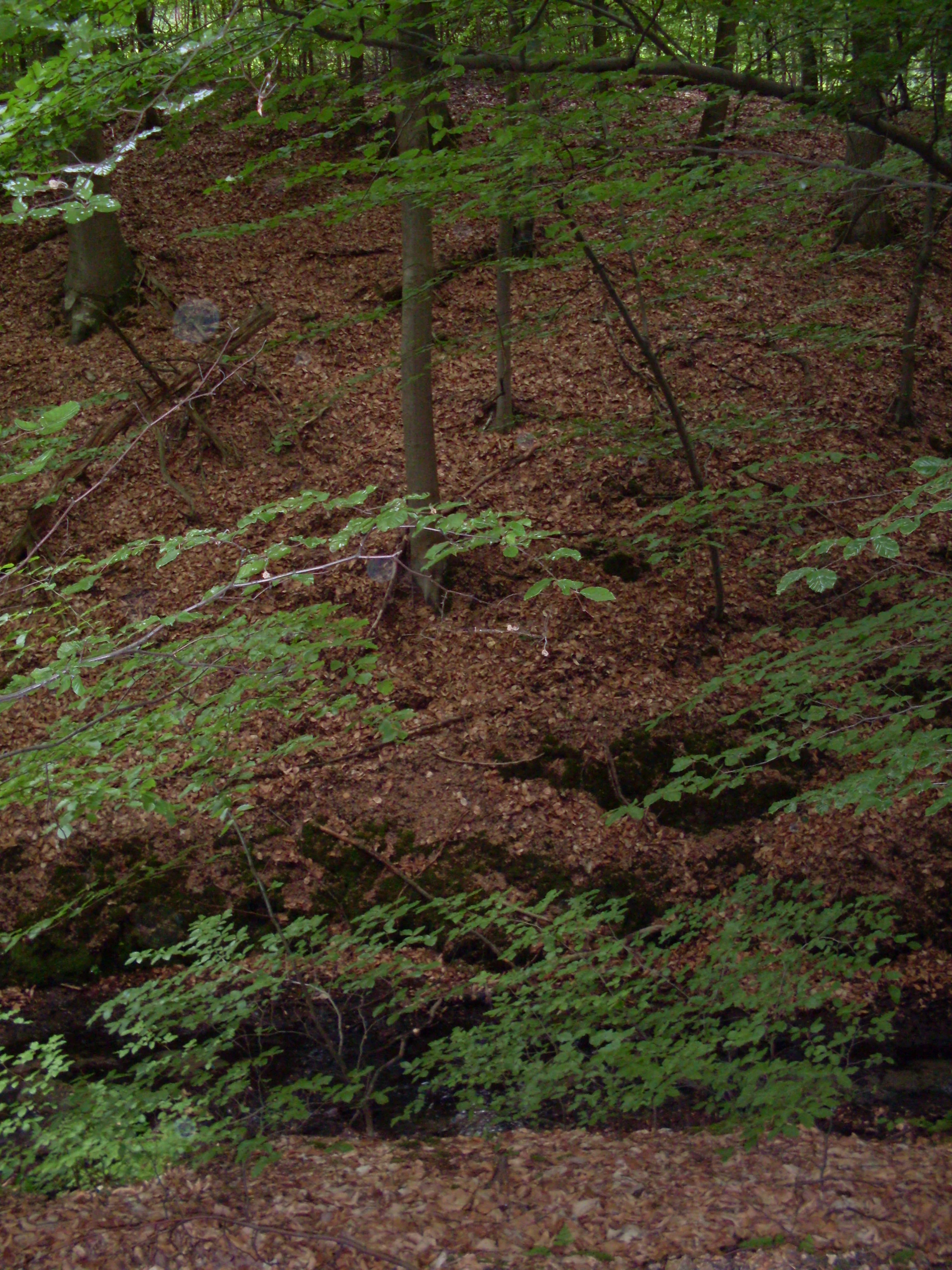
A forest floor covered in fallen brown leaves with a small, narrow stream running through the bottom, surrounded by mature trees with light green foliage.
A shaded view of the Siedliczka river valley floor within the Puszcza Wkrzańska forest.

Puszcza Wkrzańska wildlife and species highlights

The wildlife of Puszcza Wkrzańska is closely tied to its mix of forest, wetland, and open peatland habitats. The Świdwie Nature Reserve on the Polish side is particularly important for birds, hosting cranes, golden orioles, marsh harriers, Montagu's harriers, spotted crakes, several species of geese, and many other waterbirds and marshland species. Two ornithological stations operate in support of monitoring and research: one in the village of Bolków and another along the Gunica river.

Mature forest stands near lakes and rivers provide nesting habitat for white-tailed eagles. The combination of extensive forest cover, quiet peatlands, and varied water bodies supports a broad community of woodland birds, waterfowl, and wetland species typical of the southern Baltic lowlands.
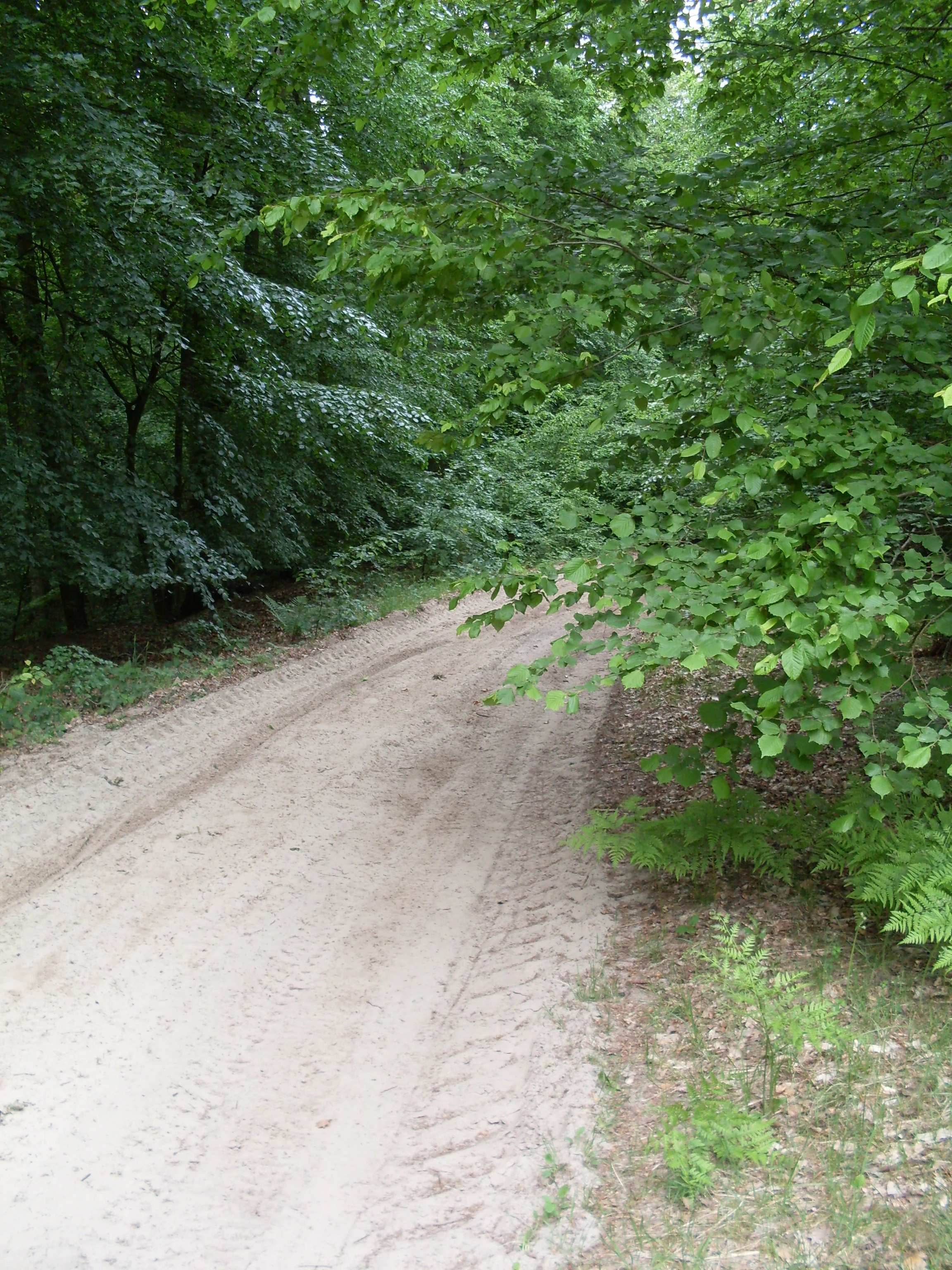
A sandy, unpaved forest path with visible tire tracks, surrounded by dense green deciduous trees.
A sandy forest track winding through the trees of Puszcza Wkrzańska.

Puszcza Wkrzańska conservation status and protection priorities

Puszcza Wkrzańska carries multiple layers of conservation recognition reflecting its ecological and landscape value. As a Natura 2000 area, it is part of the European Union's network of protected sites aimed at preserving threatened habitats and species. The Świdwie Nature Reserve, which protects Lake Świdwie and the surrounding wetlands, anchors conservation efforts on the Polish side of the forest and is associated with two ornithological research stations.

On the German side, the forest lies within the Naturpark Am Stettiner Haff, which provides landscape-level protection and management, while the Friedländer Große Wiese peatland is a key protected feature covering roughly 250 square kilometers. Since 2004, the Polish portion of the forest has been included in the Puszcze Szczecińskie Forest Promotional Complex, integrating it into a broader management framework that connects several forest areas in the region.

Puszcza Wkrzańska cultural meaning and human context

The forest is deeply embedded in the cultural and regional identity of Western Pomerania, straddling the modern Polish-German border but historically part of a shared Pomeranian landscape. Its presence on the Great Map of the Duchy of Pomerania from the early seventeenth century shows that this woodland has long been recognized as a defining regional feature.

Former railway infrastructure, including the line that once ran through the forest connecting Gumieńce, Dołuje, Dobra, Buk, Stolec, Glashütte, Hintersee, Rieth, and Nowe Warpno, is a reminder of how transportation routes have shifted over the past century. Today, the forest serves as a major weekend recreation area for residents of the Szczecin metropolitan area, linking contemporary regional life with a long-standing natural setting.
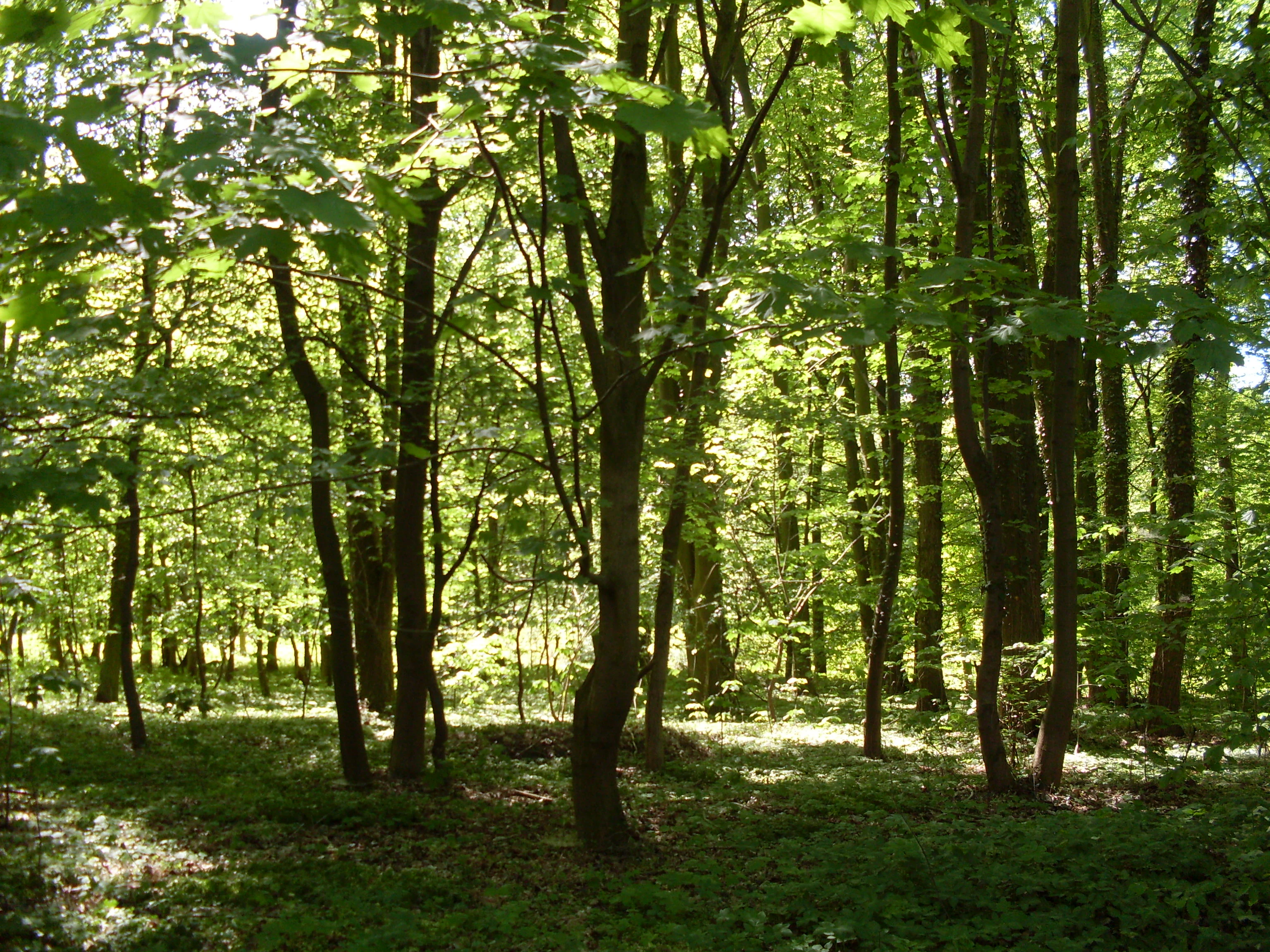
A bright, sunlit deciduous forest scene with green foliage and tall trees.
A lush, sunlit section of the Puszcza Wkrzańska forest.

Top sights and standout views in Puszcza Wkrzańska

Highlights of Puszcza Wkrzańska include its expansive pine and pine-beech forests, the Świdwie wetland reserve with its exceptional birdlife, and the scenic Warszewskie Hills near Szczecin. The transboundary nature of the forest, set within both Polish and German protected area frameworks, gives it a distinctive role in the regional ecology of Western Pomerania.

Equally notable are the extensive networks of hiking trails and international cycling routes, including the international cycling trail along the Szczecin Lagoon and the Oder-Neisse route. The combination of natural value, protected landscapes, and easy accessibility from Szczecin makes the forest a particularly significant area for both conservation and outdoor recreation.

Best time to visit Puszcza Wkrzańska

Puszcza Wkrzańska offers year-round appeal, with each season presenting a different character. Spring brings active birdlife, especially in and around the Świdwie Reserve, when migratory waterbirds and breeding marshland species are most visible. Summer offers warm conditions for exploring the sandy forest paths, the lakes, and the Warszewskie Hills, while autumn highlights the forest's pines and mixed stands with cool, crisp weather.

Winter transforms the forest into a quieter landscape of coniferous stands and frozen waters, attracting visitors who appreciate peaceful woodland walks. The proximity to Szczecin means the forest is accessible as a weekend destination across all seasons, and the mix of forest trails, peatland edges, and lakeshore paths provides varied experiences throughout the year.

Monthly climate preview

Measured temperature ranges and precipitation averages from representative coordinate data

Puszcza Wkrzańska Climate Normals and Long Term Weather by Month

Puszcza Wkrzańska records long term monthly averages spanning sub zero winter minimums up to warm summer maximums alongside consistent precipitation rates. Detailed twelve month climate profiles provide comprehensive context for tracking annual temperature and precipitation shifts across the representative coordinate.
Annual mean9 °C
-1 °C19 °C
Jan-1°
Feb
Mar
Apr
May13°
Jun17°
Jul19°
Aug19°
Sep15°
Oct
Nov
Dec
Warmest month
July

19.2 °C

Coolest month
January

-0.9 °C

Wettest month
July

2.6 mm/day

Driest month
April

1.2 mm/day

Park location guide

Geography guide, regional context, and park location map for Puszcza Wkrzańska

Puszcza Wkrzańska park geography, regions, and map view in Poland

Understand where Puszcza Wkrzańska sits in Poland through a broader geographic reading of the surrounding landscape, nearby location context, and its mapped position within the national park landscape.

How Puszcza Wkrzańska fits into Poland

Poland, officially the Republic of Poland, is a Central European country spanning from the Baltic Sea in the north to the Carpathian Mountains in the south. It borders Germany, Czech Republic, Slovakia, Ukraine, Belarus, Lithuania, and Kaliningrad Oblast. The country has a temperate climate, diverse landscapes, and is known for its rich history, cultural heritage, and strong economic position within the EU.

Wider geography shaping Puszcza Wkrzańska in Poland

Poland occupies 312,696 km2 in Central Europe, extending from the Baltic Sea coast in the north to the Sudetes and Carpathian Mountains in the south. It borders Germany to the west, Czech Republic and Slovakia to the south, Ukraine and Belarus to the east, and Lithuania and Kaliningrad Oblast to the northeast. The landscape includes lowland plains, uplands, and mountain ranges.

Map view of Puszcza Wkrzańska

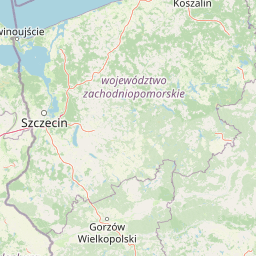
Use this park location map to pinpoint Puszcza Wkrzańska in Poland, understand its exact geographic position, and read its mapped placement within the surrounding landscape more clearly.

Pigeon | © OpenStreetMap contributors

Location context for Puszcza Wkrzańska

West Pomeranian Voivodeship

Visualizing lowland pine woodlands, glacial wetlands, and transboundary terrain

Puszcza Wkrzańska Landscape Photos and Protected Forest Scenery

Visual records illustrate the expansive lowland pine forests, scattered glacial lakes, and marshland habitats defining Puszcza Wkrzańska. Studying field photography helps observers understand the protected ecosystem features and complex transboundary geography of this region.

A dirt hiking trail leads through a tall, green deciduous forest with a thick canopy and light undergrowth.

Sunlit pine forest with tall trees and a mossy grass floor.

A paved forest road surrounded by dense deciduous and coniferous trees with multiple green road signs indicating directions toward Nowe Warpno and Szczecin.

A forest floor covered in fallen brown leaves with a small, narrow stream running through the bottom, surrounded by mature trees with light green foliage.

A sandy, unpaved forest path with visible tire tracks, surrounded by dense green deciduous trees.

An asphalt road stretching straight through a dense, tall pine forest with sunlight filtering through the trees.

A bright, sunlit deciduous forest scene with green foliage and tall trees.

Park atlas

Compare nearby lowland forests and transboundary natural reserves across the border region

Parks Near Puszcza Wkrzańska And Surrounding Protected Areas

Browse other parks and protected areas near Puszcza Wkrzańska to evaluate adjacent lowland ecosystems and regional geography. Continuing beyond individual forest boundaries provides deeper context for comparing northern European conservation landscapes.
Protected areaZachodniopomorskie
About 6.6 km away#1 closest

North

Ujście Odry i Zalew Szczeciński: Protected Area Geography and Estuarine Landscape Mapping

Coastal lagoons, riverine deltas, and island habitats in Zachodniopomorskie.

This extensive protected area offers a comprehensive view of the Oder estuary as it meets the Baltic Sea. The landscape comprises broad lagoons, branching river channels, and coastal islands that provide crucial habitat for migratory waterbirds and sustain a rare brackish water ecosystem. Use this geographic entry to analyze the boundaries, terrain, and interconnected waterways of this major Polish nature site.

Area
526.12 km²
Established
2008
Relief
Lowland
Scope
Mixed
Protected areaZachodniopomorskie
About 12 km away#2 closest

Southeast

Police - kanały Protected Area: Mapping Industrial Infrastructure and Ecological Conservation in Zachodniopomorskie

Underground hibernation habitats on the Równina Wkrzańska plain

Police - kanały is an unusual protected area in northern Poland defined by four kilometers of subterranean canals. These industrial remnants provide essential winter habitat for regional bat populations, marking a rare intersection between human-built heritage and biological conservation within the flat lowland plains of the Zachodniopomorskie region.

Area
1.121 km²
Established
2008
Relief
Lowland
Scope
Terrestrial
Protected areaZachodniopomorskie
About 12 km away#3 closest

Northeast

Łąki Skoszewskie Protected Area: Geography, Mapped Terrain, and Wetland Landscapes

Coastal marshland and bird sanctuary in Zachodniopomorskie

Located along the Szczecin Lagoon, Łąki Skoszewskie consists of extensive wet meadows, alder carrs, and Scots pine forests. This protected area provides a detailed look at the hydrological networks and coastal transition zones that define the unique natural landscape of northwestern Poland.

Area
90.834 km²
Established
2004
Relief
Lowland
Climate
Temperate
A horizontal watercolor painting showing rolling green hills and a dense forest line against a pale, light-colored sky background.
Protected landscapeWest Pomeranian Voivodeship
About 14 km away#4 closest

Southeast

Puszcza Goleniowska Protected Landscape: Geographic Profile and Mapped Boundaries

A large-scale lowland forest complex in West Pomeranian Voivodeship.

Puszcza Goleniowska represents a critical protected woodland in Poland, spanning 630 square kilometers of post-glacial plains. This forest complex is characterized by its pine-dominated canopy, widespread bog and marshland habitats, and a series of rivers and lakes that form the backbone of its regional drainage. The area encompasses numerous nature reserves and Natura 2000 sites, offering a comprehensive look at the lowland ecological structure of the West Pomeranian Voivodeship.

Area
630 km²
Established
1349
Relief
Lowland
Climate
Temperate
Protected areaZachodniopomorskie
About 19 km away#5 closest

Northeast

Park Natury Zalewu Szczecińskiego: Protected Coastal Landscape and Regional Geography Atlas

A pioneer in active Natura 2000 conservation and lagoon habitat preservation

Situated in the West Pomeranian region, Park Natury Zalewu Szczecińskiego covers a mosaic of coastal pastures, reed-bordered lagoons, and pine forests. This protected area stands out for its active management approach, integrating traditional grazing into a modern conservation model that sustains the biological integrity of the Szczecin Lagoon shorelines and adjacent woodland mosaics.

Area
40 km²
Established
2005
Relief
Lowland
Scope
Mixed
Watercolor painting depicting mountains, rivers, and green terrain
National parkWest Pomeranian Voivodeship
About 23 km away#6 closest

North

Wolin National Park: Coastal Protected Landscape and Glacial Terrain in West Pomeranian Voivodeship

Explore Poland's first marine national park and its dynamic geography.

Wolin National Park offers a profound look into Poland's protected coastal geography. This national park in the West Pomeranian Voivodeship is distinguished by its high sea cliffs, inclusion of Baltic Sea and Szczecin Lagoon waters as Poland's first marine protected area, and a landscape sculpted by glacial moraines. Discover the park's complex delta systems, ancient forests, and the mapped terrain that supports significant bird migration, providing a rich focus for atlas exploration.

Area
109.37 km²
Established
1960
IUCN
II
Visitors
1.5M annual
National parkZachodniopomorskie Voivodeship
About 23 km away#7 closest

North

Woliński Park Narodowy: Atlas Overview of Protected Coastal and Marine Environments

Examining moraine landscapes and marine park boundaries.

Woliński Park Narodowy stands as a critical protected area in the Zachodniopomorskie Voivodeship, blending terrestrial moraine ridges with marine ecosystems. This atlas entry provides geographic context for its coastal cliffs, inland lake district, and the expansive river delta that supports rare avian species.

Area
109.37 km²
Established
1960
Visitors
1.5M annual
Relief
Upland
A wide watercolor painting showing a calm body of water in the foreground, flanked by green forests and trees with pink blossoms, with soft pink and yellow hills in the background under a pale sky.
Protected landscapeZachodniopomorskie Voivodeship
About 31 km away#8 closest

Southeast

Szczeciński Park Krajobrazowy Puszcza Bukowa: Protected Landscape and Forest Geography

Analyzing the hilly terrain of the Bukowe Hills in Zachodniopomorskie.

Spanning the rolling Bukowe Hills, this protected landscape is defined by extensive lowland beech forests and deep erosional ravines. It contains a dense network of nature reserves that preserve intact deciduous woodlands, transitional peatlands, and glacial lakes. This area serves as a significant ecological corridor on the southern edge of Szczecin, offering a stark contrast to the nearby regional plains through its unique microtopography.

Area
90.96 km²
Established
1981
Relief
Lowland
Climate
Temperate

Common questions about visiting, size, designation, and location context for Puszcza Wkrzańska

Puszcza Wkrzańska FAQs for park facts, access, geography, and protected area context

Find quick answers about Puszcza Wkrzańska, including protected-area facts, park geography, trail and visitor context, and how the park fits into its surrounding country and regional landscape.
MoriAtlas Explorer

Continue Your Protected Areas Search Across the Global Atlas

Deepen your exploration by continuing the structured search for national parks and protected areas worldwide. Utilize the comprehensive filtering capabilities to compare different conservation landscapes and refine your understanding of global park geography. Discover more about the distribution and characteristics of protected natural areas.

Global natural geography