Why Pieniny National Park stands out
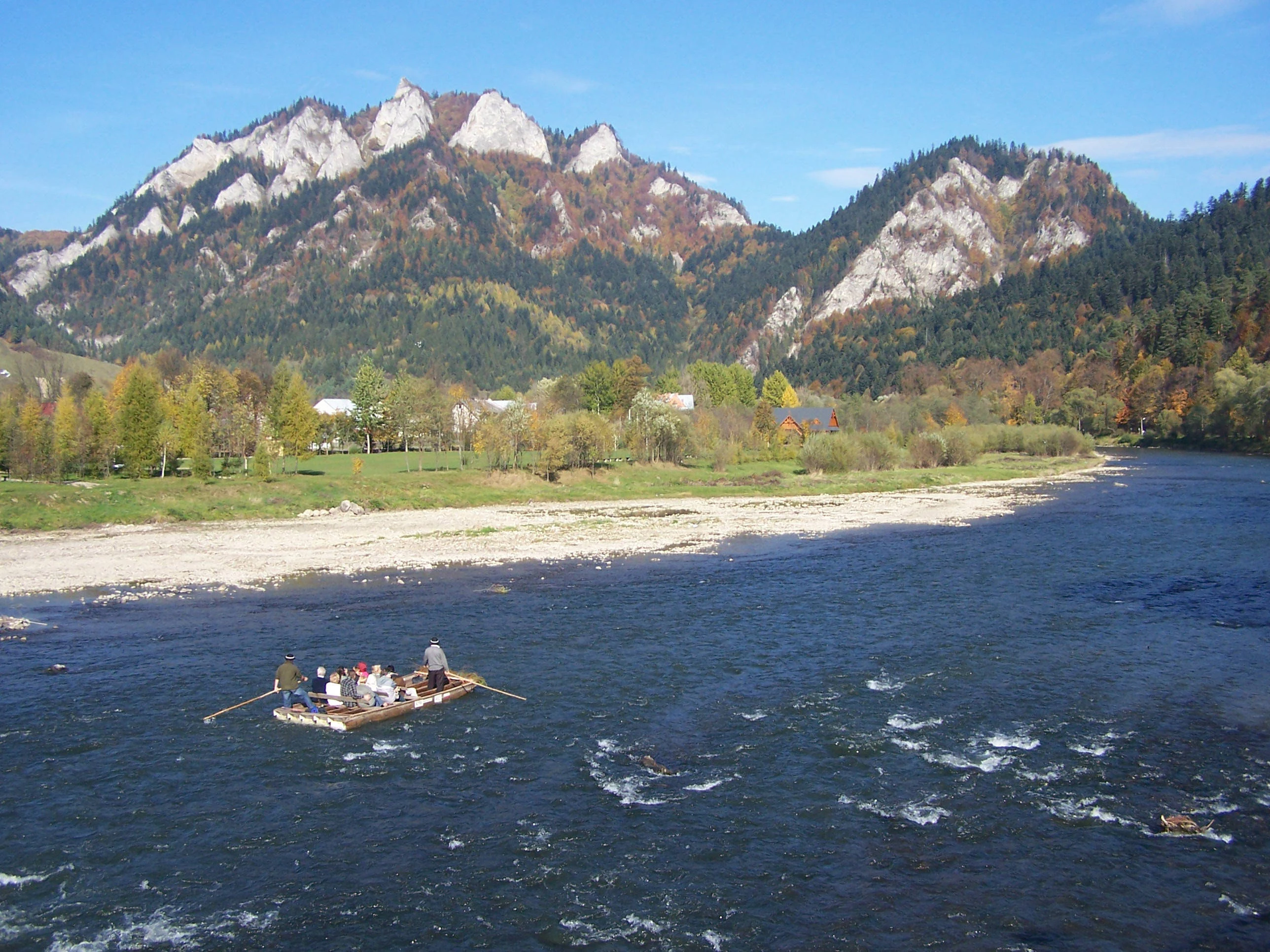
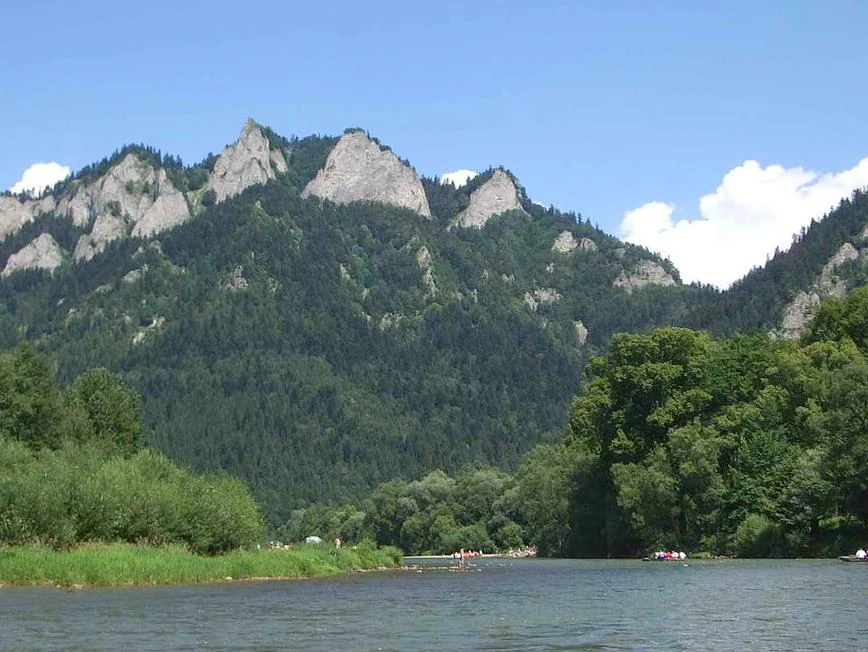
Pieniny National Park is renowned for its spectacular limestone cliff formations and the dramatic Dunajec River gorge, which is considered one of the most beautiful river valleys in Europe. The Trzy Korony massif, with its iconic near-vertical walls, represents the park's most recognizable landscape feature and offers spectacular viewpoints. The park is famous for its exceptional plant diversity despite limited elevation, including two endemic species (Pieniny rockcress and Pieniny dandelion) and unusual concentrations of mountain flora. The traditional wooden raft trips down the Dunajec River have been a beloved tourist attraction for generations, offering visitors a unique perspective on the towering cliffs and pristine landscapes. The meadows within the park are among the richest plant ecosystems in Poland, supporting 30 to 40 flower species per square meter.
Pieniny National Park history and protected-area timeline
The concept of establishing a national park in Pieniny originated with Professor Władysław Szafer, a member of the National Commission for the Preservation of Nature, in 1921. That same year, Stanisław Drohojowski established a private nature reserve covering approximately 75,000 square meters around the ruins of Czorsztyn Castle. The Polish government made its first land purchases in 1928, and on May 23, 1932, the Ministry of Agriculture created what was officially termed the "National Park in Pieniny" with an area of 7.36 square kilometers. The park's creation was formally confirmed following World War II by an act of October 30, 1954, which officially established Pieniny National Park and expanded its territory. Prior to the official establishment, protection needs were recognized as early as the 17th century by some Czorsztyn starosts (local administrators), with a 1625 document explicitly calling for the preservation of the Pieniny forest for game purposes. International cooperation with Czechoslovakia began in 1924, with negotiations led by Professor Walery Goetel representing the first such agreement between the two governments regarding transboundary protected areas and tourism regulation. Following the park's formal establishment, land acquisition continued, and the park has progressively expanded its territory through subsequent land purchases, with the most recent governance framework established by a 1996 cabinet decree.
Pieniny National Park landscape and geographic character
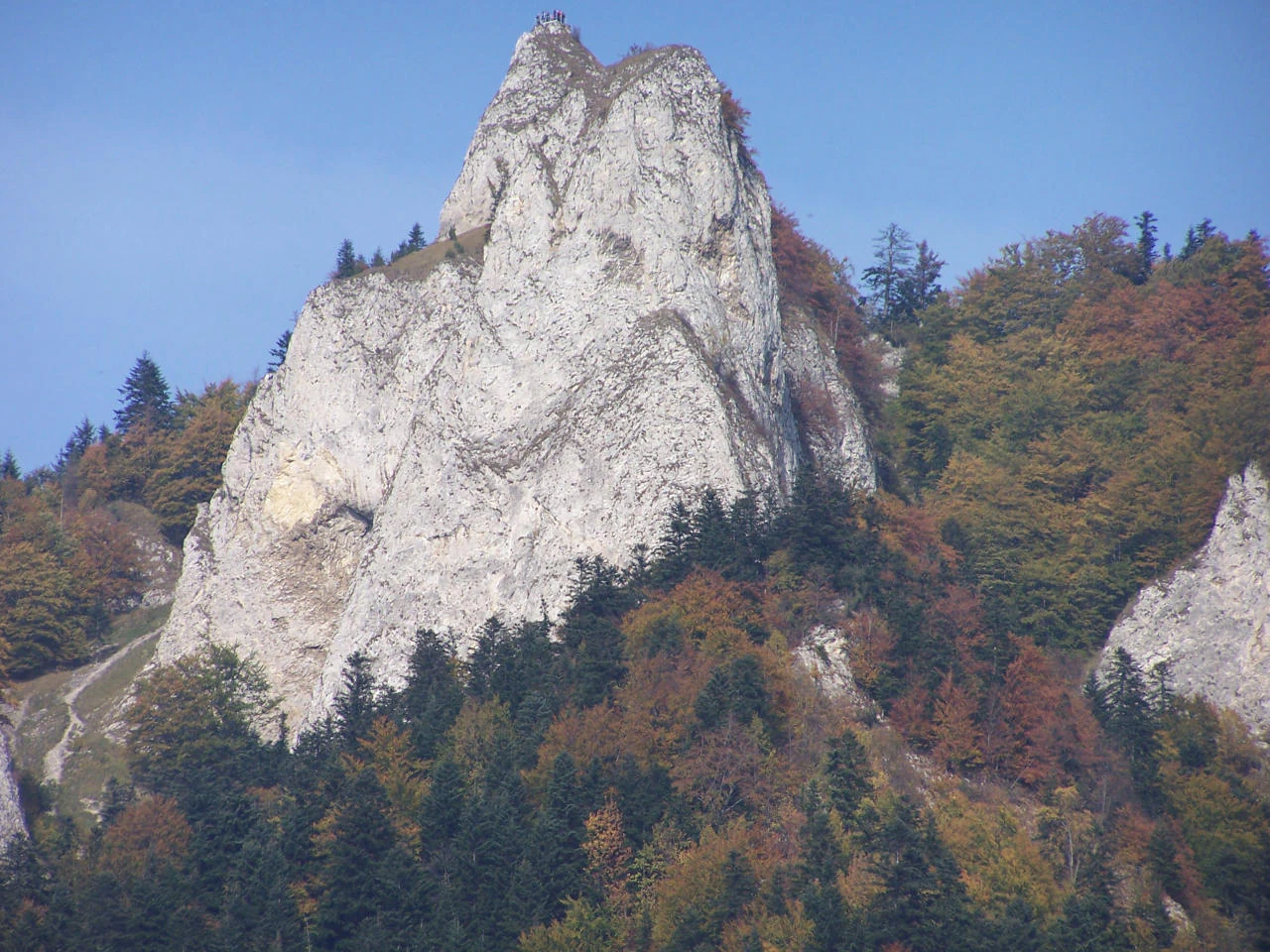
The Pieniny mountains consist predominantly of limestone, creating a dramatic landscape of near-vertical cliffs, rocky ridges, and steep-walled gorges. The most famous summit within the park is Trzy Korony (Three Crowns), reaching 982 meters above sea level with its distinctive three peaks and sweeping rock faces. Although the overall elevation of the Pieniny range is modest compared to other Carpathian ranges, the vertical relief is striking, with limestone cliffs dropping directly to the Dunajec River below. The Dunajec River occupies a central position in the landscape, carving a spectacular gorge through the mountains that has been carved over millennia. The park includes portions of the river basin where the water has carved deep channels between the towering rock walls. The terrain is characterized by karst features, including caves, sinkholes, and rocky outcrops that contribute to the landscape's complexity. Rocky meadows and grasslands occur on the steeper slopes where soil development is limited, while deeper soils in valley bottoms support forest vegetation. The Wąwóz Szopczański (Szopczański Gorge) within the Trzy Korony Massif represents one of the most spectactular natural features, with its narrow passage and exposed rock walls.
Pieniny National Park ecosystems, habitats, and plant life
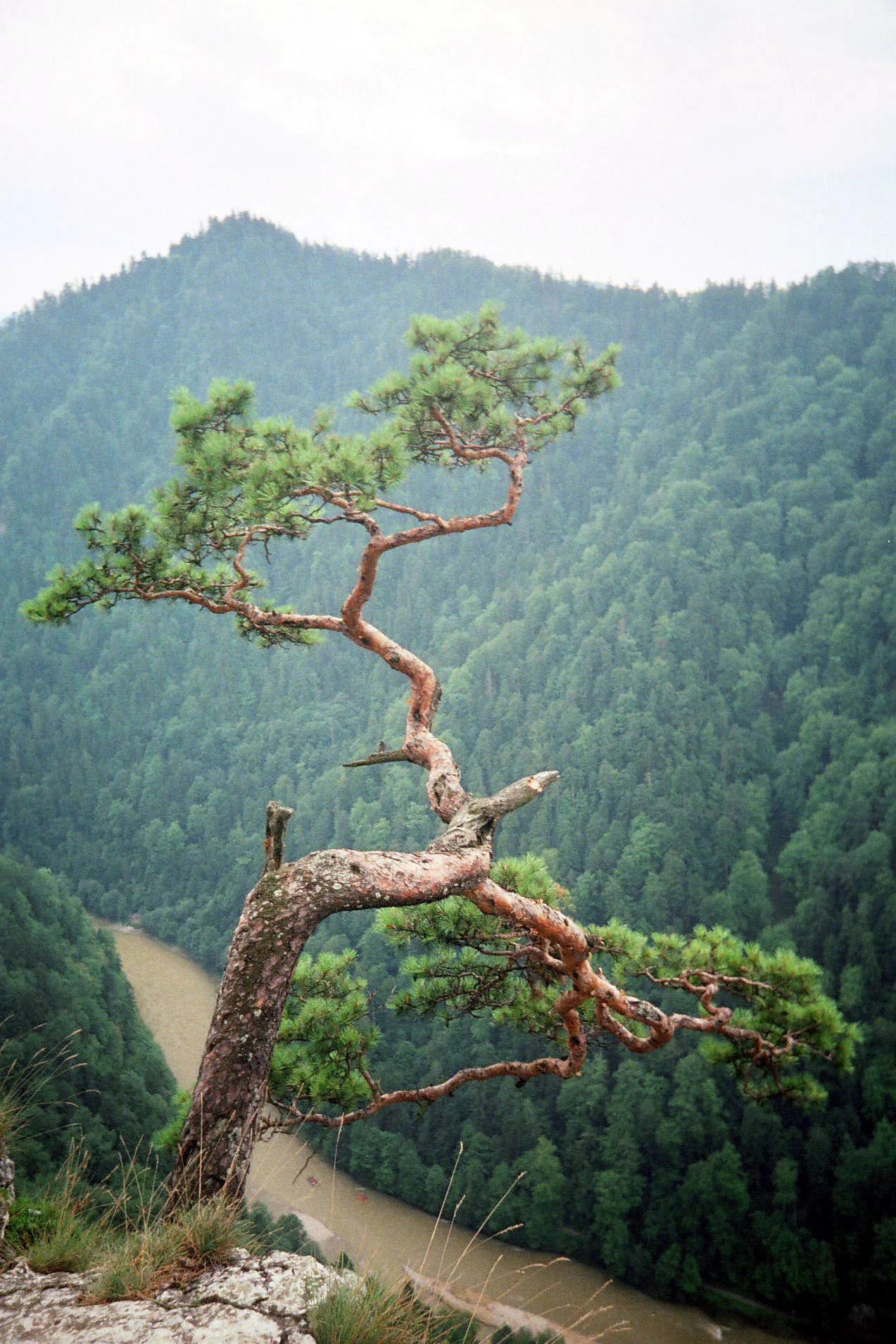
The Pieniny Mountains, despite their relatively modest elevation, support remarkable ecological diversity due to varied terrain, diverse habitats, and complex microclimates. The park's flora includes approximately 1,100 vascular plant species, including two endemic species found nowhere else on Earth: the Pieniny rockcress (Arabis sadina) and the Pieniny dandelion (Taraxacum pieninicum). Remarkably, despite the range's limited height, 167 mountain plant species thrive within the park's boundaries. The Pieniny also supports unusual plant communities, including a relict pine community occurring in the endemic association Calamagrostio variae-Pinetum on Sokolica peak. The diversity extends to fungi, with over 550 species of cap fungi recorded, and lichens, with more than 400 species identified. The meadows, maintained through centuries of human activity, represent some of the most species-rich plant communities in Poland. Limestone-derived soils dominate more than 60% of the park area, with brown earth soils covering approximately 30%. The combination of calcareous substrates, varied aspect, and microtopographic variation creates exceptional habitat diversity that supports this remarkable botanical wealth.
Pieniny National Park wildlife and species highlights
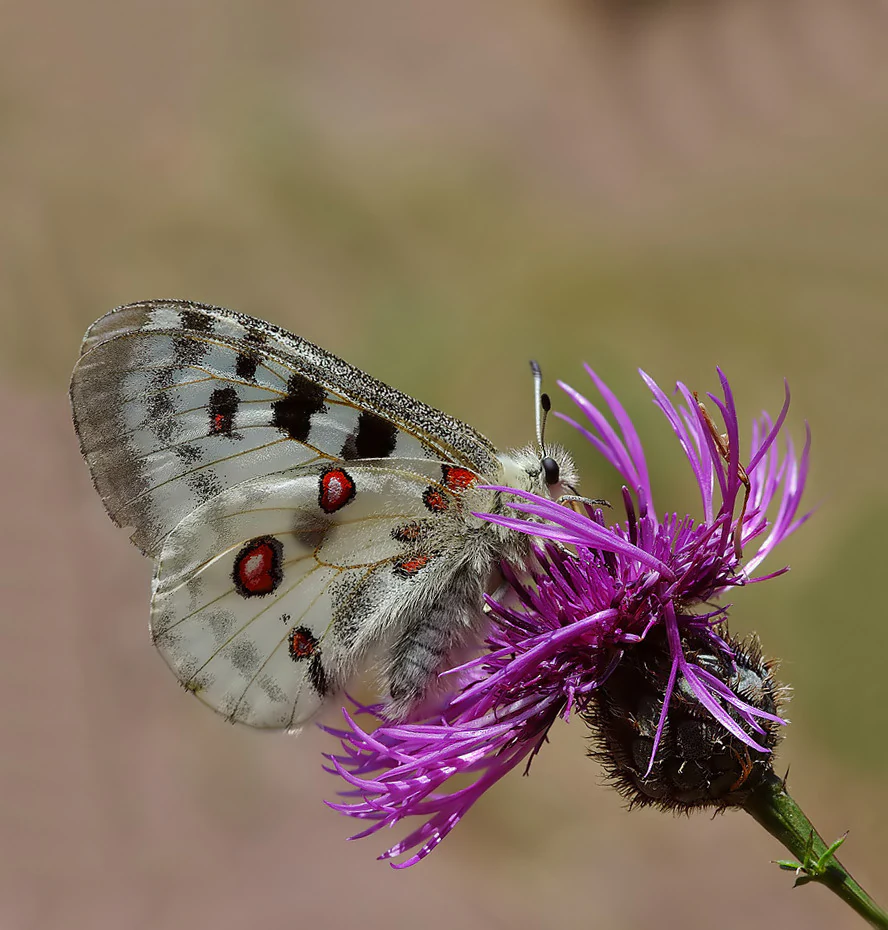
Pieniny National Park supports an impressive diversity of wildlife, with approximately 6,500 animal species documented and potential populations estimated at up to 15,000 species. The mammalian fauna includes several notable species, with the lynx serving as the most important predator in the ecosystem. The otter thrives along the Dunajec River banks, while other mammals include the badger, wild boar, red deer, wildcat, pine marten, and roe deer. The park's bat fauna is particularly rich, with 15 species recorded, including the rare lesser mouse-eared bat that is already scarce across Europe. The avifauna is diverse, with approximately 160 bird species documented during surveys in the 1950s, including about 100 breeding species. Notable birds include the black stork, which nests in the rocky cliffs, the eagle owl, and species associated with rocky habitats such as the wallcreeper and alpine accentor. The Dunajec River supports fish populations including the huchen (Hucho hucho). Invertebrate diversity is exceptional, with particular fame for butterflies—the park hosts approximately 1,600 species, including the famous Apollo butterfly (Parnassius apollo), a species protected throughout Europe. The Pieniny meadows are renowned for their butterfly diversity, with 6% of species being thermophilic species known only from Pieniny in Poland or very rare elsewhere. The Alpine longhorn beetle (Rosalia alpina) occurs on beech trees in the Three Crowns Massif, a species in decline elsewhere in Poland.
Pieniny National Park conservation status and protection priorities
As Poland's oldest national park, Pieniny holds special significance in the nation's conservation history and was recognized in 1960 by the International Union for Conservation of Nature as "one of the most beautiful and valuable places in Europe" from both botanical and landscape perspectives. The park operates active conservation programs, including the restoration of altered forest stands toward natural vegetation through targeted planting, and the systematic maintenance of mountain meadows to prevent their succession to forest and preserve their exceptional biodiversity. Special conservation measures include a dedicated program for the protection of the Apollo butterfly, involving captive breeding, marking, monitoring, and targeted habitat management. Reintroduction efforts have been undertaken for species such as the peregrine falcon. Amphibian protection receives particular attention, with annual spring efforts to protect migrating amphibians on roads, including road closure measures, daily relocation of individuals, and the creation of special breeding ponds to compensate for the loss of natural spawning sites due to the Czorsztyn Reservoir. The park continues to expand through land purchases, progressively acquiring private properties to strengthen protection of the most valuable areas. Research has been continuous since the park's establishment, with detailed documentation of flora and fauna, and new species continue to be discovered annually, particularly among invertebrates.
Pieniny National Park cultural meaning and human context
Human settlement in the Pieniny Mountains dates back to 1257 when Polish Princess Kinga received nearby lands, followed by the establishment of a monastery at Stary Sącz in 1280. The Czorschtyn Castle was constructed on the Polish (northern) side of the Dunajec valley, while Hungarians built their own fortress on the southern side, later known as Niedzica. The cultural landscape of the park, particularly its meadows, is a product of centuries of human activity, primarily pastoral farming practices that created and maintained the species-rich grassland communities that now characterize the area. The park maintains traditional sheep grazing on Hala Majerz as part of its cultural and natural heritage preservation. Land ownership within the park remains partially private, with 53% belonging to the State Treasury (much of it purchased during the interwar Second Polish Republic period), while the remainder consists of private lands where economic activities continue. The traditional wooden raft trips on the Dunajec represent a cultural tradition that has become integral to the visitor experience and reflects the region's heritage.
Top sights and standout views in Pieniny National Park
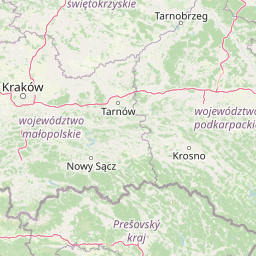
The park's most iconic feature is the Trzy Korony (Three Crowns) massif with its dramatic limestone cliffs rising above the Dunajec River, providing world-class viewpoints from its accessible summits. The wooden raft trips down the Dunajec Gorge offer a uniquely traditional way to experience the dramatic cliff scenery that has captivated visitors for generations. Sokolica peak hosts a remarkable relict pine tree growing from a rock face, representing an endemic plant community found nowhere else. The meadows rank among Poland's most species-rich plant communities, supporting extraordinary floral diversity. The Apollo butterfly, one of Europe's most iconic protected species, thrives in the Pieniny meadows. The park's position on the Poland-Slovakia border allows visitors to view the complementary protected landscape across the boundary, with Pieninský národný park preserving the Slovakian side. The caves and rocky cliffs provide important habitat for bats, with 15 species recorded. The annual discovery of new species, particularly invertebrates, demonstrates that the park's biological richness continues to reveal itself to science.
Best time to visit Pieniny National Park
The Pieniny Mountains can be visited year-round, though each season offers distinctly different experiences. Spring brings exceptional wildflower displays in the meadows, with the richest floral communities typically at their peak in late May and early June. The mountain slopes become carpeted with цветы as the snow melts, and this is also when the Apollo butterflies begin to emerge. Summer offers the most popular conditions for hiking and the traditional raft trips on the Dunajec, though this is also the busiest period given the park's high visitor numbers. Autumn provides stunning fall colors in the forests and often clearer visibility from the peaks, while winter transforms the landscape with snow on the rock faces and offers a much quieter, more solitary experience of the mountain scenery. The viewing galleries at Trzy Korony and Sokolica make the park accessible to visitors who prefer not to undertake rigorous hiking, while the more adventurous can explore the deeper gorges and remote peaks.