Why Rotoroa Island stands out
Rotoroa is best known as a translocation site for endangered New Zealand birds, particularly takahē and Coromandel brown kiwi. The island's pest-free status makes it one of the safer refuges in the gulf, and it has been deliberately developed as a stepping stone for breeding populations of species that have struggled on the mainland. At the same time, the takahē recovery programme, kiwi crèche programme and large-scale native replanting have made it a visible symbol of active island restoration in the Auckland region.
Rotoroa Island history and protected-area timeline
For Māori, Rotoroa was never a settlement island because of its lack of springs or dependable freshwater sources, and it was treated as a place to visit rather than occupy. The first well-documented European-era act affecting the island was the 1826 purchase by the New Zealand Company aboard the Rosanna, in which Rotoroa, Pakatoa and Pakihi were sold for a double-barreled gun, eight muskets and a barrel of gunpowder. The deed was translated and co-signed by Thomas Kendall and witnessed by company men and Māori signatories.
In 1908, the Salvation Army bought the island for £400 from the Ruthe family as an extension of its alcohol and drug rehabilitation work on neighbouring Pakatoa, where men were treated at Home Bay on Rotoroa while women were treated on Pakatoa. The facility remained in operation for nearly a century before closing in 2005. A few years later, the Plowman family negotiated a 99-year lease from the Salvation Army, established the Rotoroa Island Trust and committed to a programme of restoration and public access. The island opened to the public in February 2011 for the first time in more than a century.
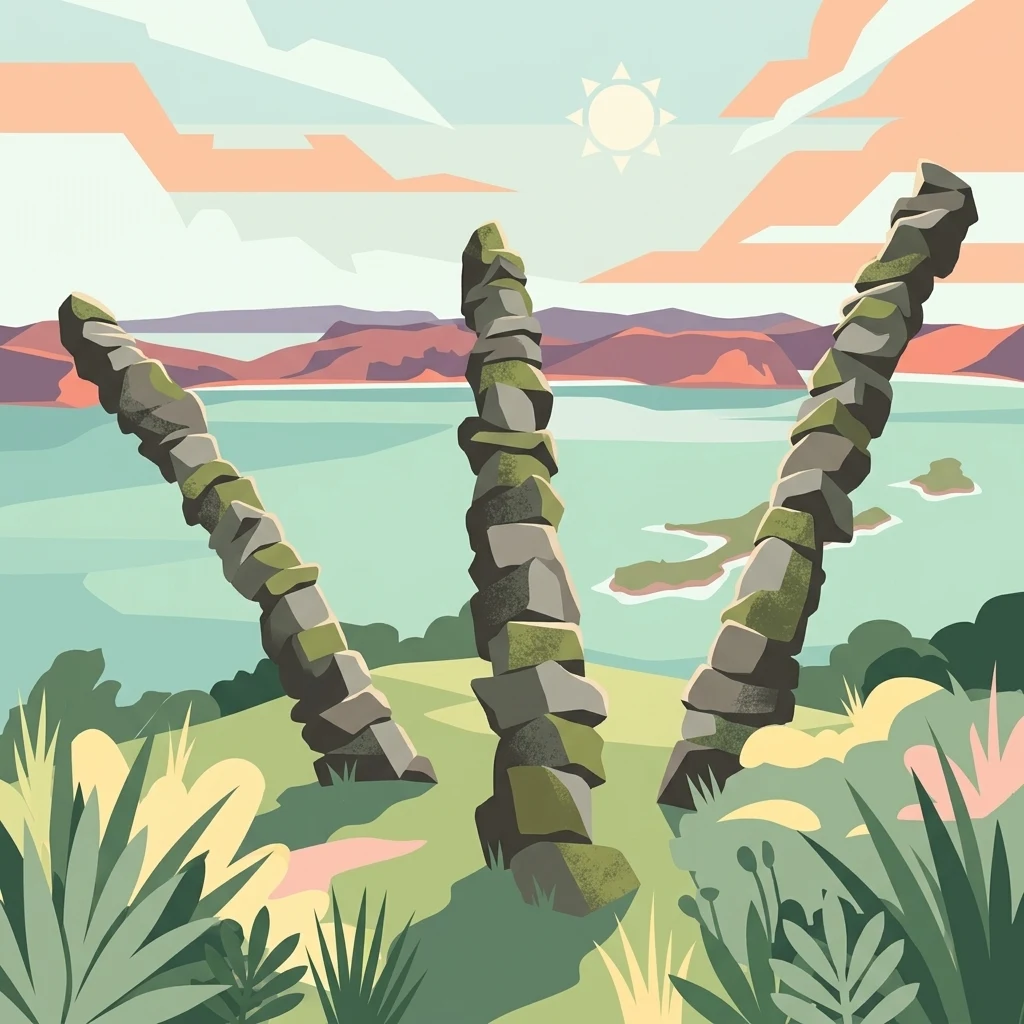
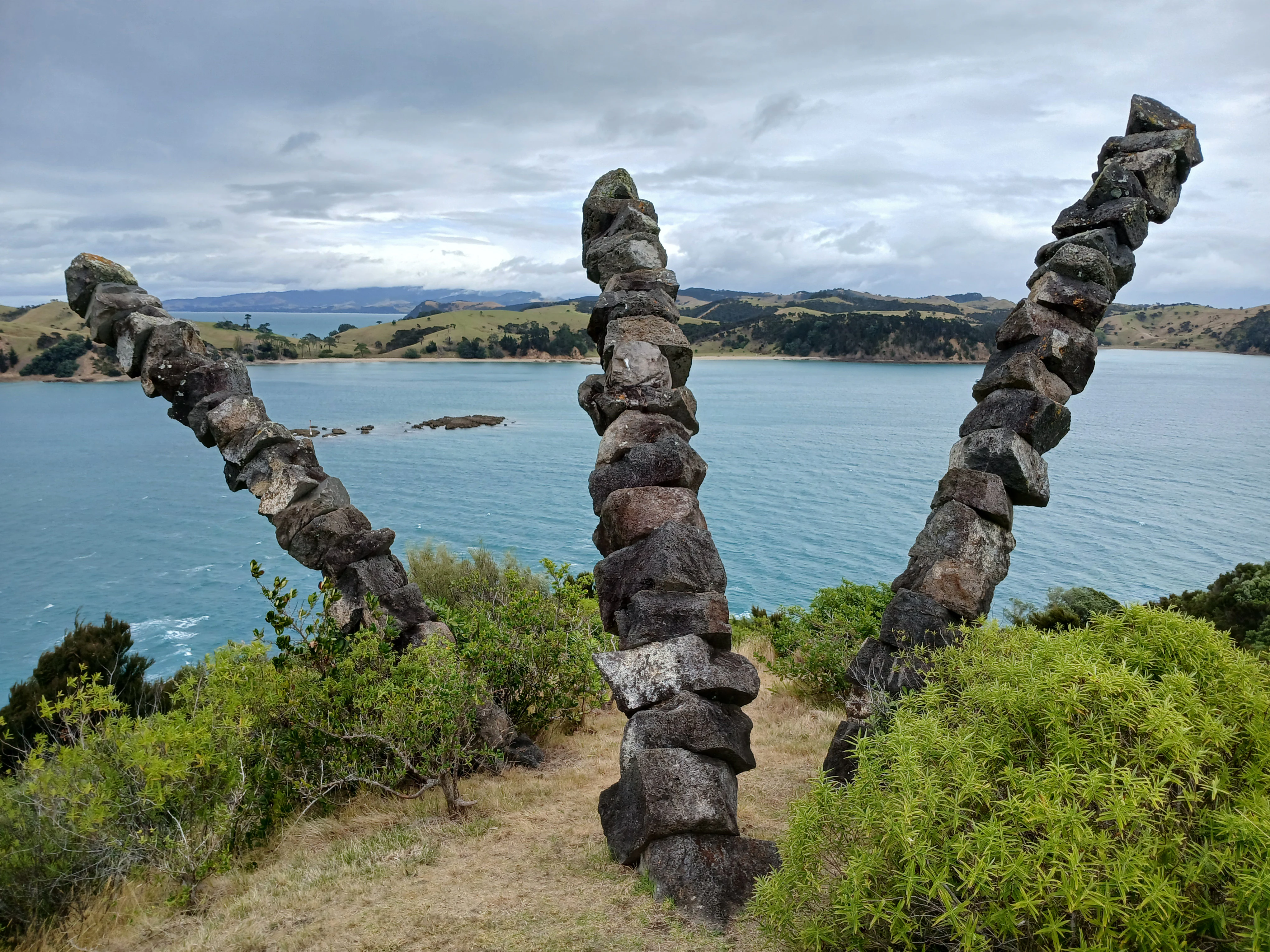
Since reopening, the trust has overseen removal of plantation pines, the planting of hundreds of thousands of native trees, the development of a museum in a wool-shed style building, the restoration of holiday homes and a hostel, and the installation of the Kaitiaki sculpture by Chris Booth in 2011. These projects have framed the island's present-day identity around heritage retention, ecological restoration and public access.
Rotoroa Island landscape and geographic character
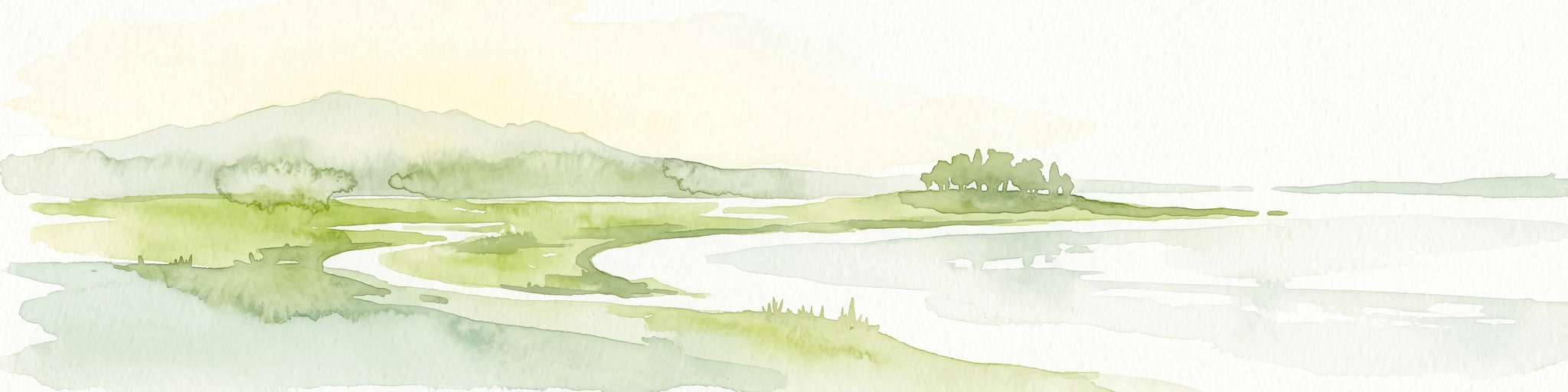
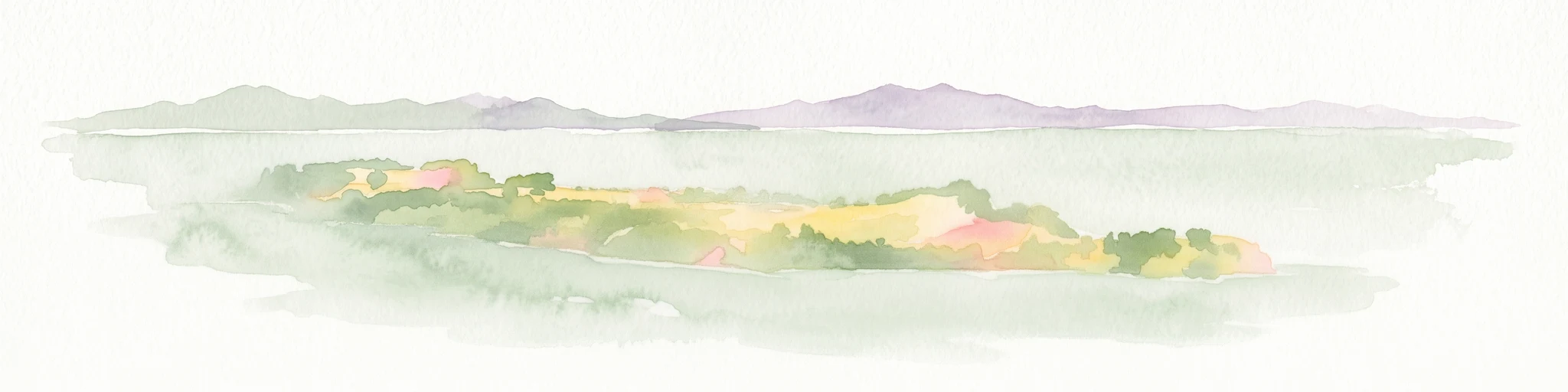
Rotoroa is a small, low-lying Hauraki Gulf island of roughly 82 hectares, ringed by coastline typical of the inner gulf and backed by terrain that was historically dominated by exotic pine plantation before restoration began. The absence of natural springs shapes both its human history and its ecological character, while the relatively warm gulf waters around it contribute to a mild maritime climate.
The visual character of the island is now one of regenerating native bush rather than the older plantation forest that once covered most of it. Cleared pine areas have been replaced by mixed native plantings across the interior, while coastal edges, walking tracks and open grassed areas around the former treatment facility give the island a varied mosaic of habitats. The southern point hosts the Kaitiaki sculpture and offers an open landscape framing point across the gulf towards Waiheke and the Coromandel approaches.
Because the island is small and pest-free, its landscape is also a managed landscape. Tracks, accommodation areas and heritage buildings are concentrated, while large parts of the interior are deliberately left as quiet regenerating forest for wildlife. The combination of open coastal views, native canopy and surprisingly intact built heritage gives Rotoroa a sense of layered space unusual for an island of its size.
Rotoroa Island ecosystems, habitats, and plant life
Rotoroa's ecological identity is built around its pest-free status, established through an extensive eradication programme, and the subsequent use of the island as a refuge for endangered native species. Following the removal of pests and the large-scale restoration of native vegetation, the trust and its partners have worked to build a functioning native ecosystem where several threatened birds and reptiles now breed in relative safety.
The vegetation profile is dominated by planted native forest, comprising 27 species and over 400,000 trees planted before the 2011 public opening, alongside a mature fringe that includes remnant coastal vegetation. Kauri seedlings donated by the Kauri 2000 Trust and BNZ have been added to the plantings, giving the canopy a more representative New Zealand character than the earlier exotic pine cover. The trust has described the island as carbon neutral, with the planted trees calculated to offset more than twice the emissions produced on-site.
Ecologically, the island now functions less as a wild forest and more as an actively curated conservation habitat. Native reptiles such as shore skinks and moko skinks are present, while the understorey and open grassy clearings provide varied foraging conditions for translocated birds. The pest-free boundary is critical, because many of the species released here would face heavy predation if returned to the mainland without intensive control.
Rotoroa Island wildlife and species highlights
Wildlife is one of the core reasons Rotoroa has public interest today. The island's pest-free environment makes it suitable for a number of New Zealand's most threatened native bird species, which have been translocated here as part of national recovery programmes. Among the species associated with Rotoroa are takahē, pāteke (brown teal), tīeke (saddleback), grey-faced petrels, weka and North Island brown kiwi.
Kiwi are particularly prominent. Rotoroa acts as a crèche for Coromandel brown kiwi, with chicks released to the island when they are only a few weeks old and weighing around 250 to 300 grams, allowing them to grow up largely free from mammal predation. Every two years, the trust conducts a kiwi muster: once the kiwi reach roughly one kilogram, they are considered better able to defend themselves against stoats and feral cats, and some are returned to the Coromandel while others are moved to nearby Motutapu Island to start a new population.
Takahē are another focus. The Takahē Recovery Programme, managed by the Department of Conservation in partnership with iwi and Fulton Hogan, has identified Rotoroa as a safe site and one of the sanctuaries working toward a national breeding-pair target. Smaller species such as popokotea (whitehead), along with reintroduced skinks, round out the fauna profile and contribute to a community that covers forest birds, wetland-associated ducks and ground-dwelling reptiles.
Rotoroa Island conservation status and protection priorities
Conservation sits at the heart of Rotoroa's modern purpose. Once a privately run rehabilitation island with a plantation pine cover, the property has been deliberately re-engineered as a sanctuary where pest-free status, native reforestation and species translocation work together. The trust partnered with Auckland Zoo to design and implement the wildlife programme, and the island's protected status underpins the credibility of its recovery work.
The conservation model combines several elements: complete pest eradication, replacement of exotic plantation with mixed native forest, ongoing monitoring of released species, and active cooperation with national recovery programmes for brown kiwi and takahē. By providing a secure nursery environment for chicks and a safe adult habitat for vulnerable populations, Rotoroa adds directly to the resilience of species that have been pushed to the edge on the mainland by introduced predators.
Beyond species-specific work, the island offers a model of small-scale island restoration in a heavily populated region. Within an hour of central Auckland, an 82-hectare island has been converted from a working institutional site to a publicly accessible sanctuary with a self-declared carbon-neutral forest profile, demonstrating how brief but intensive restoration can produce both ecological and community value.
Rotoroa Island cultural meaning and human context
Rotoroa's cultural context is layered rather than singular. The earliest layer is Māori, with a documented pattern of visit rather than settlement driven by the absence of freshwater, and a shared 1826 land transaction involving neighbouring islands that remains part of the documented history of European contact in the gulf.
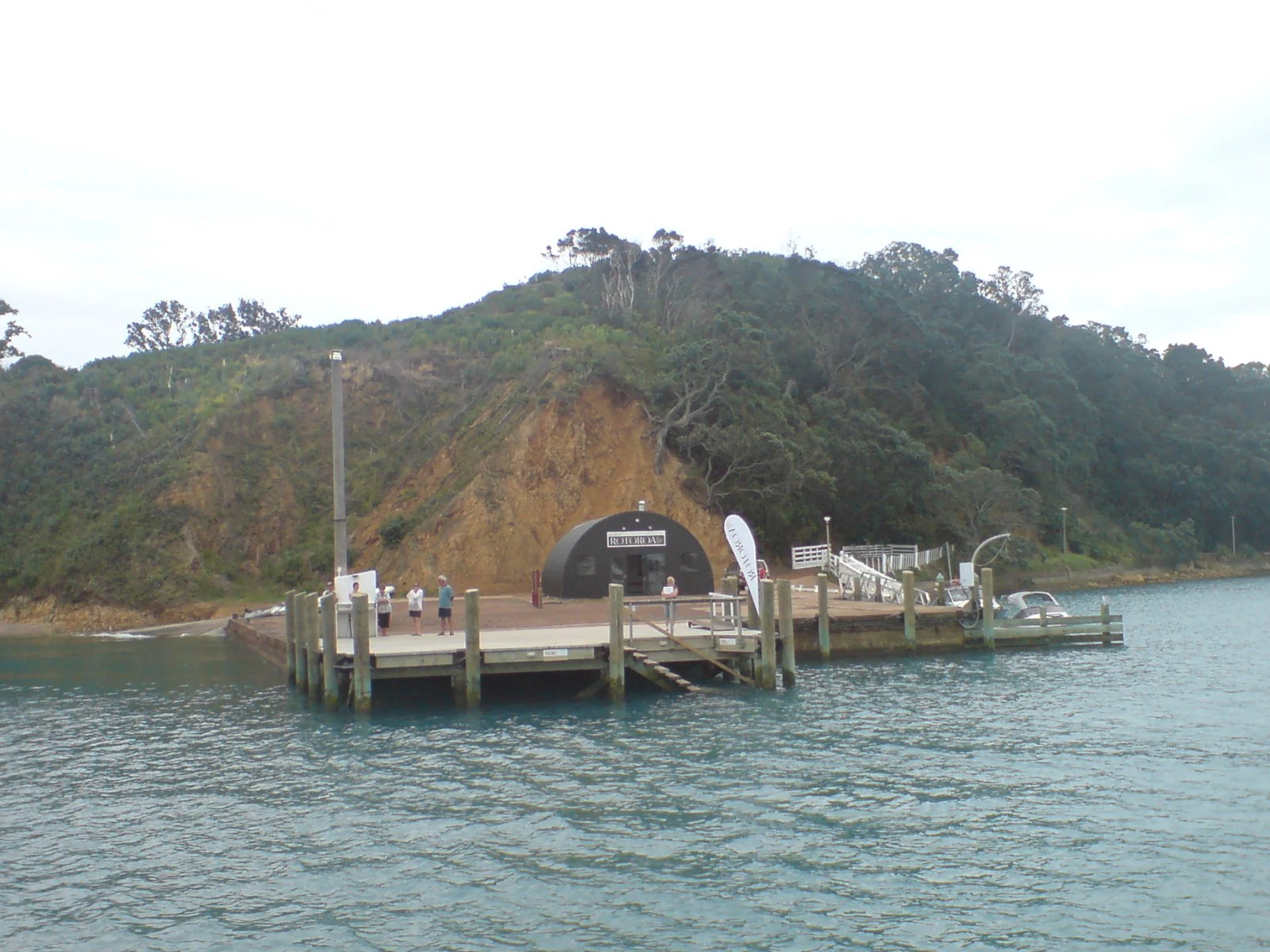
The next major layer is the Salvation Army era, which left a built environment of treatment buildings, a wharf and shelters that still define parts of the island. The treatment programme itself, addressing alcohol and drug rehabilitation separately for men on Rotoroa and women on Pakatoa, represents an important chapter in New Zealand's social welfare history. The closure of that programme in 2005, followed by the long lease and the establishment of the Rotoroa Island Trust, marked a deliberate shift from institutional use to public access and ecological restoration.
Contemporary cultural markers include the Rotoroa Island Museum, designed in the form of a New Zealand wool shed; the holiday homes and hostel that were restored for public stays; and the Kaitiaki sculpture by Chris Booth, which reflects a guardianship ethic and gives the southern end of the island an interpretive focal point. Together, these features give Rotoroa a cultural identity that fuses indigenous contact history, early twentieth-century social care and modern conservation philanthropy.
Top sights and standout views in Rotoroa Island
Rotoroa Island combines three distinctive draws in a small Hauraki Gulf footprint: a pest-free endangered-species sanctuary, an active native reforestation project with hundreds of thousands of planted trees, and a set of preserved heritage buildings from the Salvation Army's long-running rehabilitation programme. Its kiwi crèche work and takahē breeding-site role directly contribute to national species recovery efforts, while its museum, hostel and restored holiday homes make the island accessible to visitors from Auckland.
The island's compactness is part of its appeal. Visitors can engage with wildlife conservation, native bush restoration, coastal scenery and built heritage within a single short visit, and the location east of Waiheke gives it a strong sense of being a 'real gulf island' despite its proximity to the city. The combination of science, restoration and heritage makes Rotoroa stand out from purely beach-oriented gulf destinations.
Best time to visit Rotoroa Island
Rotoroa has a mild, maritime Hauraki Gulf climate, with warm summers and mild winters, allowing visits to be comfortable across much of the year. The warmer months, roughly late spring through early autumn, are generally the most pleasant for walking the tracks, enjoying coastal views and combining a day visit with beach or picnic time, as well as for seeing native bush and associated birdlife at their most active.
Cooler months can still work well for visitors focused on heritage buildings, the museum and quiet contemplation of the restoration project, though shorter days reduce the scope for outdoor exploration. Because the island is pest-free and ecologically managed, the best experiences generally come from aligning visits with favourable weather, comfortable walking conditions and a willingness to allow time for both wildlife observation and the island's heritage sites.