America's first national forest, spanning the Greater Yellowstone Ecosystem.
Shoshone National Forest
Shoshone National Forest is the first federally protected national forest in the United States, set aside as part of the Yellowstone Timberland Reserve in 1891 and signed into law by President Benjamin Harrison. It covers nearly 2.5 million acres across the mountainous interior of northwestern Wyoming, bordering Yellowstone National Park to the west and stretching between the Absaroka, Beartooth, and Wind River ranges.
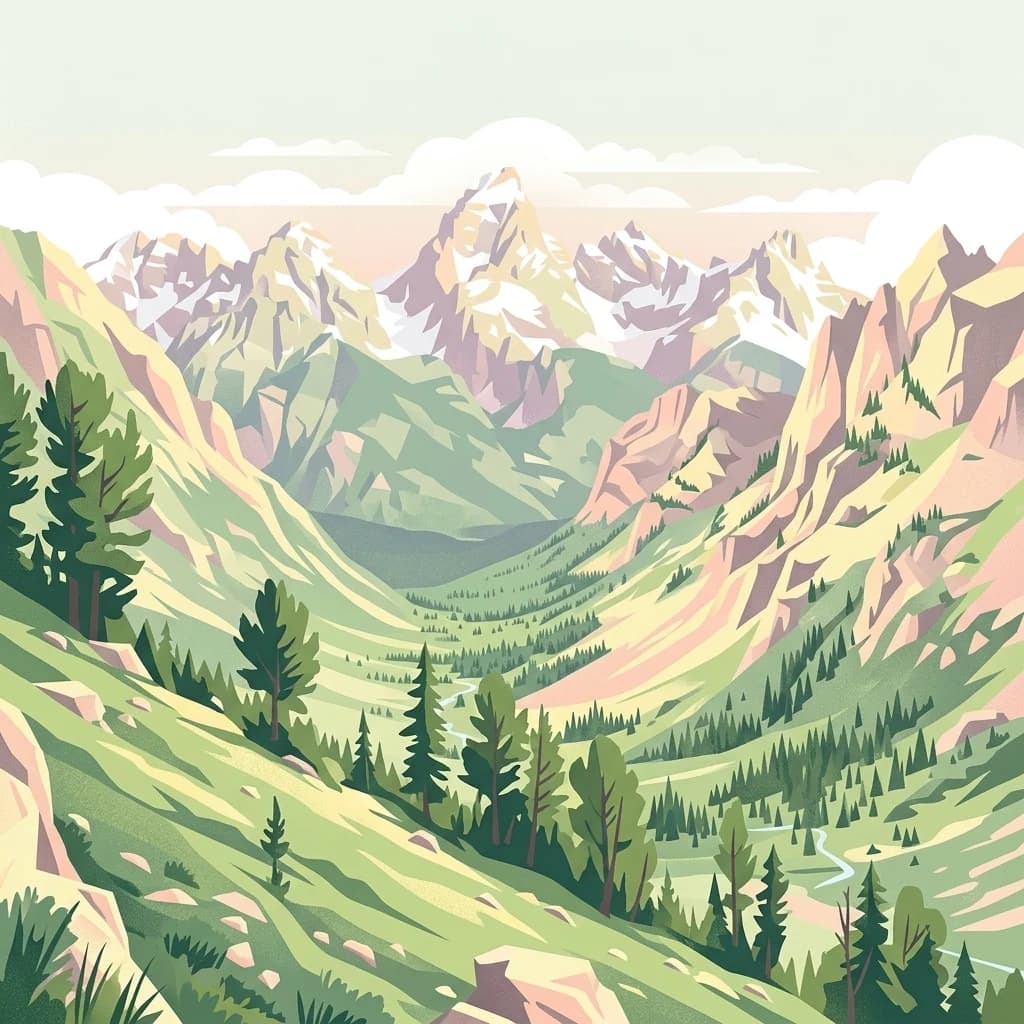
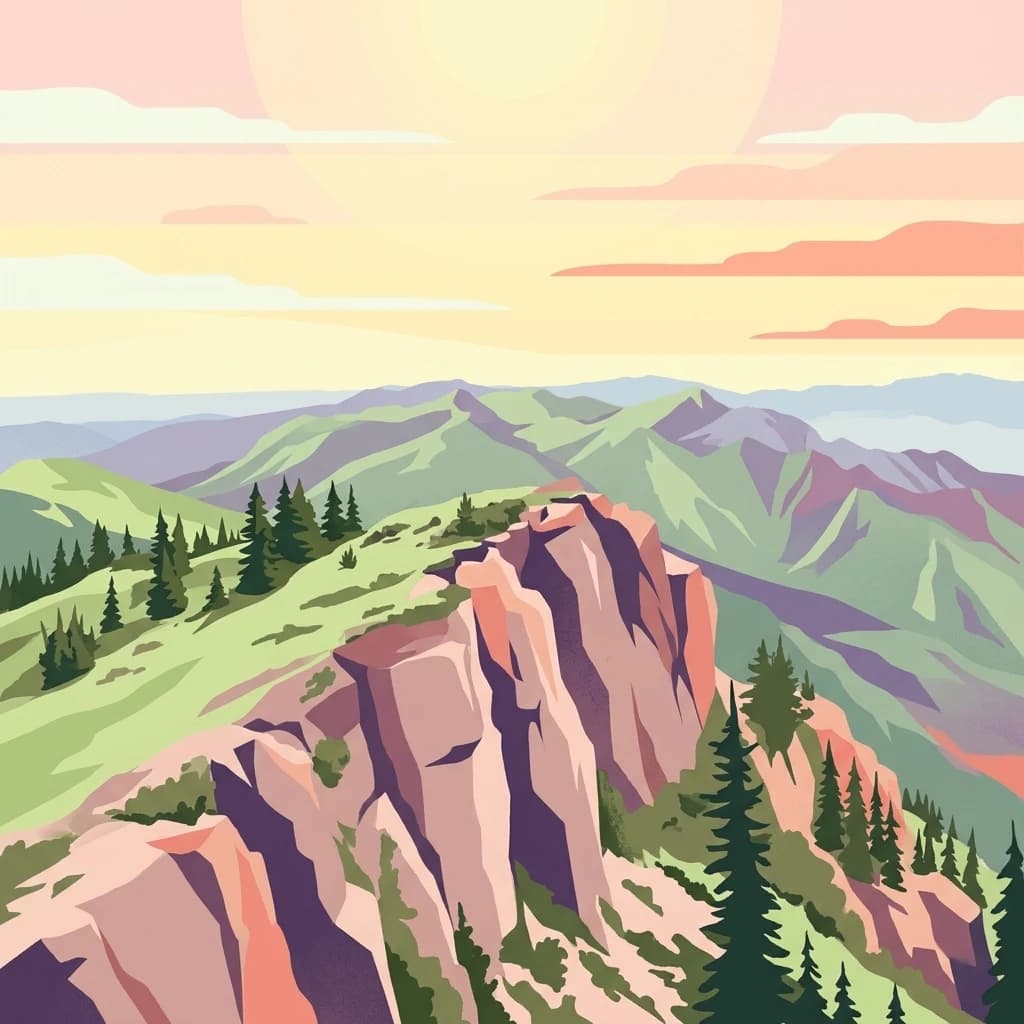
The forest is a central component of the Greater Yellowstone Ecosystem, a vast contiguous block of federally protected land that supports one of the most intact assemblages of native flora and fauna in the lower 48 states. Elevations span more than 9,000 vertical feet, from sagebrush lowlands near Cody to glacier-capped granite peaks of the Wind River Range, including Gannett Peak, the highest point in Wyoming. Shoshone protects over half of its acreage as designated wilderness, anchoring major wilderness areas such as the Fitzpatrick, North Absaroka, Washakie, Popo Agie, and a portion of the Absaroka-Beartooth.
The forest is recognized for its historic significance as the birthplace of American national forest policy, for its dramatic mountain scenery, for its populations of grizzly bears, gray wolves, bighorn sheep, and elk, and for its role as a gateway to Yellowstone. It is also the first federally protected land of any kind in the United States, giving it a unique place in the history of American conservation.