Why South Luangwa National Park stands out
South Luangwa is renowned for its exceptional wildlife viewing, particularly during the dry season when animals congregate along the river and lagoons. The park is famous for its high density of leopards, with the Nsefu Sector supporting some of the highest recorded populations in southern Africa. It is notable for endemic wildlife species such as Cookson's wildebeest and Crawshay's zebra, which are found nowhere else in significant numbers. The park offers excellent opportunities for walking safaris and photographic game drives, with encounters featuring elephant, buffalo, giraffe, lion, spotted hyena, and African wild dog. The dramatic Luangwa Valley landscape, with its steep escarpment backdrop and meandering river ecosystems, provides a stunning setting for wildlife observation.
South Luangwa National Park history and protected-area timeline
The conservation history of South Luangwa National Park spans more than a century and represents a significant evolution in African wildlife protection philosophy. The area was initially established as Luangwa Game Reserve in 1904, making it one of the earliest protected areas in Zambia. The formal recognition of the area's conservation significance came during the colonial period when portions of tribal land were set aside for wildlife protection in the 1950s.
British conservationist Norman Carr played a pivotal role in shaping the future of South Luangwa and influencing conservation approaches throughout Africa. Carr challenged the prevailing paradigm of hunting-based safari tourism and pioneered a new model of conservation through community-based tourism. In the 1950s, he established the first game viewing camp in what would become South Luangwa National Park, creating an experience built on photographic observation rather than hunting. This revolutionary approach channeled tourism revenues back into local communities, establishing a sustainable funding model that aligned economic incentives with conservation outcomes.
The park was officially designated as a national park in 1972, formalizing its protection status and bringing it under the management of the Zambia Wildlife Authority. Despite its protected status, the park has faced significant conservation challenges. The park's black rhino population was extirpated by 1987 due to poaching pressure, and elephant populations have experienced periods of significant stress. However, the park has generally maintained stronger protection relative to many African protected areas.
In 2005, South Luangwa was designated as a Lion Conservation Unit together with neighboring North Luangwa National Park, recognizing its importance for the long-term survival of African lion populations. The park's Nsefu Sector continues to operate under a model of community engagement through the Mwanya Chiefdom, representing a long-standing example of indigenous community involvement in wildlife protection.
South Luangwa National Park landscape and geographic character
The physical landscape of South Luangwa National Park is defined by the geological and geomorphological processes that have shaped the Luangwa River valley over millions of years. The valley represents the southern extension of the East African Rift system, a tectonic feature that has created a distinctive linear depression through which the Luangwa River flows northward before joining the Zambezi system. This rift valley setting has produced a landscape of remarkable topographic contrast, with the valley floor lying significantly below the surrounding plateau regions.
The dominant geomorphological feature is the Luangwa River itself, a meandering watercourse that forms the park's eastern boundary. The river follows a sinuous course characterized by numerous oxbow lagoons, old river channels, and seasonally inundated floodplains. These wetland features create a complex hydrological system that shifts with seasonal rainfall patterns and provides critical habitat for both aquatic and terrestrial species.
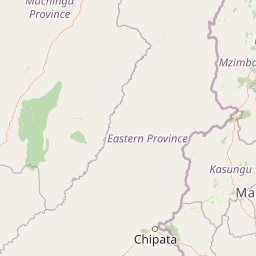
To the west, the landscape rises sharply along the face of the Muchinga Escarpment, a dramatic cliff line that marks the boundary between the valley floor and the higher ground of the Muchinga and Central Provinces. This steep escarpment creates a visually striking backdrop and influences local climate patterns. The park's interior contains varied terrain of gentle slopes, seasonal watercourses, and scattered rocky outcrops, with soils generally sandy and supporting the woodland vegetation that characterizes the region.
South Luangwa National Park ecosystems, habitats, and plant life
The ecological character of South Luangwa National Park is defined by its position within two major African biomes and the influence of its hydrological systems. The park encompasses portions of both the Southern Miombo woodlands and the Zambezian and Mopane woodlands ecoregions, creating a complex mosaic of habitat types that supports exceptional biodiversity. The distribution of these ecoregions follows a clear topographical pattern, with miombo woodlands dominating the higher elevations and mopane woodlands occupying the warmer, drier valley floor.
The Southern Miombo woodlands are characterized by a canopy of deciduous trees that lose their leaves during the dry season, creating a park-like landscape of scattered trees over a grassy understory. These woodlands support a distinctive suite of plant and animal species adapted to seasonal rainfall patterns and relatively nutrient-poor soils. The miombo ecosystem is particularly important for birdlife, with numerous species specializing in this habitat type.
The Zambezian and Mopane woodlands found at lower elevations are adapted to higher temperatures and lower rainfall. The mopane tree is particularly distinctive, with its characteristic butterfly-shaped leaves and ability to thrive where other tree species struggle. These woodlands provide important dry-season browse for large herbivores including elephant and giraffe. The river and lagoon systems represent a critical ecological component, creating riparian habitats that differ markedly from the surrounding woodlands.
South Luangwa National Park wildlife and species highlights
South Luangwa National Park supports exceptional mammalian biodiversity with more than 60 species recorded within its boundaries. The park is particularly renowned for its populations of large mammals, including the African bush elephant, African buffalo, and Rhodesian giraffe, which occur in significant numbers throughout the park. Herds of elephant are a common sight, particularly along the river corridors and around lagoon areas where they congregate to drink and feed.
The predator community is exceptionally well-represented, with all of Africa's major carnivores present. The leopard population is particularly notable, with the Nsefu Sector supporting some of the highest recorded densities of this elusive big cat in southern Africa. Lions are also common, with the park's lion population forming part of a Lion Conservation Unit. Spotted hyenas maintain viable populations, and the park supports one of the last remaining populations of African wild dogs in Zambia.
The park is notable for several species of conservation significance that are either endemic or near-endemic to the Luangwa Valley. Cookson's wildebeest and Crawshay's zebra represent distinct subspecies that are largely restricted to this region, making South Luangwa one of the few places where these animals can be observed in significant numbers. The bird fauna is equally impressive, with more than 400 species recorded in the park.
South Luangwa National Park conservation status and protection priorities
South Luangwa National Park represents a critical component of Zambia's protected area network and serves as a stronghold for numerous species of conservation concern. The park's designation as an IUCN Category II protected area reflects its primary objective of conserving natural ecosystems while allowing for sustainable visitor use. This dual mandate positions South Luangwa as a model for integrating wildlife protection with tourism-based economic development.
The park has faced significant conservation challenges over the years. The black rhino population was eliminated through poaching by 1987, representing a significant loss for a species that once occurred throughout the Luangwa Valley. Elephant populations have experienced periodic pressure from poaching, though the park has generally maintained stronger protection than many neighboring areas. The persistent threat of poaching underscores the ongoing challenges facing African protected areas.
The recognition of the park as a Lion Conservation Unit together with North Luangwa National Park highlights its importance for large carnivore conservation at a regional scale. The Nsefu Sector demonstrates a model of community-based conservation through the involvement of the Mwanya Chiefdom in land management and wildlife protection. This approach recognizes that the long-term success of conservation in Africa depends on engaging local communities as partners in protected area management.
South Luangwa National Park cultural meaning and human context
The cultural landscape of South Luangwa National Park is deeply intertwined with the history and traditions of the peoples who have inhabited the Luangwa Valley over generations. The region is home to various ethnic groups whose relationship with the land and its wildlife has evolved over centuries of coexistence. Traditional land use practices, including seasonal grazing and resource gathering, have shaped the landscape in ways that predate formal protected area establishment.
The establishment of the park has had complex implications for local communities. The creation of the protected area restricted access to traditional lands and resources. However, the conservation tourism model pioneered by Norman Carr in the 1950s was specifically designed to channel economic benefits back to local communities, creating an alternative to extractive use of wildlife resources.
The Mwanya Chiefdom represents a particularly notable example of ongoing community engagement with conservation in the Nsefu Sector. The traditional custodianship arrangements in this area have created a framework for community involvement in wildlife protection that predates many formalized community conservation programs elsewhere in Africa.
The park is accessed primarily through Mfuwe, a settlement located outside the eastern boundary that has developed as a service center for the tourism industry. Mfuwe Airport provides air connections to Lusaka and other destinations, making the park accessible to international visitors while maintaining the protected area's separation from major population centers.
Top sights and standout views in South Luangwa National Park
The exceptional density of leopards in the Nsefu Sector stands as one of the park's most remarkable wildlife viewing opportunities, offering visitors a high probability of encountering this normally elusive predator. The annual wildlife concentrations around permanent water sources create spectacular viewing of elephants, buffalo, and other species along the river and lagoon systems. The endemic wildlife, including Cookson's wildebeest and Crawshay's zebra, provides unique viewing opportunities found in few other locations on Earth.
The dramatic landscape of the Luangwa Valley, with the steep Muchinga Escarpment as a backdrop, creates a visually stunning setting for wildlife photography and observation. The park's role as the birthplace of the walking safari offers visitors the chance to experience Africa's wildlife on foot, an increasingly rare opportunity. The opportunity to observe the ecological relationships between species, such as the interaction between hippos, fish, and crocodiles in the river system, provides educational value beyond simple species lists.
Best time to visit South Luangwa National Park
The optimal time to visit South Luangwa National Park aligns with the dry season, typically from April to October, when wildlife congregates around permanent water sources and vegetation is less dense, improving visibility for game viewing. The period from June to September represents the peak safari season, with animals concentrated along the river and lagoons providing exceptional viewing opportunities. The shoulder months of April, May, and October offer the advantages of fewer visitors while still providing good wildlife viewing conditions.
The wet season from November to March transforms the landscape dramatically, with the floodplains becoming lush and green and migratory bird species arriving in force. While wildlife viewing becomes more challenging as animals disperse across the wider landscape, the wet season offers its own rewards, including dramatic thunderstorms, newborn animals, and a different aspect of the park's ecological character. Walking safaris are generally more comfortable during the cooler dry-season months.