Why North Luangwa National Park stands out
North Luangwa National Park is best known for its population of Cookson's wildebeest and Crawshay's zebra, which represent distinctive subspecies found primarily in this region. The park gained significant conservation importance with the reintroduction of black rhinoceroses in 2003. Since 2005, the park has been recognized as part of a Lion Conservation Unit together with South Luangwa National Park. The extensive miombo woodlands and riverine habitats support remarkable biodiversity including numerous antelope species and birdlife, while the southern wilderness zone offers a pristine, undeveloped exploration experience rarely found in more visited African parks.
North Luangwa National Park history and protected-area timeline
The area that now comprises North Luangwa National Park was first protected as a game reserve in 1938, establishing an early conservation framework for the Luangwa Valley's wildlife. This designation reflected growing recognition of the region's ecological importance during the colonial period. In 1972, the reserve was elevated to national park status, providing stronger legal protection and formal recognition as a premier conservation area. A significant conservation milestone occurred in 2003 when black rhinoceroses were reintroduced to the park, representing efforts to restore species that had been eliminated from the area through poaching. The park's conservation role was further enhanced in 2005 when it was incorporated into a Lion Conservation Unit recognized by conservation organizations, acknowledging its importance for large predator populations alongside South Luangwa National Park.
North Luangwa National Park landscape and geographic character
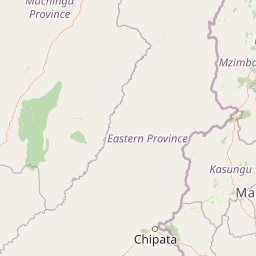
The physical landscape of North Luangwa National Park encompasses a remarkable variety of terrain shaped by the Luangwa River system and the geological formations of the Muchinga Escarpment. The eastern portion of the park is defined by the Luangwa River, whose seasonal flood cycles create expansive floodplains, oxbow lagoons, and riverine forest zones that provide critical habitat for water-dependent wildlife. Moving westward, the terrain gradually rises as the landscape transitions from valley floor to the foothills of the Muchinga Escarpment, a dramatic escarpment system that marks the western boundary of the Luangwa Valley. The Mwaleshi River originates in the escarpment and flows eastward through the center of the park, cutting a valley through the woodlands and creating important water sources and riparian habitat. The park's diverse landforms support a mosaic of vegetation types including miombo woodlands on the higher ground, riverine forests along watercourses, and more open grasslands in the floodplain zones.
North Luangwa National Park ecosystems, habitats, and plant life
The ecological character of North Luangwa National Park is defined by its extensive miombo woodland ecosystems, which dominate the park's interior areas and represent one of Africa's most widespread woodland types. Miombo forest, characterized by brachystegia and julbernardia tree species, covers much of the higher terrain and supports a distinctive community of organisms adapted to these seasonal woodlands. A mycological survey conducted during the 1994-1995 rainy season documented 126 fungal species from 33 families in the park's riverine habitats and miombo woodlands, with particular attention to ectomycorrhizal associates of miombo trees, indicating a rich below-ground fungal community. The riverine environments along the Luangwa and Mwaleshi rivers provide contrasting habitats with their gallery forests and wetlands, supporting different species assemblages including waterfowl, hippos, and crocodiles. The combination of woodland, river, and floodplain habitats creates ecological diversity disproportionate to the park's relatively modest visitor recognition.
North Luangwa National Park wildlife and species highlights
North Luangwa National Park protects significant populations of several notable ungulate species, including Cookson's wildebeest and Crawshay's zebra, both of which represent subspecies endemic to this region of Zambia. Large herds of various antelope species traverse the woodlands and floodplains, while the river systems support hippo and crocodile populations. The reintroduction of black rhinoceroses in 2003 marked the return of a species that had been lost to poaching, contributing to broader rhino conservation efforts in Zambia. The park's designation as part of a Lion Conservation Unit since 2005 acknowledges its importance for maintaining viable lion populations in the Luangwa Valley ecosystem. Birdlife is abundant, with numerous species inhabiting the various habitats from woodland to riverine environments. The relatively limited human activity in the park, particularly in the southern wilderness zone, provides relatively undisturbed conditions for wildlife.
North Luangwa National Park conservation status and protection priorities
North Luangwa National Park plays a critical role in the conservation network of the Luangwa Valley, functioning as a northern anchor within a system of connected protected areas and game management zones. The park is integrated into a broader conservation landscape through surrounding Game Management Areas that provide wildlife corridors linking North Luangwa to South Luangwa and Luambe National Parks. The 2003 black rhinoceros reintroduction demonstrates active species restoration efforts, while the park's inclusion in a Lion Conservation Unit since 2005 reflects recognition of its significance for large predator conservation. The southern wilderness zone represents a strict protection approach that limits human disturbance to preserve natural ecological processes. However, the park has historically faced challenges including limited investment, reduced anti-poaching capacity, and lower priority compared to South Luangwa, creating ongoing conservation challenges despite the area's ecological importance.
Top sights and standout views in North Luangwa National Park
North Luangwa National Park offers a wilder, less developed alternative to better-known safari destinations, with its Cookson's wildebeest and Crawshay's zebra populations representing species found primarily in this valley. The 2003 rhino reintroduction and 2005 Lion Conservation Unit designation highlight the park's conservation significance. The strict wilderness zone in the south provides access to some of Zambia's most undisturbed terrain. The Mwaleshi River valley and miombo woodlands create scenic diversity, while the park's connectivity to other Luangwa Valley protected areas through Game Management Areas supports large-scale wildlife movements.