Mori Atlas logo
National parkNorth Luangwa National Park

Discover the mapped boundaries and regional setting of this key protected area in Muchinga Province.

North Luangwa National Park: National Park Protected Landscape and Geographic Context

North Luangwa National Park represents a significant protected landscape within Zambia's Muchinga Province. As a national park, its mapped boundaries define a key geographic area for understanding regional conservation and natural terrain. This page serves as an atlas-oriented entry point, highlighting the park's role in the broader geography of Zambia and offering insights into its protected landscape identity for detailed exploration.

ZambiaNational ParkMiombo WoodlandWildlife ConservationLuangwa ValleyLion Conservation

North Luangwa National Park

National park

Park overview

Structured park overview, official facts, and landscape profile for North Luangwa National Park

North Luangwa National Park park facts, protected area profile, and essential visitor context
Review the core facts for North Luangwa National Park, including designation, size, terrain, visitor scale, habitats, and operating context in one park-focused overview.

About North Luangwa National Park

North Luangwa National Park represents one of Zambia's most significant but lesser-known protected wilderness areas. Located in the northern reaches of the Luangwa Valley, the park spans roughly 4,636 square kilometers of varied terrain that transitions from the Luangwa River floodplains in the east to the forested slopes of the Muchinga Escarpment in the west. This topographic diversity creates multiple distinct habitats within a single protected area, from riverine forests and seasonal wetlands to miombo woodland and rocky escarpment terrain. The park serves as the northern anchor in a chain of protected areas that includes South Luangwa National Park to the south and Luambe National Park, all connected through surrounding Game Management Areas that function as wildlife corridors and buffer zones. Unlike its more famous southern neighbor, North Luangwa has maintained a wilder, less developed character due to limited infrastructure investment and lower visitor numbers. The Mwaleshi River flows across the park from west to east, dividing the landscape and creating distinct ecological zones, while the southern portion is designated as a strict wilderness zone where human activity is minimized to preserve natural processes.

Quick facts and research context for North Luangwa National Park

Located in Mpika District of Muchinga Province, North Luangwa National Park encompasses 4,636 km² of diverse terrain. The park's eastern boundary follows the Luangwa River while its western reaches extend into the Muchinga Escarpment foothills. The Mwaleshi River bisects the park from west to east, and the southern sector is designated as a strict wilderness area. Administered by the Zambia Wildlife Authority and classified as IUCN Category II, the park was elevated from its 1938 game reserve status to national park in 1972.

Park context

Deeper park guide and search-rich context for North Luangwa National Park

North Luangwa National Park history, landscape, wildlife, and travel context
Explore North Luangwa National Park through its history, landscape character, ecosystems, wildlife, conservation priorities, cultural context, and seasonal travel timing in a structured park guide built for atlas discovery and search intent.

Why North Luangwa National Park stands out

North Luangwa National Park is best known for its population of Cookson's wildebeest and Crawshay's zebra, which represent distinctive subspecies found primarily in this region. The park gained significant conservation importance with the reintroduction of black rhinoceroses in 2003. Since 2005, the park has been recognized as part of a Lion Conservation Unit together with South Luangwa National Park. The extensive miombo woodlands and riverine habitats support remarkable biodiversity including numerous antelope species and birdlife, while the southern wilderness zone offers a pristine, undeveloped exploration experience rarely found in more visited African parks.

North Luangwa National Park history and protected-area timeline

The area that now comprises North Luangwa National Park was first protected as a game reserve in 1938, establishing an early conservation framework for the Luangwa Valley's wildlife. This designation reflected growing recognition of the region's ecological importance during the colonial period. In 1972, the reserve was elevated to national park status, providing stronger legal protection and formal recognition as a premier conservation area. A significant conservation milestone occurred in 2003 when black rhinoceroses were reintroduced to the park, representing efforts to restore species that had been eliminated from the area through poaching. The park's conservation role was further enhanced in 2005 when it was incorporated into a Lion Conservation Unit recognized by conservation organizations, acknowledging its importance for large predator populations alongside South Luangwa National Park.

North Luangwa National Park landscape and geographic character

The physical landscape of North Luangwa National Park encompasses a remarkable variety of terrain shaped by the Luangwa River system and the geological formations of the Muchinga Escarpment. The eastern portion of the park is defined by the Luangwa River, whose seasonal flood cycles create expansive floodplains, oxbow lagoons, and riverine forest zones that provide critical habitat for water-dependent wildlife. Moving westward, the terrain gradually rises as the landscape transitions from valley floor to the foothills of the Muchinga Escarpment, a dramatic escarpment system that marks the western boundary of the Luangwa Valley. The Mwaleshi River originates in the escarpment and flows eastward through the center of the park, cutting a valley through the woodlands and creating important water sources and riparian habitat. The park's diverse landforms support a mosaic of vegetation types including miombo woodlands on the higher ground, riverine forests along watercourses, and more open grasslands in the floodplain zones.

North Luangwa National Park ecosystems, habitats, and plant life

The ecological character of North Luangwa National Park is defined by its extensive miombo woodland ecosystems, which dominate the park's interior areas and represent one of Africa's most widespread woodland types. Miombo forest, characterized by brachystegia and julbernardia tree species, covers much of the higher terrain and supports a distinctive community of organisms adapted to these seasonal woodlands. A mycological survey conducted during the 1994-1995 rainy season documented 126 fungal species from 33 families in the park's riverine habitats and miombo woodlands, with particular attention to ectomycorrhizal associates of miombo trees, indicating a rich below-ground fungal community. The riverine environments along the Luangwa and Mwaleshi rivers provide contrasting habitats with their gallery forests and wetlands, supporting different species assemblages including waterfowl, hippos, and crocodiles. The combination of woodland, river, and floodplain habitats creates ecological diversity disproportionate to the park's relatively modest visitor recognition.

North Luangwa National Park wildlife and species highlights

North Luangwa National Park protects significant populations of several notable ungulate species, including Cookson's wildebeest and Crawshay's zebra, both of which represent subspecies endemic to this region of Zambia. Large herds of various antelope species traverse the woodlands and floodplains, while the river systems support hippo and crocodile populations. The reintroduction of black rhinoceroses in 2003 marked the return of a species that had been lost to poaching, contributing to broader rhino conservation efforts in Zambia. The park's designation as part of a Lion Conservation Unit since 2005 acknowledges its importance for maintaining viable lion populations in the Luangwa Valley ecosystem. Birdlife is abundant, with numerous species inhabiting the various habitats from woodland to riverine environments. The relatively limited human activity in the park, particularly in the southern wilderness zone, provides relatively undisturbed conditions for wildlife.

North Luangwa National Park conservation status and protection priorities

North Luangwa National Park plays a critical role in the conservation network of the Luangwa Valley, functioning as a northern anchor within a system of connected protected areas and game management zones. The park is integrated into a broader conservation landscape through surrounding Game Management Areas that provide wildlife corridors linking North Luangwa to South Luangwa and Luambe National Parks. The 2003 black rhinoceros reintroduction demonstrates active species restoration efforts, while the park's inclusion in a Lion Conservation Unit since 2005 reflects recognition of its significance for large predator conservation. The southern wilderness zone represents a strict protection approach that limits human disturbance to preserve natural ecological processes. However, the park has historically faced challenges including limited investment, reduced anti-poaching capacity, and lower priority compared to South Luangwa, creating ongoing conservation challenges despite the area's ecological importance.

Top sights and standout views in North Luangwa National Park

North Luangwa National Park offers a wilder, less developed alternative to better-known safari destinations, with its Cookson's wildebeest and Crawshay's zebra populations representing species found primarily in this valley. The 2003 rhino reintroduction and 2005 Lion Conservation Unit designation highlight the park's conservation significance. The strict wilderness zone in the south provides access to some of Zambia's most undisturbed terrain. The Mwaleshi River valley and miombo woodlands create scenic diversity, while the park's connectivity to other Luangwa Valley protected areas through Game Management Areas supports large-scale wildlife movements.

Park location guide

Geography guide, regional context, and park location map for North Luangwa National Park

North Luangwa National Park park geography, regions, and map view in Zambia
Understand where North Luangwa National Park sits in Zambia through a broader geographic reading of the surrounding landscape, nearby location context, and its mapped position within the national park landscape.

How North Luangwa National Park fits into Zambia

Zambia is a landlocked nation in Southern Africa with a population of approximately 20 million people. The country is bordered by eight countries and features diverse geography ranging from the Zambezi River to vast plateaus. Lusaka serves as the capital and largest city, while the Copperbelt Province in the north drives much of the economy through copper mining.

Wider geography shaping North Luangwa National Park in Zambia

Zambia is located in Southern Africa and is landlocked, bordered by eight countries: Democratic Republic of the Congo to the north, Tanzania to the northeast, Malawi to the east, Mozambique to the southeast, Zimbabwe and Botswana to the south, Namibia to the southwest, and Angola to the west. The country features varied terrain including the Zambezi River plain in the south, plateaus in the central and northern regions, and the Muchinga Mountains in the northeast. Lake Tanganyika forms part of the northern border.

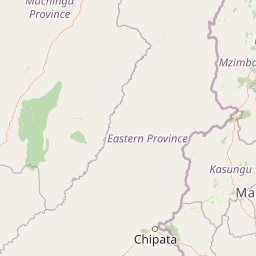
Map view of North Luangwa National Park

Use this park location map to pinpoint North Luangwa National Park in Zambia, understand its exact geographic position, and read its mapped placement within the surrounding landscape more clearly.

Pigeon | © OpenStreetMap contributors

Location context for North Luangwa National Park

Mpika DistrictMuchinga Province
Park atlas

Compare regional protected areas and mapped landscapes across Zambia's Luangwa River system.

Explore Other National Parks Near North Luangwa National Park and the Luangwa Valley
Continue your discovery of Zambia's protected areas by exploring national parks and conservation landscapes surrounding North Luangwa National Park. Compare the diverse miombo woodlands, riverine ecosystems, and escarpment terrain of adjacent regions to understand their unique geographic and conservation value.
National parkZambia

Luambe National Park: Detailed Geographic and Protected Area Atlas Information

Mapped landscape context within Zambia's natural regions.

This section provides an in-depth look at Luambe National Park, detailing its role as a protected area within the diverse geography of Zambia. Users can explore its mapped boundaries and understand its significance within the country's atlas of natural landscapes. The focus is on providing a concrete geographic perspective, essential for understanding how this national park fits into the regional conservation and landscape context of southern Africa.

Area
300 km²
IUCN
II
Relief
Upland
Climate
Tropical
National parkZambia

Lukusuzi National Park: Zambia's Protected National Park Geographic Context

Mapped protected area and regional landscape identity for Lukusuzi.

Gain detailed insights into Lukusuzi National Park, a key protected area in Zambia, through its geographic setting and mapped boundaries. This page provides essential context for understanding the park's landscape character and its significance within the national park atlas. Explore the fundamental protected-area geography of this distinct Zambian natural landscape.

IUCN
II
Access
Access unknown
Scope
Terrestrial
National parkZambia

South Luangwa National Park: Zambia's National Park Geographic Atlas and Protected Landscape

Explore mapped boundaries and regional context within this Zambian protected area.

South Luangwa National Park represents a vital national park within Zambia, offering a distinct focal point for atlas-based geographic exploration. This dedicated entry details the park's mapped area and its integration into the surrounding Zambian geography. Users seeking to understand protected landscapes, regional park distributions, and natural terrain context will find South Luangwa National Park a key reference for detailed mapping and landscape analysis.

Area
9,050 km²
Established
1972
IUCN
II
Relief
Mixed relief
National parkMuchinga Province

Lavushi Manda National Park: Zambian National Park with Mapped Protected Boundaries

Discover its regional geography and landscape context.

Lavushi Manda National Park represents a distinct protected landscape within Muchinga Province, Zambia. This page provides detailed insights into its geographic identity, mapped park boundaries, and its placement within the broader regional terrain. Utilize this resource for structured atlas exploration of the park's natural context and its significance as a conservation area, offering a foundation for understanding its environmental setting.

Area
1,500 km²
Established
1972
IUCN
II
Relief
Mixed relief
National park

Kasungu National Park: Protected Landscape and Geographic Atlas of Central Malawi

Explore Miombo woodlands and dambo grasslands across its mapped terrain.

Kasungu National Park is a key protected area in Malawi, offering insights into the geography of Central Malawi's savanna landscapes. This national park, covering over 2,300 square kilometres, is defined by its characteristic Miombo woodland interspersed with dambo grasslands and riverine habitats. Its location near the Zambian border provides a critical conservation corridor, making it an important entity for understanding regional protected land distribution and landscape ecology within the atlas.

Area
2,316 km²
Established
1970
IUCN
II
Relief
Mixed relief
National parkNorthern Province

Isangano National Park: Exploring Its Protected Landscape and Geographic Identity in Northern Province

Discover the mapped boundaries and regional context of this national park.

Isangano National Park stands as a protected national park within the vast geographic expanse of Zambia's Northern Province. This dedicated entry provides critical context for understanding the park's role as a conservation landscape, detailing its physical geography and its position within regional atlas data. Explore the mapped outlines and natural terrain features that define Isangano National Park, offering a foundational view for broader geographic exploration and protected-area research.

Area
840 km²
Established
1972
Relief
Lowland
Climate
Tropical
National parkCentral Province

Kasanka National Park: National Park, Central Province, Zambia - Atlas and Geography

Explore protected landscape boundaries and regional context

Kasanka National Park is a vital protected area situated in Zambia's Central Province. This entry provides detailed geographic context, focusing on its mapped boundaries and its significance as a national park within the larger atlas of protected lands. Users can explore the terrain and natural landscape characteristics that define this specific conservation area and its regional setting.

Area
390 km²
IUCN
II
Relief
Lowland
Scope
Terrestrial
National parkMalawi

Nyika National Park: Malawi National Park Atlas Exploration and Protected Landscape

Discover geographic context and mapped boundaries of this protected area.

Nyika National Park serves as a core entry for understanding Malawi's protected areas and natural landscapes through an atlas lens. Explore the park's designation as a national park, its geographic positioning within Malawi, and the mapped context that defines its protected status. This detail page provides a foundational view for appreciating the park's landscape and its contribution to the regional protected lands overview.

Area
3,134 km²
Established
1966
IUCN
II
Relief
Highland

Common questions about visiting, size, designation, and location context for North Luangwa National Park

North Luangwa National Park FAQs for park facts, access, geography, and protected area context
Find quick answers about North Luangwa National Park, including protected-area facts, park geography, trail and visitor context, and how the park fits into its surrounding country and regional landscape.
MoriAtlas Explorer

Continue Your Protected Areas Search Across the Global Atlas

Deepen your exploration by continuing the structured search for national parks and protected areas worldwide. Utilize the comprehensive filtering capabilities to compare different conservation landscapes and refine your understanding of global park geography. Discover more about the distribution and characteristics of protected natural areas.

Global natural geography