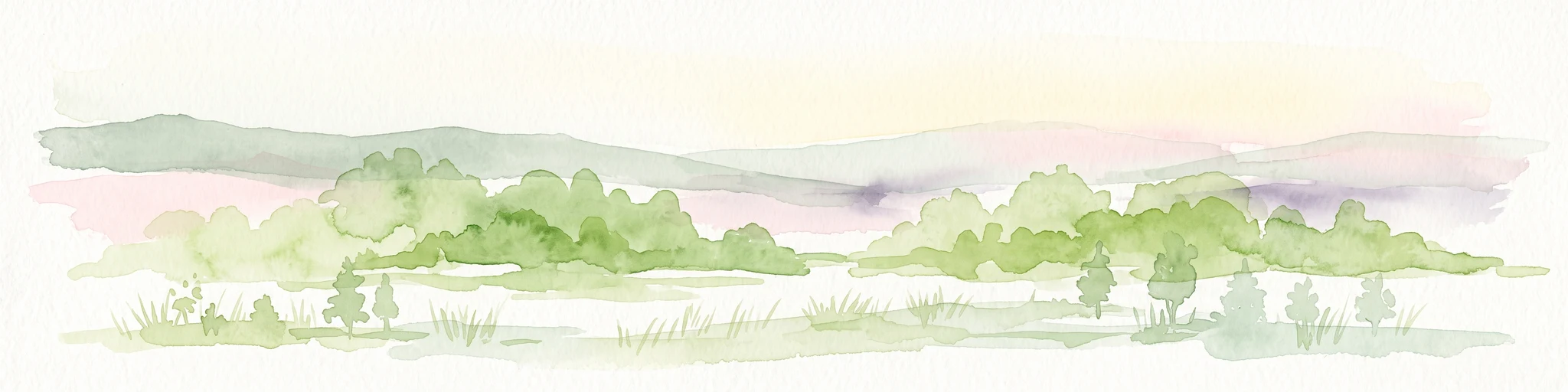

Why Wendschotter und Vorsfelder Drömling mit Kötherwiesen stands out
The reserve is best known for its species-rich, extensively managed wet grassland on lowland peat, including meadows, fens, reedbeds, and tall-herb communities maintained on a high groundwater table. Its distinctive cultural-historical feature is the legacy of nineteenth-century Rimpau peat-ditch cultivation, whose drainage and dam system still structures the landscape and hydrology today. It is also recognised for an unusually diverse fauna for such a flat, intensively modified lowland setting: breeding birds such as common crane, white and black stork, marsh harrier, and corncrake; mammals including Eurasian beaver and European otter; multiple amphibian species including northern crested newt and moor frog; and a wide community of dragonflies, butterflies, and bats tied to its wet habitats and structurally rich floodplain forests.
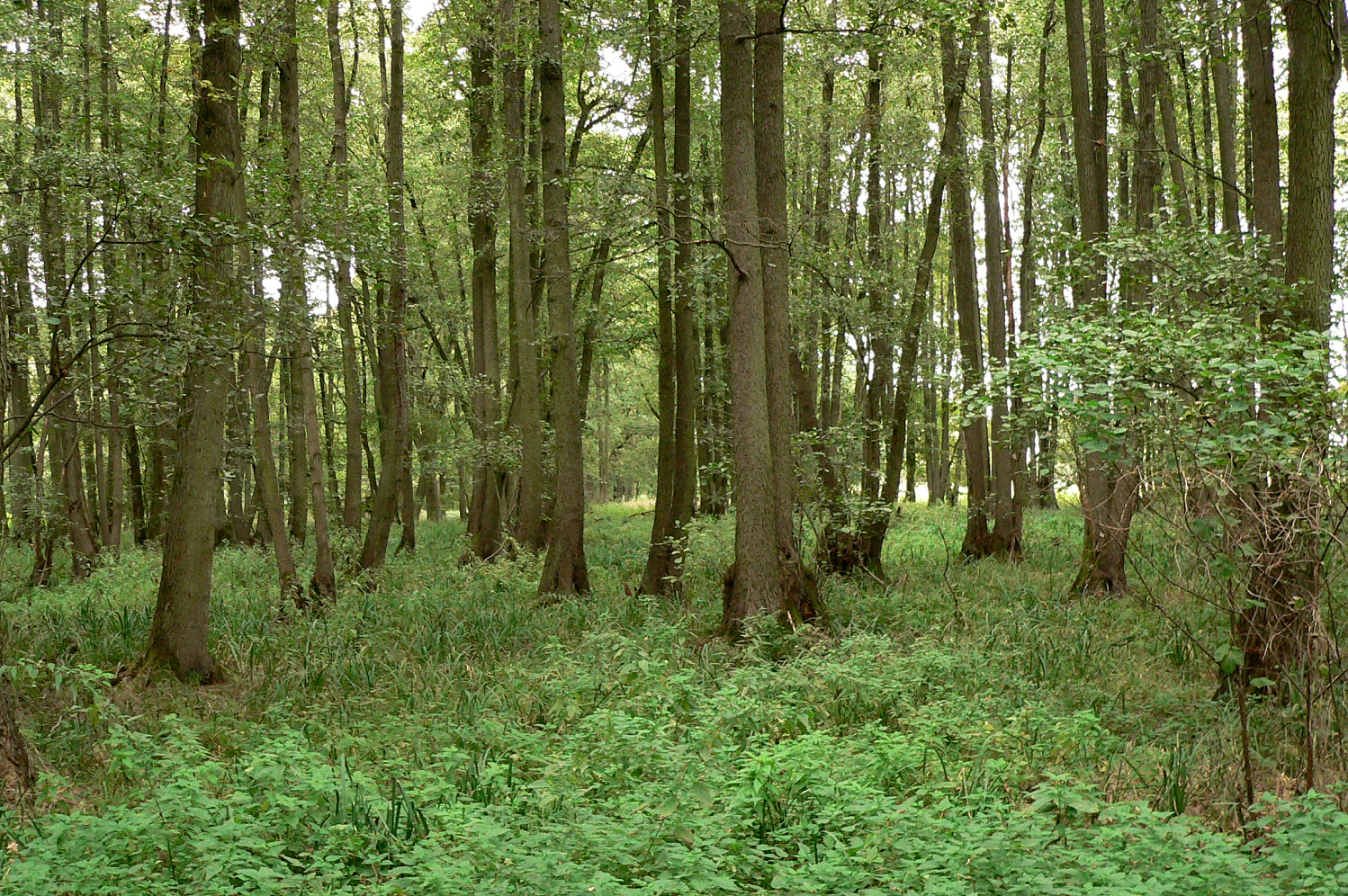
Wendschotter und Vorsfelder Drömling mit Kötherwiesen history and protected-area timeline
The landscape that the reserve protects has a long history of human modification. Until well into the eighteenth century, the Drömling functioned as an almost impassable lowland bog, and large parts of what is now Lower Saxony farmland were effectively inaccessible. Beginning in that century, successive land-reclamation works transformed the area, and in the nineteenth century the Rimpau peat-ditch cultivation system (Moordammkultur) introduced a characteristic network of drainage ditches, dams, and cultivated strips that still structures much of today's landscape.
Formal nature conservation came relatively late. An earlier, roughly 609-hectare nature reserve called Wendschotter und Vorsfelder Drömling, designated on 2 December 1988, and a section of the broader Landschaftsschutzgebiet Drömling lying north of the Aller within Wolfsburg's city limits, were both fully absorbed into the new, larger reserve declared on 6 August 2020. The new designation expanded and unified protection across this part of the Drömling.
Between November 2002 and October 2012, the area formed part of the major conservation project Naturschutzgroßprojekt Niedersächsischer Drömling, an extensive state programme aimed at restoring wetland hydrology and habitat quality. Additional habitat creation took place between 2006 and 2008, when abandoned fishponds and former tree-nursery plots in the reserve were converted into a near-natural water-body landscape as compensation for the widening of the Mittellandkanal, further strengthening the reserve's wetland character.
Wendschotter und Vorsfelder Drömling mit Kötherwiesen landscape and geographic character
The landscape is extraordinarily flat, lying between approximately 56 and 59 metres above sea level, with no pronounced relief. The overriding feature is a wide, open lowland mosaic of wet meadows, fens, reedbeds, and tall-herb marshland laid out over a peat substrate 25 to 90 centimetres thick. This peat was originally part of a much larger wetland complex that has since been largely drained, and its relict distribution gives the reserve its characteristic structure.
Hydrology defines the scene. The Aller river flows through the lowland, while the Wipperaller runs along parts of the western boundary; both rivers are straightened along their courses within the area. The historic Rimpau-style ditch system, with its peat dams, divides the surface into long cultivated strips that still shape land use and ecological patterns. The Mittellandkanal cuts diagonally across the reserve from southwest to northeast, and the southern Kötherwiesen area, between the canal and Bundesstraße 188, adds a younger mosaic of wet grassland, sedge stands, reeds, and small still waters created through modern compensation measures.
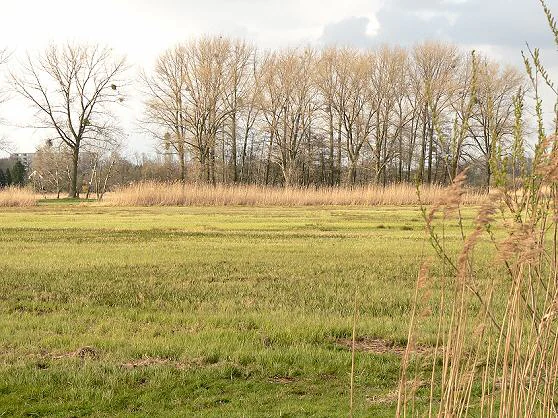
Wendschotter und Vorsfelder Drömling mit Kötherwiesen ecosystems, habitats, and plant life
Ecologically, the reserve is overwhelmingly a wet-grassland system on lowland peat, maintained through extensive mowing and grazing and kept moist by a high groundwater table. The plant communities range from regularly flooded meadows and pastures to more structurally diverse stands of sedge fens, reedbeds, and tall-herb marshes. Tree cover is limited but ecologically significant, comprising small floodplain and swamp forest patches with high amounts of old and dead wood, which are crucial for bats, woodland amphibians, and many invertebrates.
The flora of the open meadows is unusually rich and includes characteristic species such as meadow alant, yellow and shining meadow-rue, cuckooflower, ragged robin, bulbous buttercup, meadow saxifrage, marsh bird's-foot trefoil, narrow-leaved vetch, marsh clover, and common plants of moist hay meadows such as brown sedge, round-fruited rush, field wood-rush, tall oat-grass, meadow foxtail, and sweet vernal-grass. Tall-herb and reed communities add species like marsh pea and marsh ragwort, while floodplain and swamp forest patches support black alder, ash, downy birch, bird cherry, hazel, pedunculate oak, and both wych and field elm, with a varied herb layer beneath them.
The ditches, ponds, and slow-moving watercourses host a distinct aquatic flora including pillwort, marsh pennywort, frogbit, floating pondweed, several duckweed species, water soldier, yellow water-lily, and white water-lily. These open waters are ecologically important not only for plants but also for amphibians, dragonflies, and fish, linking the terrestrial grassland mosaic with a continuously wet habitat network across the reserve.
Wendschotter und Vorsfelder Drömling mit Kötherwiesen wildlife and species highlights
The reserve supports a remarkably diverse fauna for a drained and heavily modified lowland area, with water and wetland habitats driving much of that diversity. Mammals include Eurasian beaver and European otter, both indicators of functioning wetland systems, while bats are particularly well represented, with species such as common pipistrelle, Nathusius's pipistrelle, serotine, Daubenton's bat, Natterer's bat, and both common and lesser noctules recorded across the reserve's mosaic of woodland, water, and grassland.
Amphibians and reptiles are a major conservation focus. The wet meadows, ditches, and fens harbour great crested newt, garlic toad, moor frog, European tree frog, grass snake, and adder, while the wetter woodland edges host the viviparous lizard. Aquatic habitats support protected fish species such as bitterling, common dace, gudgeon, European weatherfish, and spined loach, along with the freshwater pearl mussel (Bachmuschel), a particularly sensitive indicator of water quality.
The reserve is especially important for birds, both as breeding habitat for wet-grassland specialists and as part of a wider network used by migrating waterbirds. Breeding and regularly occurring species include common crane, white stork, black stork, grey heron, red and black kite, Eurasian hobby, marsh harrier, common quail, grey partridge, corncrake, northern lapwing, common snipe, wryneck, middle, lesser, and European green woodpeckers, golden oriole, common nightingale, meadow pipit, yellow wagtail, sedge and great reed warbler, whinchat, European stonechat, common redstart, lanceolated warbler, Eurasian skylark, common teal, spotted crake, and water rail.
Invertebrate diversity is also significant. The wet grasslands support characteristic butterflies such as the marsh fritillary, eastern large tortoiseshell, and both large and lesser purple emperors, while several grasshopper species, including the marsh grasshopper and large marsh grasshopper, indicate well-preserved moist meadow conditions. Dragonflies are particularly rich around the water bodies, with notable species including the green hawker, the keeled skimmer, and the scarce emerald, highlighting the reserve's strong link to healthy aquatic habitats.
Wendschotter und Vorsfelder Drömling mit Kötherwiesen conservation status and protection priorities
Conservation significance at the reserve operates on several overlapping levels. Nationally, it is protected as a formal nature reserve (Naturschutzgebiet) under Lower Saxon law, with the city of Wolfsburg acting as the responsible lower nature protection authority. Regionally, it forms part of a tightly linked network of Drömling reserves, including Nördlicher Drömling, Politz und Hegholz, and Südlicher Drömling, and shares boundaries with the Drömling landscape protection area, making it a core element of the local conservation mosaic.
At the European level, the reserve is fully within the FFH-Gebiet Drömling under the EU Habitats Directive, ensuring that its habitat types and species are formally assessed and managed under Natura 2000. A large share of its area also falls within the associated Vogelschutzgebiet Drömling under the EU Birds Directive, underlining its importance for protected and migratory bird species. The Kötherwiesen area, in particular, has been developed through compensation measures, including the conversion of former fishponds and tree nurseries into near-natural aquatic habitat as mitigation for the widening of the Mittellandkanal between 2006 and 2008.
The reserve also carries the legacy of the Naturschutzgroßprojekt Niedelsächsischer Drömling (2002-2012), a major state-level conservation programme aimed at wetland restoration. This long-running effort, combined with traditional extensive mowing and grazing on peat soils, supports the hydrological conditions on which species such as crane, marsh harrier, corncrake, common snipe, and numerous meadow plants depend. The protection of beavers and otters, the management of floodplain forests with high old- and dead-wood content, and the maintenance of a high groundwater table are all explicit conservation priorities that go well beyond minimal baseline protection.
Wendschotter und Vorsfelder Drömling mit Kötherwiesen cultural meaning and human context
Culturally, the area is defined by its history as reclaimed wetland and by its continuing integration with the city of Wolfsburg. The nineteenth-century Rimpau peat-ditch cultivation system is not only a hydrological feature but also a cultural landscape signature, embedding the reserve within a long regional tradition of peatland farming and land improvement that shaped much of north-central Germany.
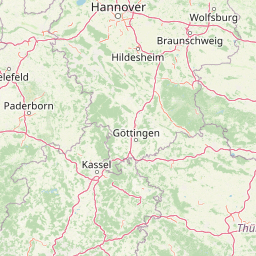
The protected area lies immediately east of the Wolfsburg districts of Wendschott and Vorsfelde, with the southern Kötherwiesen area adjacent to a commercial zone and to the Allerpark, Wolfsburg's main urban recreational area with the Allersee lake. This positioning gives the reserve a dual character as both a piece of protected rural landscape and part of a city-region's green infrastructure, with agricultural paths linking the reserve to the urban edge for walking and cycling.
Top sights and standout views in Wendschotter und Vorsfelder Drömling mit Kötherwiesen
Standout features of the reserve include its unusually species-rich wet meadows and fens on lowland peat, sustained by a high water table and the legacy of Rimpau peat-ditch cultivation. The combination of floodplain and swamp forest remnants, ditch networks, the Aller and Wipperaller river corridors, and the Kötherwiesen mosaic of young grasslands and still waters gives the area a layered habitat structure uncommon in such a low-lying and formerly drained landscape.
The reserve is also notable for its role as a stepping stone within the larger Drömling conservation area, its full integration into both the EU Habitats Directive and EU Birds Directive site Drömling, and the presence of charismatic wetland species such as common crane, white and black stork, Eurasian beaver, and European otter, all of which signal a functioning wetland ecosystem at a meaningful regional scale.
Best time to visit Wendschotter und Vorsfelder Drömling mit Kötherwiesen
The reserve has a strongly seasonal character tied to water levels, meadow management, and bird activity. Spring and early summer are typically the most rewarding period for observing breeding birds such as cranes, lapwings, snipe, and various warblers in the wet meadows and reedbeds, while amphibians are most active around the ditches and ponds during warm, damp evenings in spring and early summer.
Late spring through midsummer is also when the species-rich meadows are in full bloom, offering the richest experience of the botanical mosaic. In late autumn and winter, higher water levels and periodic flooding of the Aller and Wipperaller floodplains can transform parts of the grassland into open water, attracting waterfowl and changing the visual character of the landscape considerably. Throughout the year, the flat, open terrain and agricultural paths make walking and cycling visits pleasant whenever conditions are not too wet, though flooded sections should be expected in the wetter months.