Mori Atlas logo
National parkYoboki National Park

Trace the mapped boundaries and natural terrain of this national park in Djibouti.

Yoboki National Park: Djibouti's Protected Landscape and Geographic Context

Yoboki National Park stands as a designated national park within Djibouti, offering a unique focal point for understanding protected landscapes and their geographic placement. This page provides an atlas-oriented view, highlighting the park's specific land area and its role within the broader context of Djibouti's Horn of Africa geography. Users can explore the park's mapped features and regional landscape context, gaining insight into its protected status and natural terrain.

national parkDjiboutiprotected areadesert landscapemountain terrainEastern Africa

Yoboki National Park

National park

Park overview

Structured park overview, official facts, and landscape profile for Yoboki National Park

Yoboki National Park park facts, protected area profile, and essential visitor context
Review the core facts for Yoboki National Park, including designation, size, terrain, visitor scale, habitats, and operating context in one park-focused overview.

About Yoboki National Park

Yoboki National Park represents Djibouti's commitment to preserving its natural heritage within the country's protected area network. Located in the southeastern region of the country, the park surrounds the town of Yoboki and encompasses a landscape of notable geographic diversity. The protected area spans elevations ranging from lower desert plains to elevated hilly terrain, creating a mosaic of habitats within its boundaries. Djibouti, though a small nation at the entrance to the Red Sea, maintains a system of protected areas that preserve its unique ecological character, and Yoboki contributes to this conservation framework by protecting the diverse landscapes found in its southeastern territory.

Quick facts and research context for Yoboki National Park

Yoboki National Park is located in the southeastern part of Djibouti, surrounding the town of Yoboki. The park spans terrain that includes both elevated hilly and mountainous areas in its eastern portions as well as plains, valleys, and desert landscapes in the western regions. The town of Yoboki itself was established in 1947 during the French colonial period as a military post office, giving the area a distinctive historical character. The park's ecosystem reflects the broader ecological diversity of Djibouti's coastal and inland environments.

Park context

Deeper park guide and search-rich context for Yoboki National Park

Yoboki National Park history, landscape, wildlife, and travel context
Explore Yoboki National Park through its history, landscape character, ecosystems, wildlife, conservation priorities, cultural context, and seasonal travel timing in a structured park guide built for atlas discovery and search intent.

Why Yoboki National Park stands out

Yoboki National Park is known for its geographic diversity, encompassing two distinct landscape types within a single protected area. The eastern sections of the park feature hills and mountainous terrain, while the western portions contain plains, valleys, and desert scenery. This contrast between highland and lowland environments creates a varied landscape that is characteristic of southeastern Djibouti.

Yoboki National Park history and protected-area timeline

The area surrounding Yoboki has historical significance tied to Djibouti's colonial period. The town of Yoboki was established in 1947 as a French military post office during the time when Djibouti was a French colony. This colonial origins distinguishes the area from many other parts of Djibouti, giving it a more recent human settlement history tied to French administrative and military presence in the territory. The establishment of the national park designation came later, as Djibouti developed its protected area system following independence.

Yoboki National Park landscape and geographic character

The landscape of Yoboki National Park is defined by a clear geographic division between its eastern and western sections. The eastern portions of the park feature hills and mountainous terrain, representing the higher elevations found in this part of Djibouti. In contrast, the western areas of the park consist of plains, valleys, and desert scenes, reflecting the more arid and low-lying character of much of Djibouti's interior. This topographic variation creates visual diversity within the protected area and supports different ecological communities depending on elevation and moisture availability.

Yoboki National Park ecosystems, habitats, and plant life

The ecosystem of Yoboki National Park reflects the diverse environmental conditions found across its geographic extent. The park encompasses both the higherelevation hill and mountain zones in the east and the lowerelevation plains, valleys, and desert environments in the west. This variety in topography and moisture patterns supports different vegetation communities and habitat types across the park's territory. The park contributes to the overall ecological diversity of Djibouti's protected areas by preserving this transition zone between highland and desert environments.

Yoboki National Park cultural meaning and human context

The cultural context of Yoboki National Park is closely tied to its colonial origins. The town of Yoboki was created in 1947 as a French military post office during the period of French colonization of Djibouti. This gives the park's surrounding area a relatively recent settlement history compared to other parts of Djibouti, with its establishment directly linked to French administrative and military presence in the territory. The combination of natural landscape preservation and this colonial heritage gives the area its distinctive character.

Top sights and standout views in Yoboki National Park

Yoboki National Park offers visitors the opportunity to experience two contrasting landscapes within a single protected area, from hilly and mountainous terrain in the east to plains, valleys, and desert scenery in the west. The park provides access to the southeastern region of Djibouti, an area relatively close to the border with Somalia and notable for its geographic diversity. The historical character of the area, rooted in its 1947 establishment as a French military post office, adds a cultural dimension to the natural landscape.

Park location guide

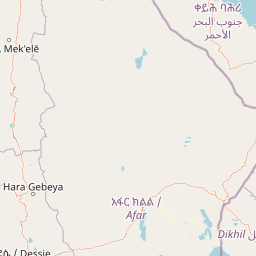
Geography guide, regional context, and park location map for Yoboki National Park

Yoboki National Park park geography, regions, and map view in Djibouti
Understand where Yoboki National Park sits in Djibouti through a broader geographic reading of the surrounding landscape, nearby location context, and its mapped position within the national park landscape.

How Yoboki National Park fits into Djibouti

Djibouti is a small coastal country in the Horn of Africa, located along the Red Sea and Gulf of Aden. It gained independence from France in 1977 and serves as a key maritime hub and strategic military base location.

Wider geography shaping Yoboki National Park in Djibouti

Djibouti is situated in the Horn of Africa region of East Africa. It borders Somalia to the south, Ethiopia to the southwest, and Eritrea to the north, with coastline along the Red Sea and Gulf of Aden to the east. The terrain is mostly low-lying coastal desert, with some highlands in the southwest.

Common questions about visiting, size, designation, and location context for Yoboki National Park

Yoboki National Park FAQs for park facts, access, geography, and protected area context
Find quick answers about Yoboki National Park, including protected-area facts, park geography, trail and visitor context, and how the park fits into its surrounding country and regional landscape.
MoriAtlas Explorer

Continue Your Protected Areas Search Across the Global Atlas

Deepen your exploration by continuing the structured search for national parks and protected areas worldwide. Utilize the comprehensive filtering capabilities to compare different conservation landscapes and refine your understanding of global park geography. Discover more about the distribution and characteristics of protected natural areas.

Global natural geography