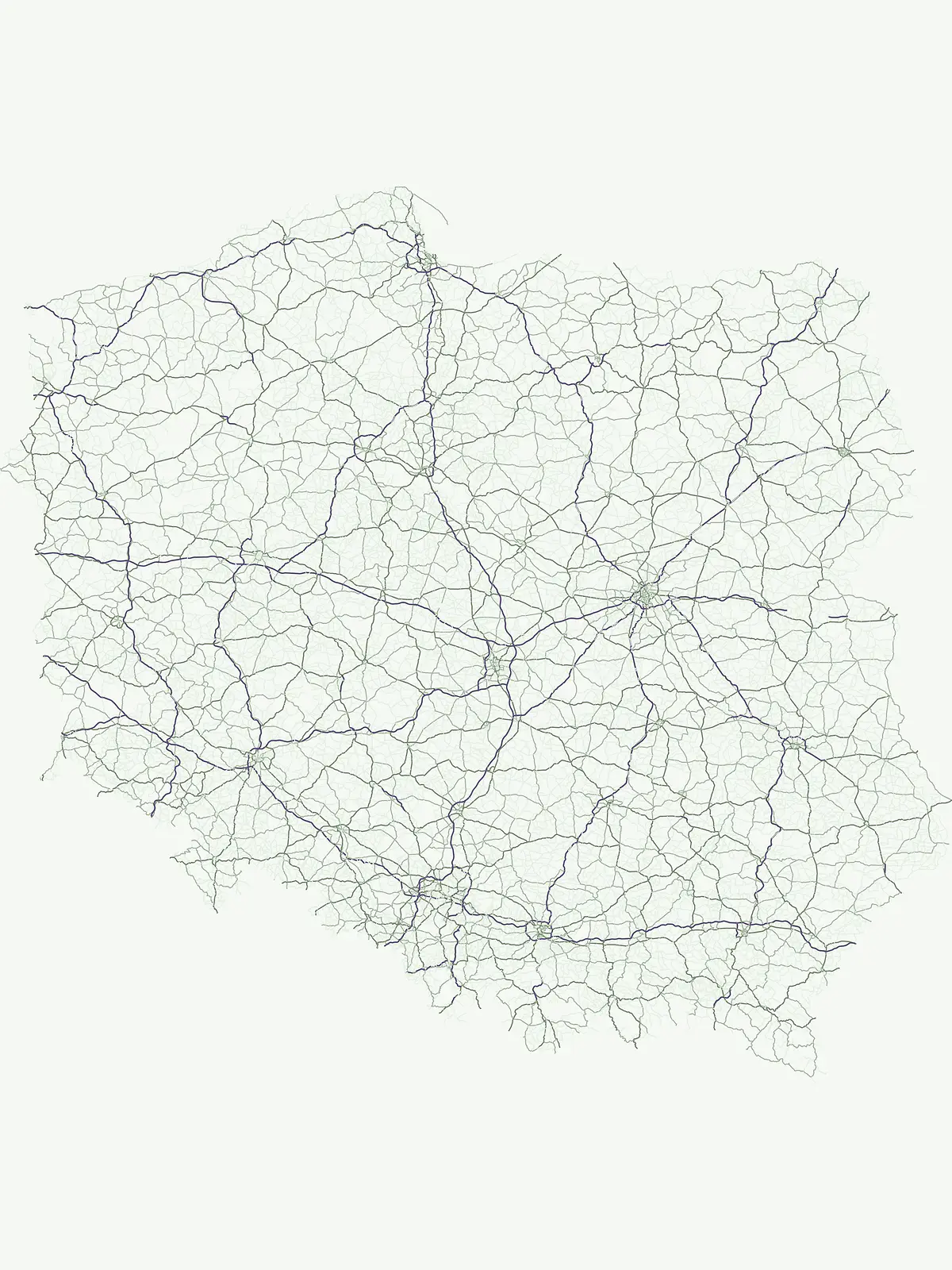
Explore diverse natural reserves and protected landscapes spanning the Polish geography
Comprehensive Atlas of Protected Areas and Conservation Sites Throughout Poland
This geographic collection documents protected areas across Poland, encompassing a wide range of conservation sites that preserve vital habitats and terrain. From northern coastal regions to southern mountainous reaches, each entry provides insight into the natural landscape. Utilize this index to browse mapped sites that contribute to the wider ecological network and natural character of the country.
Explore generalized conservation lands across regional Polish river valleys and forest reserves.
Protected Area in Poland: Flexible Conservation Sites and Regional Reserves
Poland protected area records capture valuable conservation sites that fall outside sharper normalized groups across regional ecosystems. Such protected natural areas encompass wetland habitats, river valleys, and forest reserves spanning diverse terrain.
Browse matching protected areas in Poland to examine diverse regional habitats, river valleys, and specialized conservation zones. This filtered atlas inventory helps compare site distribution across national landscapes and protected natural terrain.
Protected areaPoland
Puszcza Białowieska
Ancient lowland forest landscapes of the Polish-Belarusian border
Examine the geographic composition of Puszcza Białowieska, an extensive primeval lowland forest characterized by multi-aged tree stands and abundant deadwood ecosystems. The area serves as a primary site for ecological research into natural forest regeneration and megafauna protection, specifically for the European bison and diverse predator populations living within its protected landscape boundaries.
An expansive shifting sand landscape within the Małopolskie region
Pustynia Błędowska stands as a unique protected site in Poland, defined by its extensive quartz sand sheets and inland dune formations. This landscape offers a compelling look at the intersection of anthropogenic history and ecological restoration, supporting rare sand-dwelling flora and invertebrates within a specialized grassland habitat.
A historic Baltic fortification and vital ecological site in Pomeranian Voivodeship.
Explore the layered masonry and water-influenced landscape of Twierdza Wisłoujście, a coastal fortress established on the delta of the Vistula River. This site bridges the history of maritime defense and modern ecological conservation as a designated Natura 2000 area. Examine how shifting river channels and centuries of construction define the current defensive perimeters and moated surroundings within the Pomeranian Voivodeship.
Historic silver mining tunnels in Upper Silesia, Poland
Explore the geography of Podziemia Tarnogórsko-Bytomskie, a massive subterranean network of shafts, galleries, and adits beneath the Polish countryside. This protected landscape documents centuries of silver and lead extraction while serving as a essential refuge for diverse bat species within the region.
A diverse wetland corridor in the West Pomeranian Voivodeship.
Wybrzeże Trzebiatowskie represents a significant stretch of the Baltic coastline, characterized by a narrow and elongated geographic profile. The protected landscape highlights a complex interplay of lagoon lakes, river floodplains, and classic dune systems, providing critical habitat within the broader West Pomeranian regional geography.
Protected grassland habitat in Subcarpathian Voivodeship
Starodub w Pełkiniach is a specialized protected area in Poland, renowned for its extensive, unbroken meadow complex. The site sits where the Podgórze Rzeszowskie foothills meet the fertile Lower San River valley, creating a distinct geographic mosaic. This protected landscape is fundamental for conserving Annex II botanical species, maintaining traditional agricultural management at a significant scale across the local terrain.
An expansive lowland wilderness featuring unique sinkhole terrain.
Spanning over 117,000 hectares, Puszcza Napiwodzko-Ramucka stands as a massive pine-dominated forest complex in the Warmian-Masurian Voivodeship. The terrain is a masterclass in glacial history, defined by sandr plains, moraine hills, and a dense network of post-glacial lakes. This protected area functions as a critical sanctuary for raptor species and large mammals, while its distinct geology, marked by active suffosion processes, distinguishes it as a key subject for landscape-level study.
1,173.2 km²TemperateAccess unknownMajor water bodies
A core conservation site within the Beskid Sadecki mountain range
Spanning extensive river valleys and alpine meadows, Ostoja Popradzka serves as a primary habitat network in the Polish Carpathians. This entry details its layered geography, including protected forest reserves, karst cave systems, and essential corridors for large carnivores, framed within the administrative boundaries of the Lesser Poland Voivodeship.
A vital reference site for lowland habitat conservation and post-glacial terrain.
Sandr Brdy spans 7,492 hectares of outwash plains in northern Poland. Its terrain hosts a complex mosaic of calcareous fens, acid oak forests, and lobelia lakes, established to preserve fragile aquatic and terrestrial species like the gray wolf and lady's slipper orchid within a unique glacial framework.
Ostoja Złotopotocka encompasses a rich mosaic of natural habitats across the Częstochowa Upland. From the calcareous rock faces and deep karst caves to the expansive beechwood forests and inland sand dunes, this area serves as a primary site for ecological conservation. Use this resource to understand the complex terrain, boundary layout, and structural diversity that define this protected landscape within the Polish region.
More designation routesCompare adjacent conservation categories across national parks and regional reserves4
Explore Other Park Designations and Protected Area Types in Poland
Compare protected natural areas against other designated conservation tiers across Poland to understand national park diversity. Analyzing sibling designation families reveals how different legal frameworks shape regional land management and wildlife preservation.
Regional geography and protected ecosystem distribution.
Nature reserve
63%
Browse the dense collection of nature reserves within Poland that serve as critical sites for habitat protection and ecological stability. These protected areas range from lowland forests to wetland complexes, representing essential nodes in the national conservation framework.
Mapping 54 regional landscape parks and natural areas
Protected landscape
14%
Access a geographic index of protected landscapes in Poland. These expansive areas combine scenic character with active land stewardship, offering insight into the diverse forest, wetland, and river valley systems that define the country's broader conservation landscape.
Browse 23 nationally recognized parks across Poland.
National park
6%
Dive into the specifics of Poland's national park system, a key designation for protected landscapes within the country. This atlas-driven view focuses on the geographic spread, mapped boundaries, and distinct natural features of these significant areas. Understand how each national park contributes to Poland's broader protected-area identity and regional geography.
Strategic ecological stewardship and protected geography
Biosphere reserve
1%
Browse the geography of Poland's designated Biosphere Reserve territories. This data provides an atlas-focused view of protected landscapes that emphasize ecological research and integrated stewardship, highlighting how these regions function within the broader Polish natural environment.