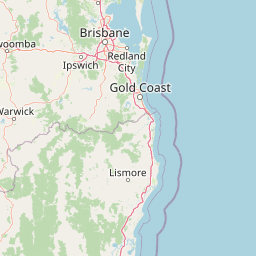
Why Arakwal National Park stands out
Arakwal National Park is best known for its protection of the Wallum coastal clay heath ecosystem, a rare and distinctive habitat type found only in parts of coastal New South Wales and Queensland. The park provides crucial habitat for two particularly notable frog species: the wallum froglet (Crinia tinnula) and the wallum sedge frog (Litoria olongburensis), both of which are classified as vulnerable to extinction. These small amphibians are entirely dependent on the seasonal wetlands and heath pools that occur within the Wallum environment, making them particularly vulnerable to changes in water quality and habitat disturbance. The park also guards the traditional lands of the Arakwal people, part of the broader Bundjalung nation, and represents one of the few Australian national parks where Indigenous people serve as formal co-managers rather than merelyconsulted stakeholders.
Arakwal National Park history and protected-area timeline
The establishment of Arakwal National Park in October 2001 represents a relatively recent development in Australia's protected area history, particularly noteworthy for its innovative co-management arrangement with the Arakwal Indigenous community. Prior to proclamation, the land had been subject to variousTenures and land use pressures as Byron Bay grew from a small coastal town into a major tourist destination. The Arakwal people, who are part of the broader Bundjalung nation that traditionally occupied much of the northern New South Wales coast, worked with the New South Wales state government to negotiate a land use agreement that resulted in the creation of the national park while recognizing their ongoing connection to the country. This arrangement was pioneering for its time, establishing a model for Indigenous co-management that has since been applied to other protected areas in Australia. The Arakwal National Park Management Committee was established to oversee the park's management in partnership with the NSW National Parks & Wildlife Service, ensuring that traditional knowledge and cultural values inform conservation practices.
Arakwal National Park landscape and geographic character
The landscape of Arakwal National Park is defined by its position on the coastal lowlands immediately behind Tallow Beach, a stretch of sandy shoreline that extends for roughly 3 kilometers along the park's eastern edge. The terrain is predominantly flat to gently undulating, with elevation rarely exceeding a few meters above sea level. The underlying geology consists of coastal sand deposits and clay soils that support the distinctive Wallum heath vegetation. Within the park, the landscape includes seasonal freshwater wetlands, peat-based paperbark swamps, and open heath communities, creating a heterogeneous environment across the relatively small area. The coastal dunes along Tallow Beach provide the most dramatic topographical feature, with the beach itself offering unobstructed views along the coastline and, during migration season, opportunities to observe whales passing offshore. The park's small size means that users can traverse most of the accessible terrain on foot, with walking tracks connecting the beach to the inland heath communities.
Arakwal National Park ecosystems, habitats, and plant life
The ecological character of Arakwal National Park is defined by its Wallum ecosystem, one of Australia's most restricted and ecologically specialized habitat types. This coastal clay heath environment occurs only in discrete patches along the eastern Australian coast, where combinations of ancient, nutrient-poor soils, seasonal waterlogging, and fire history have shaped a vegetation community dominated by dense, low shrubs, sedgelands, and heath plants. Within this ecosystem, the park supports several plant species that are endemic to the Wallum environment or occur only in this limited coastal region. The seasonal wetlands and permanent pools that form in low-lying areas provide critical breeding habitat for the park's most notable faunal residents, the two vulnerable frog species that depend on these water bodies for reproduction. Birdlife is diverse, with numerous species utilizing the various habitat niches provided by the heath, wetland, and beach environments.
Arakwal National Park wildlife and species highlights
Arakwal National Park provides habitat for a notable assembly of wildlife, with particular significance attached to its populations of threatened amphibians. The park is one of the strongholds for the wallum froglet, a small ground-dwelling frog species that breeds in the seasonal wetlands and heath pools characteristic of the Wallum environment. The wallum sedge frog, another vulnerable species, occupies similar habitat niches within the park and relies on the intact hydrological functioning of the coastal wetland systems. Both species have declined across much of their former range due to habitat loss, changes to water quality, and the impacts of introduced predators, making the protection afforded by Arakwal National Park particularly important for their long-term survival. The bird community includes numerous species that utilize the heath and wetland habitats for foraging and nesting, while the beach provides feeding grounds for shorebirds and seabirds.
Arakwal National Park conservation status and protection priorities
The conservation significance of Arakwal National Park extends beyond its relatively modest size, with the park playing a crucial role in protecting remaining examples of the Wallum ecosystem in the Byron Bay region. The coastal clay heath environment has been extensively cleared and modified for agriculture, urban development, and tourism infrastructure across much of its former extent, making the protected patches that remain within Arakwal increasingly important for biodiversity conservation. The park's listing under IUCN Category II reflects its national significance as a national park, while its inclusion on the IUCN Green List of Protected Areas recognizes the quality of its management and the achievement of successful Indigenous co-management. The protection of habitat for the two vulnerable frog species represents a particular conservation priority, as these amphibians face ongoing threats from disease, climate change, and habitat fragmentation throughout their ranges.
Arakwal National Park cultural meaning and human context
Arakwal National Park holds deep cultural significance for the Arakwal people, whose traditional lands encompass this coastal area and who have maintained a continuous connection to the country despite the historical dispossession that affected most Indigenous communities in coastal New South Wales. The park was established through a land use agreement that recognized the Arakwal people's rights and interests in the land, departing from the more common approach of treating Indigenous peoples as stakeholders to be consulted rather than rights holders to be partnered with. This arrangement has allowed the Arakwal community to participate meaningfully in park management decisions and to incorporate traditional knowledge and practices into conservation activities. The park's co-management structure represents an important model for protected area governance in Australia, demonstrating that Indigenous partnerships can deliver positive outcomes for both cultural recognition and ecological conservation.
Top sights and standout views in Arakwal National Park
Arakwal National Park offers visitors the opportunity to experience one of Australia's rarer ecosystem types in a coastal setting that is both accessible and unspoiled. The 3-kilometer stretch of Tallow Beach provides a scenic backdrop for walking, swimming, and seasonal whale watching, while the inland tracks through the heath and wetland areas reveal the park's ecological character. The vulnerable frog species that inhabit the park, while not easily observed by casual visitors, represent a significant conservation priority that makes this small park nationally important. The co-management arrangement with the Arakwal people adds a cultural dimension to the park that distinguishes it from most other Australian protected areas, offering visitors an example of successful Indigenous partnership in conservation.
Best time to visit Arakwal National Park
The best time to visit Arakwal National Park depends on what visitors hope to experience, with different seasons offering distinct advantages for exploring this coastal protected area. The warmer months from spring through autumn provide ideal conditions for beach activities and walking, with longer days allowing more time to explore the park's various habitats. This period also coincides with the southern hemisphere's whale migration, when humpback whales can often be observed from the beach as they travel north along the coast. The cooler winter months offer a different experience, with the heathland sometimes displaying wildflowers and the reduced visitor numbers allowing for a more tranquil encounter with the landscape. Birdwatching can be productive throughout the year, though different species are more active in different seasons.