Mori Atlas logo
Wildlife reserveAtbasar Wildlife Reserve

Mapping the natural terrain and conservation character of this essential Kazakh steppe sanctuary

Atbasar Wildlife Reserve: A Protected Steppe Landscape and Wildlife Refuge in the Akmola Region of Northern Kazakhstan

Atbasar Wildlife Reserve functions as a critical protected node within the vast Kazakh steppe, encompassing rolling uplands and rocky melkosopochnik hills within the Akmola Region. This sanctuary provides a vital refuge for steppe marmot colonies, migratory birds, and native flora such as feather grass and fescue, serving as a landmark example of regional habitat conservation in northern Kazakhstan.

steppegrasslandsteppe mammalssteppe marmotbirdwatchingmigratory birds

Atbasar Wildlife Reserve

Wildlife reserve

Park overview

Structured park overview, official facts, and landscape profile for Atbasar Wildlife Reserve

Atbasar Wildlife Reserve park facts, protected area profile, and essential visitor context

Review the core facts for Atbasar Wildlife Reserve, including designation, size, terrain, visitor scale, habitats, and operating context in one park-focused overview.

About Atbasar Wildlife Reserve

Atbasar Wildlife Reserve sits in the heart of the Kazakh steppe, in a landscape where elevation changes are subtle but ecologically important. The terrain rolls gently across the melkosopochnik, the network of low rocky uplands characteristic of central and northern Kazakhstan, with patches of bare stone breaking through the otherwise continuous sea of grass. Feather grass, fescue, sagebrush, wormwood, and other typical steppe plants create the open vegetation cover, while denser thickets of caragana and tobyolgy shrubs occupy the ravines and lower slopes where moisture persists a little longer.

This mosaic of dry steppe, rocky ridges, shrubby draws, and seasonal watercourses creates the conditions that the reserve was established to protect. The zakaznik designation, applied at the republican level, places the area under the formal authority of Kazakhstan's forestry and wildlife committee and restricts extractive uses of the land. The original focus on the steppe marmot reflects both the species' flagship status in the country's traditional conservation approach and its role as a key indicator of steppe health; large, stable marmot colonies imply an intact and functioning grassland ecosystem.

Although the reserve is modest in size relative to vast Kazakh protected areas, its protected status makes it ecologically significant. Hunting is prohibited within its boundaries, so animals that depend on cautious behavior in open habitat are able to persist even as surrounding lands see varying degrees of grazing, cultivation, and settlement. For steppe species that have declined across much of their former range, including several specialized ground-nesting birds, this protected continuity matters disproportionately. Atbasar represents one of those quiet but meaningful anchors of habitat protection that, together with similar reserves across the country, helps sustain the broader steppe ecosystem.

Quick facts and research context for Atbasar Wildlife Reserve

Atbasar Wildlife Reserve is a republican-level zakaznik, or habitat and species management reserve, situated in the Akmola Region of Kazakhstan within the Atbasar District, approximately 50 kilometers south of the city of Atbasar. It was established in 1976 and covers around 75,000 hectares of feather grass and fescue steppe interspersed with rocky, hilly terrain typical of the Kazakh melkosopochnik. The reserve is administered by the state forestry and wildlife committee, and its primary purpose is the conservation and sustainable recovery of the steppe marmot population, alongside the protection of nesting and wintering conditions for a wider community of steppe and migratory bird species.

Protection and recognition

Explore documented terrestrial protection metrics and conservation designations.

Atbasar Wildlife Reserve Protection Status and International Recognition

Atbasar Wildlife Reserve maintains a defined terrestrial protection scope within the regional conservation network. Structured conservation records provide verified administrative details and formal international recognition data for this protected area.

Protection details

Protection scope
Terrestrial
Transboundary protection
No
Park context

Deeper park guide and search-rich context for Atbasar Wildlife Reserve

Atbasar Wildlife Reserve history, landscape, wildlife, and travel context

Explore Atbasar Wildlife Reserve through its history, landscape character, ecosystems, wildlife, conservation priorities, cultural context, and seasonal travel timing in a structured park guide built for atlas discovery and search intent.

Why Atbasar Wildlife Reserve stands out

The reserve is best known as a dedicated stronghold for the steppe marmot, the large ground squirrel that has long defined the open grasslands of the Kazakh steppe. While many reserves in the region try to protect a wide mix of ecosystems, Atbasar's identity is tightly bound to the idea of letting marmot colonies persist in an undisturbed stretch of native steppe. Beyond the marmot focus, the reserve is also recognized for its role as a seasonal refuge for steppe birds of conservation concern, including the great bustard, demoiselle crane, and sociable lapwing, as well as a stopover point where migratory waterbirds such as pelicans and spoonbills pass through during their seasonal movements. The combination of a flagship mammal and a meaningful bird assemblage gives the reserve a distinctive steppe-wildlife profile.

Atbasar Wildlife Reserve history and protected-area timeline

The reserve was formally established in 1976 as a republican-level zakaznik under the Soviet-era system of managing natural areas through ecological reserves of various categories. Its designation reflected an era in which Kazakhstan's steppe wildlife, including the steppe marmot and many bird species, was seen as requiring institutional protection against unregulated hunting and habitat conversion.

Since independence, the reserve has remained part of Kazakhstan's protected-area framework, coming under the jurisdiction of the state committee responsible for forestry and wildlife management within the Ministry of Ecology, Geology, and Natural Resources. Its original purpose, focused on the conservation and recovery of the steppe marmot, has been maintained as the defining mission of the site, while its function as a refuge for rare steppe birds has grown in importance as those species face increasing pressures across the wider region.

Atbasar Wildlife Reserve landscape and geographic character

The landscape of Atbasar is shaped by gentle but persistent geological character. The reserve sits within the melkosopochnik belt of northern Kazakhstan, a patchwork of low rocky uplands and shallow depressions that creates subtle but ecologically meaningful relief. Across most of the area, the surface is dominated by open steppe, where feather grass and fescue form the backbone of the plant cover, and the dry, continental climate keeps tree growth limited.

Where the low hills rise a little higher, exposed rocky outcrops and stony spurs break through the grass cover, creating small patches of bare ground that are warm earlier in spring and accommodate specialized steppe flora and fauna. In contrast, the ravines, gullies, and small valleys between these hills collect slightly more moisture and support denser shrubby vegetation, including stands of caragana and tobyolgy, along with taller sagebrush and wormwood associations that add structural variety to the vegetation.

The terrain supports a network of seasonal water sources, including small streams and watercourses linked to meltwater and spring rains. These features are critical to the reserve's wildlife, concentrating bird activity during migration and providing drinking and feeding opportunities for both resident mammals and passing species. Overall, the landscape conveys the typical impression of the Kazakh steppe: wide horizons, undulating ground, and an underlying geology that subtly shapes every ecological interaction within the reserve.

Atbasar Wildlife Reserve ecosystems, habitats, and plant life

Ecologically, Atbasar Wildlife Reserve belongs firmly to the temperate grassland biome, with all of the structural simplicity and ecological subtlety that this implies. The vegetation is overwhelmingly herbaceous, made up of drought-tolerant grasses such as feather grass and fescue, mixed with a range of sagebrushes and other Compositae typical of the central Asian steppe. These grasses form dense, continuous cover across most of the reserve, with the bulk of plant biomass devoted to underground root systems and modest above-ground growth adapted to short, warm growing seasons and long, cold winters.

Mosaic elements add ecological richness to this otherwise uniform setting. Rocky microhabitats on the low hills host different plant communities and provide basking and nesting conditions for reptiles and insects. The shrubby draws and ravines contribute a structurally distinct habitat layer in which caragana and tobyolgy create small thickets that shelter nesting birds and provide denser cover for small mammals. The seasonal water sources and moist depressions support herb communities distinct from the surrounding uplands, and during migrations these water features become focal points for waterbird gatherings.

The overall habitat profile is one that emphasizes continuity rather than extremes. The reserve does not contain forests, alpine zones, wetlands of significant scale, or major rivers; instead, its ecological value lies in preserving a representative block of native steppe with all of its natural variations intact. By keeping agricultural conversion, overgrazing, and other landscape-altering pressures outside its boundaries, the reserve ensures that the natural dynamics of the steppe ecosystem continue to operate inside.

Atbasar Wildlife Reserve wildlife and species highlights

Wildlife in Atbasar is built around a small set of species that capture the essence of the central Asian steppe. The reserve's flagship species is the steppe marmot, a large ground-dwelling squirrel that lives in colonial burrow systems across the open grasslands. Marmots are central to the reserve's identity; their colonies influence grazing patterns, soil turnover, and the local distribution of predators and scavengers, and they have been the principal target of the reserve's conservation mandate since its founding.

The reserve also supports a characteristic assemblage of common steppe mammals, including hares, foxes, both red foxes and the smaller corsac fox, and wolves, which move through the area in pursuit of marmots, hares, and other prey. During migration, the area is visited by saiga antelope, an iconic species of the Kazakh steppe that historically moved in enormous herds and continues to depend on a network of protected landscapes for its survival.

Birds are a major part of Atbasar's wildlife value. The open terrain is home to ground-nesting and steppe-specialist species such as black and white-winged larks, steppe harriers, and the great bustard, one of the heaviest flying birds in the world and a species of conservation concern across much of its range. Demoiselle cranes, with their delicate grey-and-black plumage, also occur in the area, along with the sociable lapwing and other steppe birds recorded in Kazakhstan's Red Book. During migration seasons, the reserve receives flocks of waterbirds, including pelicans, spoonbills, various ducks, and waders, which pause at the seasonal water sources within or near the reserve. Together, this combination of resident steppe fauna and seasonal migrants gives Atbasar a wildlife profile that is modest in species numbers but high in ecological and conservation significance.

Atbasar Wildlife Reserve conservation status and protection priorities

From a conservation perspective, Atbasar's significance lies in what it preserves as much as in what it contains. The steppe ecosystems of northern Kazakhstan have experienced extensive transformation over the past century through agricultural expansion, grazing intensification, and the historical overhunting of several mammal and bird species. In this context, the reserve functions as a protected core where the native vegetation, soil structure, and traditional steppe wildlife interactions remain intact.

The reserve's designation as a category IV protected area under the IUCN system identifies it as a territory primarily managed for the conservation of particular species or habitats, and its founding focus on the steppe marmot exemplifies this approach. By safeguarding continuous steppe habitat and prohibiting hunting within its boundaries, the reserve directly supports the recovery of marmot populations locally and indirectly supports the larger suite of species that depend on similar conditions.

The reserve also plays a role in the broader protection of steppe bird species of conservation concern. Several birds recorded in the area, including the great bustard, demoiselle crane, sociable lapwing, and spoonbill, are included in Kazakhstan's Red Book, the national register of threatened species. Atbasar's protected conditions contribute to maintaining breeding, staging, and wintering habitat for these species, and its integration into the broader network of Kazakh zakazniks and other reserves helps create continuity in the ecological landscape that migratory and wide-ranging species depend upon.

Top sights and standout views in Atbasar Wildlife Reserve

Atbasar's standout quality is its dedication to steppe marmot conservation across a sizeable, intact block of native feather grass and fescue steppe, making it a textbook example of a focused habitat and species reserve in the Kazakh tradition.

The reserve also stands out for its role as a refuge within the steppe landscape for several Red Book species, including the great bustard and demoiselle crane, and as a seasonal gathering point for migratory waterbirds moving through the broader region.

Best time to visit Atbasar Wildlife Reserve

Spring and early summer tend to be the most ecologically expressive periods in the Kazakh steppe, when the grasses green up after winter and steppe birds are most actively nesting and displaying across the open terrain. Wildlife viewing and bird observation tend to be richest during these months, though summer conditions can become hot and dry.

Late summer through autumn brings migration movements, when the reserve's seasonal water sources attract flocks of pelicans, spoonbills, ducks, and waders passing through. Winters across the region are cold and snowy, and the landscape becomes quieter, with reduced visibility of the smaller fauna, though the openness of the steppe and the geology of the low hills remain visually compelling under snow.
Monthly climate preview

Long-term representative point measurements tracking monthly temperature and precipitation cycles

Atbasar Wildlife Reserve Climate Normals, Annual Temperature and Precipitation Rhythm

Atbasar Wildlife Reserve records long-term annual temperature swings and monthly precipitation patterns from representative coordinates across the protected terrain. Analyzing the complete twelve-month climatology profile reveals detailed shifts in average temperature and precipitation across the region.
Annual mean3 °C
-17 °C21 °C
Jan-17°
Feb-14°
Mar-7°
Apr
May14°
Jun20°
Jul21°
Aug20°
Sep12°
Oct
Nov-6°
Dec-14°
Warmest month
July

21.3 °C

Coolest month
January

-16.7 °C

Wettest month
July

1.5 mm/day

Driest month
February

0.7 mm/day

Park location guide

Geography guide, regional context, and park location map for Atbasar Wildlife Reserve

Atbasar Wildlife Reserve park geography, regions, and map view in Kazakhstan

Understand where Atbasar Wildlife Reserve sits in Kazakhstan through a broader geographic reading of the surrounding landscape, nearby location context, and its mapped position within the national park landscape.

How Atbasar Wildlife Reserve fits into Kazakhstan

Kazakhstan is a Central Asian country spanning vast steppes and plains, bordered by Russia, China, Kyrgyzstan, Uzbekistan, and Turkmenistan, with a coastline along the Caspian Sea. It gained independence from the Soviet Union in 1991 and has a population of approximately 20.5 million people. The country is officially secular but predominantly Muslim, with Kazakh and Russian as official languages.

Wider geography shaping Atbasar Wildlife Reserve in Kazakhstan

Kazakhstan occupies a vast territory in Central Asia, extending into Eastern Europe. Its terrain consists largely of hilly plateaus and plains, with lowlands covering about a third of the area. The southern and eastern regions are mountainous. The country borders Russia to the north and west, China to the east, Kyrgyzstan to the southeast, Uzbekistan to the south, and Turkmenistan to the southwest. It has a coastline along the Caspian Sea.

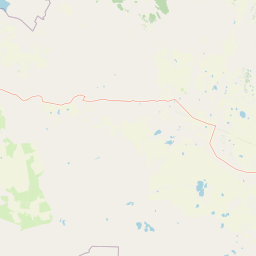
Map view of Atbasar Wildlife Reserve

Use this park location map to pinpoint Atbasar Wildlife Reserve in Kazakhstan, understand its exact geographic position, and read its mapped placement within the surrounding landscape more clearly.

Pigeon | © OpenStreetMap contributors

Location context for Atbasar Wildlife Reserve

Akmola Region
Park atlas

Compare adjacent steppe habitats and connected conservation landscapes across northern Kazakhstan.

Explore Other Parks Near Atbasar Wildlife Reserve and Regional Protected Areas

Browsing other protected areas near Atbasar Wildlife Reserve reveals the broader ecological continuity of the regional steppe. Comparing adjacent reserves helps trace grassland preservation patterns, melkosopochnik topography, and regional wildlife migration routes.
Watercolor illustration of a landscape with green hills, a body of water, and grassy foreground under a pink-hued sky
National parkAqmola Region
About 139 km away#1 closest

North

Kokshetau National Park: A Protected Granite Mountain and Forest-Steppe Landscape in Kazakhstan

Explore Aqmola Region's unique protected geography and mapped terrain.

Kokshetau National Park stands as a remarkable protected landscape within Kazakhstan, defined by its ancient granite mountains and its unique position as a forest-steppe island surrounded by open plains. This national park preserves a rich tapestry of boreal forests, lake-filled depressions, and geological wonders, including some of the planet's most ancient rock formations. MoriAtlas provides a structured view of Kokshetau National Park, detailing its mapped boundaries and geographic context within the Aqmola Region, offering users a deep dive into its protected area identity and ecological significance.

Area
1,821 km²
Established
1996
IUCN
II
Relief
Upland
Watercolor painting of a landscape with green forests, hills, and a body of water
National parkAqmola Region
About 219 km away#2 closest

Northeast

Burabay State National Nature Park: Mapped Granite Hills and Forested Terrain Atlas

Explore protected landscapes in Kazakhstan's Aqmola Region.

Burabay State National Nature Park presents a unique protected landscape within the Kokshetau Massif of Kazakhstan's Aqmola Region. This atlas-focused entry details the park's distinctive terrain, featuring ancient granite outcrops and rolling hills draped in pine and birch forests. Understand the mapped boundaries and geographic setting of this national park, renowned for its scenic lakes and significant geological formations, offering rich context for protected-area discovery.

Area
1,299.35 km²
Established
2000
IUCN
II
Relief
Mixed relief
Protected areaKostanay Region
About 230 km away#3 closest

Northwest

Koibagar-Tyntyugur Lakes: Protected Wetland Geography in Northern Kazakhstan

Steppe-wetland mosaic and Ramsar-recognized migratory habitat

Located in the Kostanay Region, the Koibagar-Tyntyugur Lakes represent a complex system of shallow, interconnected basins. These protected landscapes illustrate the dramatic hydrological cycles of the Saryarka edge, shifting from open water to reed-filled marshes. The region remains a benchmark for conservation, featuring essential waterbird habitats and rare fragments of pristine feather-grass steppe.

Area
623.45 km²
Established
2005
Relief
Lowland
Scope
Terrestrial
Nature reserveKostanay Region
About 286 km away#4 closest

Southwest

Altyn Dala Nature Reserve: Mapping Steppe Biodiversity and Migratory Corridors in Kazakhstan

A comprehensive look at the three-cluster protected landscape and regional geography

Spanning over 489,000 hectares, Altyn Dala Nature Reserve preserves diverse habitats ranging from the Sarykopa lake system to the vast Uly-Zhylyanshyk semi-desert steppe. This detail page tracks the reserve's unique cluster structure, geographic boundaries, and essential role in maintaining the historical integrity of northern Kazakhstan's grassland and river corridor ecosystems.

Area
4,897.66 km²
Established
2012
IUCN
VI
Relief
Lowland
National parkUlytau Region
About 311 km away#5 closest

South

Ulytau National Park: Mapping the Mountain-Steppe Ecosystems of Central Kazakhstan

Protected rocky uplands and sacred steppe landscapes

Ulytau National Park stands as a major protected area in central Kazakhstan, established to unify the management of the Ulytau massif. The park preserves a unique interplay of low mountain ridges, deep intermountain hollows, and semi-arid steppe. It represents a significant effort to secure the geographic and historical integrity of the region, offering a window into the transition between Kazakhstan's open grasslands and its isolated, rugged upland systems.

Area
589.12 km²
Established
2022
IUCN
II
Scope
Terrestrial
Nature reserveKaraganda Region
About 325 km away#6 closest

Southeast

Karaagash Nature Reserve: Granite Ridge Landscapes in Central Kazakhstan

Protected forest-steppe habitat in the Karaganda region

Karaagash Nature Reserve stands as a sentinel of central Kazakhstan's geography, protecting a rugged area where granite uplands meet ridge-and-valley plains. This reserve supports a diverse array of flora and fauna, offering a representative look at the forest-steppe transition zone and its role in regional conservation.

Area
68 km²
Established
1986
IUCN
IV
Relief
Mountain
Natural monumentNorth Kazakhstan Region
About 341 km away#7 closest

North

Zhanazhol Pine Forest: Protected Natural Monument in North Kazakhstan Region

Mapped relict pine grove within the forest-steppe transition

Zhanazhol Pine Forest serves as a protected natural monument, preserving an isolated stand of mature Scots pine trees on sandy substrates. This site provides critical insights into the biogeography of the Ishim-Tobol interfluve, maintaining a distinct forest environment far from typical boreal ranges.

Area
0.09 km²
Relief
Lowland
Climate
Temperate
Access
Access unknown
Watercolor illustration of a landscape with green forests, rolling hills, and distant mountains under a soft sky
National parkAkmola Region
About 358 km away#8 closest

East

Buiratau State National Nature Park: Kazakhstan National Park within Akmola Region

Explore unique steppe-forest transition ecosystems and geography.

Buiratau State National Nature Park in Kazakhstan's Akmola Region protects a significant transitional zone between dry steppe and semi-arid forest. This national park showcases a diverse landscape of low ridges, plains, and salt lakes, contributing to its rich biodiversity. Discover the mapped boundaries and the unique ecological character of this protected area within the context of the Kazakh Uplands atlas and its regional geography.

Area
890 km²
Established
2011
IUCN
II
Relief
Upland

Common questions about visiting, size, designation, and location context for Atbasar Wildlife Reserve

Atbasar Wildlife Reserve FAQs for park facts, access, geography, and protected area context

Find quick answers about Atbasar Wildlife Reserve, including protected-area facts, park geography, trail and visitor context, and how the park fits into its surrounding country and regional landscape.
MoriAtlas Explorer

Continue Your Protected Areas Search Across the Global Atlas

Deepen your exploration by continuing the structured search for national parks and protected areas worldwide. Utilize the comprehensive filtering capabilities to compare different conservation landscapes and refine your understanding of global park geography. Discover more about the distribution and characteristics of protected natural areas.

Global natural geography