
Why Biebrza National Park stands out
Biebrza National Park is best known for harbouring one of the largest and best-preserved lowland peatland complexes in Central Europe, with marshlands, sedgebeds, reedbeds, and bog woodland that have largely disappeared from more intensively developed landscapes. It is also renowned as a critical refuge for wetland birds, including rare breeding waders such as the aquatic warbler, the ruff, and the great snipe, as well as terns, cranes, and eagle species. Many ornithologists regard the Biebrza basin as one of the most important inland bird areas in the European Union. The park additionally serves as the most significant Polish refuge of the Eurasian elk (moose), with a population of several hundred animals centred on the Biebrza floodplain.
Biebrza National Park history and protected-area timeline
Conservation of the Biebrza valley began in the interwar period with the creation of two strict nature reserves: Czerwone Bagno, which still exists today in modified boundaries, and Grzędy. After decades of limited protection, the Towarzystwo Biebrzańskie spearheaded the establishment of the Biebrzański Park Krajobrazowy in 1989, covering the lower and middle basins of the Biebrza. Just four years later, in September 1993, this landscape park was upgraded into a full national park, giving its peatlands and wildlife long-term legal protection.
The park quickly acquired international recognition. In 1995 it was inscribed on the list of wetlands of international importance under the Ramsar Convention, affirming its global value as one of Europe's most significant peatland systems. In 2010 BirdLife International incorporated the entire park area into its inventory of Important Bird Areas, reflecting its exceptional concentration of breeding and migrating wetland birds.
The park has also faced major challenges. In April 2020 a large fire, ignited by arson and worsened by drought, burned around 5,280 hectares, nearly 9.5 percent of the park's area, including ecologically valuable sections near Czerwone Bagno. Subsequent monitoring documented significant declines in fourteen bird species, including the aquatic warbler, the Savi's warbler, and the common grasshopper warbler. A further fire in April 2025 affected around 450 hectares, mainly sedge and reedbeds, though intensive firefighting limited the spread into the strict protection zone of Czerwone Bagno. In 2023 the park celebrated the thirtieth anniversary of its establishment with a year of public programming on its natural and cultural heritage.
Biebrza National Park landscape and geographic character
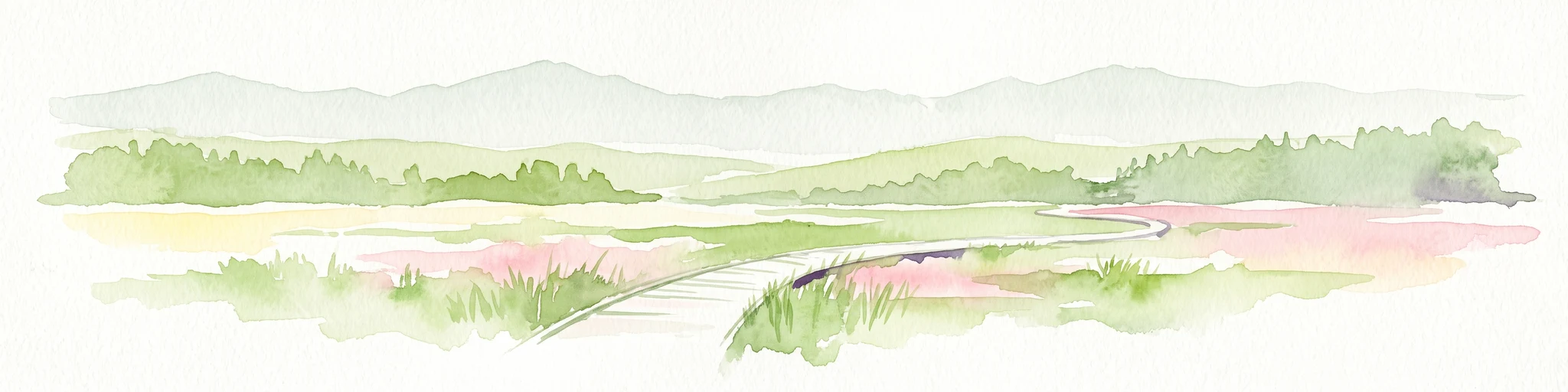
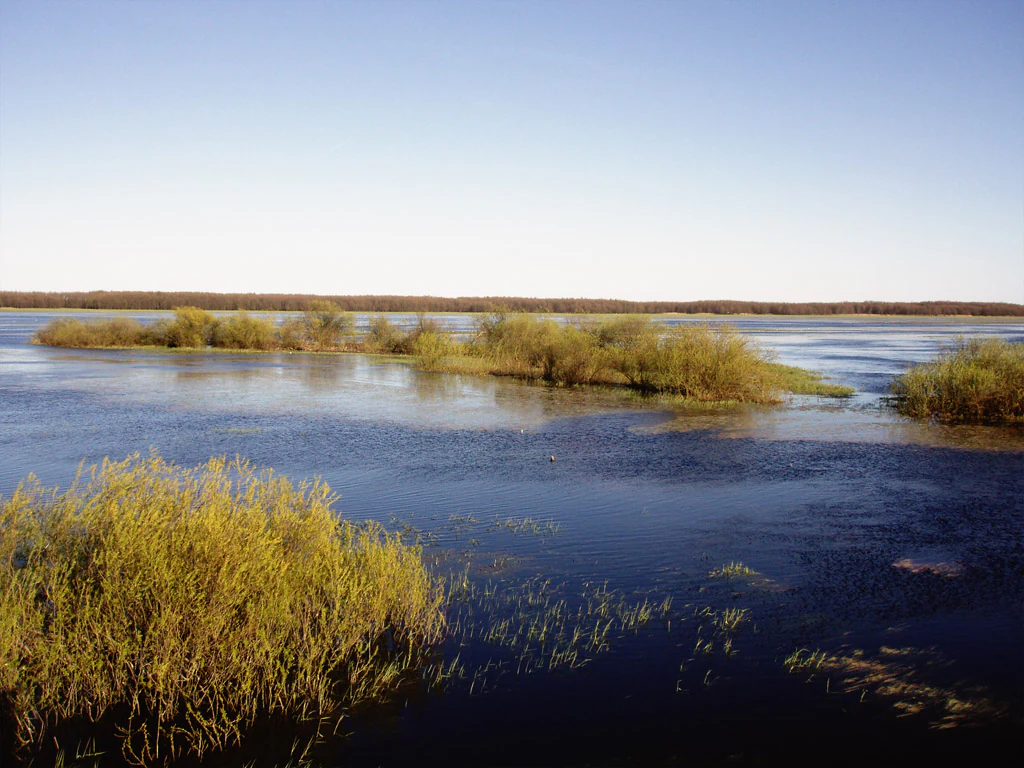
The landscape of Biebrza National Park is defined by its flat, water-soaked topography. The Biebrza River winds slowly across the peat-filled basin of the Kotlina Biebrzańska, and its minor shifts in course over millennia have created a complex network of oxbows, abandoned channels, and shallow floodplain lakes. These features give the valley a layered, gently undulating character rather than dramatic relief.
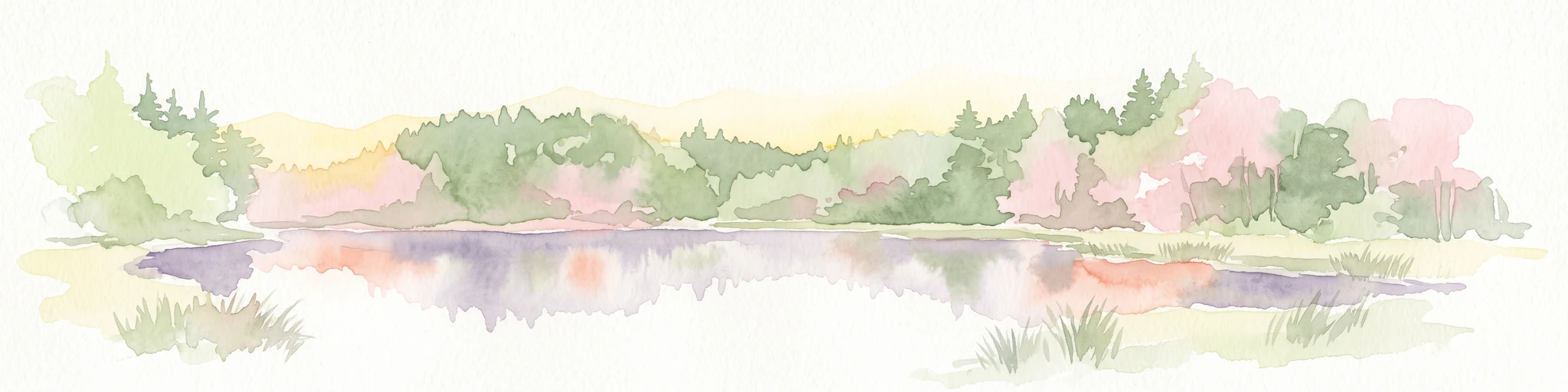
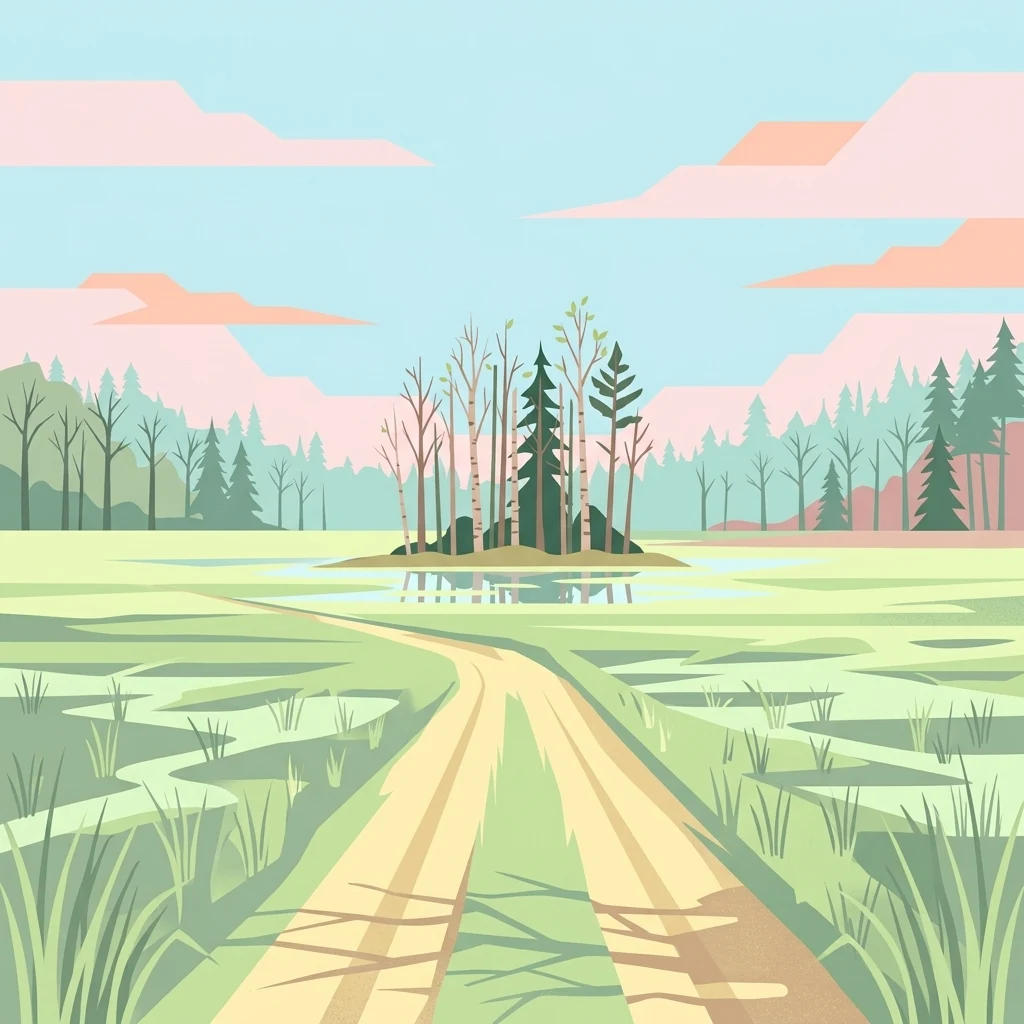
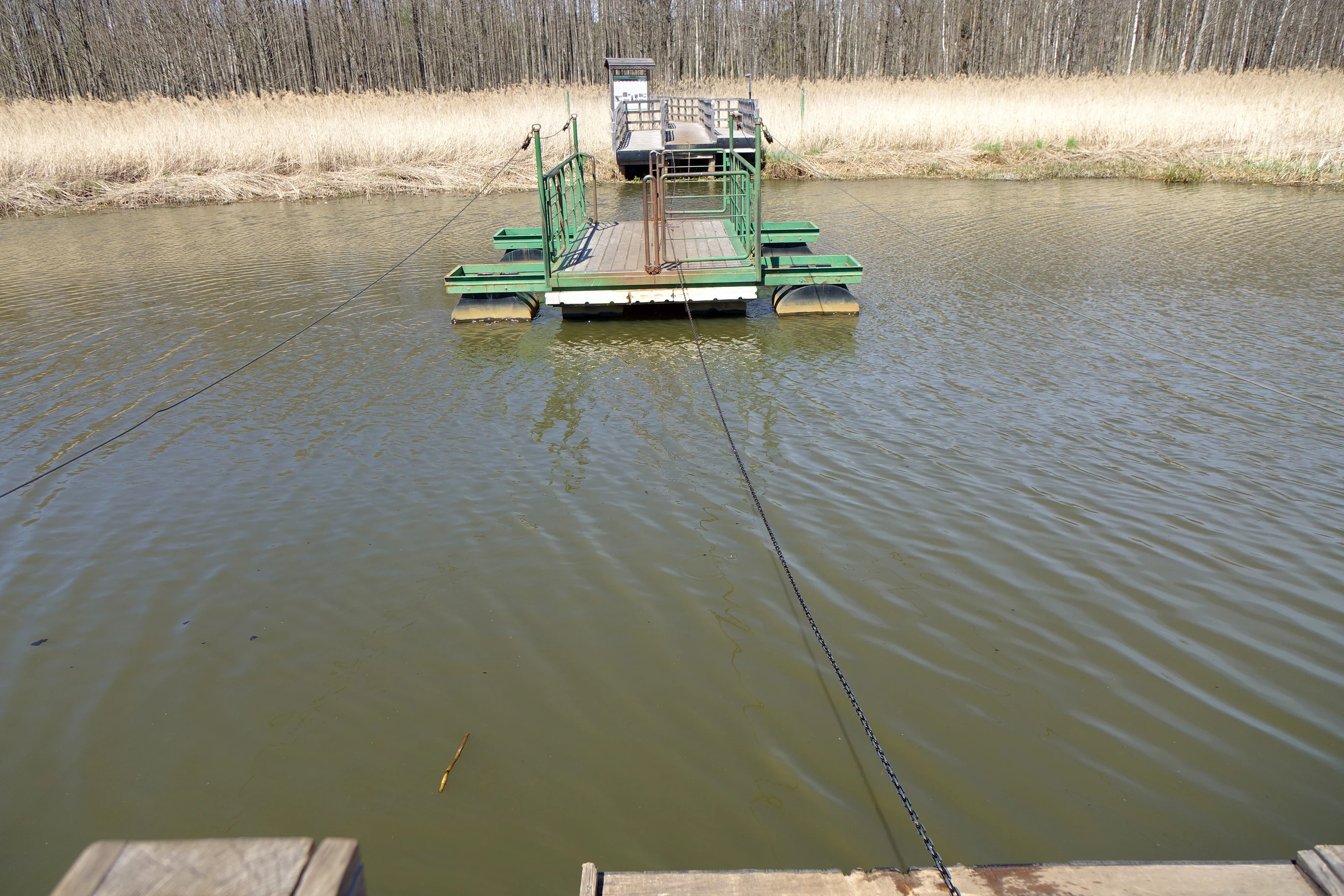
Open peatlands dominate the visual scenery. In spring and early summer the valley becomes a sheet of shallow water edged by tall sedges and reedbeds; later in the season the same areas turn into expansive green and rust-coloured meadows. Raised bog sections, particularly around Czerwone Bagno, break the monotony with darker, drier surfaces of Sphagnum moss, low shrubs, and stunted bog vegetation. Small dunes and sandy ridges, such as Góra Skobla, rise above the surrounding marshes and offer panoramic viewpoints over the floodplains.
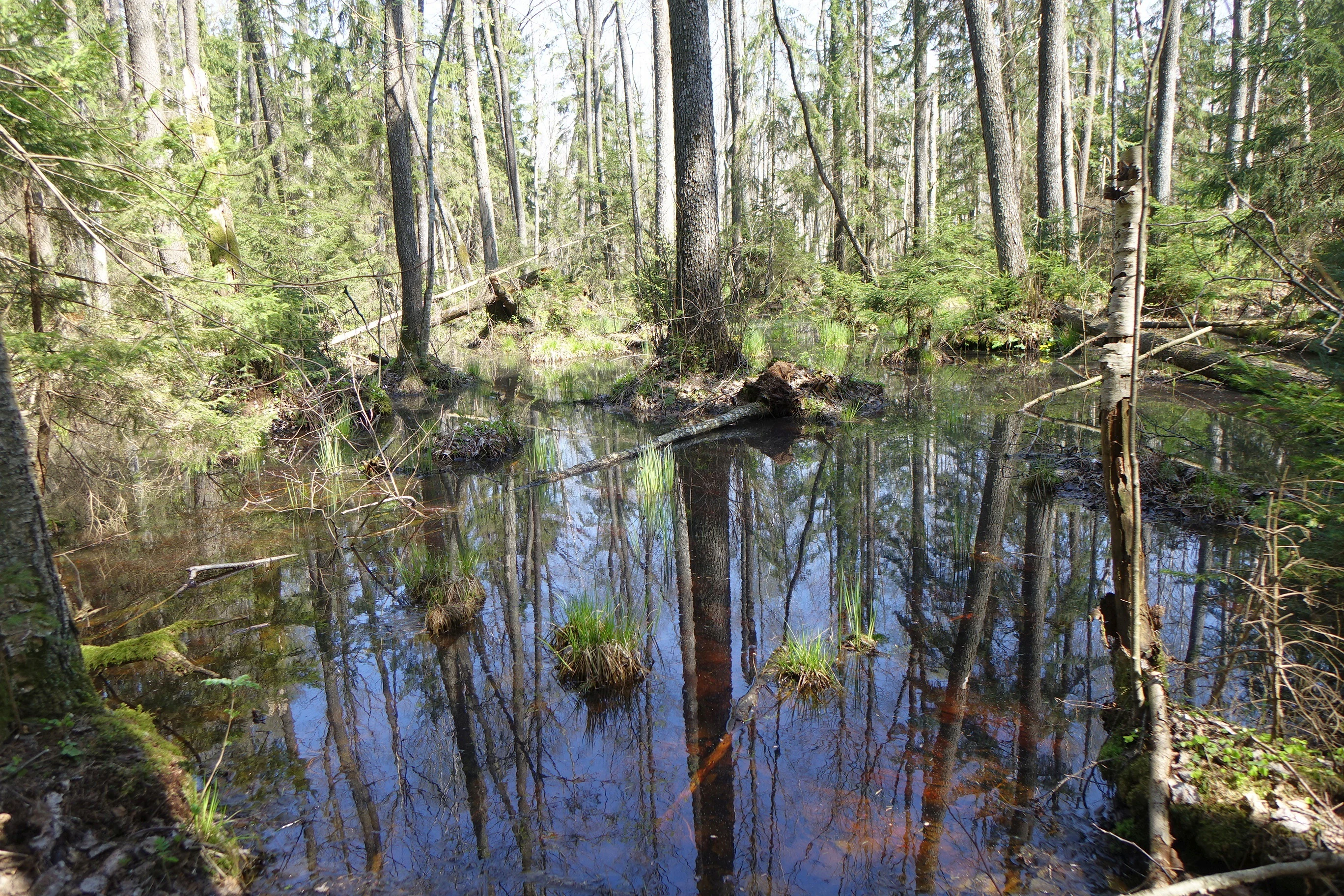
Woodland plays a smaller but important visual role. Alder carrs line active channels and depressions, willow thickets colonise abandoned riverbeds, and patches of boggy birch forest occupy intermediate ground between the wettest peatlands and drier mineral soils. Together these elements form a recognisably wetland landscape, where sky, water, and vegetation meet along endless horizons, and where human structures generally remain limited to the historical earthworks of the Osowiec Fortress and the remnants of old military and trade roads such as the Carska Droga.
Biebrza National Park ecosystems, habitats, and plant life
Ecologically, Biebrza National Park is a stronghold for peat-forming wetland communities that have largely vanished from the rest of Poland and from much of lowland Europe. The park protects extensive communities of aquatic vegetation, true marshes, peatlands, reedbeds, sedge meadows, and a range of forest types including alder carrs, birch bogs, and fragments of riverine floodplain forest. Among the most ecologically distinctive features are the rich fen and brown-moss communities (mechowiska), which harbour relict and rare plant species that no longer survive in more disturbed regions.
The flora is notably diverse and unusually natural in character. Orchids, including the early purple orchid, the common lady's slipper, the white helleborine, and two species of Epipactis, occur alongside carnivorous sundews and several clubmosses. Dwarf birch, Lapland willow, and the royal lousewort add a sub-boreal element to the flora. The combination of open, waterlogged habitats and ancient peat soils creates conditions for a flora that mixes temperate forest species with true bog and tundra specialists.
Hydrology is the controlling factor of the entire system. Seasonal flooding by the Biebrza and its tributaries maintains the high water table on which peat formation depends, supports the marsh and reed communities, and shapes the nutrient balance of the soils. Disruption of this hydrological regime, whether through drainage in surrounding areas or climate-driven drought, is widely recognised as the principal threat to the park's ecological integrity. The continued survival of the system is therefore closely linked to the protection of the broader water catchment.
Biebrza National Park wildlife and species highlights
The wetland mosaic of Biebrza National Park supports an exceptionally rich fauna. The park is documented as hosting forty-nine mammal species, 271 bird species, 36 fish species, 12 amphibian species, and 5 reptile species. Invertebrate diversity is also high, with more than 700 species of butterflies, nearly 500 spider species, over 500 beetle species, and significant populations of leeches and caddisflies.
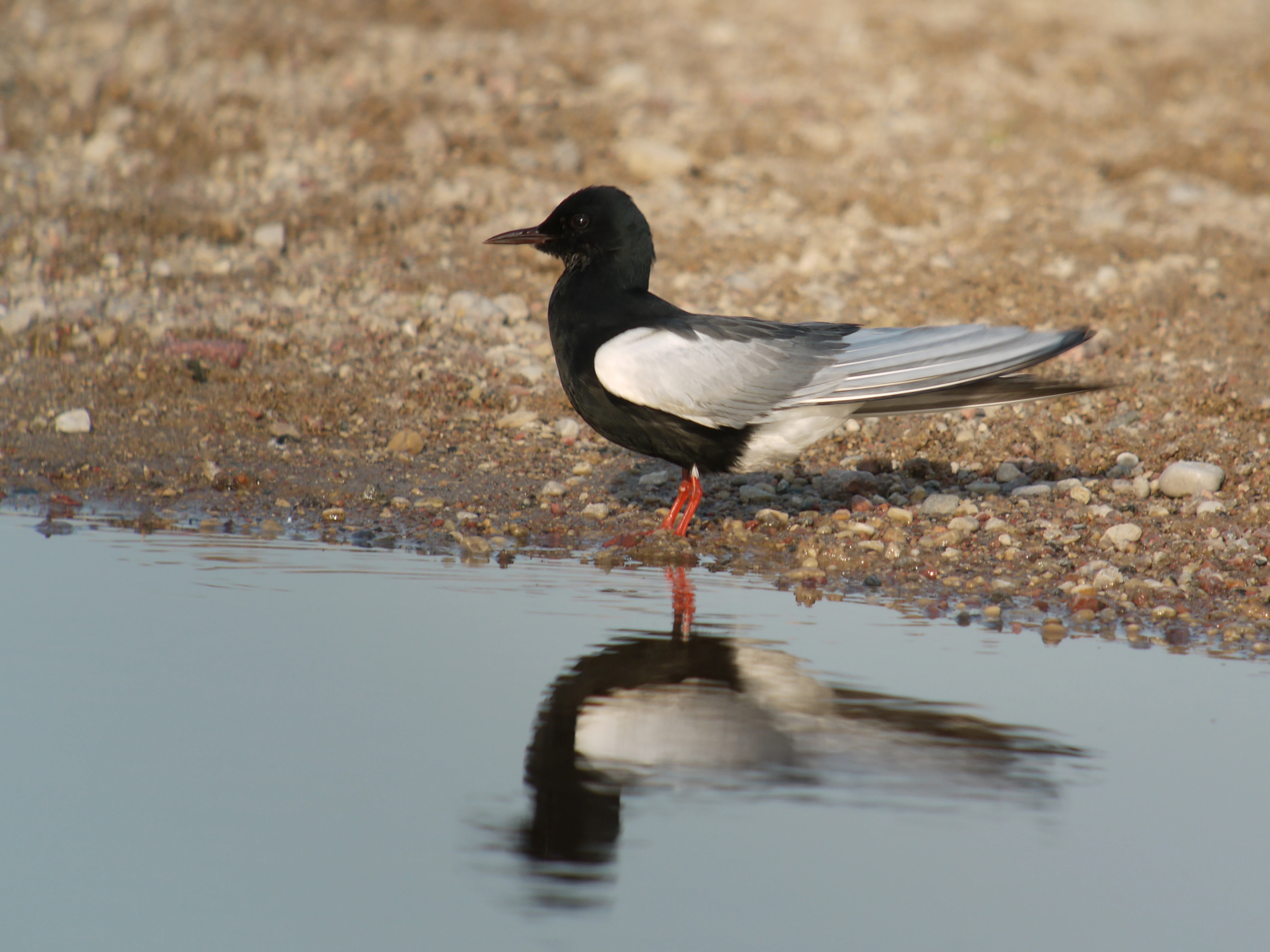
For birds, the Biebrza basin functions as an internationally important breeding, feeding, and staging area. The valley hosts isolated breeding populations of boreal and tundra-associated species, including the ruff, the great snipe, the common snipe, the jack snipe, and the black-tailed godwit, as well as marsh terns such as the white-winged tern and the whiskered tern. Raptors such as the lesser spotted eagle and short-eared owl are also part of the breeding avifauna. Beyond the breeding season, the open, flooded surfaces are crucial for migrating waders, for which Biebrza is one of the most important refuges in Central Europe.
The Eurasian elk is the park's most iconic mammal. The floodplain mosaic, with abundant willow and birch browse and extensive hiding cover, supports the largest elk population in Poland, numbering in the low hundreds. Other large mammals typical of the area include red deer, roe deer, and wild boar, while carnivores and smaller wetland mammals also occur in the forested fringes and undisturbed peatlands.
Biebrza National Park conservation status and protection priorities
Biebrza National Park is of major national and international conservation significance because it protects one of the last large-scale lowland peatland systems in Central Europe. Lowland peatlands have been almost entirely drained and converted in neighbouring countries, making the Biebrza basin effectively a refuge ecosystem for an entire suite of peat-dependent species and processes, including active peat formation.
Its Ramsar designation in 1995 reflects the park's role within the global network of wetlands of international importance, while its full incorporation into BirdLife International's Important Bird Area inventory in 2010 underscores its exceptional ornithological value. Internally, the park is zoned into strict protection areas, active protection areas, and landscape protection areas, allowing sensitive core zones to be shielded from direct human pressure while still permitting research, traditional land use, and controlled public access in surrounding sectors.
Conservation priorities for the park focus heavily on hydrology. Maintaining the natural flood regime of the Biebrza, preventing further drainage of the broader catchment, and managing post-fire recovery are central concerns, particularly after the major 2020 fire, which affected sensitive bog and meadow habitats. Ongoing debate also surrounds expansion of the park by an additional several thousand hectares to bring additional ecologically valuable buffer zones under formal protection, further strengthening the integrity of the wetland system.
Biebrza National Park cultural meaning and human context
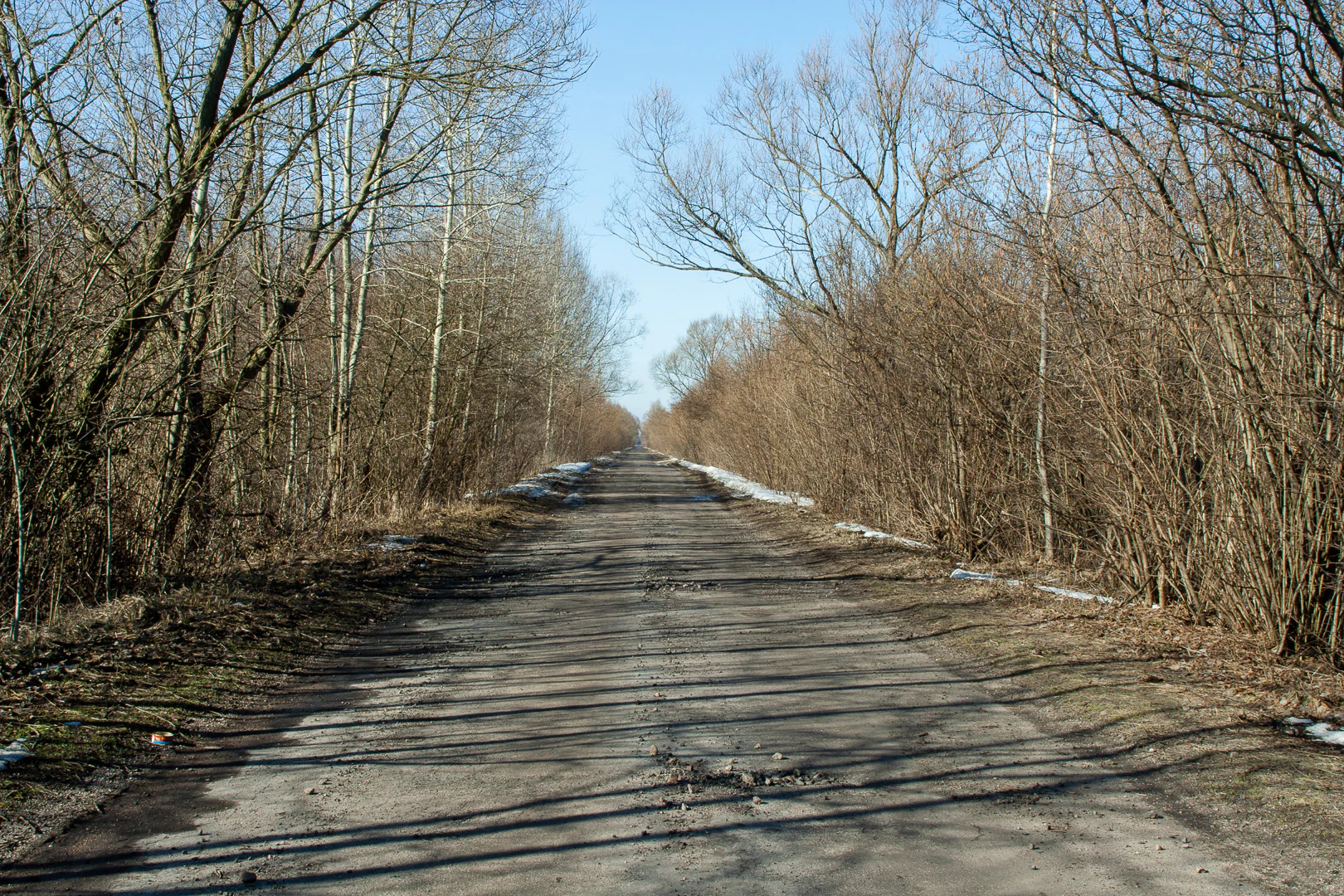
The Biebrza valley carries deep cultural and historical layers alongside its ecological value. Within the park lies the Twierdza Osowiec, a nineteenth-century Russian imperial fortress built to defend the approaches to the Prussian and later German border, and the better known Fort IV of this system can be explored via a dedicated nature-and-history trail. The historic earthwork road known as Carska Droga, originally laid as a military route, also passes through the park and remains a tangible element of the region's past.
The communities along the Biebrza have long traditions of life shaped by the rhythm of the marshes, including seasonal use of meadows, haymaking on the floodplain, and small-scale river transport. The traditional local culture of Podlasie, with its mix of Polish, Belarusian, and Orthodox Christian influences, continues to frame the human context of the surrounding villages such as Goniądz and Osowiec-Twierdza. Modern cultural programming around the park, including the thirtieth-anniversary initiatives of 2023, has increasingly emphasised the interaction between this regional heritage and the protected landscape.
Top sights and standout views in Biebrza National Park
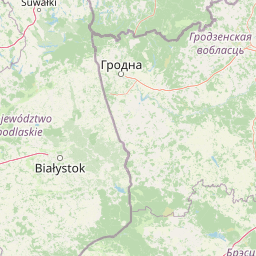
The park's strongest highlights are visible at the landscape scale: the seemingly endless floodplains of the Biebrza in spring, the dark expanse of Czerwone Bagno, and the modest but striking dunes and viewpoints such as Góra Skobla. These open, expansive scenes are increasingly rare in modern Europe and give the park an immediate visual identity.
Ecologically, the park's highlights include the breeding populations of aquatic warbler and other marsh-nesting songbirds, the seasonal concentrations of waders on migration, and the regular presence of elk moving through the willow and birch thickets. Each of these features has made the park a reference site for European wetland conservation.
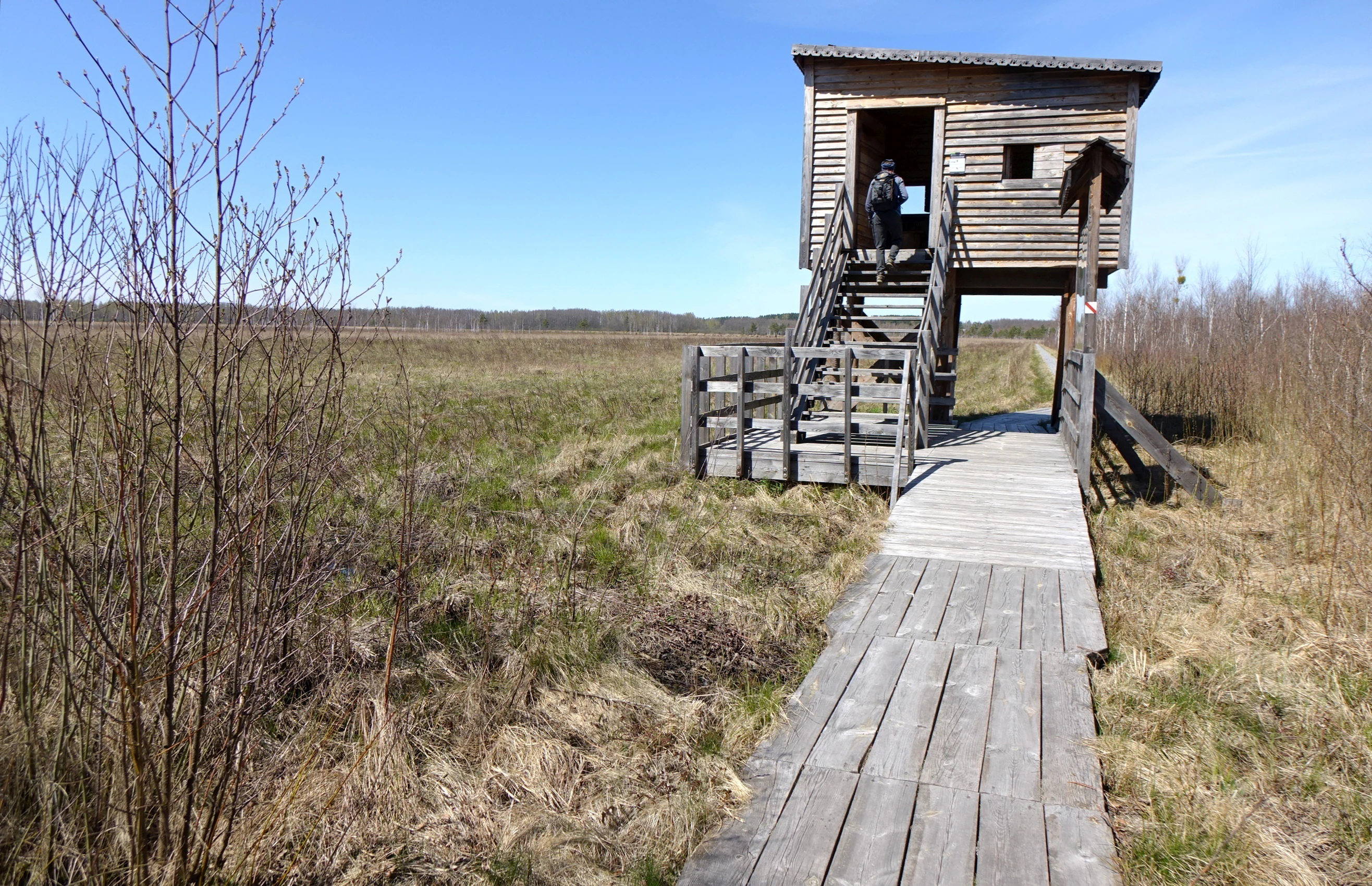
Practical highlights for visitors include a dense network of nature trails, over 100 kilometres of cycling routes such as the Podlaski Szlak Bociani and the Green Velo trail, the option of paddling down the Biebrza, and the integration of natural and human history through sites such as Fort IV of the Osowiec Fortress.
Best time to visit Biebrza National Park
Late spring is widely regarded as the most evocative season in Biebrza, when snowmelt and seasonal floods turn the valley into a broad sheet of shallow water. This period brings peak breeding activity for many marsh birds and the chance to see waders establishing territories across the open fens. Early mornings at this time of year can be particularly rewarding for birdwatching.
Summer reveals the full vegetation of the park, with extensive sedge flowering, active insect life, and easier walking conditions on the educational trails. The longer days and warmer temperatures also support canoe trips along the Biebrza, though water levels can be lower later in the season. In autumn the park becomes quieter, the colours of the birch and willow woodlands shift, and elk are often more visible.
Winter conditions can be harsh, with deep snow, frozen peatlands, and limited access to certain trails, and visits at this time of year are best suited to experienced observers. Across the year, the park's character is shaped strongly by water and season, and visits at different times offer very different impressions of the same wetland landscape.