Why Constitution 1857 National Park stands out
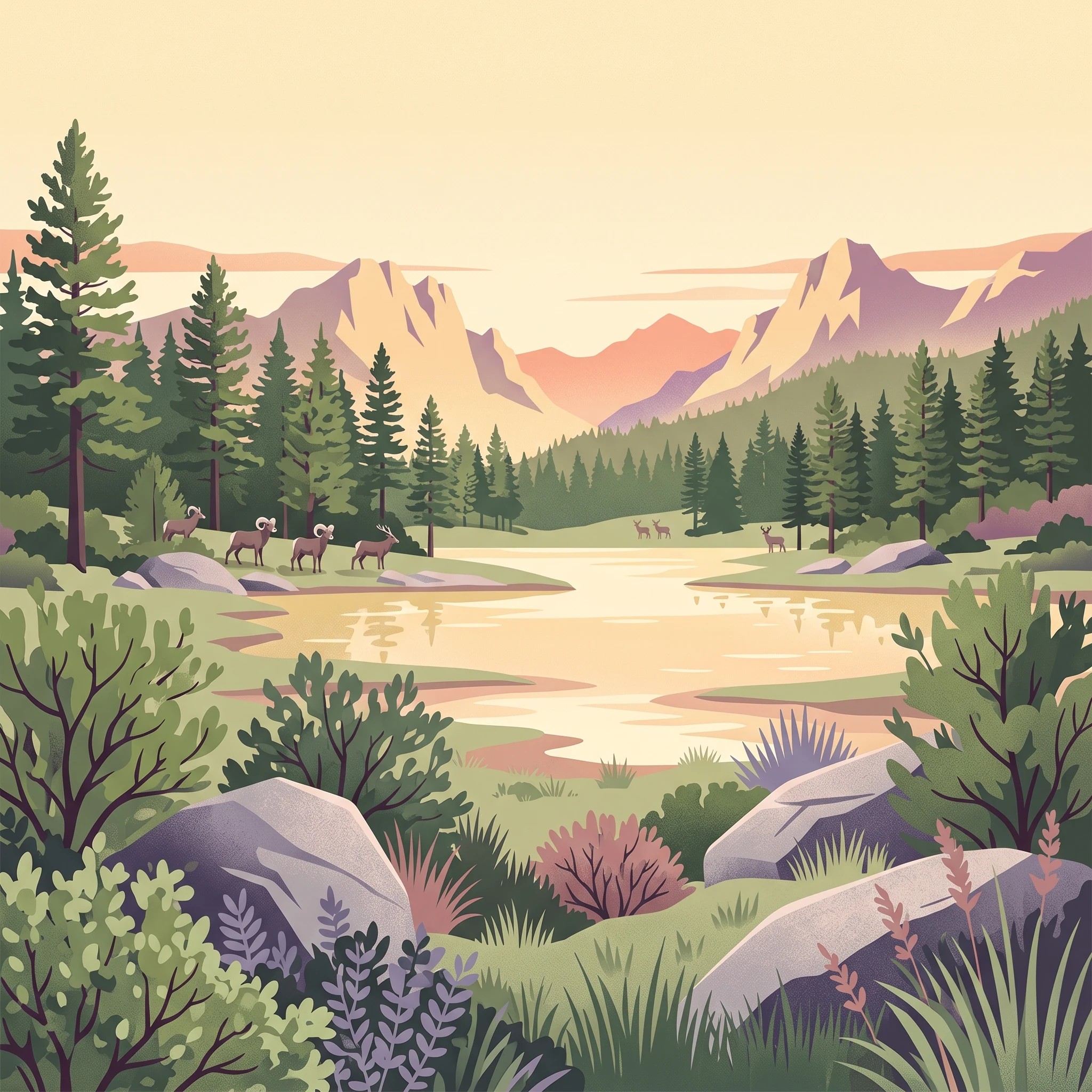
Constitution 1857 National Park is best known for its coniferous forests in the Sierra de Juárez, which represent one of the few extensive wooded areas on the Baja California peninsula. The park protects significant populations of bighorn sheep and mule deer, two iconic species of the region. Its landscape of pine-covered mountains surrounding Laguna Hanson, a lake that freezes in winter and partially dries in summer, creates a distinctive ecological character unusual for the typically arid Baja California landscape. The park is also recognized for its role as one of two principal terrestrial wildlife refuges on the peninsula, alongside Sierra de San Pedro Mártir National Park.
Constitution 1857 National Park history and protected-area timeline
The park was created by decree of the Mexican federal government on April 27, 1962, with the dual purpose of establishing a recreational center and protecting the forest resources and wildlife of the Sierra de Juárez. The decree specifically cited the beauty of the area, with its system of small lakes, as a key consideration for protection. The park was named after the 1857 Constitution of Mexico, reflecting the historical significance of that document in Mexican history. The establishment responded to a request from the Baja California state government and recognized the ecological value of this rare forested mountain environment on the peninsula. Over the decades, the park's conservation importance has been reinforced through additional designations, most notably its designation as a Ramsar Wetland on February 2, 2010, recognizing the ecological significance of Laguna Hanson and associated wetlands.
Constitution 1857 National Park landscape and geographic character
The park occupies a mountainous landscape within the Sierra de Juárez, characterized by extensive plains with gentle slopes surrounded by higher peaks. The Hanson Plain forms the central valley of the park, with soils of granite and sandy texture that support the forest ecosystem. Laguna Hanson, the main lake, sits at 1,580 meters elevation and represents the highest and most central wetland in the Sierra de Juárez. Several smaller lakes dot the plain, though most are ephemeral, holding water only during the wet winter season before evaporating in summer. The surrounding mountains reach elevations just outside the park of approximately 1,842 meters. The landscape creates a visually distinctive environment within Baja California, where the forested mountains rise abruptly from the surrounding semi-arid terrain, offering a cool, wooded retreat unusual for the region.
Constitution 1857 National Park ecosystems, habitats, and plant life
The Sierra de Juárez supports a remarkable diversity of coniferous species that define the park's ecological character. Dominant tree species include Pinus jeffreyi, Pinus ponderosa, Pinus cembroide, Pinus quadrifolia, and Pinus monophylla, with juniper also present. These forests share significant botanical connections with the Laguna Mountains and San Jacinto Mountains of southwestern California, reflecting the shared geological history of the region. At lower elevations, the forest gives way to chaparral and desert shrub communities. The park is considered, alongside Sierra de San Pedro Mártir National Park, one of the two principal terrestrial wildlife refuges on the Baja California peninsula. According to national biodiversity records, the park hosts more than 640 species of plants and animals, with 36 species classified under some risk category under Mexico's official species protection list.
Constitution 1857 National Park wildlife and species highlights
The park supports a rich community of mammals, with bighorn sheep and mule deer being the most notable species. These large mammals are characteristic of the Sierra de Juárez and represent important conservation priorities for the region. Additional mammalian species include cougars, bobcats, ringtails, coyotes, rabbits, squirrels, and more than 30 species of bats. The avian community is equally diverse, featuring bald eagles, golden eagles, black vultures, falcons, woodpeckers, crows, and various nuthatch and duck species. The bighorn sheep of Baja California, locally known as borrego cimarrón, is considered an iconic species of the peninsula. The park's combination of forest, chaparral, and wetland habitats supports this diverse fauna, making it one of the most important wildlife areas in northern Baja California.
Constitution 1857 National Park conservation status and protection priorities
Constitution 1857 National Park represents one of the most important conservation areas on the Baja California peninsula, protecting the rare coniferous forest ecosystems that exist in this region. As one of only two major terrestrial wildlife refuges on the peninsula, it preserves critical habitat for species including bighorn sheep and mule deer that require forested mountain environments. The park's Ramsar Wetland designation in 2010 reflects international recognition of the ecological importance of Laguna Hanson and associated wetland habitats. The protection of this area addresses both the preservation of forest resources and the maintenance of the ecosystem services they provide, including water retention and soil protection in the mountain watershed. The presence of 36 species in some category of risk under Mexico's species protection framework underscores the conservation significance of this protected area.
Constitution 1857 National Park cultural meaning and human context
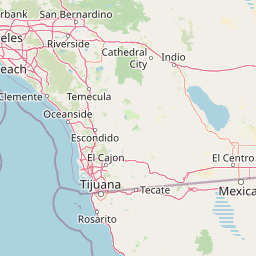
The park occupies the traditional territory of indigenous communities of Baja California and represents a mountainous landscape that has been part of the region's natural heritage long before formal protected area designation. The park's name honors the 1857 Constitution of Mexico, connecting the natural landscape to the broader historical and political identity of the nation. Local communities from surrounding towns, particularly those in the Ensenada area, have traditionally utilized the park for recreation and have developed cultural connections to this forested mountain environment. The road from Ensenada to Ojos Negros provides access to the park, and the surrounding region has been influenced by both ranching traditions and more recent conservation priorities.
Top sights and standout views in Constitution 1857 National Park
The park offers visitors a rare opportunity to experience extensive coniferous forest in Baja California, a landscape type that is scarce on the peninsula. Laguna Hanson serves as a scenic centerpiece, with its seasonal cycles of filling and freezing creating dynamic environmental conditions throughout the year. The bighorn sheep populations represent one of the park's most iconic wildlife viewing opportunities. The combination of forest, lakes, and mountain scenery creates a distinctive destination within the region, offering hiking, camping, and nature observation activities. The park's Ramsar designation further underscores the ecological importance of its wetland systems.
Best time to visit Constitution 1857 National Park
The best time to visit depends on what visitors hope to experience. Winter months bring cooler temperatures and the filling of Laguna Hanson and other lakes, with the possibility of snow creating scenic winter landscapes. However, cold temperatures at night can cause lake surfaces to freeze. Summer offers warmer conditions but many shallow lakes dry up completely during this season. For wildlife viewing, the spring and early summer months may offer more accessible observations as animals frequent water sources. The moderate climate of the mountain environment makes the park accessible for most of the year, though visitors should be prepared for the seasonal variations in temperature and lake conditions.