
Mori Atlas logo
National parkSierra de San Pedro Mártir National Park

Discover the mapped boundaries and natural terrain of this national park in Baja California.

Sierra de San Pedro Mártir National Park: Protected Landscape Atlas and Geographic Context

Sierra de San Pedro Mártir National Park stands as a significant protected area within Mexico's Baja California region. This page offers an atlas-style exploration of its national park designation, focusing on its mapped boundaries and the surrounding natural landscape. Users can delve into the geographic context of this protected territory, understanding its position within the broader peninsula and its significance as a conserved natural space.

Montane forestPine-oak woodlandBighorn sheep habitatCalifornia condor reintroduction siteEndemic species protectionMountain wilderness
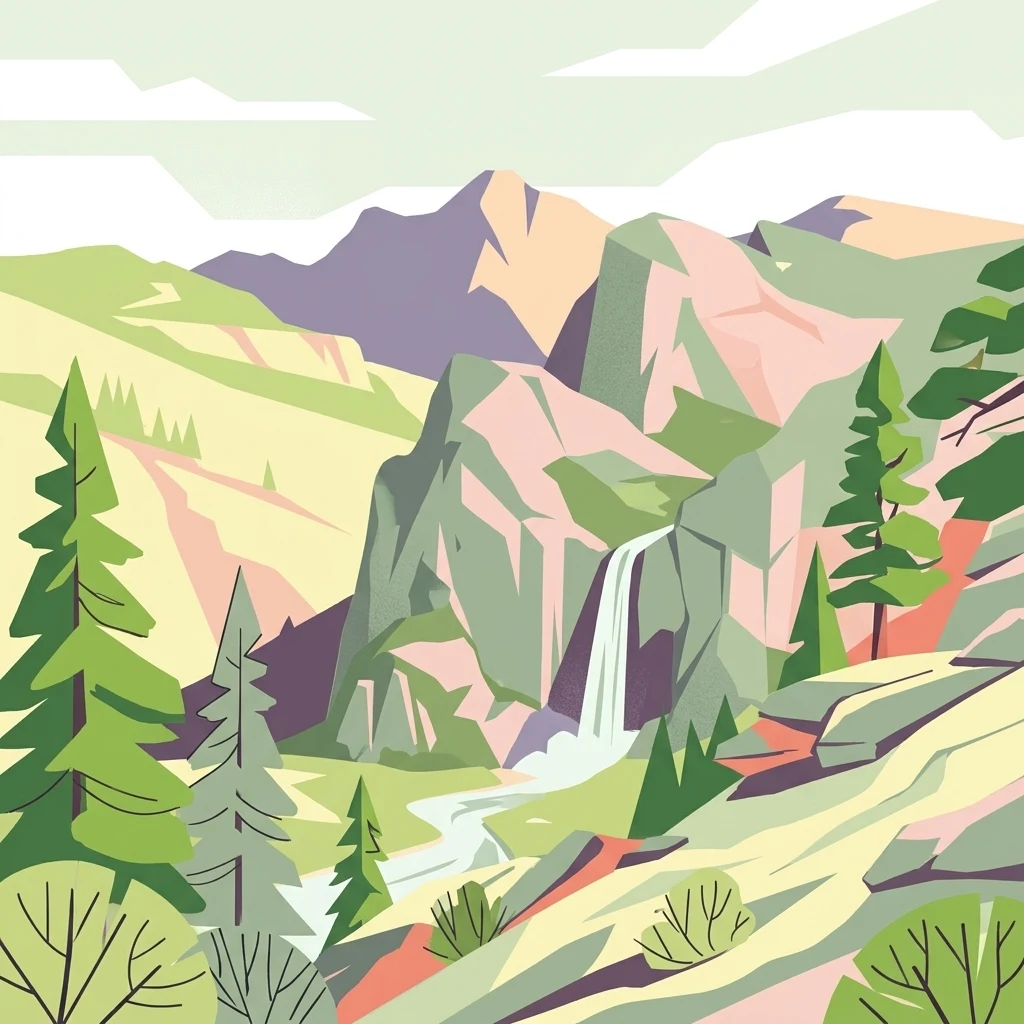
Illustration of mountain landscape with waterfall, pine trees, and rocky terrain

Sierra de San Pedro Mártir National Park

National park

Park overview

Structured park overview, official facts, and landscape profile for Sierra de San Pedro Mártir National Park

Sierra de San Pedro Mártir National Park park facts, protected area profile, and essential visitor context
Review the core facts for Sierra de San Pedro Mártir National Park, including designation, size, terrain, visitor scale, habitats, and operating context in one park-focused overview.

About Sierra de San Pedro Mártir National Park

Sierra de San Pedro Mártir National Park protects a distinctive mountain ecosystem that stands in stark contrast to the desert landscapes surrounding it on the Baja California peninsula. The park was created in 1947 when 72,909 hectares were set aside by the Mexican federal government, recognizing the ecological significance of this isolated pine forest environment. The mountain range runs north-south along the middle portion of northwestern Baja California, forming a biological corridor that supports species found nowhere else in Mexico. The granite rock formations scattered throughout the park add to its visual character, while the elevation gradient from desert floor to alpine peaks creates remarkable ecological diversity within a relatively compact area. The National Astronomical Observatory, constructed in the 1970s, represents human appreciation of these clear mountain skies and has made the region internationally significant for scientific research.

Quick facts and research context for Sierra de San Pedro Mártir National Park

Sierra de San Pedro Mártir National Park covers 72,909 hectares of mountainous terrain in Baja California, Mexico. The park was established by federal decree on April 26, 1947, and is administered by the Secretariat of the Environment and Natural Resources. The park straddles Ensenada Municipality and Mexicali Municipality, with the nearest city being San Felipe on the Gulf of California. The mountain range represents the northern part of the Cordillera Baja California and features dramatic elevation changes, deep canyons, and granite rock formations. The area experiences two distinct climate types: continental conditions at higher elevations and semiarid conditions in the lower reaches.

Park context

Deeper park guide and search-rich context for Sierra de San Pedro Mártir National Park

Sierra de San Pedro Mártir National Park history, landscape, wildlife, and travel context
Explore Sierra de San Pedro Mártir National Park through its history, landscape character, ecosystems, wildlife, conservation priorities, cultural context, and seasonal travel timing in a structured park guide built for atlas discovery and search intent.

Why Sierra de San Pedro Mártir National Park stands out

This park is best known for its unique position as one of the few pine forests on the Baja California peninsula, representing a critical island of montane ecology surrounded by desert. The critically endangered San Pedro Mártir cypress is endemic to this mountain range, found nowhere else on Earth. The park serves as vital habitat for bighorn sheep populations and has become the primary site for California condor reintroduction in Mexico through international conservation partnerships. The dramatic granite peaks, particularly Picacho del Diablo, and the presence of Mexico's premier astronomical observatory at 2,800 meters elevation add further distinction to this protected landscape.
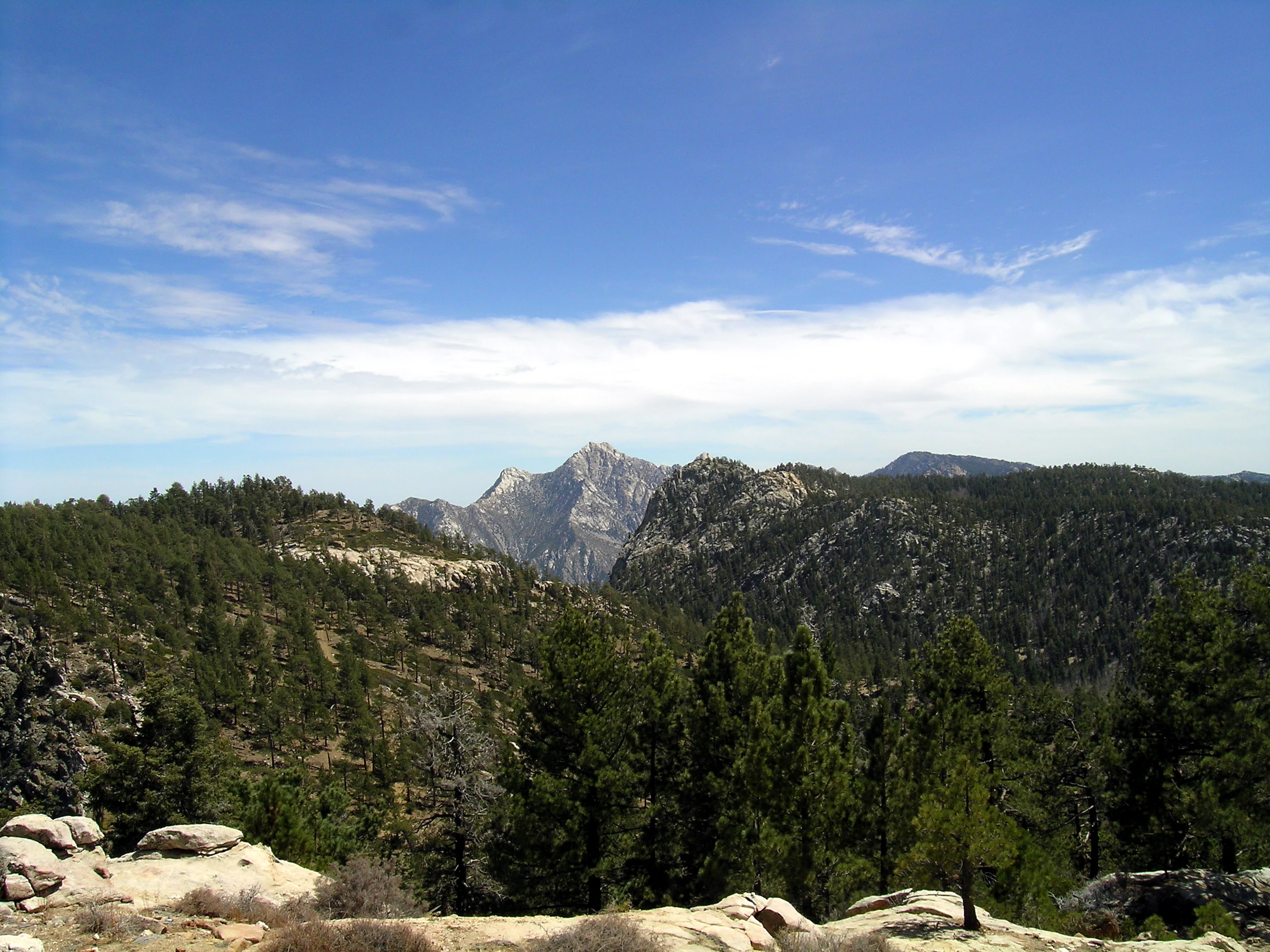
Mountainous landscape with rocky peaks, pine trees, and a clear blue sky featuring scattered clouds.
View of Picacho del Diablo peak in Sierra de San Pedro Mártir National Park, Mexico, with forested hills and clear blue sky.

Sierra de San Pedro Mártir National Park history and protected-area timeline

The Sierra de San Pedro Mártir region was first explored by Europeans in 1701 when Jesuit missionary Eusebio Francisco Kino, traveling under Dominican orders, ventured into these mountains. The indigenous peoples of the region had long occupied these lands before European arrival. The Dominicans later established the Misión San Pedro Mártir de Verona in the southern portion of what is now the park, though only ruins remain of this colonial-era religious site. The national park itself was officially created by decree on April 26, 1947, making it one of Mexico's older protected areas. The National Astronomical Observatory began operations in the mid-1970s, taking advantage of the exceptional atmospheric conditions at high elevation: clear skies, low humidity, minimal light pollution, and limited radio interference. This facility now houses Mexico's largest optical telescope with a 2.12-meter diameter mirror, establishing the site as the second most important astronomical observatory in Latin America.

Sierra de San Pedro Mártir National Park landscape and geographic character

The Sierra de San Pedro Mártir is a rugged mountain range characterized by dramatic topological changes, deep canyons, and imposing granite rock formations. The landscape rises sharply from the surrounding desert plains, creating a striking visual contrast that has led to the park being described as a mountain oasis. Picacho del Diablo, also known as Devil's Peak, dominates the eastern portion of the park as the highest point in all of Baja California, its summit reaching 3,096 meters. The terrain features numerous abrupt elevation changes across short distances, with the landscape transitioning from desert shrub at lower elevations through chaparral and oak woodland to conifer forest at higher elevations. The granite composition of the mountains creates distinctive rock formations and boulder-strewn slopes throughout the park.
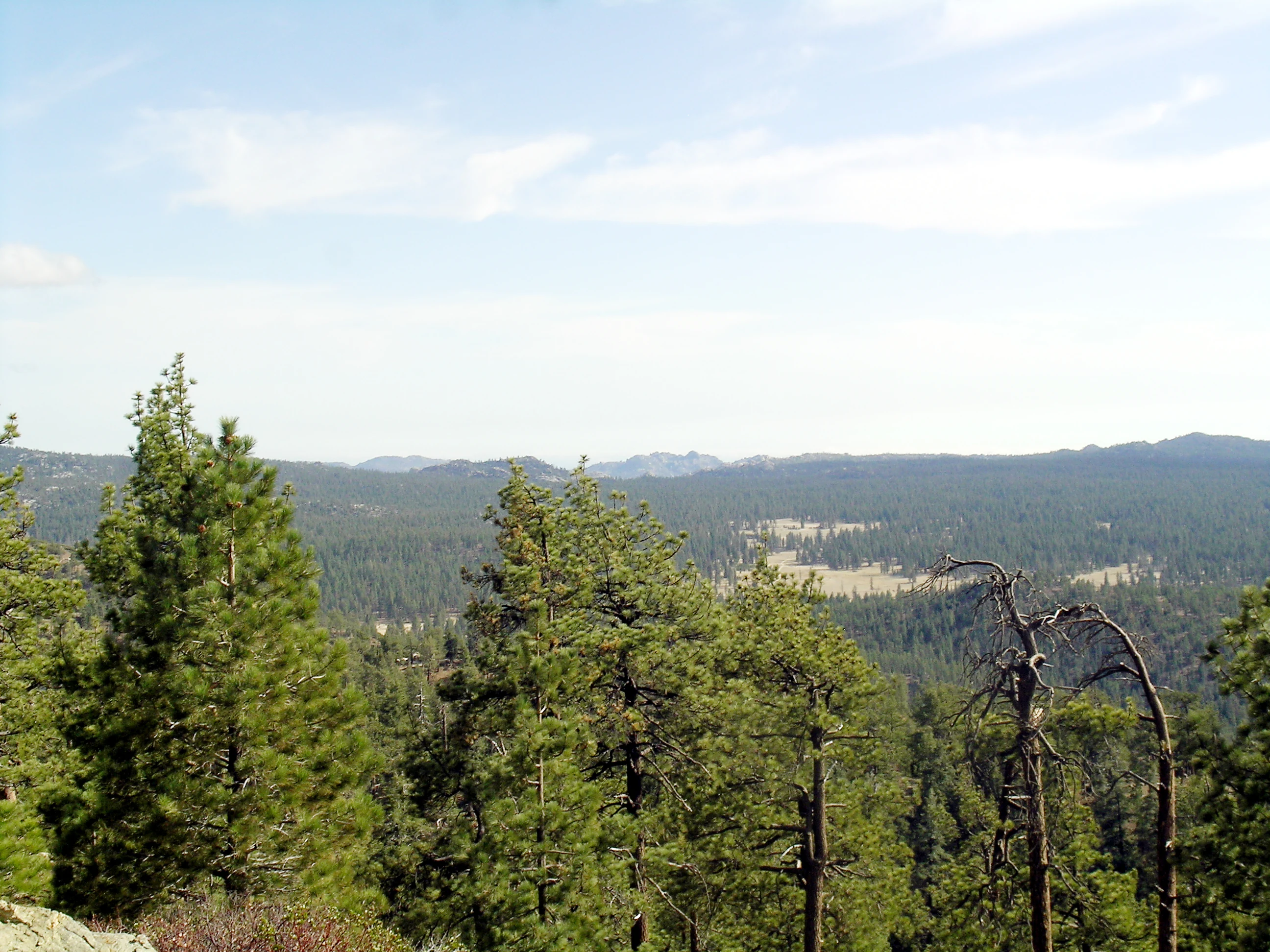
Mountain range view with rocky peaks, forests, and clear sky
Panoramic view of Sierra de San Pedro Mártir National Park mountains

Sierra de San Pedro Mártir National Park ecosystems, habitats, and plant life

The Sierra de San Pedro Mártir supports a distinctive montane forest ecosystem that differs fundamentally from the flora found elsewhere in Mexico. The pine-oak forests at middle and higher elevations share strong botanical connections with the Laguna Mountains and San Jacinto Mountains of southern California, reflecting the historical connection between these landmasses. Conifers predominate at higher elevations, with species including Pinus lambertiana (sugar pine), Pinus quadrifolia, Pinus jeffreyi (Jeffrey pine), Abies concolor (white fir), and Tecate cypress. The critically endangered San Pedro Mártir cypress is endemic to this range, found nowhere else on the planet. Oak trees intermingle with conifers at middle elevations, while the lower elevations transition into chaparral and desert shrub communities. The California fan palm reaches its southern distribution limit here, marking the southern extent of this palm species.
Mountain landscape with pine trees and rocky slopes in foreground, extending to a valley and distant mountain ranges under clear blue sky
Panoramic view from the summit of Sierra de San Pedro Mártir National Park showing the valley and distant mountains

Sierra de San Pedro Mártir National Park wildlife and species highlights

The park supports remarkable mammalian diversity despite its relatively compact size. Bighorn sheep inhabit the rocky terrain and represent one of the park's flagship species, while mule deer are commonly observed throughout the forest zones. Predators including cougars and bobcats maintain ecological balance, while smaller mammals such as ringtail cats, coyotes, rabbits, and squirrels are widespread. More than thirty species of bats occupy the park's caves and roosting sites. The avian community is equally diverse, featuring bald eagles, golden eagles, various falcon species, woodpeckers, black vultures, and crows. The California condor reintroduction program represents perhaps the most significant wildlife conservation achievement in the park's history. Captive-born condors have been successfully released into the wild here, with the second generation receiving the Kiliwa name inyaa, meaning sun, reflecting the local indigenous cultural connection to this restoration effort.
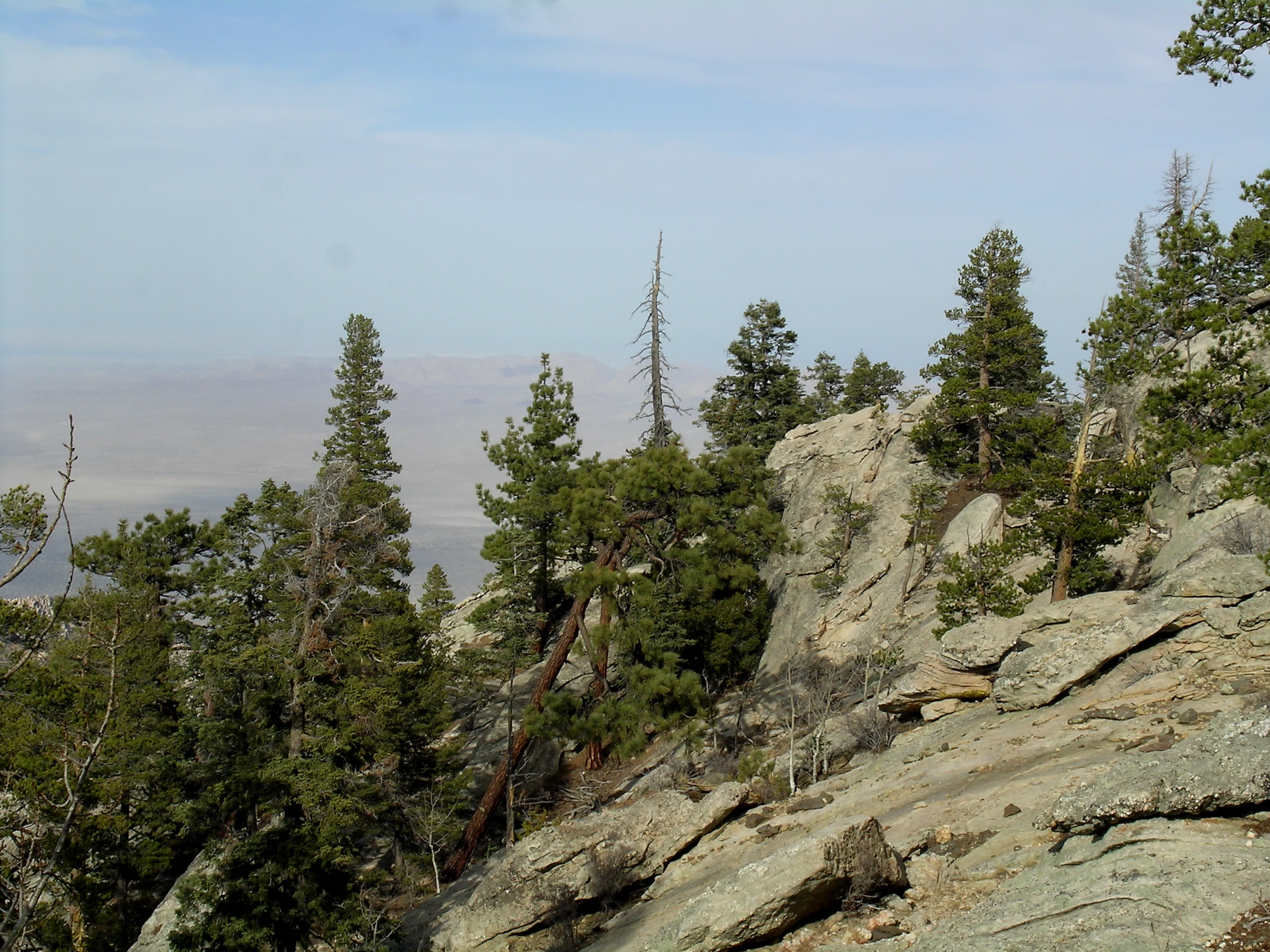
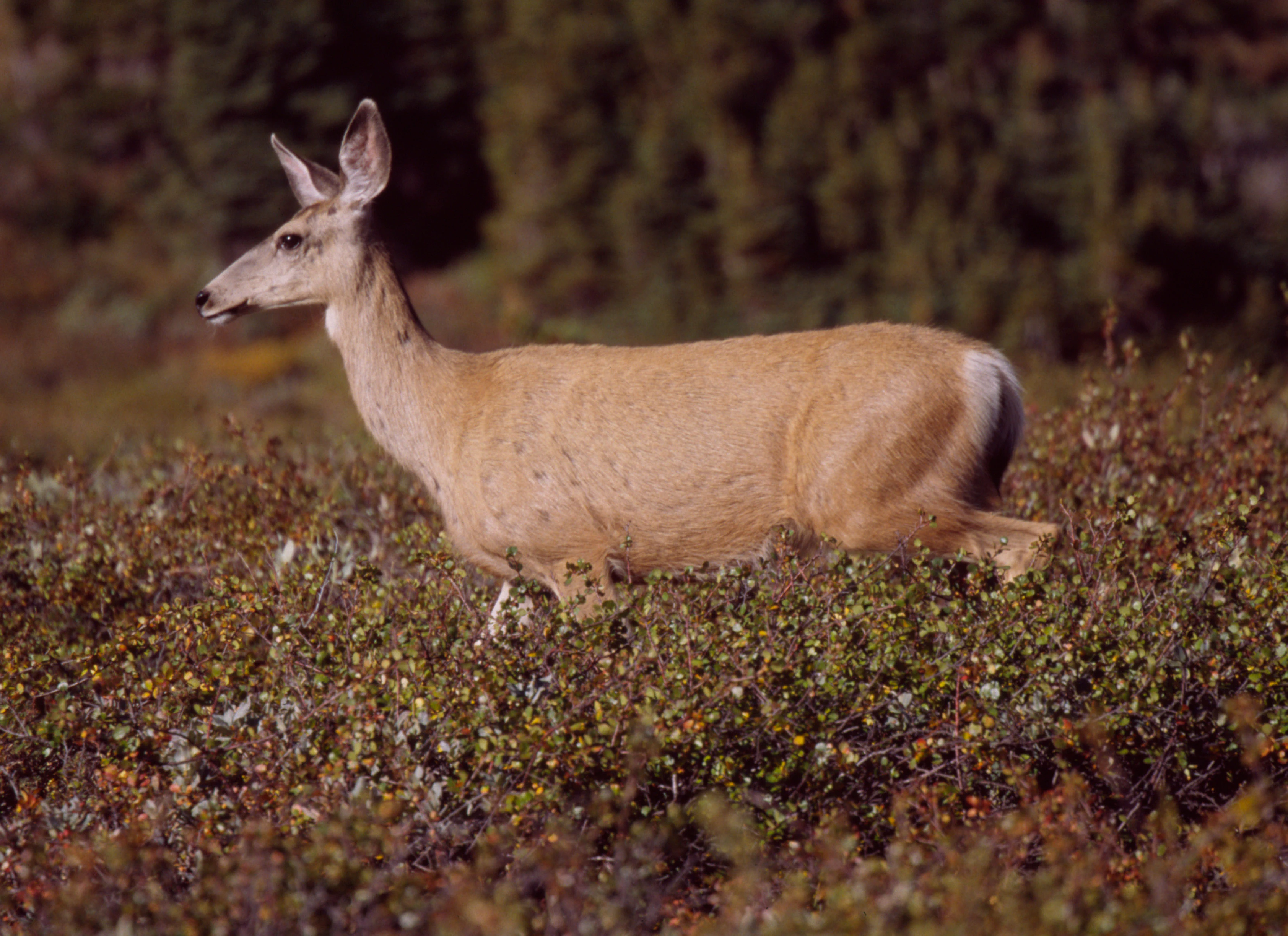
Panoramic landscape of mountainous terrain with dense pine forests under a partly cloudy sky
Panoramic view of pine forests and mountain ranges in Sierra de San Pedro Mártir National Park

Sierra de San Pedro Mártir National Park conservation status and protection priorities

Sierra de San Pedro Mártir National Park plays a crucial conservation role as one of the last intact montane forest ecosystems on the Baja California peninsula. The critically endangered San Pedro Mártir cypress depends entirely on this protected area for its survival, making the park globally significant for this species. The bighorn sheep populations benefit from the protected habitat that allows these mountain-dwelling ungulates to maintain viable numbers. The California condor reintroduction program has brought an iconic species back to its historic range after an absence of nearly seven decades, demonstrating the potential for ecological restoration in protected landscapes. The park's high elevation location, surrounded by desert, creates a relatively isolated ecological island that requires active management to maintain its biodiversity values.

Sierra de San Pedro Mártir National Park cultural meaning and human context

The Sierra de San Pedro Mártir holds significance for the indigenous peoples of the region, particularly the Kiliwa language community whose ancestral lands encompass this territory. The naming of the second generation of reintroduced California condors as inyaa, meaning sun in Kiliwa, demonstrates the ongoing connection between local communities and the landscape. European exploration began with Jesuit missionaries in the early eighteenth century, followed by Dominican establishment of the Misión San Pedro Mártir de Verona, whose ruins still exist within the park boundaries. The Spanish name of the range honors Saint Peter the Martyr, the Dominican saint after whom the mission was named.
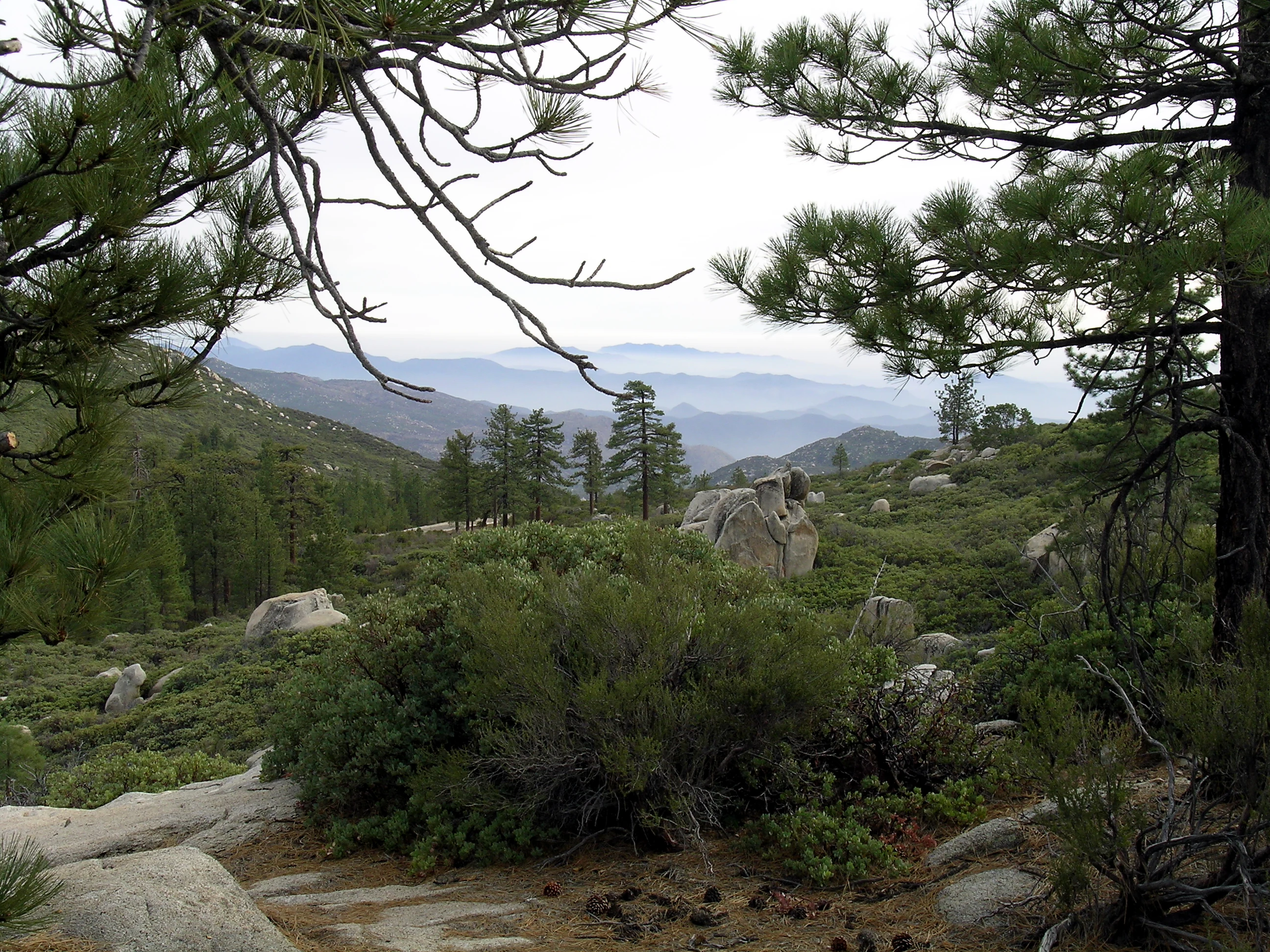
Mountain landscape with pine trees, shrubs, and rocky terrain in Sierra de San Pedro Mártir National Park
West-facing mountain landscape in Sierra de San Pedro Mártir National Park

Top sights and standout views in Sierra de San Pedro Mártir National Park

The combination of exceptional ecological diversity, dramatic mountain scenery, and scientific infrastructure makes Sierra de San Pedro Mártir uniquely significant. The highest peak in Baja California offers challenging trekking opportunities, while the California condor reintroduction program provides rare wildlife viewing possibilities for visitors. The National Astronomical Observatory represents a different kind of wilderness appreciation, where the dark mountain skies enable astronomical discovery. The endemic San Pedro Mártir cypress and the remnant pine forest ecosystem represent biological treasures that exist in few other places on Earth.

Best time to visit Sierra de San Pedro Mártir National Park

The park can be visited year-round, though spring and fall offer the most comfortable conditions for outdoor exploration. Summer months bring warm temperatures in the lower elevations while the high country remains pleasant. Winter brings snow to the higher elevations, creating beautiful alpine scenery but potentially limiting access to some trails. The clearer skies during the dry season typically run from October through May, offering better visibility for landscape photography and wildlife observation. Visitors should be prepared for dramatic temperature variations depending on elevation, as conditions at the summit can differ substantially from the desert approaches.

Park location guide

Geography guide, regional context, and park location map for Sierra de San Pedro Mártir National Park

Sierra de San Pedro Mártir National Park park geography, regions, and map view in Mexico
Understand where Sierra de San Pedro Mártir National Park sits in Mexico through a broader geographic reading of the surrounding landscape, nearby location context, and its mapped position within the national park landscape.

How Sierra de San Pedro Mártir National Park fits into Mexico

Mexico, officially the United Mexican States, is a country in North America spanning the Sierra Madre mountain ranges, coastal plains, and tropical regions. It borders the United States to the north, Guatemala and Belize to the southeast, and has coastlines along the Pacific Ocean, Gulf of Mexico, and Caribbean Sea. With a population exceeding 130 million, Mexico is home to one of the world's most significant concentrations of Indigenous languages alongside Spanish.

Wider geography shaping Sierra de San Pedro Mártir National Park in Mexico

Mexico occupies a land area of 1,972,550 km2, making it the thirteenth-largest country in the world. The terrain is highly diverse, featuring the Sierra Madre Occidental and Sierra Madre Oriental mountain ranges, the Mexican Plateau, coastal lowlands along the Pacific and Gulf/Caribbean margins, and the Yucatan Peninsula. The country spans multiple climate zones from desert in the north to tropical rainforest in the south.

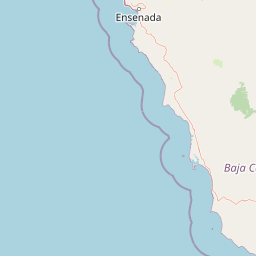
Map view of Sierra de San Pedro Mártir National Park

Use this park location map to pinpoint Sierra de San Pedro Mártir National Park in Mexico, understand its exact geographic position, and read its mapped placement within the surrounding landscape more clearly.

Pigeon | © OpenStreetMap contributors

Location context for Sierra de San Pedro Mártir National Park

Baja California

Explore the visual character of Baja California's unique pine forest ecosystem, rugged granite peaks, and critical conservation landscapes.

Sierra de San Pedro Mártir National Park: Gallery of Mountain Landscapes, Scenery, and Protected Habitats
The image gallery provides a visual reference for understanding Sierra de San Pedro Mártir National Park's diverse terrain and unique ecosystems. Browse photographs showcasing the dramatic elevation changes, from desert shrub to high-altitude pine forests, and observe the granite rock formations that characterize this crucial protected area in Baja California.

Mountainous landscape with rocky peaks, pine trees, and a clear blue sky featuring scattered clouds.

Granite rock formations and coniferous trees on a mountain slope under a clear sky

Mountain range view with rocky peaks, forests, and clear sky

Mountain landscape with pine trees and rocky slopes in foreground, extending to a valley and distant mountain ranges under clear blue sky

Panoramic landscape of mountainous terrain with dense pine forests under a partly cloudy sky

Mule deer standing amidst low-lying shrubs with trees in the background

Mountain landscape with pine trees, shrubs, and rocky terrain in Sierra de San Pedro Mártir National Park

Park atlas

Compare the broader protected area geography and diverse landscapes across the Baja California peninsula.

Discover Related National Parks and Protected Areas Near Sierra de San Pedro Mártir National Park
Explore other national parks and protected areas located near Sierra de San Pedro Mártir National Park, broadening your understanding of Baja California's unique natural geography. These adjacent protected landscapes offer valuable comparative context, highlighting diverse montane forests, high-desert ecosystems, and regional conservation priorities.
National parkEnsenada Municipality

Constitution 1857 National Park National Park: Mapped Protected Landscape Discovery

Geographic context and park boundaries for Ensenada Municipality.

Delve into the protected landscape of Constitution 1857 National Park, a key national park entity located in the Ensenada Municipality. This resource highlights the park's distinct geographic features and mapped protected area, crucial for atlas exploration and understanding the regional natural terrain. Gain structured insight into the park's identity and its role within the wider geographic context.

Area
50.09 km²
Established
1962
IUCN
II
Relief
Mountain
National parkBaja California

San Lorenzo Marine Archipelago National Park: Protected Area and Mapped Landscape Geography

Explore its national park status and regional context in Baja California.

Delve into San Lorenzo Marine Archipelago National Park, a key protected area contributing to Baja California's diverse geography. As a national park, its mapped boundaries and unique landscape characteristics provide essential data for atlas exploration and understanding regional conservation efforts. This entry focuses on the park's identity as a mapped protected entity, ideal for researchers and explorers seeking structured geographic insights into natural reserves.

Area
504.42 km²
Established
2005
IUCN
II
Relief
Upland
National parkCalifornia

Joshua Tree National Park: Mapped Protected Landscape and Regional Geography in California

Explore unique park boundaries and natural terrain across Southern California.

Joshua Tree National Park is a vital protected area in California, known for its distinctive natural landscape and geographic setting. This entry provides detailed information on the park's mapped boundaries and the unique terrain it encompasses, serving as a key point for atlas exploration of protected lands. Understand the regional geography and the specific character of this significant national park.

Area
3,217.9 km²
Established
1994
IUCN
II
Visitors
3.1M annual
National parkPima County

Saguaro National Park: Discover Its Protected Landscape Geography and Mapped Boundaries

Explore the natural terrain and regional context of this national park.

Saguaro National Park offers a focused exploration of a specific protected landscape, highlighting its unique geographic features and mapped boundaries within Pima County. This detail page provides an atlas perspective, allowing for a deep dive into the park's natural terrain and its regional significance. Understand the protected area's identity and its place within the wider geographical context.

Area
371.16 km²
Established
1994
IUCN
II
Visitors
946.4K annual
National parkCalifornia

Channel Islands National Park: A Protected Landscape within California's Geography

Explore its unique mapped terrain and protected area context.

Channel Islands National Park stands as a key protected area, providing critical insight into California's unique geographic features and natural landscapes. This entry focuses on the park's identity as a protected entity, detailing its mapped boundaries and the surrounding regional geography. It offers an atlas-level view, essential for understanding the park's contribution to the broader landscape context of the United States and its conservation importance.

Area
1,009.94 km²
Established
1980
IUCN
II
Visitors
323.2K annual
National parkCalifornia

Death Valley National Park: Exploring California's Mapped Protected Landscape

View the geographic boundaries and desert terrain.

Access a detailed atlas perspective of Death Valley National Park, a protected national park situated in California. Understand the park's distinct mapped boundaries and its role within the regional geography. This resource highlights the unique desert landscape, offering focused insights into its protected-area identity and natural terrain for geographic discovery.

Area
13,848.4 km²
Established
1994
IUCN
II
Visitors
1.1M annual
National parkArizona

Grand Canyon National Park: Arizona National Park Protected Landscape & Geography

Explore mapped boundaries and regional atlas context.

Grand Canyon National Park stands as a premier national park, showcasing a unique protected landscape within Arizona's diverse geography. This detailed entry focuses on the park's specific geographic identity, its mapped boundaries, and its significance within the regional atlas. Discover the contours of this protected area and its place in the natural terrain of the American Southwest.

Area
4,926.08 km²
Established
1919
IUCN
II
Visitors
4.9M annual
National parkCalifornia

Sequoia National Park National Park: Geographic Identity and Protected Landscape Atlas

Explore mapped boundaries and the terrain of this California protected area.

Gain a structured understanding of Sequoia National Park as a protected landscape, focusing on its mapped geographic boundaries and its context within California. This entry provides foundational data for exploring the park's natural terrain and its role in a broader atlas of conservation lands, ideal for users seeking detailed geographic information.

Area
1,635.19 km²
Established
1890
IUCN
II
Visitors
1.2M annual

Common questions about visiting, size, designation, and location context for Sierra de San Pedro Mártir National Park

Sierra de San Pedro Mártir National Park FAQs for park facts, access, geography, and protected area context
Find quick answers about Sierra de San Pedro Mártir National Park, including protected-area facts, park geography, trail and visitor context, and how the park fits into its surrounding country and regional landscape.
MoriAtlas Explorer

Continue Your Protected Areas Search Across the Global Atlas

Deepen your exploration by continuing the structured search for national parks and protected areas worldwide. Utilize the comprehensive filtering capabilities to compare different conservation landscapes and refine your understanding of global park geography. Discover more about the distribution and characteristics of protected natural areas.

Global natural geography