
Mori Atlas logo
Nature reserveRezerwat przyrody Dębno

Understanding the mapped boundaries and unique forest composition of this protected lowland woodland

Rezerwat przyrody Dębno: A Detailed Geographic Overview of this Greater Poland Nature Reserve

Rezerwat przyrody Dębno stands as a significant protected landscape within the Greater Poland Voivodeship, providing a critical refuge for ancient oak specimens and the great capricorn beetle. Situated within the Las Łaszczyński forest near the Dolina Świętojańska, this nature reserve showcases a complex mix of moist conifer forest and wetland communities. The site serves as a prime example of active forest renaturation and lowland biodiversity management in west-central Poland.

forest reservemixed woodlandold oaksgreat capricorn beetleMagnocaricetumrenaturation
A stylized, flat-design illustration of a mountain valley, featuring towering cliffs on both sides, a winding river in the center, a distant waterfall, and foreground foliage including trees and ferns.

Rezerwat przyrody Dębno

Nature reserve

Park overview

Structured park overview, official facts, and landscape profile for Dębno Nature Reserve

Dębno Nature Reserve park facts, protected area profile, and essential visitor context

Review the core facts for Dębno Nature Reserve, including designation, size, terrain, visitor scale, habitats, and operating context in one park-focused overview.

About Dębno Nature Reserve

Dębno Nature Reserve is a compact forest reserve in the historical region of Wielkopolska, western Poland, situated in the administrative area of Gmina Rawicz. Although it occupies only about 8 hectares, it represents an unusually layered example of lowland forest protection in the region, combining ancient tree specimens, habitat for a protected beetle species, and active ecological restoration work.

The reserve lies within the Dolina Świętojańska, a valley landscape set in the broader Kotlina Żmigrodzka mesoregion. It is part of the Las Łaszczyński forest complex and sits in close proximity to the modern S5 expressway, illustrating how a small protected woodland fragment can survive amid infrastructure development in intensively used lowland Poland.

Originally established in 1961, the reserve was created to preserve a fragment of moist mixed coniferous forest with Magnocaricetum communities for scientific and educational study. Over time, its conservation focus has shifted toward protecting the broader mixed forest ecosystem together with its veteran oaks and its population of the great capricorn beetle, Cerambyx cerdo, which depends on old oak trees for its larval development.

The site's tree stands include pines estimated at up to 170 years of age and oaks estimated at up to roughly 220 years. The reserve is also designed to support the renaturation of the local woodland, with management favoring native species associated with acid oak woodland while reducing the presence of non-native spruce and larch that do not belong ecologically to the site.

Quick facts and research context for Dębno Nature Reserve

Dębno is a forest nature reserve located in Gmina Rawicz, Rawicz County, in the Wielkopolska Voivodeship of west-central Poland. It sits in the Kotlina Żmigrodzka mesoregion, on the floor of the Dolina Świętojańska within the Las Łaszczyński forest complex.

The reserve covers about 8.03 hectares and was formally established in 1961 by order of the Minister of Forestry and the Wood Industry. Its current protected status is defined by a 2010 order of the Regional Director of Environmental Protection in Poznań, later amended in 2017.

The protected forest is dominated by pines up to around 170 years old and exceptionally large oaks reaching roughly 220 years, making it a small but ecologically distinctive fragment of the regional lowland woodland landscape.

Protection and recognition

Documented terrestrial protection scope and management designations

Rezerwat przyrody Dębno Protection Status and Conservation Recognition

Rezerwat przyrody Dębno maintains a documented terrestrial protection scope within the regional conservation network. Structured conservation records outline the official status and management framework governing the protected area.

Protection details

Protection scope
Terrestrial
Park context

Deeper park guide and search-rich context for Dębno Nature Reserve

Dębno Nature Reserve history, landscape, wildlife, and travel context

Explore Dębno Nature Reserve through its history, landscape character, ecosystems, wildlife, conservation priorities, cultural context, and seasonal travel timing in a structured park guide built for atlas discovery and search intent.

Why Dębno Nature Reserve stands out

Dębno is best known for its old oak trees, some of which reach about 220 years in age, which give the reserve both its identity and its name. The reserve protects these monumental oaks alongside a population of the great capricorn beetle, Cerambyx cerdo, a saproxylic species closely tied to mature oak stands. It is also recognized for its moist mixed conifer forest character and the presence of a Magnocaricetum sedge community, a combination that makes the site ecologically unusual in the regional lowland forest context. Active renaturation aimed at restoring native oak-dominated woodland further distinguishes the reserve within Poland's network of small forest protected areas.
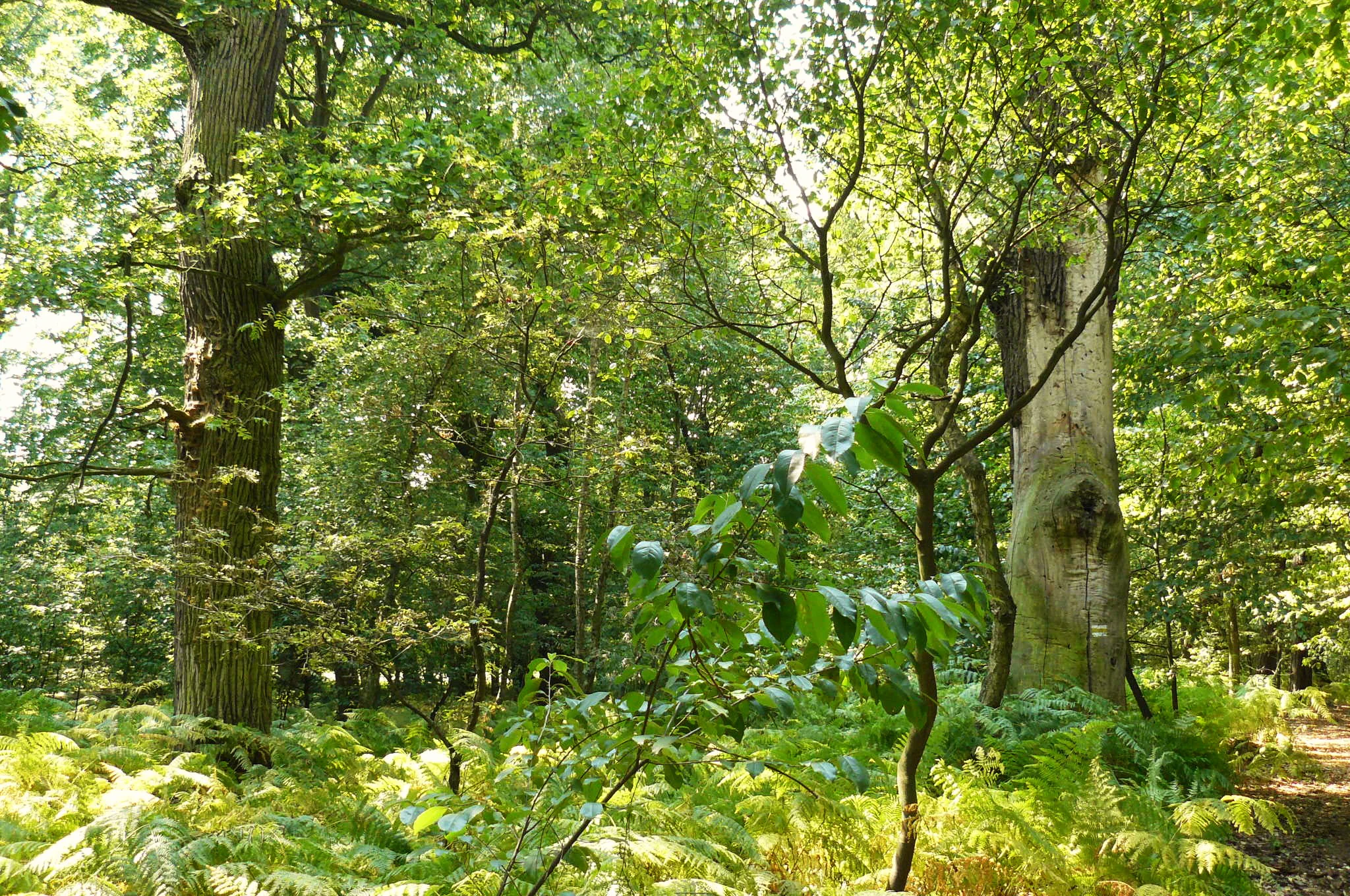
Interior view of a sunlit forest with large oak trees and an undergrowth of green ferns.
Lush forest understory in the Dębno Nature Reserve, characterized by ancient oaks and dense ferns.

Dębno Nature Reserve history and protected-area timeline

Dębno Nature Reserve was formally established in 1961 through an order of the Minister of Forestry and the Wood Industry, with the founding act published in the official Polish legal gazette, Monitor Polski, in 1961. Its original purpose was to protect, for scientific and educational reasons, a fragment of moist mixed conifer forest containing a Magnocaricetum community in the Rawicz area.

The founding legal instrument defined the reserve at a slightly smaller declared area than the figure used today; current sources indicate the reserve covers about 8.03 hectares, while the 1961 establishment act gave 7.69 hectares. Over the following decades, the protection rationale gradually broadened from a focus on forest type and sedge community to a more comprehensive ecosystem approach, explicitly including the site's monumental oak trees and its population of Cerambyx cerdo.

In 2001, the reserve was included in an official list of nature reserves created before the end of 1998, through an announcement by the Wojewoda of Wielkopolska. In 2010, the Regional Director of Environmental Protection in Poznań issued a new management order redefining the reserve, and this legal framework was subsequently amended in 2017. Together these steps reflect the shift from a strictly forest-type protection model to a more modern ecosystem and species-oriented approach.

Dębno Nature Reserve landscape and geographic character

The reserve occupies a lowland setting in the Kotlina Żmigrodzka mesoregion, a basin-shaped area in west-central Poland. The protected fragment lies within the Dolina Świętojańska, a valley landscape element of the broader regional terrain, and is embedded in the larger Las Łaszczyński forest.

Despite its small extent, the site displays clear microhabitat variation through the coexistence of a moist mixed conifer forest community and a Magnocaricetum sedge marsh community. This combination of drier forested hummocks and wet sedge-influenced patches gives the reserve a layered, varied surface character within a very compact footprint.

The proximity of the S5 expressway further shapes the landscape context of the reserve today, placing the woodland fragment within a corridor where agricultural land, transport infrastructure, and protected forest meet in the Greater Poland lowlands.

Dębno Nature Reserve ecosystems, habitats, and plant life

Ecologically, Dębno represents a moist mixed conifer forest with a characteristic Magnocaricetum component, blending typical woodland groundcover with elements of wet sedge vegetation. The reserve is therefore significant not only for its trees but also for its herb and shrub layer, which includes bilberry, two-leaved lily of the valley, marsh meadowsweet, tufted sedge, wood club-rush, yellow iris, and Swedish whitebeam.

The occurrence of Swedish whitebeam is of particular biogeographic interest, as the reserve lies near the southern edge of the species' natural range. The presence of acid-loving oak woodland indicators, together with moisture-tolerant sedges and marsh plants, gives the site an unusually complete ecological gradient for such a small area.

The reserve is also designed around the idea of active renaturation. Management favors native tree species associated with acid oak woodland, while non-native or ecologically mismatched species such as spruce and larch are being progressively reduced. This approach aims to gradually shift the stand composition toward a more natural regional forest type.

Dębno Nature Reserve wildlife and species highlights

The reserve's most distinctive wildlife value is its population of the great capricorn beetle, Cerambyx cerdo, one of the most important saproxylic insects tied to veteran oaks in European lowland forests. The beetle's presence is directly linked to the old oak specimens the reserve protects, and it has become a central justification for the site's current conservation status.

While the documented fauna focus is narrow, the structural diversity of the forest, with a mosaic of dry oak-influenced patches and wet sedge communities, supports a wider range of invertebrates, small woodland vertebrates, and ground-level fauna typical of old-growth lowland forest in western Poland. The reserve thus functions as a small but ecologically rich refugium for species associated with mature deciduous trees.

By preserving both the habitat structure and the host trees required by Cerambyx cerdo, the reserve plays a clearly defined role in maintaining populations of a species of strong conservation interest within the Polish lowland forest network.

Dębno Nature Reserve conservation status and protection priorities

Dębno is a clear example of how a small Polish forest reserve can carry outsized conservation significance by bundling habitat, ancient trees, and a protected species within a single protected area. The reserve's revised conservation objective is to maintain a mixed forest ecosystem with monumental oak specimens and to safeguard the local population of Cerambyx cerdo.

Its conservation logic extends beyond passive protection. The reserve is used as a renaturation site, where native woodland species are favored and ecologically foreign species such as spruce and larch are gradually removed. This makes it a working example of restoring more natural forest composition in a region long influenced by forestry planting of non-native conifers.

The site has also been legally reinforced over time, with a new management order issued by the Regional Director of Environmental Protection in Poznaniu in 2010 and amended in 2017, reflecting ongoing adaptation of the reserve's protection regime to modern ecological priorities.

Dębno Nature Reserve cultural meaning and human context

Dębno sits in one of the historically forested belts of Greater Poland, a region where woodland management, agriculture, and human settlement have shaped the landscape for centuries. The reserve's location within the named Las Łaszczyński forest and the Dolina Świętojańska reflects this long-standing relationship between local communities and the surrounding forests.

While the reserve does not focus on cultural heritage sites, its place-based identity is local: it takes its name from the nearby settlement of Dębno and is closely associated with Rawicz and the wider Wielkopolska regional identity. Its ecological renaturation efforts also connect to broader Polish debates about restoring native forest types in landscapes historically shaped by conifer planting.

Top sights and standout views in Dębno Nature Reserve

Dębno's strongest distinguishing features are its ancient oaks, some estimated at up to 220 years old, and the presence of Cerambyx cerdo, a beetle of major European conservation interest. Together with its moist mixed forest and Magnocaricetum communities, these features give the reserve a clear biodiversity profile well beyond what its small size might suggest.

The reserve also stands out for its renaturation focus, actively shifting the woodland composition toward natural acid oak forest by reducing non-native spruce and larch. Its location near the modern S5 expressway within the Kotlina Żmigrodzka adds an extra layer of interest, showing how a small protected woodland continues to function in a heavily used lowland landscape.

Best time to visit Dębno Nature Reserve

Dębno is a small lowland forest reserve, and its character changes with the seasons in ways typical of central European mixed woodland. Spring and early summer are the most rewarding periods for visitors interested in the herb layer and sedge communities, when marsh meadowsweet, yellow iris, and other wetland plants are most visible, while autumn highlights the old oaks and the structural character of the mixed forest.

Because the reserve is a protected site rather than a developed visitor destination, visits are best treated as quiet woodland walks rather than active tourism outings. Seasonal weather conditions in Greater Poland are generally mild in summer and cooler in winter, with the reserve's fairly humid forest character remaining accessible throughout much of the year.
Monthly climate preview

Long-term representative point measurements tracking monthly averages across the protected area.

Rezerwat przyrody Dębno Climate Normals and Annual Temperature Rhythm

Representative coordinates record measured monthly temperature and precipitation normals, capturing long-term environmental trends across the protected landscape. Examining the full twelve-month profile provides complete historical averages for detailed geographic comparison.
Annual mean9 °C
-2 °C21 °C
Jan-2°
Feb
Mar
Apr
May14°
Jun18°
Jul21°
Aug20°
Sep15°
Oct
Nov
Dec-1°
Warmest month
July

20.6 °C

Coolest month
January

-1.9 °C

Wettest month
July

2.6 mm/day

Driest month
April

1.1 mm/day

Park location guide

Geography guide, regional context, and park location map for Dębno Nature Reserve

Dębno Nature Reserve park geography, regions, and map view in Poland

Understand where Dębno Nature Reserve sits in Poland through a broader geographic reading of the surrounding landscape, nearby location context, and its mapped position within the national park landscape.

How Dębno Nature Reserve fits into Poland

Poland, officially the Republic of Poland, is a Central European country spanning from the Baltic Sea in the north to the Carpathian Mountains in the south. It borders Germany, Czech Republic, Slovakia, Ukraine, Belarus, Lithuania, and Kaliningrad Oblast. The country has a temperate climate, diverse landscapes, and is known for its rich history, cultural heritage, and strong economic position within the EU.

Wider geography shaping Dębno Nature Reserve in Poland

Poland occupies 312,696 km2 in Central Europe, extending from the Baltic Sea coast in the north to the Sudetes and Carpathian Mountains in the south. It borders Germany to the west, Czech Republic and Slovakia to the south, Ukraine and Belarus to the east, and Lithuania and Kaliningrad Oblast to the northeast. The landscape includes lowland plains, uplands, and mountain ranges.

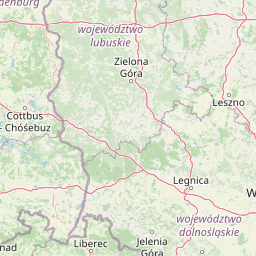
Map view of Dębno Nature Reserve

Use this park location map to pinpoint Dębno Nature Reserve in Poland, understand its exact geographic position, and read its mapped placement within the surrounding landscape more clearly.

Pigeon | © OpenStreetMap contributors

Location context for Dębno Nature Reserve

Greater Poland Voivodeship

Visual reference for ancient oak stands, moist mixed forest, and lowland valley terrain

Rezerwat przyrody Dębno Photos and Landscape Scenery

Visual documentation captures the old-growth characteristics, ancient oak specimens, and complex wetland microhabitats defining Rezerwat przyrody Dębno. Examining protected-area photography reveals the layered terrain and woodland structure unique to this lowland sanctuary in Greater Poland.

Interior view of a sunlit forest with large oak trees and an undergrowth of green ferns.

Park atlas

Compare regional protected areas and connected forest landscapes in Greater Poland

Explore Parks Near Rezerwat przyrody Dębno and Surrounding Lowland Reserves

Browse other protected areas and lowland forest reserves located near Rezerwat przyrody Dębno in west-central Poland. Comparing adjacent woodland habitats provides deeper geographic context for regional conservation corridors and lowland ecosystems.
Watercolor painting depicting a gentle river winding through green meadows and groves of trees with a soft, hazy background.
Protected areaLower Silesian Voivodeship
About 23 km away#1 closest

Southwest

Łęgi Odrzańskie: Protected Riverine Corridor in Lower Silesian Voivodeship

A 101-kilometer valley mosaic of forest and wetland habitats.

Traversing the Pradolina Wrocławska and beyond, Łęgi Odrzańskie serves as a critical protected landscape preserving remnant floodplain forests and oxbow lakes. The area functions as a premier riverine sanctuary in Central Europe, documented through its unique combination of alder swamps, peatlands, and diverse avian populations maintained along the middle Oder.

Area
21,350.5 km²
Established
2007
Relief
Lowland
Scope
Mixed
Nature reserveGreater Poland Voivodeship
About 35 km away#2 closest

North

Rezerwat przyrody Dolinka: Protected Nature Reserve and Botanical Site in Greater Poland

A focused study of wet meadow conservation in western Poland

Rezerwat przyrody Dolinka is a key protected area in Greater Poland, dedicated to maintaining delicate molinia meadow habitats and native globeflower populations. This site highlights the importance of small-scale nature reserves in preserving botanical diversity within the post-glacial landscapes of the Krzywińskie Lakeland, offering a clear look at local environmental protection in action.

Area
0.018 km²
Established
1974
Relief
Lowland
Climate
Temperate
Nature reservePoland
About 38 km away#3 closest

South

Rezerwat przyrody Jodłowice: Nature Reserve Geography and Protected Forest Boundaries in Poland

Glacial valley forest landscapes and rare silver fir conservation

Located in the Lower Silesian Voivodeship, Rezerwat przyrody Jodłowice represents a vital pocket of protected woodland within the Pradolina Wrocławska. This reserve is recognized for maintaining rare forest communities and significant geological remnants, including a massive glacial erratic boulder. It stands as a prime example of localized conservation efforts focused on protecting fragile forest ecosystems and specialized wildlife habitats within the broader Polish landscape.

Area
0.094 km²
Established
1958
Relief
Lowland
Climate
Temperate
A watercolor painting showing a soft landscape with trees, rolling hills, and a winding stream, rendered in light pastels.
Nature reserveGreater Poland Voivodeship
About 39 km away#4 closest

East

Rezerwat przyrody Mszar Bogdaniec: Geography and Protected Peatland Landscape Analysis

Explore wetland terrain within the Greater Poland Voivodeship.

Rezerwat przyrody Mszar Bogdaniec stands as a vital protected area in Greater Poland, featuring an elongated depression that supports transitional and raised bog elements. Enclosed by inland dunes, the reserve offers a compact study of Sphagnum-dominated micro-landscapes and wetland biodiversity that remains rare within the surrounding agricultural lowlands.

Area
0.22 km²
Established
1995
Scope
Terrestrial
Water
Major water bodies
Watercolor painting of a calm pond with green trees on the banks, reeds in the foreground, and distant rolling hills.
Nature reservePoland
About 42 km away#5 closest

North

Rezerwat przyrody Miranowo: Protected Peatland Ecosystem and Botanical Nature Reserve

A preserved wetland landscape in the Polish lake country

Located near the shores of Lake Dolskie Wielkie, Rezerwat przyrody Miranowo represents a significant protected area focused on the conservation of rare calcareous peatland habitats. The reserve sustains a dense collection of over 230 vascular plant species, offering a unique opportunity to study relict vegetation in a managed wetland environment within Poland.

Area
0.099 km²
Established
1972
Relief
Lowland
Climate
Temperate
Protected areaGreater Poland Voivodeship
About 43 km away#6 closest

North

Wonieść Lake Protected Area: Geography, Wetland Habitats, and Regional Landscape Context

Postglacial water management and bird refuge in Greater Poland

Examine the geographic character of Wonieść Lake, a segmented retention reservoir reflecting the classic postglacial lowlands of western Poland. This protected area provides a significant wetland habitat within the Krzywińskie Lake District, blending historic hydraulic infrastructure with rich bird populations and forest-fringed shorelines that span across the rural Wielkopolska countryside.

Area
7.77 km²
Established
1974
Relief
Lowland
Climate
Temperate
A watercolor painting showing a soft, bright, and airy landscape with a lush forest, grassy meadow, and a winding river against a light, pale sky.
Nature reserveGreater Poland Voivodeship
About 46 km away#7 closest

East

Miejski Bór Nature Reserve: Mapped Protected Landscapes in the Greater Poland Voivodeship

A detailed look at lowland forest geography and botanical conservation boundaries

Miejski Bór Nature Reserve represents an essential fragment of the Wysoczyzna Kaliska, protecting a distinctive pine and broadleaf woodland mosaic. This site is valued for its protected understory plant populations and ancient burial mounds, grounding its ecological importance within the regional forest matrix of the Greater Poland Voivodeship.

Area
0.244 km²
Established
1987
Relief
Lowland
Scope
Terrestrial
A soft, painterly watercolor illustration showing a landscape with distant rolling hills, a green meadow, and a winding path in the foreground against a white background.
Nature reserveGreater Poland Voivodeship
About 49 km away#8 closest

East

Dąbrowa Smoszew Nature Reserve: Mapped Geography and Protected Forest Landscapes

A key ecological node in the Greater Poland Voivodeship landscape

Dąbrowa Smoszew protects a compact fragment of mature oak forest, providing a natural refuge with 120 to 150 year old tree stands. Positioned within the Wysoczyzna Kaliska, the area maintains a complex mosaic of woodland flora and forest communities that function as a critical part of the regional conservation network, bridging local habitat history with contemporary Natura 2000 protected status.

Area
0.139 km²
Established
1963
Relief
Lowland
Scope
Terrestrial

Common questions about visiting, size, designation, and location context for Dębno Nature Reserve

Dębno Nature Reserve FAQs for park facts, access, geography, and protected area context

Find quick answers about Dębno Nature Reserve, including protected-area facts, park geography, trail and visitor context, and how the park fits into its surrounding country and regional landscape.
MoriAtlas Explorer

Continue Your Protected Areas Search Across the Global Atlas

Deepen your exploration by continuing the structured search for national parks and protected areas worldwide. Utilize the comprehensive filtering capabilities to compare different conservation landscapes and refine your understanding of global park geography. Discover more about the distribution and characteristics of protected natural areas.

Global natural geography