Why Dęby Krajeńskie Nature Reserve stands out
The reserve is best known for preserving a classic Polish grąd, a mixed oak and beech forest type, with trees old enough to give the woodland a cathedral-like atmosphere. It is also recognized for its spring flora, particularly the seasonal displays of yellow wood anemone, wood anemone, lungwort, and coralroot bittercress that emerge before the broadleaf canopy fully closes. The reserve's isolation from roads and villages makes its undisturbed forest interior a quiet stronghold for forest birds, including birds of prey.
Dęby Krajeńskie Nature Reserve history and protected-area timeline
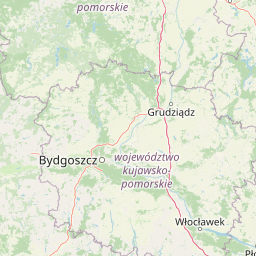
The Dęby Krajeńskie Nature Reserve was created in 2001 through a formal order (Regulation No. 249/00, dated 7 December 2000) issued by the Wojewoda, or provincial governor, of the Kuyavian-Pomeranian Voivodeship. Its establishment reflected growing attention to preserving representative fragments of Poland's native deciduous forests, especially in the post-glacial landscape of the Krajeńskie Lake District.
The reserve was carved out of a larger forest area that had long been managed by the Lutówko Forest District, with the specific goal of protecting the oldest and most ecologically valuable stands of oak and beech within the complex. By placing the area under a combination of strict and active conservation regimes, the regional authorities sought to balance the protection of natural processes with responsible forestry practice in the surrounding forest blocks.
Over time, the reserve has come to be understood as part of a wider network of small forest reserves tied together by the Krajenski Landscape Park and the long-distance Krajenski Reserves hiking trail, strengthening both its ecological role and its visibility for low-impact nature tourism.
Dęby Krajeńskie Nature Reserve landscape and geographic character
The reserve lies in the gently rolling terrain of the Krajeńskie Lake District, a mesoregion shaped by the last glaciation that left behind a characteristic pattern of moraine hills, small lake basins, and sandy outwash plains. Within this broader setting, the reserve occupies a relatively flat to slightly undulating portion of forest land, without large cliffs, exposed bedrock, or dramatic topography. Instead, its landscape character is defined almost entirely by the woodland itself.
The forest interior is dominated by old oaks and beeches whose tall trunks and broad crowns create a canopy that filters light through the growing season. Because the understory is sparse and the herb layer is light-dependent, the ground beneath the trees often appears open and dim. In early spring, before the leaves of the canopy open, the forest floor briefly comes alive with flowering herbs, transforming the visual mood of the woodland for several weeks each year.
Surrounding the strict-protection core, the broader forest complex of the Lutówko Forest District and the Krajeński Landscape Park extends the wooded character of the area, while small openings, forest roads, and the nearby local road between Czyżkówko and Lutówko mark the edge of the reserve's more secluded interior scenery.
Dęby Krajeńskie Nature Reserve ecosystems, habitats, and plant life
Ecologically, the reserve is built around a grąd forest community, one of the most characteristic types of deciduous lowland woodland in Central Europe, mixing pedunculate oak with beech and a modest share of other broadleaf species. Because the forest is mature, natural regeneration under the dense canopy is uneven, and the shrub layer remains thin, giving the woodland a distinctive open, high-ceilinged feel below the trees.
The herb layer reflects this seasonal rhythm of light. Through most of the year it is sparse and visually subdued, but in early spring it erupts into flower with characteristic woodland species such as yellow wood anemone, wood anemone, lungwort species, coralroot bittercress, and sweet woodruff. This brief but intense spring bloom is one of the defining ecological events of the reserve, drawing the attention of botanists and naturalists who visit the wider Krajeńskie reserves.
The forest also plays an important role in the regional connectivity of woodland habitats. By preserving a block of old-growth-influenced deciduous forest, the reserve provides continuity with other forested areas in the landscape park, helping maintain conditions for shade-tolerant plants, forest-floor invertebrates, fungi, and the broader nutrient cycles of an undisturbed deciduous woodland.
Dęby Krajeńskie Nature Reserve wildlife and species highlights
The reserve's dense canopy and the quiet, shaded structure of the old oak-beech forest create conditions favored by many woodland birds. Several species associated with mature deciduous forest find refuge here, and the isolation of the reserve from major roads and human settlements makes it particularly attractive to raptors and other disturbance-sensitive species. The Krajenski reserves network as a whole is well known regionally for birdwatching, and Dęby Krajeńskie contributes to this reputation as a low-disturbance core.
Beyond birds, the reserve supports typical fauna of mature Central European lowland forests. The combination of old trees, standing and fallen deadwood, leaf litter, and a relatively stable microclimate creates habitat for woodland mammals, forest-specialist invertebrates, and a community of fungi associated with old broadleaf trees. While the reserve is small, its ecological depth means that its wildlife interest extends beyond simple species lists to the functioning of an intact forest community.
Because the reserve is held primarily under strict protection, active wildlife observation tends to be a quiet, incidental experience tied to walking the surrounding landscape park trails rather than a structured visitor activity inside the reserve itself.
Dęby Krajeńskie Nature Reserve conservation status and protection priorities
Conservation at Dęby Krajeńskie centers on maintaining the ecological integrity of an old oak-beech grąd forest, one of Poland's characteristic and increasingly valued deciduous woodland types. The reserve is divided into a strict-protection zone covering the majority of its area, where natural processes are allowed to dominate, and a smaller active-protection zone where conservation management can intervene to support specific ecological goals.
Within the broader framework of the Krajeński Landscape Park and the Lutówko Forest District's forest management, the reserve serves as a reference area for what a well-developed grąd should look like. It illustrates how age structure, species composition, and light regime together shape the distinct character of mature deciduous woodland, and it provides a baseline against which surrounding managed forest can be evaluated.
The reserve's designation also reflects a regional commitment to maintaining connectivity between forest patches, lakes, and other protected natural features in the Krajeńskie Lake District. In this way, Dęby Krajeńskie is not only a small protected site in its own right but a key ecological anchor within a wider landscape-scale conservation strategy.
Dęby Krajeńskie Nature Reserve cultural meaning and human context
Culturally, the reserve is part of the broader landscape of the Krajenski region, a historically rural area of small towns, villages, and agricultural land interspersed with forests and lakes. The reserve and its surrounding landscape park sit within a gmina and county whose names carry the regional identity of Krajenskie, and many of the nearby villages, such as Lutówko and Czyżkówko, reflect the long-standing patterns of settlement in this part of northern Poland.
Traditional land use in the wider region has long combined farming with forestry, and the presence of a managed forest complex under the Lutówko Forest District reflects that continuity. The reserve itself, while strictly protected ecologically, exists within this broader cultural landscape where forests have served both as economic resources and as places of local identity, recreation, and nature observation.
The hiking trail that passes near the reserve, part of the Krajenski Reserves Trail, also carries cultural significance: it links neighboring reserves, villages, and natural landmarks, and reflects a regional tradition of low-impact walking tourism that connects local communities with the protected natural areas of the Krajeńskie Lake District.
Top sights and standout views in Dęby Krajeńskie Nature Reserve
The reserve's standout qualities include its mature grąd forest structure, the seasonal drama of its spring herb layer, and the unusually quiet forest interior created by old oaks and beeches with a thin understory. It is also notable for being one of several strictly protected forests embedded in the Krajeński Landscape Park, making it part of a coherent regional network of lowland woodland conservation.
For visitors, the reserve's highlights are best appreciated through walking the broader landscape park trails, where the surrounding forest, the proximity of the Krajeńskie Lake District scenery, and occasional views of woodland birds combine to create an atmosphere of intact, undisturbed Polish lowland nature.
Best time to visit Dęby Krajeńskie Nature Reserve
Late spring is the most rewarding time to experience the wider landscape around the reserve, when the brief but intense bloom of woodland ground flora transforms the otherwise dim forest floor into a flowering display. Early summer brings full canopy closure and a deeply shaded, cool forest interior, which can feel atmospheric but visually quieter. Autumn adds color through broadleaf foliage and increased fungal activity in the surrounding forests, while winter offers a stark, open view of trunk and branch structure across the deciduous woodland. Because the reserve itself is under strict protection, the seasonal character is best appreciated from the surrounding trails rather than from within the protected core.