Why Diawling National Park stands out
Diawling National Park is best known as a premier birdwatching destination in West Africa, hosting remarkable diversity including northern pintails, northern shovelers, greater and lesser flamingos, Eurasian and African spoonbills, great egrets, great white pelicans, Arabian bustards, and pied avocets. The park's designation as an Important Bird Area by BirdLife International recognizes its significance for wintering waterbird populations. The seasonal transformation of the landscape, where much of the park becomes a vast expanse of interconnected lakes during the rainy season, creates one of the most visually striking wetland ecosystems in the region. The park also represents a critical example of how trans-boundary conservation cooperation functions between Mauritania and Senegal in protecting shared ecological heritage.
Diawling National Park history and protected-area timeline
Diawling National Park was established in 1991 following a formal designation process that involved significant deliberation over the relationship between conservation objectives and traditional livelihoods. The park was officially designated on 23 August 1994, receiving Ramsar Wetland status that recognized its international importance as a wildlife sanctuary. The establishment process encountered substantial opposition from local inhabitants, who drew comparisons to the experience of communities near Djoudj National Bird Sanctuary in Senegal, established in 1971, where protected area status led to restrictions on grazing and fishing that fundamentally altered traditional ways of life. Community concerns centered on the potential loss of access to natural resources that had sustained their tribes for generations, reflecting broader tensions between conservation initiatives and human settlement in sensitive ecosystems. The park's reference number 666 in Ramsar records signifies its place within the global network of wetlands of international importance.
Diawling National Park landscape and geographic character
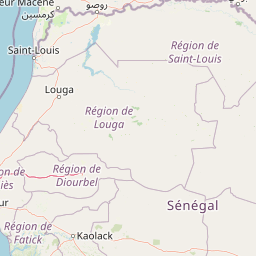
The physical landscape of Diawling National Park consists primarily of a flat floodplain that undergoes dramatic seasonal transformations tied to the rainy season in West Africa. During the rainy season, much of the park transforms into extensive lakes and interconnected wetlands as the Senegal River overflows its banks, creating a vast aquatic environment that stretches across what was historically continuous floodplain. The park sprawls across approximately 16,000 hectares of low-lying terrain that sits at or near sea level, with the Senegal River acting as a natural boundary between the Mauritanian protected area and neighboring Senegal. The delta environment features a complex network of channels, marshes, and seasonal water bodies where fresh river water mixes with tidal saltwater influences from the Atlantic coast. This mixing zone creates distinctive brackish conditions that support specialized plant and animal communities adapted to variable salinity levels.
Diawling National Park ecosystems, habitats, and plant life
The ecological character of Diawling National Park centers on its wetland habitats that support exceptional biodiversity, particularly for avian species. The park contains over 220 identified bird species, making it one of the most bird-rich protected areas in Mauritania and a critical node in the West African flyway for migratory waterbirds. The seasonal flooding cycle creates dynamic habitat conditions that support different species throughout the year, with the park serving as a crucial wintering ground for populations that breed in Europe and North Africa. The mixing of fresh and salt water in the delta creates ecological niches for both freshwater and brackish-water species, while the extensive marsh and lake systems provide feeding and nesting areas for colonial waterbird species. The park's designation as an Important Bird Area by BirdLife International specifically recognizes its significance for significant wintering populations of waterbirds that depend on these seasonal wetland conditions.
Diawling National Park wildlife and species highlights
The birdlife of Diawling National Park represents its most notable wildlife feature, with the park hosting remarkable diversity including northern pintail, northern shoveler, greater flamingo, lesser flamingo, Eurasian spoonbill, African spoonbill, great egret, great white pelican, Arabian bustard, pied avocet, slender-billed gull, Caspian tern, greater hoopoe-lark, and Sudan golden sparrow. Mammal populations have been significantly reduced from historical levels, with the last West African lion shot in 1970 and the last red-fronted gazelle sighting recorded in 1991, both casualties of prolonged drought and excessive hunting pressure. Current mammalian residents include spotted hyenas, African golden wolves, warthogs, African wildcats, Cape hares, and patas monkeys. Several large species that historically inhabited the area, including African manatees, West African crocodiles, and hippopotamuses, have disappeared entirely following dam construction that disrupted their habitat requirements. The park maintains important fish populations despite ecological changes.
Diawling National Park conservation status and protection priorities
Diawling National Park holds significant conservation importance as a Ramsar Wetland site and an Important Bird Area designated by BirdLife International, recognizing its role in protecting critical habitat for migratory waterbirds across the West African region. The trans-border Biosphere Reserve framework connecting the park with Djoudj National Bird Sanctuary in Senegal demonstrates regional cooperation in conserving shared ecological heritage. However, the park faces substantial conservation challenges including altered hydrology from dam construction, invasive species proliferation, disease pressures from standing water, and projected climate change impacts including sea-level rise and coastal erosion. The 2022 IPCC Sixth Assessment Report identified Diawling among African natural heritage sites potentially threatened by flooding by the end of the 21st century under high-emission scenarios. Conservation efforts must balance the park's ecological significance with the livelihood needs of local communities who depend on the wetland environment.
Diawling National Park cultural meaning and human context
The establishment of Diawling National Park occurred within a context of tension between conservation objectives and traditional pastoral and fishing livelihoods that had defined local communities for generations. The local inhabitants who opposed the park's creation drew direct parallels to the experience of communities near Djoudj National Bird Sanctuary in Senegal, where the creation of the protected area in 1971 resulted in restrictions that ended traditional grazing and fishing practices. These concerns reflected the broader challenge of establishing protected areas in regions where human communities have long maintained sustainable relationships with natural ecosystems. The delta region has supported tribal communities whose cultural identity and economic survival were intimately connected to the seasonal rhythms of the Senegal River floodplain, making the transition to protected status a significant cultural as well as environmental transition.
Top sights and standout views in Diawling National Park
Diawling National Park offers exceptional birdwatching opportunities with over 220 species including flamingos, pelicans, spoonbills, and diverse waterfowl concentrated in a relatively accessible wetland setting. The seasonal transformation of the landscape, where the floodplain becomes an expansive network of lakes during the rainy season, creates a visually spectacular environment. The park's trans-border location with Senegal and connection to the Djoudj National Bird Sanctuary creates one of West Africa's most significant protected wetland complexes. Despite significant ecological changes from dam development, the park retains its importance as a Ramsar Wetland and Important Bird Area, representing ongoing conservation commitment in a challenging environmental context.
Best time to visit Diawling National Park
The optimal time to visit Diawling National Park coincides with the dry season when waterbird concentrations reach their peak and the landscape offers optimal access and visibility. The rainy season transforms much of the park into extensive flooded areas, which while creating spectacular scenery, can make certain areas difficult to access and may increase disease risks including malaria and bilharzia in the standing water environments. The winter months from November through February typically offer the most favorable conditions for wildlife viewing, particularly for observing the migratory waterbird species that use the park as a key wintering ground. Visitors should be aware that the region presents significant health considerations related to tropical wetland environments.