Why Engbertsdijksvenen stands out
Engbertsdijksvenen is best known for containing the largest concentration of living raised bog, or 'levend hoogveen', on the Dutch mainland. It is also recognized for its combination of bog, heath, peat lakes and small woodlands, all packed into a relatively compact area near the German border. The site's peatland character is its defining quality. Restoration work in the late twentieth and early twenty-first centuries, including dams and small embankments to stabilize the water table, has been aimed at reviving active bog growth. This combination of ecological value, conservation effort and a varied peatland landscape has made Engbertsdijksvenen one of the key nodes in the Dutch Natura 2000 network.
Engbertsdijksvenen history and protected-area timeline
Human influence on Engbertsdijksvenen was modest for centuries. Until the nineteenth century, the area saw mainly sheep grazing, small-scale buckwheat burning as a cultivation technique, and limited peat cutting for local use. The monks of the Sibculo monastery had begun digging peat here as early as the fifteenth century, but their work left the broader landscape largely intact.
Industrial-scale extraction transformed the area between 1850 and 1950 during the so-called colonial peat cutting period. Canals and drainage ditches were dug between 1890 and 1907 to open up the bog for systematic harvesting from Vriezenveenschewijk, the settlement that would later become Westerhaar-Vriezenveensewijk. The construction of the Veenkanaal was especially decisive in reshaping the surrounding landscape. Peat removal left behind large open pools and the distinctive inland water bodies that are still a hallmark of the site today.
In the late twentieth and early twenty-first centuries the focus shifted from extraction to restoration. Dams and embankments were installed to regulate water levels and revive conditions for living raised bog. A narrow-gauge railway once used for peat transport was used for an excursion train between 1999 and 2006, but the final rails were removed in 2008 when a boulder clay dam was constructed to counter dehydration of the bog, highlighting how conservation priorities came to dominate the modern management of the site.
Engbertsdijksvenen landscape and geographic character
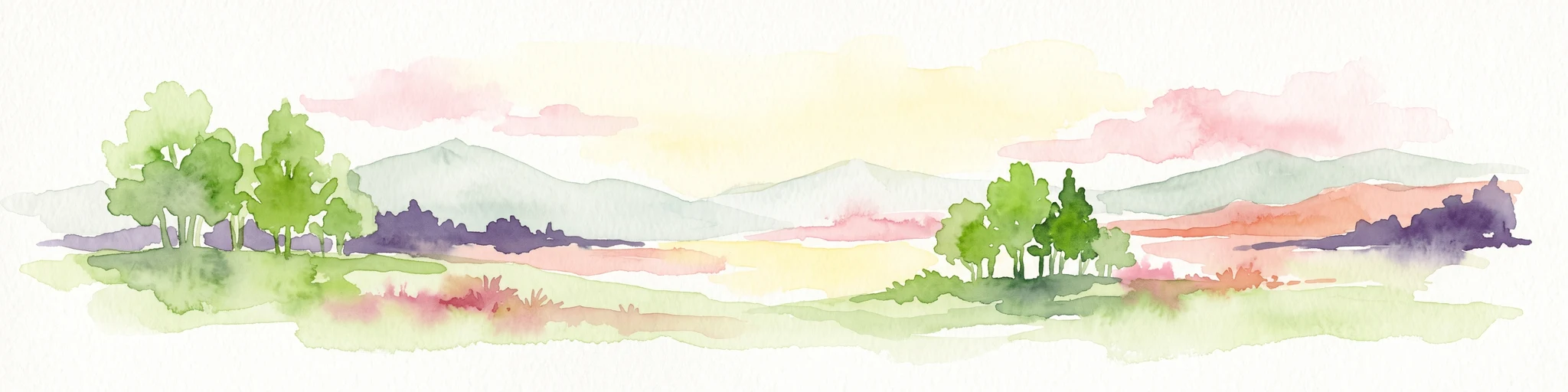
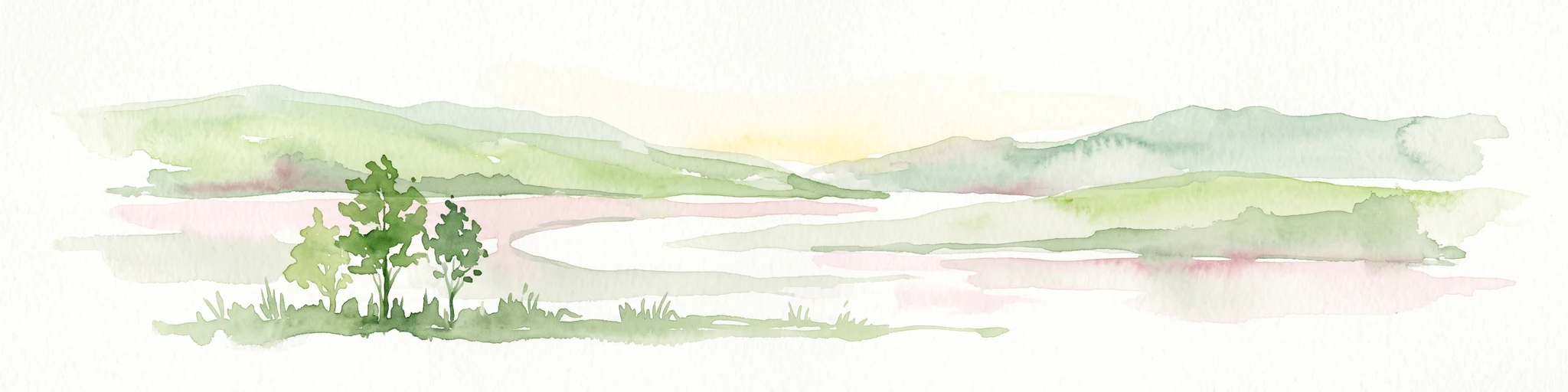
Engbertsdijksvenen presents a layered peatland landscape shaped by both natural development and centuries of peat exploitation. Within a single visit one can move between open peat pools, low bog forest, dry heath on sandy ridges, and gently undulating mixed woodland. The sandier higher areas, locally known as 'haren', carry the highest vegetation and often support forest, a name echoed in surrounding villages such as Kloosterhaar, Westerhaar-Vriezenveensewijk and Bruinehaar.
The relief of the area is more varied than its flat surroundings might suggest. Higher ground rises above flatter bog compartments, and local altitude differences give the area a subtly rolling character. Large open water bodies mark where peat was once removed, and along with smaller 'vennen' (pools) they contribute to the open, reflective quality of much of the reserve. Surrounding agricultural land shows the typical long, narrow parceling of the colonial peatlands, contrasting with the more natural mosaic of the protected area itself.
Engbertsdijksvenen ecosystems, habitats, and plant life
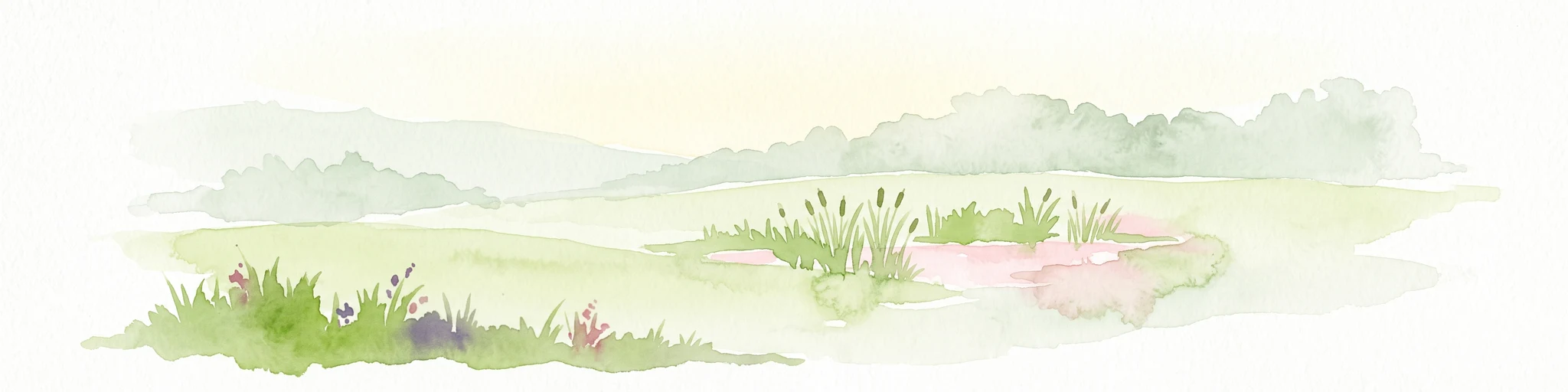
Engbertsdijksvenen is a textbook example of a Dutch high bog mosaic. The reserve centers on raised bog habitat, surrounded by wet and dry heath, bog forest dominated by soft birch, and small areas of poorer mineral soil vegetation. Sphagnum mosses are a key building block of the bog communities and indicate where peat can still actively accumulate.
Plant life in the area includes numerous specialized peatland species. Among the typical bog plants found here are common cottongrass, cranberry, sundews and lavender heather. In the birch-dominated bog forest, the rare snake root is known to occur, and other parts of the reserve host several orchid species. The combination of bog plants, heath plants and woodland species on sandy ground produces a rich and unusual botanical mix in a relatively confined space.
Habitats range from very wet pools and quaking bog surfaces to drier sandy ridges with heather and small woodland patches. Restoration work has focused on maintaining high water levels in the core areas, which is essential for letting new peat begin forming again. The 'resting' peat areas, where active growth has stopped but the structure remains, are also valued as ecologically and geologically important reservoir habitat.
Engbertsdijksvenen wildlife and species highlights
The reserve is rich in birdlife and is recognized as an Important Bird Area by BirdLife International because of its importance for crane and bean goose populations. Other regularly occurring birds include bluethroat, stonechat and black-necked grebe, all characteristic of bog and wet heath habitats. Such bird communities reflect the combination of open water, reedbeds, scrub and small woodland that the reserve provides.
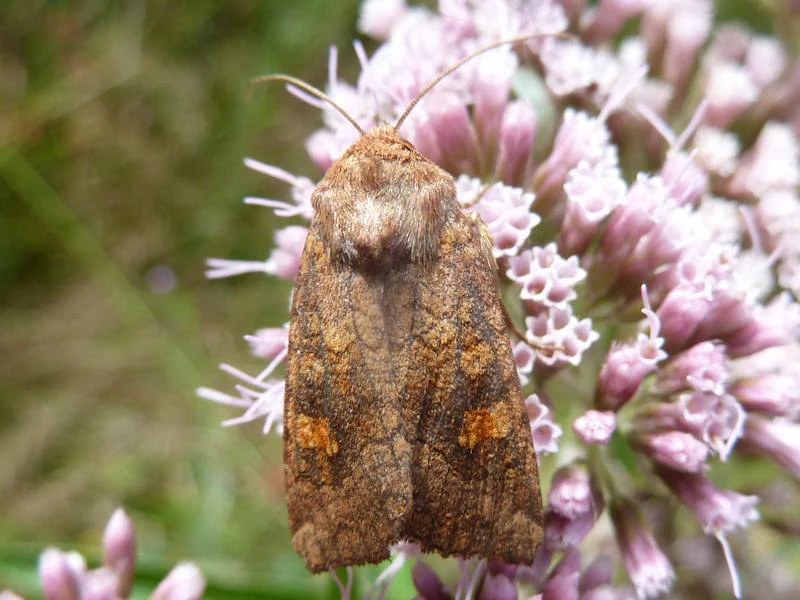
Reptiles, amphibians and insects complete the picture. Adders, smooth snakes, viviparous lizards and common frogs are among the species reported in and around the bog. Butterflies associated with the heath landscape, such as the grayling, are typical for the area, and in summer dragonflies including four-spotted chasers and emperor dragonflies hunt above the open water. A characteristic bog moth, the large heath moth, is also associated with the site, further underlining its insect biodiversity.
The range of wildlife reflects the variety of habitats packed into the reserve. Drier patches of heath, wet bog, bog forest and open water each support different species groups, and the relatively undisturbed core of the area offers breeding and feeding habitat for sensitive specialists that have largely disappeared from the broader Dutch countryside.
Engbertsdijksvenen conservation status and protection priorities
Engbertsdijksvenen carries national significance for peatland conservation. It holds an exceptional share of the few hectares of living raised bog that survive in the Netherlands, making every square meter of its core hydrology a priority for safeguarding. The site is protected as a state nature monument and is part of the European Natura 2000 network, giving it formal recognition in both national and continental frameworks.
Restoration has been the main conservation story of recent decades. Late twentieth and early twenty-first century hydrological works, including dams, embankments and boulder clay barriers, were introduced to counter dehydration and to re-establish conditions under which new peat can begin growing. These interventions reflect a broader Dutch and European effort to restore raised bog, an internationally rare habitat that stores carbon, regulates water and supports specialized species.
BirdLife International's designation of the reserve as an Important Bird Area further underlines its conservation value for migratory and breeding bird populations, particularly cranes and bean geese. Together, the formal Natura 2000 status, the IBA recognition and the active hydrological management make Engbertsdijksvenen one of the more intensively managed, yet ecologically valuable, peatland sites in the Netherlands.
Engbertsdijksvenen cultural meaning and human context
The name 'Engbertsdijksvenen' and surrounding villages such as Kloosterhaar and Westerhaar-Vriezenveensewijk reflect deep layers of regional history. The 'haar' element, meaning a sandy rise, appears in multiple local place names and reveals how the dry sandy ridges stood out as natural landmarks in the otherwise wet peatland landscape. The first documented large-scale peat cutting in the area was carried out by monks from the Sibculo monastery during the fifteenth century.
The colonial peat era of 1850 to 1950 left an even stronger mark. Canals such as the Veenkanaal, long strip-like field patterns, planned settlements like Westerhaar-Vriezenveensewijk and the narrow-gauge railways used for peat transport are all legacies of this period. The nearby Veenmuseum in Westerhaar-Vriezenveensewijk preserves turfcarts, small locomotives and other tools that explain how life and work were organized around the peat. Together, these features show that Engbertsdijksvenen is not only a natural heritage site but also a cultural landscape shaped by centuries of human interaction with the bog.
Top sights and standout views in Engbertsdijksvenen
Engbertsdijksvenen's highlights center on its peatland character. The reserve concentrates a nationally significant proportion of the Netherlands' living raised bog, complemented by a striking mosaic of peat pools, dry and wet heath, birch bog forest and small woodland patches. BirdLife International has highlighted it as an Important Bird Area for species such as crane and bean goose, while botanical specialties like sundews, cottongrass and the rare snake root reflect the integrity of its peatland habitats.
A further highlight is the modern restoration story. Hydrological works, including boulder clay dams and embankments, have been designed to revive peat growth after decades of drainage, a rare example of active ecological rewetting in the Dutch countryside. Combined with a marked heath walking route and bird observation points, this gives the reserve both scientific and recreational appeal within a single landscape.
Best time to visit Engbertsdijksvenen
Engbertsdijksvenen is most rewarding in the warmer months, when peatland vegetation is active and the open pools and heath are at their most vivid. Late spring and summer bring flowering heath, the flight of dragonflies above the water and the strongest chance of observing bog butterflies, reptiles and breeding birds. Migratory species such as cranes and bean geese lend a particular seasonality to the area, and quieter periods outside the busiest weekends often suit bird observation best. Cooler months still offer atmospheric walks across the heath and bog, but experiences tend to emphasize the stark, open character of the landscape rather than species encounters.