Why Indravati National Park stands out
Indravati National Park is best known for protecting one of the last remaining populations of the endangered wild water buffalo, a species that has become increasingly rare across its historic range. The park is also renowned as a Project Tiger reserve, supporting a viable tiger population in the forests of central India. Its combination of tropical deciduous forests, grassland patches, and the Indravati River corridor creates a diverse habitat that supports both large mammals and smaller wildlife species. The park represents one of the most significant conservation areas in Chhattisgarh and serves as a critical stronghold for several threatened species.
Indravati National Park history and protected-area timeline
Indravati National Park was established as a national park in 1981, formalizing the protection of this forested landscape in central India. In 1983, the area was designated as a tiger reserve under Project Tiger, India's flagship conservation program for protecting endangered tigers and their habitats. This dual designation elevated the park's conservation status and brought additional resources for wildlife management and protection. The park became part of a network of protected areas in Chhattisgarh that also includes Udanti-sitanadi Tiger Reserve, creating a connected conservation landscape in the state. Over the years, Indravati has faced various management challenges including security concerns related to naxalite activity in the region, which has periodically affected park operations and accessibility. Despite these challenges, the park has maintained its status as an important conservation area for central India's wildlife.
Indravati National Park landscape and geographic character
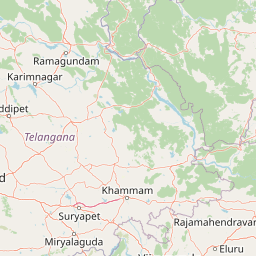
The landscape of Indravati National Park is characterized by undulating hilly terrain with elevations ranging from 177 to 599 meters above sea level. The terrain creates a varied topography of rolling hills, valleys, and slopes that drain into the Indravati River and its tributaries. The Indravati River flows from east to west along the park's northern boundary, creating a natural demarcation with the state of Maharashtra and providing important water resources for wildlife. The park's forest cover alternates with grassy clearings and meadows that provide habitat for large herbivores. The overall landscape presents a mosaic of forested ridges and open valleys that characterize the biogeographic region of central India.
Indravati National Park ecosystems, habitats, and plant life
The vegetation of Indravati National Park consists primarily of tropical moist deciduous and dry deciduous forest types. Bamboo dominates significant portions of the forest, creating dense stands that provide cover for numerous species. The park also contains extensive areas of sal forest, along with teak as a prominent tree species. Other notable tree species include lendia, salai, mahua, tendu, semal, haldu, boir, and jamun. The forest structure supports a diverse ecological community, while patches of grassland within the forest matrix provide important foraging habitat for large herbivores including wild water buffalo, chital, barking deer, nilgai, and gaur. The combination of forest types and grassland openings creates a heterogeneous habitat that supports considerable biodiversity.
Indravati National Park wildlife and species highlights
Indravati National Park is home to a remarkable diversity of wildlife, with particular significance attached to its population of wild water buffalo, one of the last remaining populations of this endangered species in India. Large mammals inhabiting the park include the Asian elephant, gaur, nilgai, blackbuck, chausingha, sambar, chital, Indian muntjac, Indian spotted chevrotain, and wild boar. Predatory species include the tiger, leopard, sloth bear, and dhole. Smaller mammals found in the park comprise flying squirrels, porcupines, pangolins, rhesus macaque, and various langur species. The park's diverse mammal community reflects the quality of its habitats and its importance as a conservation area in central India.
Indravati National Park conservation status and protection priorities
Indravati National Park holds significant conservation importance as one of India's Project Tiger reserves and as a critical habitat for the endangered wild water buffalo. The park's designation as a tiger reserve has brought focused attention and resources for protecting large predators and their prey base. The wild water buffalo population represents a conservation priority, as this species has declined dramatically across its historic range and now exists in only a few isolated populations in India. The park's combination of forest habitats, grassland areas, and the Indravati River corridor creates conditions that support viable populations of multiple threatened species. Conservation efforts at Indravati face challenges from regional security issues, but the park continues to function as an important protected area for central India's wildlife.
Indravati National Park cultural meaning and human context
Indravati National Park is located in Bijapur district of Chhattisgarh, a region with indigenous communities whose traditional lands overlap with the protected area. The forest landscape has historically supported local communities who have depended on forest resources for their livelihoods. While the Wikipedia source provides limited detail on specific cultural aspects, the park's location in a region with rich tribal heritage suggests there are historical connections between local communities and the forest landscape. The park's establishment as a protected area has shaped land use in the region and created interfaces between conservation objectives and traditional land use practices.
Top sights and standout views in Indravati National Park
Indravati National Park stands out for protecting one of the last wild water buffalo populations in India, making it internationally significant for this endangered species. As a Project Tiger reserve, it plays a crucial role in tiger conservation in central India. The park's tropical deciduous forests, bamboo groves, and grassland patches create diverse habitats supporting elephants, gaurs, and numerous other species. The Indravati River adds aquatic habitat value and forms a natural boundary feature. The park represents one of the most significant conservation areas in Chhattisgarh and contributes to India's network of protected areas targeting endangered wildlife.
Best time to visit Indravati National Park
The best time to visit Indravati National Park is during the winter months from October through March when temperatures are moderate and wildlife viewing opportunities are favorable. The post-monsoon period brings lush vegetation and improved visibility as the dry season progresses. Summer months from April to June can be extremely hot, making wildlife sightings more difficult as animals seek shade and water sources. The monsoon season from July to September brings heavy rainfall to the region, which can limit access to some areas of the park. Visitors interested in wildlife viewing should plan their trip during the cooler winter months for the most comfortable and productive experience.