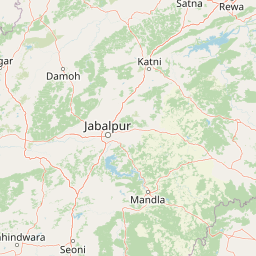
Why Ghughua Fossil Park stands out
Ghughua Fossil Park is renowned as one of India's most significant paleobotanical sites, preserving fossilized remains of ancient plants from the late Cretaceous period. The park is especially famous for its exceptional palm fossils, which represent some of the oldest examples of this plant family ever discovered in the region. A particularly notable find is a fossil wood bearing similarities to eucalyptus, which may represent the oldest fossil of its type ever discovered and supports theories about the gondwanan paleodistribution of certain plant groups. The site also yielded a dinosaur egg fossil, adding to its paleontological significance. The density and variety of well-preserved plant fossils spanning a 65-million-year timeframe make this park a unique window into Earth's botanical past.
Ghughua Fossil Park history and protected-area timeline
The Ghughua Fossil Park was established through the pioneering efforts of Dr. Dharmendra Prasad, a statistical officer serving in the Mandla district during the 1970s. Recognizing the exceptional scientific value of the fossil deposits exposed in the area, Dr. Prasad spearheaded efforts to document and preserve the site, serving as honorary secretary of the district archaeology unit. His vision was to protect these irreplaceable paleontological resources from potential damage or loss. The site was formally declared a National Park in 1983, granting it formal protection under India's wildlife protection legislation. This designation ensured that the fossil beds would be preserved for future scientific study and public education. The park remains one of the few dedicated fossil preservation areas in India where visitors can directly observe in situ fossil specimens rather than viewing them exclusively in museum collections.
Ghughua Fossil Park landscape and geographic character
The terrain of Ghughua Fossil Park consists of gently undulating landscape characteristic of the Satpura region of Madhya Pradesh. The area features exposed sedimentary formations where fossil-bearing layers are visible at the surface. The underlying geology consists of ancient lake and river deposits that accumulated during the late Cretaceous period, creating ideal conditions for the preservation of plant material. The surface exposures reveal rocky outcrops and fossil-bearing strata that have been carefully maintained within the park boundaries. The landscape surrounding the park maintains the rural character of central Madhya Pradesh, with agricultural land and forested areas creating a transitional zone between the more intensively cultivated plains and the forested hills of the Satpura range.
Ghughua Fossil Park ecosystems, habitats, and plant life
The ecological character of Ghughua Fossil Park today differs dramatically from the ancient environment it preserves. The fossil beds represent a time when this region supported lush tropical and subtropical vegetation, quite different from the current semi-deciduous forest and agricultural landscape. The plant communities preserved include representatives of 31 genera across 18 families, demonstrating considerable biodiversity in the ancient ecosystem. Palm species feature prominently among the fossils, indicating warmer and more humid conditions prevailed during the Cretaceous. The fossil wood showing eucalyptus-like characteristics is particularly significant, as it represents an ancient lineage that would later diversify across Australia and other regions of the southern hemisphere. The modern parkland supports typical vegetation of central India's tropical dry deciduous forest zone, though the primary focus remains on the paleontological resources rather than contemporary ecology.
Ghughua Fossil Park wildlife and species highlights
As a fossil preservation site, Ghughua is not known for contemporary wildlife populations in the same way as typical national parks. The modern ecosystem supports common species found throughout the forests of central Madhya Pradesh, including various bird species, small mammals, and insects typical of the region. The park's primary wildlife value lies in its paleontological treasures rather than living fauna. However, the surrounding forests of the Satpura region support populations of various species including sambar deer, wild boar, and numerous bird species. The conversion of the area to a protected national park has also contributed to the preservation of whatever natural habitat remains in the vicinity.
Ghughua Fossil Park conservation status and protection priorities
Ghughua Fossil Park holds significant conservation value as one of India's premier paleobotanical preservation sites. The protected status granted in 1983 ensures that the fossil-bearing formations remain undisturbed and accessible for ongoing scientific study. The discoveries made at the site, particularly the potential oldest eucalyptus-like fossil, contribute to understanding plant evolution and continental paleogeography. Conservation of this site protects not only the fossils themselves but also the geological context that makes them scientifically valuable. The park represents a different category of conservation priority compared to typical wildlife reserves, focusing on preserving Earth's deep-time biological record rather than protecting living species. This preservation serves both scientific research and educational purposes, allowing future generations to study and learn from these ancient plant remains.
Ghughua Fossil Park cultural meaning and human context
While Ghughua Fossil Park is primarily significant for its paleontological resources, the site exists within a region of rich cultural heritage in central India. The area around Shahpura and Dindori has been inhabited for centuries, with various indigenous communities maintaining connections to the land. The discovery and preservation of the fossils occurred through the efforts of local officials working within the administrative framework of Madhya Pradesh. The park contributes to regional identity as a place of scientific importance, representing a form of heritage that attracts researchers and those interested in Earth's deep history rather than more conventional cultural tourism. The local population continues to live in the vicinity, with the park representing one element of the diverse economic and cultural landscape of the region.
Top sights and standout views in Ghughua Fossil Park
The crown jewel of Ghughua Fossil Park is its collection of exceptionally preserved palm fossils dating back 65 million years, representing some of the oldest known examples of this plant family in the region. The discovery of fossil wood with eucalyptus-like characteristics may constitute the oldest known specimen of this type, holding significant implications for understanding plant evolution and the ancient connections between landmasses that once formed Gondwana. The park provides a rare opportunity to view fossils in their natural setting rather than exclusively in museum displays, allowing visitors to appreciate the fossils within the geological context where they were discovered. The site's declaration as a National Park in 1983 reflects its recognized scientific importance within India's protected area system.
Best time to visit Ghughua Fossil Park
The best time to visit Ghughua Fossil Park coincides with the cooler months from October through March, when temperatures in central India are more comfortable for outdoor exploration. The post-monsoon period from October to November offers particularly pleasant conditions with relatively clear skies and landscapes still showing the green vegetation from the rainy season. Winter months from December to February bring cooler temperatures and minimal rainfall, making this the most popular period for visits. The summer months from April through June can be extremely hot in Madhya Pradesh, with temperatures regularly exceeding 40 degrees Celsius, which would make park exploration uncomfortable. The monsoon season from July through September brings heavy rainfall that can restrict access and make travel to the site more difficult.