Why Van Vihar National Park stands out
Van Vihar is best known for its dual identity as both a national park and a functioning zoological park, following guidelines of the Central Zoo Authority while maintaining true wilderness character. The park serves as Bhopal's primary urban green space and wildlife habitat, protecting diverse mammal species including chital, sambar, blackbuck, and four-horned antelope in near-natural conditions. Its vulture breeding program, established in the 2010s, targets conservation of critically endangered vulture species. The park's visitor-friendly design allows exploration via bicycle along internal roads while maintaining effective barriers between the public and wildlife through trenches, walls, and fencing.
Van Vihar National Park history and protected-area timeline
The history of Van Vihar National Park reflects broader tensions between urban development and conservation in central India during the mid-twentieth century. The area surrounding Bhopal's large lake had long been valued for its natural beauty and serene location, attracting both illegal stone quarrying operations and commercial interests seeking to develop the valuable lakeside land. Recognizing the ecological importance of the area and the need to conserve both in-situ and ex-situ wildlife populations, authorities decided to provide formal legal protection under India's Wildlife Protection Act of 1972. A committee of experts was constituted to determine how best to establish the area as a protected zone, and in 1983, on the committee's recommendation, approximately 4.45 square kilometers were declared a national park. The land acquisition process involved compensating villagers from Prempura, Dharampuri, and Amkheda for private holdings within the park boundaries. The degraded Shyamla Hill, which had been included in protection efforts since 1980, was formally incorporated into the national park designation in 1983. Central Zoo Authority funding began in 1993-94, enabling the park to function as a medium-sized zoo. The first formal management plan covered the period from 2000 to 2010. Through dedicated management efforts, the park has been transformed from degraded land into a thriving green oasis serving Bhopal's ecological and recreational needs.
Van Vihar National Park landscape and geographic character
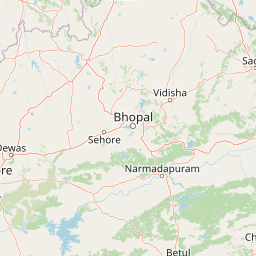
Van Vihar National Park occupies a peninsula-like terrain on the banks of Bhopal's extensive lake system, creating a landscape defined by the interface between terrestrial and aquatic environments. The park's topography includes gentle hillocks such as Shyamla Hill, which was incorporated into the protected area as part of restoration efforts. The lakeside setting provides natural boundaries and contributes to the park's role as a green corridor within the urban matrix of Bhopal city. Open grasslands and woodland areas characterize much of the park's interior, supporting the herbivore populations that form the base of the ecological community. The landscape has been shaped by both natural processes and restoration activities that transformed degraded areas into functional wildlife habitat. Visitors traverse the park along internal roads that pass through varied terrain, with natural vegetation providing cover for wildlife while maintaining the park's aesthetic appeal as an urban natural area.
Van Vihar National Park ecosystems, habitats, and plant life
The ecological character of Van Vihar National Park reflects its position as a protected area within an urban landscape, combining elements of dry deciduous forest, grassland, and wetland habitats. The park's location on Bhopal's lakeshore creates a diversity of habitats supporting both resident and migratory species. Native grasses and plant species within the park provide natural forage for herbivore populations, though supplemental feeding with green fodder from the park's dedicated fodder farm becomes necessary during dry summer months when natural vegetation declines. The lake-adjacent wetlands attract substantial bird populations, particularly during winter months when migratory waterfowl arrive in significant numbers. The park's management under Central Zoo Authority guidelines emphasizes maintaining animals in conditions that approximate their natural ecological roles while providing appropriate care for orphaned and rescued individuals.
Van Vihar National Park wildlife and species highlights
Van Vihar National Park supports a diverse mammalian community dominated by several species of native ungulates. Chital, also known as spotted deer, represent the most abundant large mammal, while sambar deer, blackbuck, and nilgai form significant components of the herbivore population. The park also maintains populations of four-horned antelope, wild boar, porcupine, and hare. Primate species including Rhesus macaque and common langur inhabit the park's woodland areas. The aquatic environment supports Indian star tortoise, various turtle species, and multiple fish populations. Avian diversity is remarkable, with approximately 200 bird species recorded throughout the park. Winter months bring large numbers of migratory waterfowl to the adjoining wetland areas. The park's vulture breeding program, established in the 2010s, focuses on conserving white-rumped vulture and long-billed vulture populations, addressing the severe declines these species have experienced across the Indian subcontinent.
Van Vihar National Park conservation status and protection priorities
Van Vihar National Park exemplifies an integrated approach to wildlife conservation that addresses both in-situ protection of wild populations and ex-situ care for endangered species. The park's designation as a national park under India's Wildlife Protection Act provides legal protection to the habitat while its operation under Central Zoo Authority guidelines ensures animal welfare standards appropriate for a modern zoological institution. The vulture breeding program represents a direct contribution to conservation of species facing catastrophic population declines across South Asia due to veterinary drug poisoning in livestock. By maintaining animals in near-natural habitats rather than traditional zoo enclosures, Van Vihar preserves ecological relationships while providing educational and recreational value for visitors. The park's role as Bhopal's green lung underscores its broader conservation significance within an increasingly urbanized region.
Van Vihar National Park cultural meaning and human context
Van Vihar National Park occupies land with historical connections to surrounding villages including Prempura, Dharampuri, and Amkheda, whose residents held private holdings within what became the protected area. The acquisition of these lands in the early 1980s involved compensation payments to displace traditional land use patterns. The park's location within Bhopal, a city with significant historical importance in central India, provides cultural context as a modern conservation initiative within an urban setting. The transformation from degraded land threatened by quarrying and commercial development to a protected green space reflects changing attitudes toward urban green spaces and wildlife habitat preservation in Indian cities during the late twentieth and early twenty-first centuries.
Top sights and standout views in Van Vihar National Park
Van Vihar's unique management model combining national park protection with zoological park operations makes it a distinctive conservation space in central India. The park's accessibility from within Bhopal, with visitors able to cycle along internal roads while wildlife moves freely in adjacent natural habitats, creates an unusual visitor experience among Indian protected areas. The vulture breeding center represents a focused conservation effort for species of significant ecological importance. The winter bird migration, bringing waterfowl to the adjoining wetlands in substantial numbers, offers seasonal wildlife viewing opportunities. The park's evolution from degraded land to urban green lung demonstrates successful ecological restoration within a major city.
Best time to visit Van Vihar National Park
The optimal time to experience Van Vihar National Park coincides with the winter months from October through March, when migratory waterfowl arrive in significant numbers at the adjoining wetlands and overall weather conditions remain pleasant for outdoor exploration. The park remains open daily except Fridays, when it is closed to visitors. Winter temperatures in Bhopal are mild and comfortable for walking or cycling along the park's internal roads, while summer months from April through June can bring extreme heat that may reduce both wildlife activity and visitor comfort. The monsoon season from July through September brings lush vegetation but also increased humidity and periodic rainfall that may affect access.