Why Madhav National Park stands out
Madhav National Park is best known for its historical significance as former royal hunting grounds that served Mughal emperors, Rajputana rulers, and British colonial administrators. The park's Sakhya Sagar reservoir, designated a Ramsar wetland in 2022, represents one of the significant inland waterbird habitats in northern Madhya Pradesh. The landscape combines dry deciduous forested hills with expansive grasslands around the reservoir, creating a distinctive ecosystem within the Khathiar-Gir ecoregion. The park is also notable for its proposed status as a Tiger Reserve, with the National Tiger Conservation Authority technical committee approving the recognition in December 2024 to establish a 1,751 square kilometer tiger reserve with a 375 square kilometer core area.
Madhav National Park history and protected-area timeline
The history of Madhav National Park is deeply intertwined with the royal hunting traditions of central India. The dense forests of the Sipri area, which later became known as Shivpuri, served as hunting grounds for Mughal emperors beginning in the 16th century. The area's reputation as a premier hunting destination attracted Mughal princes, Rajputana rulers, Gwalior royals, and eventually British dignitaries including British monarchs and viceroys. This prolonged association with royal and colonial elites led to the area being known as the royal hunting park or Majisive Park, reflecting its status as an exclusive preserve for high-ranking officials. George Castle, constructed in 1911 at an elevation of 484 meters, was specifically built to accommodate King George V during his intended visit to India, demonstrating the site's prominence in the colonial administrative calendar. Following Indian independence in 1947, the area experienced significant degradation as agricultural expansion and mining operations encroached on the former hunting grounds. The park was formally established in 1956 as Shivpuri National Park with an area of 167 square kilometers, renamed Madhav National Park in 1958 after Madho Rao Scindia, and finalized the following year. The last resident wild tigers were observed in the park during the late 1970s, marking a significant loss in the park's flagship predator population. A 1982 proposal sought to expand the park by adding a corridor parallel to the Chambal River, though implementation faced challenges. The 1990s saw continued environmental pressure from illegal mining, prompting conservationists to approach the Supreme Court of India, which issued an injunction in 1998 terminating mining activities within the park. In December 2024, the National Tiger Conservation Authority's technical committee proposed recognizing Madhav National Park as a Tiger Reserve spanning 1,751 square kilometers with a 375 square kilometer core area and proposed the introduction of tigers to reestablish the species in the park.
Madhav National Park landscape and geographic character
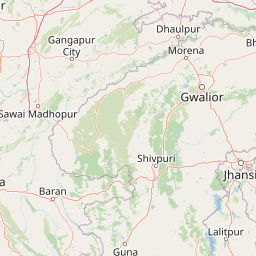
Madhav National Park presents a diverse landscape characterized by the interplay of forested hills and flat grassland expanses within the Khathiar-Gir dry deciduous forest ecoregion. The terrain features rolling hills covered predominantly by dry deciduous vegetation, interspersed with flat valley areas that transition into extensive grasslands surrounding the park's reservoir systems. The central feature of the park is Sakhya Sagar, a substantial reservoir constructed during the period when the area served as Madho Rao Scindia's hunting grounds. A second reservoir, Madhav Sagar (also known as Madhav Lake), was created by damming the Manihar River, while a third reservoir exists but was not included within the park's boundaries. The landscape receives an average annual rainfall of 816 millimeters, supporting the growth of dry deciduous forest types despite the relatively semi-arid regional climate. The combination of hill forests, grassland plains, and wetland habitats creates a visually varied terrain that distinguishes Madhav National Park from the more uniformly forested protected areas of central India.
Madhav National Park ecosystems, habitats, and plant life
Madhav National Park exists within the Khathiar-Gir dry deciduous forest ecoregion, a biogeographic region characterized by vegetation adapted to seasonal drought conditions and relatively low annual precipitation. The park's varied terrain of forested hills and flat grasslands supports a diversity of habitats that in turn support various wildlife species. The Sakhya Sagar reservoir and its associated wetland areas provide crucial aquatic habitat, particularly significant given the relatively arid character of the surrounding landscape. The grassland expanses around the reservoir offer important grazing and browsing habitat for herbivore species, while the forest-covered hills provide shelter and foraging areas for numerous bird and mammal species. The designation of Sakhya Sagar as a Ramsar site in 2022 recognized the wetland's international importance, particularly for waterbird species that depend on such inland water bodies for breeding, nesting, and migratory stopover within the Indian subcontinent. The average annual rainfall of 816 millimeters shapes the ecological character of the park, influencing vegetation patterns, water availability, and the seasonal dynamics of wildlife distribution throughout the protected area.
Madhav National Park wildlife and species highlights
Madhav National Park supports wildlife populations within its varied habitats of dry deciduous forests, grasslands, and wetlands. The Sakhya Sagar Ramsar site provides important habitat for waterbird species, supporting populations of various duck species, waders, and other aquatic birds that depend on the reservoir's wetlands. The forest and grassland habitats support populations of herbivorous mammals, though the last resident wild tigers were observed in the late 1970s, representing a significant decline in the park's apex predator community. The park's location within the Khathiar-Gir dry deciduous forest ecoregion means that wildlife species are adapted to seasonal conditions including wet monsoons and dry winters. The diverse habitat mosaic, combining forest cover with open grasslands and permanent water bodies, supports species ranging from large mammals to numerous bird species. The December 2024 proposal to establish a tiger reserve and reintroduce tigers to the park signals an effort to restore the park's predator populations and ecological integrity.
Madhav National Park conservation status and protection priorities
Madhav National Park represents an important conservation unit in central India, with its significance recognized through both national park status and international Ramsar designation. The designation of Sakhya Sagar as a Ramsar site in January 2022 acknowledged the wetland's importance for biodiversity conservation, particularly for waterbird species and aquatic ecosystems. The park has faced significant conservation challenges, particularly from illegal mining activities in the 1990s that degraded habitat quality and led conservation organizations to pursue legal action through the Supreme Court of India. The 1998 Supreme Court injunction terminating mining in the area represented a significant conservation victory and marked a turning point in the park's protection. The December 2024 proposal by the National Tiger Conservation Authority to recognize Madhav National Park as a Tiger Reserve, spanning 1,751 square kilometers, indicates the park's potential for supporting viable populations of large carnivores. The proposed tiger reserve would include a core area of 375 square kilometers and a buffer area of 1,276 square kilometers, with plans to introduce tigers to reestablish the species in the park after its local extinction in the late 1970s.
Madhav National Park cultural meaning and human context
Madhav National Park carries deep cultural significance rooted in centuries of association with royal and colonial power structures. The area's history as a royal hunting ground for Mughal emperors since the 16th century established its identity as an exclusive preserve for ruling elites. This tradition continued through the Rajputana period, with the Gwalior state maintaining the area as a key hunting destination. The British colonial period intensified the area's association with high-ranking officials, as British monarchs and viceroys visited for hunting expeditions, earning the area its reputation as the royal hunting park. George Castle, built in 1911 specifically for King George V's intended visit, stands as a physical manifestation of this colonial-era significance. The park's naming after Madho Rao Scindia reflects the continued importance of the Scindia dynasty in the region's history and the park's identity. The cultural landscape therefore represents not only ecological value but also a living record of centuries of human relationship with this particular landscape, from Mughal emperors through the Scindia rulers to the modern conservation era.
Top sights and standout views in Madhav National Park
Madhav National Park combines historical significance with ecological diversity in a landscape that features dry deciduous forests, expansive grasslands, and important wetland habitats. The Sakhya Sagar reservoir, designated a Ramsar site in 2022, represents the park's most significant conservation achievement and provides crucial habitat for waterbird populations. The park's royal hunting heritage, spanning from Mughal emperors through British monarchs to the Scindia rulers, gives it a distinctive historical character uncommon among India's protected areas. George Castle, built in 1911, remains a notable architectural landmark within the park's boundaries. The 2024 proposal to establish a tiger reserve and reintroduce tigers signals the park's potential for supporting large predator populations and restoring ecological balance. The intersection of historical, ecological, and conservation values makes Madhav National Park a multifaceted protected area representing both central India's natural heritage and its complex cultural history.
Best time to visit Madhav National Park
Madhav National Park can be visited throughout the year, though the best wildlife viewing opportunities occur during the dry winter months from October through March when animals congregate around the remaining water sources. The monsoon season from July to September brings renewed vegetation and water levels to the reservoirs, transforming the landscape but making wildlife observation more challenging due to dense vegetation cover. The post-monsoon period in October and November offers pleasant weather and good visibility for exploring the park's varied terrain. The summer months from April to June can be extremely hot, but this period sometimes offers better opportunities to observe wildlife near water bodies as animals seek relief from the heat. The Sakhya Sagar reservoir and other water bodies attract waterbirds particularly during the winter migratory season, making the period from November to February especially rewarding for birdwatching enthusiasts.