

Mori Atlas logo
National parkSultanpur National Park

Understand the mapped boundaries and regional context of this national park.

Sultanpur National Park: India's Protected Landscape within Haryana's Geography

Sultanpur National Park represents a distinct protected natural area situated within the geographic landscape of Haryana, India. As a national park, its designation signifies a commitment to preserving its unique regional characteristics. This page offers a detailed atlas-centric view, focusing on the park's mapped boundaries and its place within the broader geography of Haryana, providing users with essential context for landscape exploration and understanding protected land distribution.

wetland conservationbirdwatchingRamsar sitemigratory birdsNorth IndiaDelhi NCR accessible

Sultanpur National Park

National park

Park overview

Structured park overview, official facts, and landscape profile for Sultanpur National Park

Sultanpur National Park park facts, protected area profile, and essential visitor context
Review the core facts for Sultanpur National Park, including designation, size, terrain, visitor scale, habitats, and operating context in one park-focused overview.

About Sultanpur National Park

Sultanpur National Park represents a distinctive conservation outcome in one of India's most densely populated and rapidly urbanizing regions. The park's wetland ecosystem, centered on what was historically known as Sultanpur jheel, provides a living demonstration of how protected areas can persist alongside metropolitan development. The shallow marsh waters, interspersed with emergent vegetation and scattered acacia woodlands, create a heterogeneous habitat matrix that supports hundreds of bird species throughout the year. Beyond its ornithological significance, the park shelters populations of nilgai, blackbuck, and Bengal fox, representing the broader faunal diversity of the Haryana plains. The Ramsar designation in 2021 elevated the park's international conservation profile, recognizing its role in supporting migratory waterbird populations along the Central Asian flyway. Despite its modest area, Sultanpur functions as an ecological sanctuary that provides residents of the Delhi NCR region with accessible wilderness experiences and serves as an educational resource for understanding wetland conservation in heavily modified landscapes.

Quick facts and research context for Sultanpur National Park

Sultanpur National Park occupies 142.52 hectares in Sultanpur village, Farrukhnagar, within Gurgaon district of Haryana state. The wetland was declared a bird sanctuary in 1972 and upgraded to national park status in July 1991. It received Ramsar Convention designation in 2021, recognizing its international importance as a wetland habitat. The park is administered by the Forests Department of Haryana and lies within the broader NCR metropolitan region, making it one of the most accessible protected wetlands in northern India.

Park context

Deeper park guide and search-rich context for Sultanpur National Park

Sultanpur National Park history, landscape, wildlife, and travel context
Explore Sultanpur National Park through its history, landscape character, ecosystems, wildlife, conservation priorities, cultural context, and seasonal travel timing in a structured park guide built for atlas discovery and search intent.

Why Sultanpur National Park stands out

Sultanpur National Park is best known as a concentrated birdwatching destination within the Delhi metropolitan area. The wetland supports an exceptional diversity of waterfowl and wading birds, including significant populations of painted storks, black-headed ibises, black-necked storks, and the iconic greater flamingo. The park serves as a critical wintering ground for migratory species including Siberian cranes, a species of particular conservation concern. Its relatively small footprint combined with high bird density makes it particularly valued among ornithologists and nature enthusiasts seeking accessible wildlife observation opportunities near a major urban center.

Sultanpur National Park history and protected-area timeline

The protection of Sultanpur's wetland habitats traces directly to the efforts of British biologist Peter Jackson, who in 1970 recognized the site's extraordinary bird populations and advocated for formal protection. Jackson corresponded with Prime Minister Indira Gandhi highlighting the urgent need to declare the Sultanpur jheel near Delhi a bird sanctuary, and while Gandhi was unable to visit immediately, she directed then Chief Minister of Haryana Bansi Lal to ensure the wetland's protection. This political intervention led to the formal declaration of the area as a bird sanctuary in 1972, establishing the legal framework for its conservation. Over the subsequent two decades, the reserve accumulated protective status and ecological reputation, culminating in its elevation to national park status in July 1991. The park's conservation trajectory continued into the 2020s, culminating in its designation as a Ramsar Wetland of International Importance on 25 May 2021, recognizing its significance within the global network of protected wetlands.

Sultanpur National Park landscape and geographic character

The park's physical character is defined by a shallow wetland basin with seasonal water fluctuations that create varying habitat conditions throughout the year. The landscape features scattered stands of acacia trees, neem, and berberis that provide roosting and nesting sites for birds, while open water areas support aquatic vegetation and feeding zones for waterfowl. The terrain is essentially flat, reflecting its position within the alluvial plains of the Yamuna river basin, with low-lying areas that retain water during the monsoon season and gradually dry to create mudflat conditions attractive to wading birds. The park's boundary includes both permanently inundated zones and seasonally flooded grasslands, creating a dynamic environmental mosaic.

Sultanpur National Park ecosystems, habitats, and plant life

Sultanpur's ecological identity centers on its freshwater wetland habitats within the semi-arid agricultural plains of Haryana. The park's wetland ecosystem supports a complex trophic structure from aquatic invertebrates and fish through to waterfowl and mammalian predators. The shallow, turbid waters provide ideal foraging conditions for storks, ibises, and spoonbills, while the surrounding acacia woodlands offer nesting habitat for passerine species and support for frugivorous birds. The seasonal influx of migratory waterfowl transforms the park's ecological character between summer and winter, with the cold months bringing dramatic increases in bird abundance and diversity. The wetland's position within the heavily cultivated Haryana plains makes it a critical island of natural habitat in an otherwise extensively modified landscape.

Sultanpur National Park wildlife and species highlights

The avian fauna of Sultanpur National Park represents the park's primary wildlife draw, with more than 100 migratory bird species joining resident populations each year. Resident bird diversity includes painted storks, common spoonbills, black-headed ibises, black-necked storks, little cormorants, various egret species, and numerous passerines including Indian rollers, white-throated kingfishers, and mynas. Winter migrants include globally significant species such as Siberian cranes, greater flamingos, northern pintails, Eurasian teal, and great white pelicans. The mammal community includes nilgai, blackbuck, and Bengal fox, with these larger animals utilizing the park's woodland and grassland habitats. The wetland waters support fish populations that form the prey base for kingfishers, cormorants, and other fishing birds.

Sultanpur National Park conservation status and protection priorities

Sultanpur National Park's conservation significance is recognized through multiple protective designations, with its Ramsar status since 2021 marking its inclusion among the world's most important wetlands. The park's value derives from its role as a stopping and wintering site for migratory waterbirds along the Central Asian flyway, a continental-scale ecological corridor that connects breeding grounds in Siberia and Central Asia with wintering areas across the Indian subcontinent. The protected status helps maintain ecological connectivity within a region where wetland loss to agricultural expansion and urban development has been extensive. Conservation challenges in the park include managing visitor pressure, maintaining water quality in the wetland system, and balancing the ecological needs of both resident and migratory species within the limited spatial footprint.

Sultanpur National Park cultural meaning and human context

Sultanpur National Park occupies a position within the historically significant agricultural landscape of Haryana, a region with deep roots in village-based farming communities. The park's name derives from Sultanpur village, which lies within the park's boundaries and reflects the long human presence in this area before conservation designation. The transformation from common-use wetland to protected area required redefining the relationship between local communities and the land, though the park's small size and location near major population centers create ongoing interactions between conservation management and community interests. The proximity to Delhi and Gurugram gives the park additional significance as a natural space accessible to millions of urban residents seeking nature experiences.

Top sights and standout views in Sultanpur National Park

Sultanpur National Park offers exceptional birdwatching opportunities within an accessible metropolitan setting, with the concentration of waterfowl and the presence of charismatic species like painted storks and black-necked storks providing reliable wildlife viewing. The Ramsar designation underscores the park's international conservation importance and provides formal recognition of its wetland ecological values. The relatively small park size enables comprehensive exploration within a single visit, making it particularly suitable for day trips from Delhi or Gurugram. Seasonal variation creates distinctly different wildlife experiences between summer and winter months, with winter bringing the greatest bird diversity and abundance.

Best time to visit Sultanpur National Park

The optimal period for visiting Sultanpur National Park spans from October through March, when winter migratory birds arrive in substantial numbers and create the park's most dynamic birdwatching conditions. The months of November through February typically offer the highest chances of observing species such as Siberian cranes, greater flamingos, and various duck species at their peak abundance. The summer months from April through June see the departure of most migratory species and reduced water levels, though resident birds remain active and the park offers a quieter visitation experience. The monsoon season from July through September fills the wetland basin and creates lush conditions but may limit wildlife visibility due to tall vegetation growth.
Park location guide

Geography guide, regional context, and park location map for Sultanpur National Park

Sultanpur National Park park geography, regions, and map view in India
Understand where Sultanpur National Park sits in India through a broader geographic reading of the surrounding landscape, nearby location context, and its mapped position within the national park landscape.

How Sultanpur National Park fits into India

India is a South Asian country bordered by the Indian Ocean, Arabian Sea, and Bay of Bengal. It shares land borders with Pakistan, China, Nepal, Bhutan, Bangladesh, and Myanmar. The country has a population of over 1.4 billion people and operates as a federal parliamentary republic with its capital in New Delhi.

Wider geography shaping Sultanpur National Park in India

India occupies the Indian subcontinent in South Asia, bordered by the Arabian Sea to the southwest, the Bay of Bengal to the southeast, and the Indian Ocean to the south. It shares land borders with Pakistan to the west, China, Nepal, and Bhutan to the north, and Bangladesh and Myanmar to the east. The territory also includes the Andaman and Nicobar Islands in the Indian Ocean.

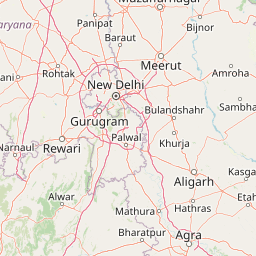
Map view of Sultanpur National Park

Use this park location map to pinpoint Sultanpur National Park in India, understand its exact geographic position, and read its mapped placement within the surrounding landscape more clearly.

Pigeon | © OpenStreetMap contributors

Location context for Sultanpur National Park

Haryana
Park atlas

Trace the regional spread of protected wetlands and diverse conservation landscapes surrounding Sultanpur National Park for comparative geographic discovery.

Discover Other National Parks and Protected Areas Near Sultanpur National Park
After exploring Sultanpur National Park, browse other protected areas and national parks within the surrounding region of North India to compare wetland ecosystems and broader conservation landscapes. This geographic context allows for deeper atlas-style understanding of contiguous protected lands and regional biodiversity patterns beyond a single park.
Watercolor illustration of a wetland landscape with grasses, trees, and a sunset
National parkIndia

Keoladeo National Park: India's Renowned Wetland Bird Sanctuary and Protected Landscape

Explore its mapped terrain and critical avian habitat near Bharatpur.

Keoladeo National Park, a designated national park in India, represents a critical hub for wetland conservation and avian biodiversity. The park's meticulously managed wetland system, a mosaic of shallow waters and grasslands, provides essential habitat for thousands of resident and migratory birds from across Eurasia. Situated near Bharatpur, this protected landscape offers a unique opportunity to study the intersection of arid and fertile plains geography and serves as a vital stopover point on major bird flyways, underscoring its importance in regional conservation efforts.

Area
28.7 km²
Established
1982
IUCN
II
Visitors
147K annual
National parkUttarakhand

Rajaji National Park: Uttarakhand National Park and Tiger Reserve Landscape

Sivalik Hills geography and protected area context

Rajaji National Park is a vital protected landscape situated in the Uttarakhand region of India, recognized as both a national park and a tiger reserve. Its territory spans across the Sivalik Hills, offering a diverse terrain characterized by deciduous forests and riparian ecosystems. The park's location along the Ganga river significantly influences its ecology, providing a unique geographic context for its protected status and wildlife significance.

Area
820.5 km²
Established
1983
IUCN
II
Relief
Highland
National parkHaryana

Kalesar National Park: Exploring Haryana's Unique Sal Forest Protected Landscape

Discover mapped terrain and regional geography within the Shivalik foothills.

Kalesar National Park, located in the Shivalik foothills of Haryana, is a crucial protected area renowned for its natural sal forest, a rare ecological feature in the state. Spanning approximately 53 square kilometers, the park's diverse terrain offers insights into regional geography and conservation, serving as a vital habitat for leopards and a corridor for wild elephants. Its mapped boundaries encompass a unique landscape that contrasts sharply with surrounding agricultural lands, making it a significant point of study for protected-area enthusiasts.

Area
53 km²
Established
2003
IUCN
IV
Relief
Highland
National parkUttarakhand

Jim Corbett National Park: Uttarakhand National Park and Protected Landscape Atlas

Mapped Boundaries and Regional Geographic Context

Jim Corbett National Park offers a specific entry point for understanding protected landscapes and their geographic significance. As a designated national park within Uttarakhand, India, it provides a distinct case study for exploring mapped boundaries and regional natural terrain. This detailed view allows for a deep dive into the park's identity as a protected area, highlighting its placement within the larger atlas of India's natural heritage and its contribution to the Himalayan geographic narrative.

Area
1,288.31 km²
Established
1936
IUCN
II
Visitors
365K annual
National parkRajasthan

Ranthambore National Park: Protected Area Atlas and Dry Deciduous Landscape Exploration

Discover its unique terrain and mapped boundaries.

Dive into the protected landscape of Ranthambore National Park, a nationally significant protected area in Rajasthan, India. This page offers detailed insights into its dry deciduous forest ecosystem, characterized by rocky hills, open grasslands, and vital lakes. Explore the park's mapped boundaries and understand its position within the regional geography, providing an atlas-centric view of its terrain and conservation importance.

Area
1,334 km²
Established
1980
IUCN
II
Relief
Mixed relief
National parkMadhya Pradesh

Kuno National Park: Madhya Pradesh National Park Atlas and Protected Landscape

Explore its diverse dry deciduous forests and savannah terrain.

Kuno National Park is a protected area in Madhya Pradesh, India, renowned for its dry deciduous forest and savannah grassland ecosystems. This national park, bisected by the Kuno River, offers a significant landscape for understanding regional geography and conservation efforts within India. Its varied terrain provides essential habitat and contributes to the broader atlas of protected lands, making it a key destination for geographic discovery.

Area
748.76 km²
Established
2018
IUCN
II
Relief
Lowland
Watercolor scene of grassy fields and a winding river with distant hills and trees
National parkSudurpashchim Province

Shuklaphanta National Park: A National Park in Nepal's Sudurpashchim Province

Explore mapped protected areas and regional landscape context.

Shuklaphanta National Park is a key protected landscape within Sudurpashchim Province, Nepal. As a designated national park, its geographic identity is significant for understanding regional conservation and natural terrain. This entry focuses on its mapped boundaries and role as a protected area, providing foundational geographic context for atlas exploration and discovery of Nepal's natural landscapes.

Area
305 km²
Established
2017
IUCN
II
Relief
Lowland
National parkMadhya Pradesh

Madhav National Park: National Park Atlas and Protected Landscape Identity

Mapping the geography and protected boundaries of Madhav National Park.

Delve into the detailed geographic profile of Madhav National Park, a vital national park situated in Madhya Pradesh, India. This section offers an atlas-centric perspective, highlighting the park's protected landscape characteristics and its precise location within the regional geography. Uncover its mapped boundaries and understand its role as a key protected area for comprehensive geographic exploration.

Area
354 km²
Established
1956
IUCN
II
Visitors
500 annual

Common questions about visiting, size, designation, and location context for Sultanpur National Park

Sultanpur National Park FAQs for park facts, access, geography, and protected area context
Find quick answers about Sultanpur National Park, including protected-area facts, park geography, trail and visitor context, and how the park fits into its surrounding country and regional landscape.
MoriAtlas Explorer

Continue Your Protected Areas Search Across the Global Atlas

Deepen your exploration by continuing the structured search for national parks and protected areas worldwide. Utilize the comprehensive filtering capabilities to compare different conservation landscapes and refine your understanding of global park geography. Discover more about the distribution and characteristics of protected natural areas.

Global natural geography