Why Jim Corbett National Park stands out
Jim Corbett National Park is best known as India's premier tiger reserve and the birthplace of Project Tiger, the country's flagship conservation initiative. The park is famed for its successful tiger conservation story, with approximately 260 tigers inhabiting its forests according to the 2022 census. Its diverse landscape of sal forests, grasslands, and river corridors provides ideal habitat for both tigers and elephants, with the park supporting one of the highest densities of tigers in India. The park's historical significance as Asia's first national park, established in 1936 and named after the legendary hunter-turned-conservationist Jim Corbett, adds to its prominence. Corbett is also notable for its elephant-mounted safari experiences and the Dhikala forest rest house, which offers visitors a classic wilderness immersion in the heart of the reserve.
Jim Corbett National Park history and protected-area timeline
The conservation history of Jim Corbett National Park traces back to the 19th century when British forest officials recognised the ecological value of the region's forests. Some areas of the present park were formerly part of the princely state of Tehri Garhwal, where the forests were cleared by the Uttarakhand Forest Department to reduce vulnerability to Rohilla invaders. Following British intervention, the Buksa tribe, who had settled in the Terai, were evicted in the early 1860s. Major Ramsay, the British officer in charge, initiated efforts to protect the forests beginning in 1868, when the British forest department established control and prohibited cultivation and cattle operations. In 1879, these forests were constituted as a reserve forest permitting restricted felling. Early 20th-century British administrators, including E.R. Stevans and E.A. Smythies, advocated for establishing a national park, with the British administration considering a game reserve in 1907. The process culminated in 1936 when the Hailey National Park covering 323.75 square kilometres was created under Governor Sir Malcolm Hailey, becoming Asia's first national park. The reserve was renamed Ramganga National Park in 1954-1955 and again to Corbett National Park in 1955-1956, honouring Jim Corbett. During World War II, the park suffered from poaching and timber cutting. The park was chosen in 1974 as the launch site for Project Tiger, and buffer zones totalling 797.72 square kilometres were added in 1991, including the Kalagarh forest division and Sonanadi Wildlife Sanctuary.
Jim Corbett National Park landscape and geographic character
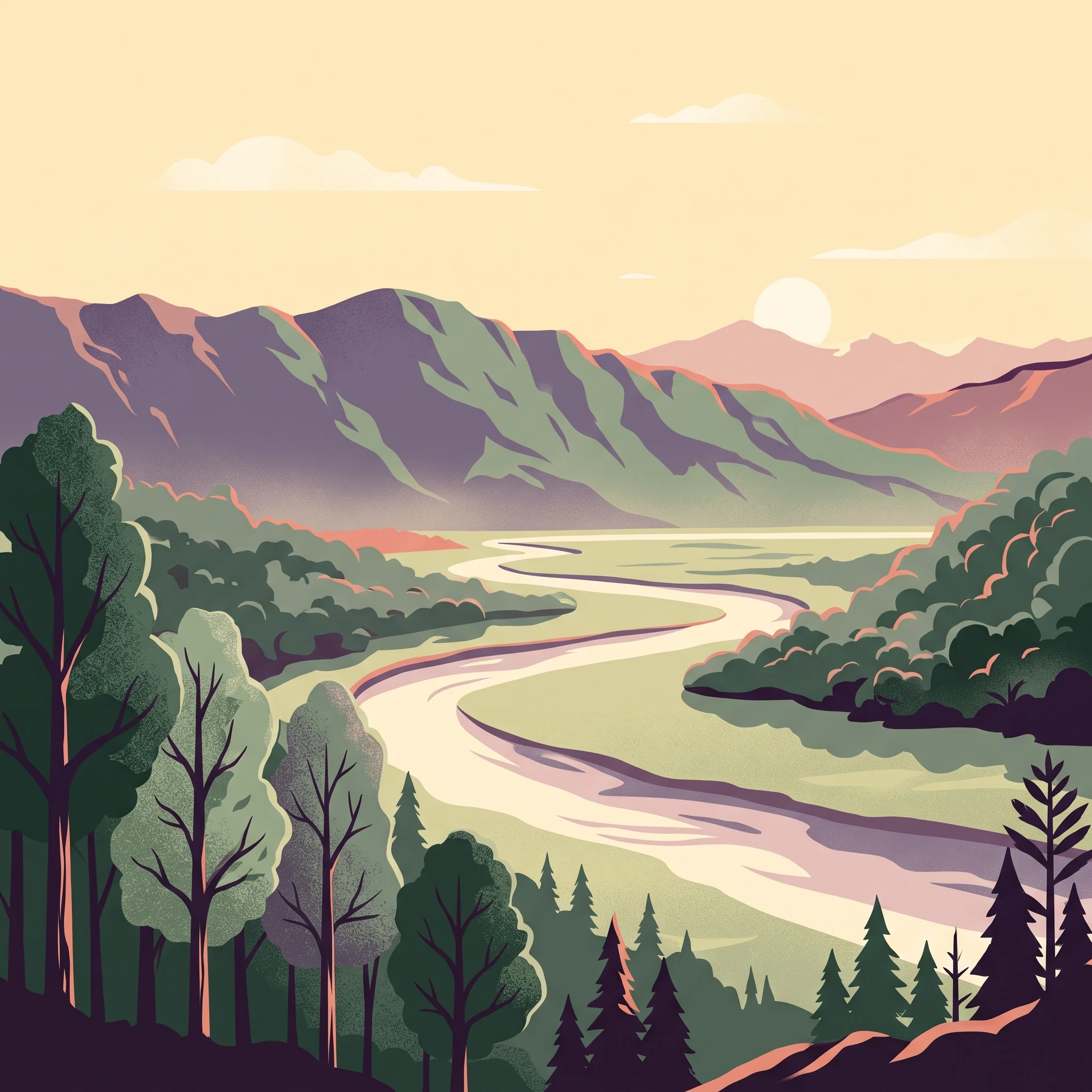
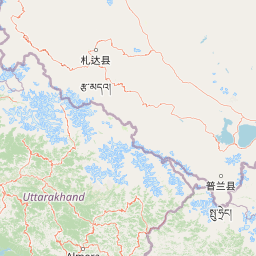
Jim Corbett National Park occupies a distinctive position in the sub-Himalayan belt, situated in the Doon Valley between the Lesser Himalaya in the north and the Siwalik Hills in the south. The terrain exhibits a characteristic Doon valley structure with longitudinal valleys formed along narrow tectonic zones between lineaments. The geology features upper tertiary rocks exposed towards the base of the Shiwalik range, with hard sandstone units forming broad ridges. The park encompasses the Patli Dun valley, created by the Ramganga river, which flows through the reserve and is impounded to form the Ramganga reservoir near the Kalagarh Dam in the southwest. The elevation ranges from 360 metres to 1,040 metres above sea level, creating a varied topography of ravines, ridges, minor streams, and small plateaus with differing aspects and slopes. The landscape includes dense forest-covered hills, open grasslands, riverine corridors, and marshy depressions. The Kalagarh Dam creates a significant water body that attracts migratory waterfowl during winter months. Corbett Falls, a 20-metre waterfall situated about 25 kilometres from Ramnagar, adds to the scenic diversity, surrounded by dense forests.
Jim Corbett National Park ecosystems, habitats, and plant life
The ecological character of Jim Corbett National Park is defined by its moist deciduous forests, grasslands, and riverine ecosystems that create a remarkably diverse habitat mosaic. Approximately 73 percent of the park is covered by dense moist deciduous forest dominated by sal trees, with additional species including peepal, rohini, and mango among 110 documented tree species. The total plant species count stands at 617, according to 2023 surveys. Grasslands cover about 10 percent of the area, providing critical foraging habitat for deer and elephants. The tree density varies across the park, with higher density in sal forests and lowest in Anogeissus-Acacia catechu forests. The forest exhibits healthy regeneration in certain communities including Mallotus philippensis, Jamun, and Diospyros species, though sal forest regeneration shows limitations. The Ramganga river and its reservoir support aquatic ecosystems, while marshy depressions add further ecological diversity. The park's position in the Terai Arc Landscape links it with protected areas across India and Nepal, facilitating wildlife corridors for tigers, elephants, and rhinoceroses.
Jim Corbett National Park wildlife and species highlights
Jim Corbett National Park harbours an impressive assemblage of wildlife, with 50 mammal species, 580 bird species, and 25 reptile species documented within its boundaries. The park is particularly renowned for its Bengal tiger population of approximately 260 individuals according to the 2022 census, representing one of India's most significant tiger populations. The tiger population includes individuals that have been observed killing and consuming large elephants, especially calves. The Indian elephant population numbers around 1,100 individuals based on 2019 counts. Predators include the Indian leopard, jungle cat, fishing cat, and leopard cat. The park supports substantial ungulate populations including chital, sambar deer, hog deer, and barking deer, which form the primary prey base for large predators. Other mammals include sloth bear, Asiatic black bear, Indian gray mongoose, otters, yellow-throated marten, Himalayan goral, Indian pangolin, langur, and rhesus macaque. The birdlife is exceptional, with over 586 resident and migratory species including crested serpent eagle, Indian paradise flycatcher, greater coucal, blossom-headed parakeet, red junglefowl, owls, and nightjars. Reptile species number at least 33, including the Indian python, while marsh crocodiles and gharials have been released into the Ramganga river. Additional fauna includes 7 amphibian species, 7 fish species, and 36 dragonfly species.
Jim Corbett National Park conservation status and protection priorities
Jim Corbett National Park represents a cornerstone of Indian wildlife conservation, serving as the flagship of Project Tiger since its launch in 1974. The park is part of the World Wide Fund for Nature's Terai Arc Landscape Program, which aims to protect three terrestrial flagship species—the tiger, Asian elephant, and Indian rhinoceros—by restoring wildlife corridors linking 13 protected areas across Nepal and India. An economic assessment estimated the annual flow benefits of the Corbett Tiger Reserve at approximately 14.7 billion rupees, including gene-pool protection worth 10.65 billion rupees, water provisioning to downstream districts, water purification services for Delhi, employment for local communities, habitat provision for wildlife, and carbon sequestration. The reserve has faced significant conservation challenges, including habitat loss from the construction of the Kalagarh Dam, which submerged 80 square kilometres of prime riverine habitat and led to local extinction of swamp deer and population decline in hog deer. Poaching was a serious concern in the late 1980s, with 109 cases recorded in 1988-89, though this dropped to 12 cases by 1997-98. Current threats include invasive species such as Lantana and Parthenium, human-wildlife conflict, and infrastructure development, with the NTCA expressing concern about weakened protection systems and poaching infiltration.
Jim Corbett National Park cultural meaning and human context
While Jim Corbett National Park is primarily known for its ecological significance, the region has historical human connections to the landscape. The areas comprising the park were formerly part of the princely state of Tehri Garhwal, with the Raja of Tehri ceding territory to the East India Company in return for assistance against Gurkha invaders. The Buksa tribe, indigenous to the Terai region, originally settled and cultivated the land before being evicted during British rule in the 1860s. The park is named after Jim Corbett, the British hunter and naturalist who famously hunted man-eaters in the region and later became a passionate advocate for wildlife protection. His book Man-Eaters of Kumoon brought international attention to the region and helped establish the reserve. The Garjiya Devi Temple, located on the banks of the Kosi river near the park, remains a sacred site visited during Kartik Purnima in November-December. Ecotourism has been encouraged since the 1990s, with nature guide training programs introduced to ensure local communities benefit from tourism while maintaining conservation objectives.
Top sights and standout views in Jim Corbett National Park
Jim Corbett National Park combines historical significance, ecological diversity, and conservation leadership as India's premier national park. The park's successful tiger population of approximately 260 individuals makes it one of the best places in India to observe tigers in the wild, while the presence of around 1,100 elephants adds to its megafauna appeal. The Dhikala forest rest house offers visitors a legendary wilderness experience at the fringes of the Patli Dun valley, with the Kanda ridge forming a dramatic backdrop. The Kalagarh Dam in the southwest attracts winter migratory waterfowl, while Corbett Falls provides a scenic waterfall surrounded by dense forests. The park's legacy as Asia's first national park, established in 1936 and named after Jim Corbett, gives it unique historical significance in the conservation movement. Elephant-mounted safaris offer a distinctive way to explore the park's terrain, and the 2022 tiger census confirms robust population numbers. The park's inclusion in the Terai Arc Landscape connecting Indian and Nepalese protected areas underscores its regional conservation importance.
Best time to visit Jim Corbett National Park
The optimal time to visit Jim Corbett National Park is during the dry season from November to June, with the peak tourist period running from mid-November to mid-June. Late in the dry season, from April to mid-June, offers the best chances of tiger sightings as animals congregate around remaining water sources, and experienced guides using elephants and jeeps can provide excellent wildlife viewing opportunities. Winter months from December to February bring temperate conditions with temperatures ranging from 5 to 30 degrees Celsius, though mornings can be foggy, which may limit early wildlife sightings. Summer temperatures can reach up to 40 degrees Celsius but the park's altitude provides some relief. The monsoon season from July to September brings heavy rainfall, during which many core areas remain closed to visitors. The park receives rainfall primarily during the monsoon months, and the landscape becomes lush and green, though wildlife viewing becomes more challenging. For birdwatchers, the winter months attract migratory species including waterfowl to the Ramganga reservoir and marshy areas.