Mori Atlas logo
Nature reserveKacze Błota

Tracing the protected boundaries and varied terrain of this historic Solska Forest remnant.

Kacze Błota Nature Reserve: A Detailed Geographic Overview of Protected Peatland Landscapes

Kacze Błota Nature Reserve serves as a significant protected area within the Lublin Voivodeship of eastern Poland, representing a rare fragment of the historic Solska Forest. The reserve encompasses a diverse array of peatland ecosystems, including high bogs, transitional mires, and boggy pine forests established on sandy dune formations. This geographic analysis examines the unique relief of the region, where sandy ridges descend into waterlogged peat basins, creating a distinct ecological gradient between the Roztocze uplands and the Sandomierz Basin.

peatlandraised bogtransitional mireboggy pine forestnature reserveLubelskie Voivodeship

Kacze Błota

Nature reserve

Park overview

Structured park overview, official facts, and landscape profile for Kacze Błota Nature Reserve

Kacze Błota Nature Reserve park facts, protected area profile, and essential visitor context

Review the core facts for Kacze Błota Nature Reserve, including designation, size, terrain, visitor scale, habitats, and operating context in one park-focused overview.

About Kacze Błota Nature Reserve

Kacze Błota Nature Reserve occupies a relatively compact but ecologically rich area within the Lasy Janowskie Landscape Park, in eastern Poland's Lubelskie Voivodeship. The reserve was established in 1988 under a ministerial order whose central purpose was to preserve characteristic features of the once vast Solska Forest, an ancient woodland complex that historically stretched across parts of the Roztocze and the Sandomierz Basin.

Geographically, the reserve lies along an important ecological and topographic transition. To the south, the land rises toward the Roztocze region; to the north, it descends into the broader Sandomierz lowlands. Within the reserve itself, elevations fall locally from around 270 meters above sea level down to roughly 220 meters, creating a mosaic of higher sandy ground and lower, waterlogged depressions. This contrast in elevation and drainage is the foundation of the reserve's habitat diversity.

The central depression of Kacze Błota is dominated by peat soils developed from transitional and raised bog peats. In the wettest locations, peats are lightly decomposed, straw-yellow in color, and structured in a fibrous, clotted way; these support plant communities of the Scheuchzerio-Caricetea fuscae class. Around them, better-drained bog hummocks are built from more decomposed, brownish raised-bog peats that carry vegetation of the Ledo-Sphagnetum and Eriophoro-Sphagnetum communities. The surrounding sandy ridges, formed from loose sands, host podzol soils and dwarf-pine-covered heath forest.

Despite drainage work in the wider area, which has caused small bog pools and minor mires to dry out and has allowed stunted pines to encroach on formerly open peatland, Kacze Błota retains a meaningful assemblage of protected plant species. Surveys from 1987 to 1989 recorded species such as juniper clubmoss, narrow-leaved gentian, intermediate and round-leaved sundews, the dark-red helleborine, common bog rosemary, sandy everlasting, lily of the valley, alder buckthorn, and the lichen Cetraria islandica, alongside regionally uncommon plants like common marsh pennywort, bog myrtle, purple moor grass, bog sedge, white beak-sedge, and bog clubmoss. This combination of surviving peatland communities and characteristic sandy-forest surroundings gives Kacze Błota its special conservation value within the landscape of eastern Poland.

Quick facts and research context for Kacze Błota Nature Reserve

Kacze Błota is a peatland nature reserve in Lubelskie Voivodeship, eastern Poland, established in 1988 by order of the Minister of Environmental Protection and Natural Resources. It covers roughly 168 hectares and lies within the Lasy Janowskie Landscape Park, just north of the village of Bukowa.

The protected area sits at the geographic transition from the Roztocze region down toward the Sandomierz Basin, with elevations dropping locally from about 270 meters to about 220 meters above sea level. Its core objective is to conserve characteristic features of the old Solska Forest, especially high bog, boggy pine forest, transitional mires, and surrounding dunes.

Protection and recognition

Documented protection scope and official recognition records for Kacze Błota

Kacze Błota Protection Status and Terrestrial Conservation Data

Kacze Błota maintains a documented terrestrial protection scope without imported international recognition sources or transboundary status. Official records outline the baseline conservation framework and designated management metrics for the protected area.

Protection details

Protection scope
Terrestrial
Transboundary protection
No
Park context

Deeper park guide and search-rich context for Kacze Błota Nature Reserve

Kacze Błota Nature Reserve history, landscape, wildlife, and travel context

Explore Kacze Błota Nature Reserve through its history, landscape character, ecosystems, wildlife, conservation priorities, cultural context, and seasonal travel timing in a structured park guide built for atlas discovery and search intent.

Why Kacze Błota Nature Reserve stands out

Kacze Błota is best known as a protected high bog and boggy pine forest complex, representing surviving fragments of the historic Solska Forest in eastern Poland. The reserve preserves a sequence of peatland habitats: central transition mires, raised bog domes, and boggy coniferous woodland, fringed by sandy dunes. The site is also notable for its protected plant life, including sundews, narrow-leaved gentian, juniper clubmoss, common wintergreen, and the lichen Cetraria islandica. Botanical surveys in the late 1980s documented a suite of legally protected species as well as plants that are regionally rare within the Lublin region.

Kacze Błota Nature Reserve history and protected-area timeline

Kacze Błota was formally designated as a nature reserve in 1988 under an order of Poland's Minister of Environmental Protection and Natural Resources, dated 18 January 1988, and published in the official legal gazette. The reserve was created during a period when Polish conservation policy was actively expanding the network of protected sites covering remnants of the country's historical forests.

The stated purpose of the designation was to preserve characteristic elements of the former Solska Forest, an extensive ancient woodland complex that once covered large parts of the Roztocze-southern edge of the Sandomierz Basin. By the time the reserve was established, much of the surrounding landscape had already been altered by forestry activity and drainage works. Botanical inventories carried out in 1987-1989 provided the scientific basis for documenting the reserve's flora, recording both strictly protected species and plants that were regionally rare within the Lublin region. While drainage has continued to affect the site's hydrology, the reserve's establishment remains a key step in formal protection of the area's peatland and forest heritage.

Kacze Błota Nature Reserve landscape and geographic character

The landscape of Kacze Błota is shaped by a clear contrast between elevated sandy terrain and lower-lying, waterlogged depressions. The reserve sits on the northern slope of the Roztocze region, descending toward the Sandomierz Basin. Locally, the land drops from roughly 270 meters above sea level to about 220 meters, producing a varied relief within a relatively compact area.

Sandy ridges surrounding the central bog are formed from loose sands and carry podzol soils. These drier, acid sites support stunted pines and heath-like vegetation, giving parts of the reserve an open, sandy character rather than dense forest. The central zone, by contrast, is flat and waterlogged, with peat soils of varying decomposition stages. In places, the bog surface shows the typical pattern of raised bog hummocks and wetter transitional hollows, while small former bog pools and mires have been reduced by drainage activity in the surrounding catchment.

Kacze Błota Nature Reserve ecosystems, habitats, and plant life

Ecologically, Kacze Błota is defined by its peatland ecosystems set within a sandy pine-forest matrix. The reserve protects three interlinked habitat types: a fragment of raised bog, patches of transitional mires, and boggy pine forest, all encircled by sandy dune formations.

The vegetation of the reserve reflects typical succession patterns of Central European acidic peatlands. In the wettest central zone, transition-mire plant communities of the Scheuchzerio-Caricetea fuscae class dominate, while better-drained bog hummocks support raised-bog communities such as Ledo-Sphagnetum and Eriophoro-Sphagnetum, often characterized by sphagnum mosses, cotton grasses, and ericaceous shrubs. On dry sandy ground around the bog, the soils develop into podzols that support heath and dwarf-pine vegetation typical of the wider Solska Forest landscape.

Drainage work in the surrounding area has gradually altered the hydrology of the reserve, promoting the spread of stunted pines into formerly open mires and causing small bog pools to disappear. Nevertheless, the surviving mosaic of bog, mire, boggy forest, and sandy heath continues to function as an integrated peatland-forest ecosystem of regional conservation significance.

Kacze Błota Nature Reserve wildlife and species highlights

Kacze Błota is principally significant for its botanical richness rather than its vertebrate fauna, and detailed wildlife information in the source material is limited. The reserve's wildlife significance is closely tied to its peatland habitats, which support specialized plant communities including insectivorous sundews and moisture-loving sedges. The presence of bog pools and boggy ground also provides habitat for typical peatland invertebrates associated with acidic, nutrient-poor conditions. The source content does not provide specific information about birds, mammals, reptiles, or amphibians, so broader fauna cannot be described here with confidence.

Kacze Błota Nature Reserve conservation status and protection priorities

Conservation interest in Kacze Błota centers on the protection of peatland habitats that represent surviving fragments of the historic Solska Forest. The reserve's formal protection objective, stated in its 1988 establishing order, is to preserve characteristic elements of that former great forest, particularly the high bog, boggy pine forest, transitional mires, and the dune landscape surrounding them. As a state-level nature reserve located inside the Lasy Janowskie Landscape Park, it also contributes to a broader regional network of protections covering the forests of the Janów-Biłgoraj area.

A key conservation concern documented in the source material is hydrological degradation. Despite the reserve's protected status, drainage works in the surrounding landscape have affected water levels inside the reserve, causing small bog pools and minor mires to dry up and enabling stunted pines to spread onto open peatland. Surveys from 1987-1989 confirmed the continued presence of protected species in the reserve, and these inventories remain important baseline references for monitoring future conservation outcomes in this fragile peatland ecosystem.

Kacze Błota Nature Reserve cultural meaning and human context

The cultural context of Kacze Błota is rooted in its identity as a remnant of the historic Solska Forest, an ancient woodland that once dominated parts of the Roztocze region and the edge of the Sandomierz Basin. The reserve's name itself evokes this landscape: 'Kacze Błota' translates roughly to 'Duck Bogs', referencing the wetland character of the area, which historically would have been a favored habitat for waterfowl. Surrounding the reserve, the Lasy Janowskie Landscape Park reflects a regional tradition of protecting the forests and peatlands of eastern Poland as both natural and cultural heritage.

Top sights and standout views in Kacze Błota Nature Reserve

Kacze Błota stands out for its compact but well-defined sequence of peatland habitats, from central transition mires to raised bog hummocks and boggy pine forest, all set against sandy dune terrain. It hosts a documented set of legally protected plant species, including several sundews, narrow-leaved gentian, juniper clubmoss, common wintergreen, and the lichen Cetraria islandica, as well as plants uncommon within the Lublin region such as bog myrtle and bog sedge.

Its position within the Lasy Janowskie Landscape Park, on the transition between the Roztocze and the Sandomierz Basin, gives the reserve additional landscape value, demonstrating the ecological gradient from sandy upland pine forests down to wet peatland basins in a single protected site.

Best time to visit Kacze Błota Nature Reserve

Kacze Błota is a low-lying peatland reserve within a temperate climate zone, with a growing season that lasts around 217 days and warm summers. Late spring through early autumn is generally the most favorable period for experiencing the reserve's vegetation in full development, when sphagnum hummocks, cotton grasses, and flowering peatland plants are most visible.

Visiting in summer offers the best chance to observe characteristic bog vegetation, while cooler shoulder seasons bring softer light and fewer insects. The wet, boggy ground and historical drainage issues make sturdy footwear advisable in any season, and access may be limited by local conditions; visitors should always respect the protection rules that apply within a Polish nature reserve and the surrounding Lasy Janowskie Landscape Park.
Monthly climate preview

Long term representative point climatology and monthly weather trends for Kacze Blota

Kacze Blota Climate Normals, Annual Temperature and Precipitation Rhythms

Historical data collected from a representative coordinate reveals measured annual temperature swings and monthly precipitation rates across the landscape. Reviewing these twelve month long term averages provides foundational context for understanding regional climate patterns.
Annual mean8 °C
-4 °C20 °C
Jan-4°
Feb-2°
Mar
Apr
May15°
Jun18°
Jul20°
Aug20°
Sep14°
Oct
Nov
Dec-2°
Warmest month
July

20.4 °C

Coolest month
January

-4 °C

Wettest month
July

2.7 mm/day

Driest month
January

1.2 mm/day

Park location guide

Geography guide, regional context, and park location map for Kacze Błota Nature Reserve

Kacze Błota Nature Reserve park geography, regions, and map view in Poland

Understand where Kacze Błota Nature Reserve sits in Poland through a broader geographic reading of the surrounding landscape, nearby location context, and its mapped position within the national park landscape.

How Kacze Błota Nature Reserve fits into Poland

Poland, officially the Republic of Poland, is a Central European country spanning from the Baltic Sea in the north to the Carpathian Mountains in the south. It borders Germany, Czech Republic, Slovakia, Ukraine, Belarus, Lithuania, and Kaliningrad Oblast. The country has a temperate climate, diverse landscapes, and is known for its rich history, cultural heritage, and strong economic position within the EU.

Wider geography shaping Kacze Błota Nature Reserve in Poland

Poland occupies 312,696 km2 in Central Europe, extending from the Baltic Sea coast in the north to the Sudetes and Carpathian Mountains in the south. It borders Germany to the west, Czech Republic and Slovakia to the south, Ukraine and Belarus to the east, and Lithuania and Kaliningrad Oblast to the northeast. The landscape includes lowland plains, uplands, and mountain ranges.

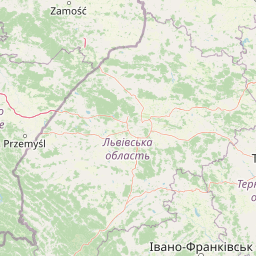
Map view of Kacze Błota Nature Reserve

Use this park location map to pinpoint Kacze Błota Nature Reserve in Poland, understand its exact geographic position, and read its mapped placement within the surrounding landscape more clearly.

Pigeon | © OpenStreetMap contributors

Location context for Kacze Błota Nature Reserve

Lublin Voivodeship
Park atlas

Compare surrounding peatlands, forests, and regional nature reserves

Exploring Parks Near Kacze Błota and Protected Landscapes Across the Region

Browsing other protected areas near Kacze Błota reveals the wider ecological gradient connecting sandy upland pine forests to waterlogged peatland basins. Examining adjacent regional reserves expands geographic perspective across the transitional terrain of eastern Poland.
Protected areaPoland
Mapped location lies within the park boundary#1 closest

West

Uroczyska Lasów Janowskich: Protected Forest and Wetland Geography in Eastern Poland

Mapping the extensive Natura 2000 lowland forest and peatland complexes

Spanning the Biłgoraj Plain and San River valley, Uroczyska Lasów Janowskich is a notable lowland forest complex in Poland. Its terrain integrates mature oak-hornbeam woods with diverse peatland systems, offering a clear look at how layered conservation strategies protect rare European habitats within a single continuous geographic block.

Area
345.443 km²
Established
2009
Relief
Lowland
Climate
Temperate
Nature reservePoland
About 1.7 km away#2 closest

Southeast

Uroczyska Puszczy Solskiej: Protected Forest and Peatland Landscape in Eastern Poland

Natura 2000 nature reserve encompassing diverse lowland forest mosaics

Uroczyska Puszczy Solskiej spans over 34,000 hectares of eastern Poland, forming a vital protected mosaic of raised bogs, transitional mires, and varied forest communities. This area provides a crucial reference for peatland and wetland ecology, supporting a wide range of forest-dependent species within a landscape shaped by glacial and fluvial processes.

Area
346.715 km²
Established
2009
Relief
Lowland
Climate
Temperate
Watercolor painting of a lake surrounded by trees and hills under a pale sky
National parkLublin Voivodeship
About 23 km away#3 closest

South

Roztocze National Park: Geographic Insights into Poland's Premier Upland Protected Forest Area

Mapping forest heritage and river valleys in the Lublin Voivodeship.

Roztocze National Park offers a detailed look at one of Poland's most significant upland protected landscapes. Explore the distribution of ancient monument trees, the expansive Wieprz river valley, and the diverse terrain of the Roztocze range. This overview provides a clear understanding of the park's physical boundaries, forest ecosystems, and its role as a critical wildlife corridor within the broader Lublin Voivodeship geography.

Area
84.83 km²
Established
1974
IUCN
II
Visitors
134K annual
Watercolor painting of a tranquil wetland landscape with a river flowing through lush green trees and soft, rolling hills in the background.
National parkLublin Voivodeship
About 23 km away#4 closest

East

Roztoczański Park Narodowy: Mapping the Protected Upland Ridges and Forest Ecosystems

Geographic overview of the Lublin Voivodeship wilderness zone.

The Roztoczański Park Narodowy preserves a vital expanse of temperate mixed forest across the Roztocze upland. This protected area features a unique intersection of Western and Eastern European flora, sheltered within a landscape of geological ridges, winding river valleys, and rare peat bogs. The park represents a key study in regional conservation through its strictly managed forest reserves and the restoration of the Polish konik horse.

Area
84.83 km²
Established
1974
Visitors
134K annual
Relief
Upland
Protected landscapeLublin Voivodeship
About 26 km away#5 closest

East

Szczebrzeszyński Park Krajobrazowy: Protected Area Mapping in the Lublin Voivodeship

Highland forests, loess gullies, and protected peatland habitats

The Szczebrzeszyński Park Krajobrazowy forms a critical part of the regional Roztocze protected network. Its geography combines high-altitude forested hills, the deeply carved Piekiełko ravine system, and open bog woodland, providing a comprehensive mapped overview of the Western Roztocze highlands.

Area
193.71 km²
Established
1991
Relief
Upland
Climate
Temperate
Nature reserveLubelskie Voivodeship
About 40 km away#6 closest

Northwest

Szczecyn Nature Reserve: Mapping Protected Deciduous Forest Habitats in Eastern Poland

A vital mosaic of oak-hornbeam forest enclaves and nature reserves.

Szczecyn functions as a specialized Natura 2000 conservation landscape, spanning four forest enclaves across the border of the Lubelskie and Podkarpackie voivodeships. This site provides an essential reference for lowland deciduous forest protection, emphasizing the preservation of old-growth oak-hornbeam stands and thermophilic habitats. The area serves as a critical refuge for rare flora and invertebrates within a broader agricultural mosaic.

Area
9.325 km²
Established
2011
Relief
Upland
Climate
Temperate
Nature reservePoland
About 40 km away#7 closest

East

Rezerwat przyrody Debry Nature Reserve: Geography, Forest Ecology, and Protected Boundaries

Exploring the Carpathian-linked landscapes of the Polish Roztocze

Rezerwat przyrody Debry stands as a significant nature reserve in eastern Poland, known for protecting a mosaic of upland fir and fertile beech forest communities. The landscape features deep, characteristic erosional incisions that host a rich array of montane plant species. This area is essential for understanding the regional distribution of protected forest ecosystems and the complex relief of the Roztocze plateau.

Area
1.796 km²
Established
1983
Relief
Upland
Climate
Temperate
Nature reserveLublin Voivodeship
About 46 km away#8 closest

Northwest

Rezerwat przyrody Doły Szczeckie: Upland Forest and Karst Landscape Geography in Lublin Voivodeship

A protected nature reserve featuring distinct ravine systems and ancient beech stands

Rezerwat przyrody Doły Szczeckie is defined by its dissected, scenic karst terrain featuring a network of dry valleys and deep gorges. Located in the Lublin Voivodeship, this nature reserve protects significant stands of European beech and hornbeam that anchor the region's broader broadleaf forest identity. Use this data to understand the elevation shifts and boundaries that shape this distinct patch of protected Polish landscape.

Area
2.036 km²
Established
1997
Relief
Upland
Scope
Terrestrial

Common questions about visiting, size, designation, and location context for Kacze Błota Nature Reserve

Kacze Błota Nature Reserve FAQs for park facts, access, geography, and protected area context

Find quick answers about Kacze Błota Nature Reserve, including protected-area facts, park geography, trail and visitor context, and how the park fits into its surrounding country and regional landscape.
MoriAtlas Explorer

Continue Your Protected Areas Search Across the Global Atlas

Deepen your exploration by continuing the structured search for national parks and protected areas worldwide. Utilize the comprehensive filtering capabilities to compare different conservation landscapes and refine your understanding of global park geography. Discover more about the distribution and characteristics of protected natural areas.

Global natural geography