Why Krinertseen Nature Reserve stands out
Krinertseen is known for the combination of two contrasting lake types, mesotrophic-alkaline lakes and an oligotrophic bog formed by lake succession, set within a quiet glacial landscape of the Uckermark. Its designation highlights the protection of these specific water and mire habitats, which are increasingly uncommon in the cultivated landscape of Brandenburg.

Krinertseen Nature Reserve history and protected-area timeline
The Krinertseen area was placed under formal nature protection on 1 October 1990, as part of a broader ordinance issued on 12 September 1990 that established the Schorfheide-Chorin Biosphere Reserve and a series of component nature reserves within it. The designation came at a pivotal moment in the region, shortly after German reunification, when the conservation status of areas in what had been East Germany was being systematically reviewed and upgraded.
Within the biosphere reserve framework, Krinertseen was assigned protected area number 1048 and designated as both a nature reserve and a total reserve (Totalreservat). This dual designation reflects the intent not only to conserve the area but also to allow ecological processes to continue largely without human intervention. The official rationale for protection recorded in the ordinance emphasizes the conservation of threatened habitat types, especially mesotrophic-alkaline lakes and oligotrophic transitional mires, alongside the recognized natural beauty and distinctiveness of the local landscape.
Krinertseen Nature Reserve landscape and geographic character
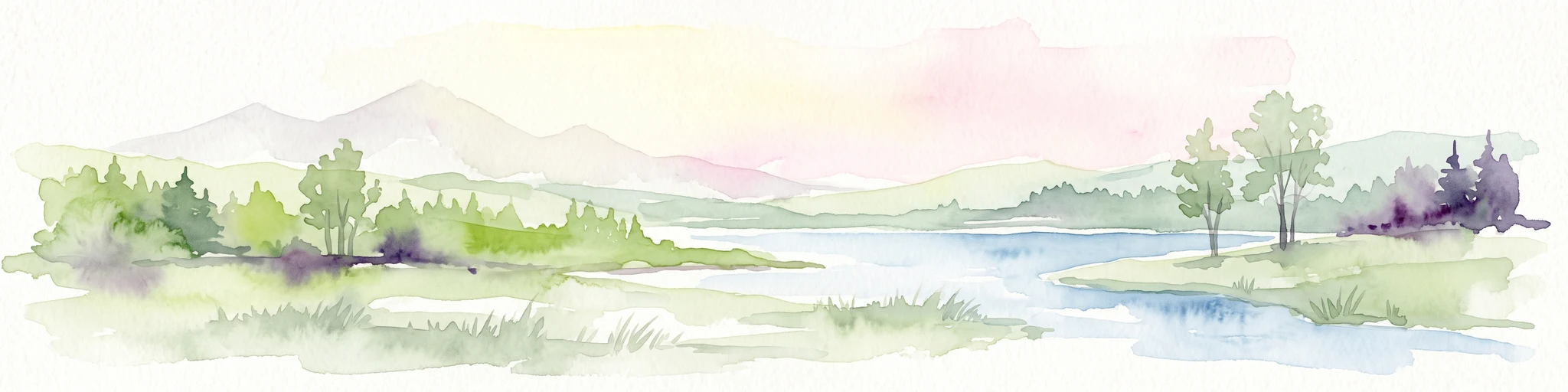
The landscape of Krinertseen is anchored by two lakes set within the gently undulating terrain of the Uckermark, a region shaped by Pleistocene glaciation. The larger Großer Krinertsee and the smaller Kleiner Krinertsee are the focal points of the reserve, connected through hydrological processes and surrounded by a fringe of wetland vegetation that gradually yields to bog communities along the lake margins.
Outside the immediate lakeshore zone, the terrain transitions into a mixture of wet woodland, mixed forest, and open transitional landscapes typical of Brandenburg's morainic countryside. The reserve includes a Verlandungsmoor, a classic lake-succession mire where open water is gradually being replaced by reedbeds, sedge mats, and peat-forming vegetation. Other nearby water bodies, such as the Klarer See to the north and the Düstersee to the east, add to the broader pattern of small glacial lakes that characterize the surrounding region.
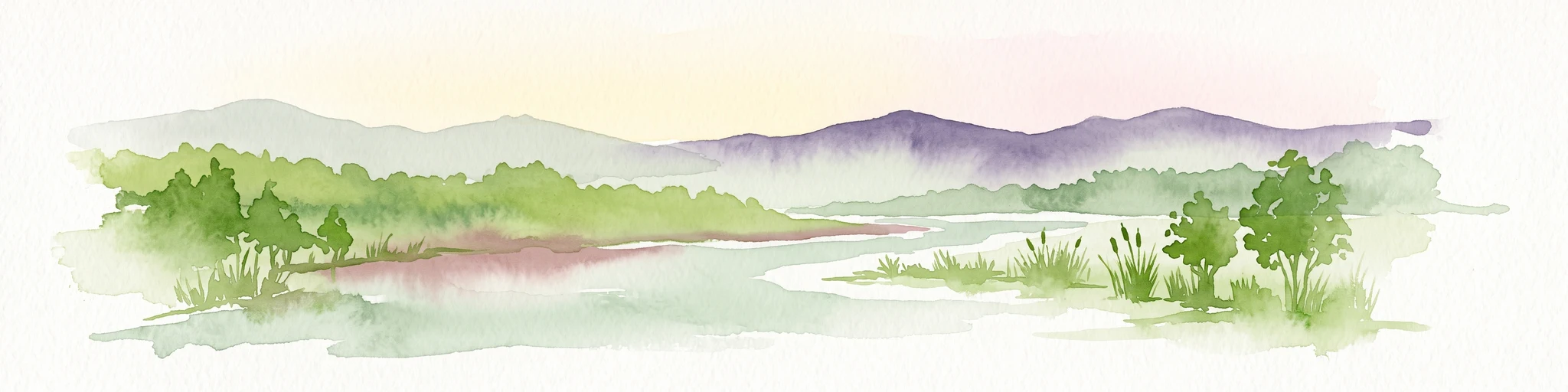
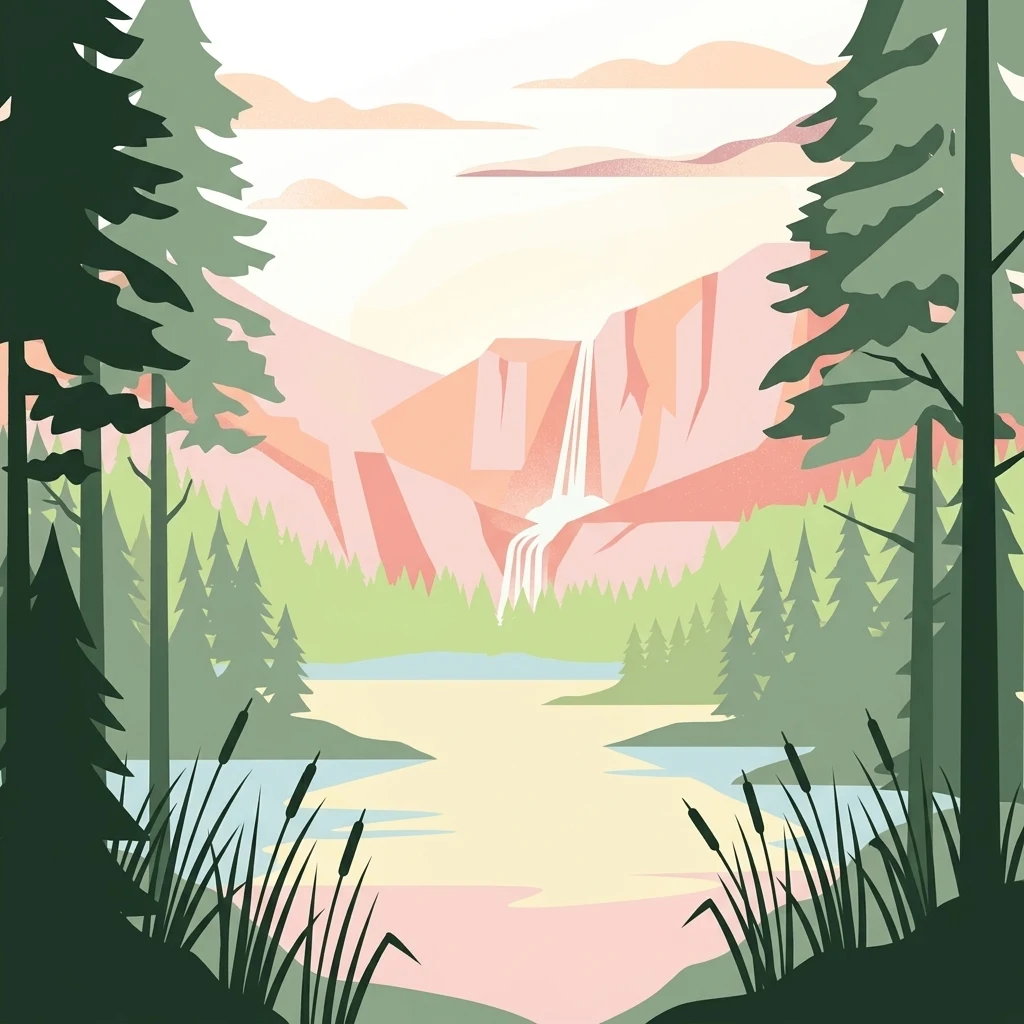
The visible landforms and vegetation patterns reflect both the natural processes of lake aging and the conservation management that has shaped the modern reserve. Quiet boreal-looking forest stands, bog openings, and reflective lake surfaces together create the visual character that led to the area being recognized not only for its ecological importance but also for its particular natural beauty.
Krinertseen Nature Reserve ecosystems, habitats, and plant life
Krinertseen protects a specialized ecological system defined by the coexistence of two contrasting lake types and the bog communities that develop between them. The mesotrophic-alkaline character of the lakes gives them a particular water chemistry that supports distinctive aquatic plant communities, while the surrounding oligotrophic transitional mire reflects nutrient-poor, peat-forming conditions typical of lake succession in glacial landscapes.
The mosaic of open water, reed zone, floating vegetation mats, and peatland forms a gradient of habitats within a compact area. This kind of lake-and-mire transition is increasingly rare in heavily cultivated or drained landscapes, and the reserve's designation specifically aims to maintain both the hydrological conditions and the vegetation patterns that sustain it. The surrounding forest and wetland matrix provides additional habitat connectivity within the larger Schorfheide-Chorin biosphere landscape.
Overall, the reserve functions as a small but representative example of Brandenburg's lake-rich ecological heritage, where protected status has been used to safeguard both rare habitat types and the ecological processes that maintain them.
Krinertseen Nature Reserve wildlife and species highlights
The wildlife significance of Krinertseen lies primarily in the habitat complexity of its lake-and-mire system rather than in any single prominent species. The combination of open water, reed belts, floating mats, and bog vegetation creates conditions favorable for a variety of aquatic and wetland-dependent animal groups, including waterbirds, amphibians, and invertebrates tied to specific vegetation zones or water chemistry.
The surrounding forests and the broader biosphere reserve context add further habitat value, supporting woodland species typical of the mixed and boggy forests of the Uckermark. Because the reserve includes a Totalreservat designation, parts of it are managed with minimal direct human intervention, allowing more sensitive fauna and ecological processes to persist with reduced disturbance.
Krinertseen Nature Reserve conservation status and protection priorities
Krinertseen holds conservation value primarily because of the specific and increasingly rare habitats it protects: mesotrophic-alkaline lakes and oligotrophic transitional mires. Both habitat types are vulnerable to changes in water chemistry, drainage, nutrient inputs, and shoreline development, and they have become uncommon across much of the cultivated North European Plain.
The reserve's protection stems from its 1990 designation as part of the establishment of the Schorfheide-Chorin Biosphere Reserve, one of the largest and most ecologically significant biosphere reserves in Germany. Within that framework, Krinertseen benefits from coordinated regional planning that links it to neighboring protected areas, helping to maintain habitat continuity in a landscape historically affected by forestry, agriculture, and settlement. The dual status as both a nature reserve and a Totalreservat underlines the intent to protect not only individual species or habitats but also broader ecological processes and wilderness character.
Krinertseen Nature Reserve cultural meaning and human context
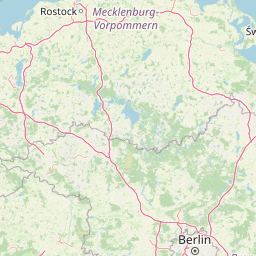
The Krinertseen area lies in the rural Uckermark region, historically characterized by small villages, agricultural land use, and a landscape shaped by centuries of forest and water management. The village of Temmen, located to the northwest of the reserve, reflects the traditional settlement pattern of the area, with the surrounding lakes and forests long forming part of the local economic and cultural environment.
The modern conservation designations of the area, established in the early 1990s, mark a transition from a landscape primarily valued for resource use to one recognized for its ecological and aesthetic importance. Within the biosphere reserve framework, the area is part of a broader approach that seeks to balance conservation, regional development, and the cultural heritage of the Schorfheide-Chorin landscape.
Top sights and standout views in Krinertseen Nature Reserve
Krinertseen stands out for the tight interplay between two mesotrophic-alkaline lakes and an oligotrophic transitional bog within a single compact reserve. Its position inside the Schorfheide-Chorin Biosphere Reserve links it to one of Germany's most important large-scale conservation landscapes. The combination of rare water and mire habitats, Totalreservat status, and a quiet glacial landscape gives the area a distinctive ecological identity that is uncommon at this scale.
Best time to visit Krinertseen Nature Reserve
The reserve is best appreciated in seasons when water levels, bog vegetation, and surrounding forests are at their most expressive: late spring and early summer bring active vegetation growth along the lake margins and in the mire, while early autumn can offer calm, reflective conditions over the lakes and intensely colored surrounding woodland. Winter brings a stark, quiet character, with frozen or partially frozen lake surfaces emphasizing the area's glacial origins. Visitors should generally treat the area as a quiet landscape for walking and observation rather than a site with developed visitor infrastructure.