Mori Atlas logo
Marine protected areaLoch Sunart to the Sound of Jura Marine Protected Area

A detailed look at the geomorphology and protected habitats of this expansive western Scottish seascape.

Loch Sunart to the Sound of Jura Marine Protected Area: Mapping Scottish Marine Landscapes

The Loch Sunart to the Sound of Jura Marine Protected Area encompasses a varied sequence of sea lochs, sounds, and firths along the western seaboard of Scotland. This protected zone serves as a critical stronghold for common skate while preserving distinct Quaternary geological features on the seabed. Through this atlas, discover the interconnected basins, sills, and channels that define this significant marine environment.

marine protected areaScotlandwest coastsea lochcommon skateQuaternary geology

Loch Sunart to the Sound of Jura Marine Protected Area

Marine protected area

Park overview

Structured park overview, official facts, and landscape profile for Loch Sunart to the Sound of Jura Marine Protected Area

Loch Sunart to the Sound of Jura Marine Protected Area park facts, protected area profile, and essential visitor context

Review the core facts for Loch Sunart to the Sound of Jura Marine Protected Area, including designation, size, terrain, visitor scale, habitats, and operating context in one park-focused overview.

About Loch Sunart to the Sound of Jura Marine Protected Area

Loch Sunart to the Sound of Jura MPA is a marine protected area that has been integrated into Scotland's wider network of marine conservation sites since 2014. It covers a substantial arc of inshore and offshore sea along the western coast of Scotland, embracing a varied seascape of deep sea lochs, navigable sounds between islands, and broad firths. Together, these waters reflect the drowned glacial landscape that shapes much of the western Scottish coast.

The site's identity is shaped by its geography. Loch Sunart is a long, narrow sea loch penetrating deep into the mainland, while the Sound of Mull separates the Isle of Mull from the Ardnamurchan peninsula. Further south, the Firth of Lorne opens between the mainland and the islands of Mull, Lismore, and Kerrera, and the Sound of Jura extends between the Jura and Islay archipelago and Kintyre. Reading the MPA as a whole reveals a network of channels and basins rather than a single continuous body of water, with each stretch contributing subtly different depth conditions, sediment types, and exposure to open Atlantic swell.

Ecologically and geologically, the protected area is defined by two main conservation priorities. The first is the population of common skate, a large bottom-dwelling elasmobranch whose juveniles and adults are found in deeper loch and channel waters. The second is the suite of Quaternary features on the seabed, which provide evidence of past glacial and post-glacial processes that have shaped this coast.

Management of the site is grounded in Scotland's national approach to marine protection, with restrictions placed on activities that could harm the seabed or disturb the species and habitats the MPA is intended to safeguard. As a Category IV protected area under the IUCN framework, the site reflects a management approach focused on conservation through targeted regulation rather than complete exclusion of human activity.

Quick facts and research context for Loch Sunart to the Sound of Jura Marine Protected Area

Loch Sunart to the Sound of Jura MPA is located off the west coast of Scotland in the Lochaber region, covering adjacent sea lochs, sounds, and a firth. It encompasses approximately 74,100 hectares of sea along the western seaboard between the Scottish mainland and the Hebridean islands.

The protected area was designated in 2014 and is administered by Marine Scotland on behalf of the Scottish Government. It is recognised internationally as an IUCN Category IV protected area, reflecting a focus on targeted management of habitats and species rather than full exclusion of human activity.

Protection and recognition

Documented marine protection scope, governance metrics, and recognition records

Loch Sunart to the Sound of Jura Marine Protected Area Protection Status

Loch Sunart to the Sound of Jura Marine Protected Area maintains a documented marine protection scope within coastal conservation frameworks. Official records assemble management designations and international recognition parameters without supplementary governance metrics.

Protection details

Protection scope
Marine
Transboundary protection
No
Park context

Deeper park guide and search-rich context for Loch Sunart to the Sound of Jura Marine Protected Area

Loch Sunart to the Sound of Jura Marine Protected Area history, landscape, wildlife, and travel context

Explore Loch Sunart to the Sound of Jura Marine Protected Area through its history, landscape character, ecosystems, wildlife, conservation priorities, cultural context, and seasonal travel timing in a structured park guide built for atlas discovery and search intent.

Why Loch Sunart to the Sound of Jura Marine Protected Area stands out

The Marine Protected Area is best known for protecting one of the most important remaining populations of common skate in the waters around Britain. Common skate, once widespread across the north-east Atlantic, have declined sharply across most of their range, making well-managed strongholds ecologically significant. Equally importantly, the MPA preserves Quaternary geological features on the seabed, which record the legacy of Pleistocene glaciation and sea level change. These features combine with the area's sea lochs, sounds, and varied subtidal habitats to give the site a distinctive dual identity of biological and geomorphological value.

Loch Sunart to the Sound of Jura Marine Protected Area history and protected-area timeline

Loch Sunart to the Sound of Jura Marine Protected Area was formally designated in 2014, becoming part of the expanding Scottish network of marine protected areas developed under the Scottish Government. Its creation reflected growing recognition of both the ecological importance of the waters around Scotland's western coast and the need to manage damaging seabed activities more carefully.

The MPA was proposed with two clear priorities in mind: the conservation of common skate and the protection of Quaternary seabed features. These values brought the area into Scotland's broader effort to identify sites that meet national and international criteria for marine biodiversity and geodiversity protection.

Following designation, Marine Scotland has been responsible for operating the site on behalf of the Scottish Government, enforcing regulations that reflect the conservation objectives set out at the time of designation.

Loch Sunart to the Sound of Jura Marine Protected Area landscape and geographic character

The seascape covered by the MPA is one of the most varied in western Scotland. Loch Sunart itself is a long sea loch reaching far into the mainland, with steep, wooded shorelines and a relatively narrow entrance. The Sound of Mull, immediately south, is a wider, more open channel separating the Isle of Mull from the Ardnamurchan peninsula, with currents shaped by the narrowness of the surrounding straits.

Further south, the Firth of Lorne broadens considerably into a wider expanse of water dotted with islands, including Lismore and Kerrera, while the Sound of Jura extends as a long, open passage between the Jura group and the Kintyre peninsula. Together these four sea areas present a sequence of basins, channels, sills, and slopes, producing a bathymetric diversity that supports varied sediment and habitat conditions. Above the waterline, the surrounding scenery remains characteristically Highland and Hebridean, with rugged peninsulas, low rocky islands, and distant views towards Mull, Jura, and the interior mountains of the western Highlands.

Loch Sunart to the Sound of Jura Marine Protected Area ecosystems, habitats, and plant life

Ecologically, the MPA spans a transition zone between sheltered sea loch environments and more open, tidally influenced Atlantic waters. Loch Sunart itself is relatively sheltered, with deeper basins and muddy basins, while the Sound of Mull, Firth of Lorne, and Sound of Jura include more dynamic channels, sills, and variable substrates that range from soft sediments to coarser gravel and mixed ground.

These differing physical conditions support varied benthic communities and associated fish populations. The combination of sheltered sea loch basins and open channels creates a gradient of habitat complexity that tends to support a richer mix of marine life than any single habitat type alone. The MPA's habitat diversity is therefore as important to its ecological character as the particular species and features for which it was formally designated.

Quaternary geological features preserved in the seabed complement this habitat diversity, recording processes such as glacial scouring, sediment deposition, and sea level change that have shaped the present-day coastal landscape.

Loch Sunart to the Sound of Jura Marine Protected Area wildlife and species highlights

The headline wildlife value of the MPA is its population of common skate, a large-bodied skate historically found across much of the north-east Atlantic but now reduced to scattered strongholds. The waters around the western Scottish coast are recognised as one of the areas where these animals still occur in meaningful numbers, and the MPA was designated with this population specifically in mind.

Beyond common skate, the varied sea lochs, sounds, and firths covered by the protected area support broader communities of fish, invertebrates, and seabed-dwelling species typical of the west Highland and Hebridean marine environment. While the MPA's specific regulatory focus is on common skate and seabed integrity, the wider assemblage of marine life present reflects the structural diversity of the underlying habitats, from the quieter basins of Loch Sunart to the more exposed channels of the Sound of Jura.

Loch Sunart to the Sound of Jura Marine Protected Area conservation status and protection priorities

The conservation significance of Loch Sunart to the Sound of Jura MPA lies in its position as a recognised refuge for common skate and in its role in safeguarding important seabed features. Because common skate have declined sharply across most of their former range, well-managed strongholds such as this are increasingly important for the long-term persistence of the species in the waters around Britain.

The site also contributes to the protection of Quaternary geology, preserving evidence of past glacial and post-glacial processes in the seabed. This combination of biodiversity and geodiversity objectives places the MPA at the intersection of two strands of marine conservation that are often addressed separately.

Management is implemented through restrictions on fishing practices that damage the seabed or interact most heavily with the species of concern. Suction dredging, mechanical dredging, beam trawling, demersal trawling, and longline fishing are all prohibited within the site, reflecting a precautionary approach to managing activity that could otherwise undermine the area's values.

Top sights and standout views in Loch Sunart to the Sound of Jura Marine Protected Area

The most distinctive highlight of the Loch Sunart to the Sound of Jura MPA is its designation as a stronghold for common skate in an era when the species has been lost from much of its former range. This single biological value gives the site outsized importance within the broader UK conservation picture.

Equally distinctive is the geographical span of the protected area itself: a single marine designation stretching across Loch Sunart, the Sound of Mull, the Firth of Lorne, and the Sound of Jura. Few marine protected areas in Scotland cover such a varied sequence of connected sea lochs, sounds, and firths along the western seaboard.

Layered on top of these features is the MPA's Quaternary geology, which adds a geological dimension to a site where most marine conservation attention tends to focus on biological values. The combination of common skate protection, habitat and species management, and seabed geological heritage makes the MPA a site with multiple, mutually reinforcing reasons for protection.

Best time to visit Loch Sunart to the Sound of Jura Marine Protected Area

Seasonal conditions in and around the Loch Sunart to the Sound of Jura MPA are shaped by the wider west Highland and Hebridean climate. Winters are typically the quietest and stormiest time of year, with rougher seas, shorter daylight, and limited opportunity to appreciate the area's scenery from the water.

Late spring through early autumn tends to bring calmer conditions, longer days, and warmer sea surface temperatures, when boat-based appreciation of the area is most feasible and coastal viewpoints are most accessible. Late summer and early autumn can also offer a sense of seasonal transition, as light softens over the surrounding peninsulas and islands. Because the site is primarily a marine conservation designation, any visit-oriented timing should be understood as general climatic context rather than precise access guidance, and the area's protected status means conditions for marine life, rather than visitor programming, are the main driver of seasonal change.
Monthly climate preview

Long-term representative measurements of temperature and precipitation across twelve monthly intervals

Climate Normals and Annual Weather Patterns for Loch Sunart to the Sound of Jura Marine Protected Area

Representative coordinates record baseline monthly temperature and precipitation rhythms across a sustained thirty-year climatology period for Loch Sunart to the Sound of Jura Marine Protected Area. Detailed monthly breakdowns provide expanded long-term climate normals for comparison against regional protected areas and coastal marine habitats.
Annual mean8 °C
4 °C13 °C
Jan
Feb
Mar
Apr
May
Jun12°
Jul13°
Aug13°
Sep12°
Oct
Nov
Dec
Warmest month
July

13.4 °C

Coolest month
February

3.9 °C

Wettest month
January

6.5 mm/day

Driest month
May

3.3 mm/day

Park location guide

Geography guide, regional context, and park location map for Loch Sunart to the Sound of Jura Marine Protected Area

Loch Sunart to the Sound of Jura Marine Protected Area park geography, regions, and map view in United Kingdom

Understand where Loch Sunart to the Sound of Jura Marine Protected Area sits in United Kingdom through a broader geographic reading of the surrounding landscape, nearby location context, and its mapped position within the national park landscape.

How Loch Sunart to the Sound of Jura Marine Protected Area fits into United Kingdom

The United Kingdom is a parliamentary constitutional monarchy located in northwestern Europe, consisting of four constituent countries: England, Scotland, Wales, and Northern Ireland. As a major global power with over 69 million residents, it maintains significant international influence in politics, economics, and culture.

Wider geography shaping Loch Sunart to the Sound of Jura Marine Protected Area in United Kingdom

The United Kingdom is an island nation located in northwestern Europe, surrounded by the Atlantic Ocean, North Sea, English Channel, Celtic Sea, and Irish Sea. It shares a land border with the Republic of Ireland to the west. The territory includes the island of Great Britain, the northeastern portion of Ireland, and most of the smaller British Isles islands.

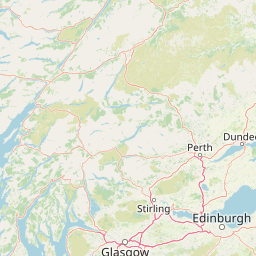
Map view of Loch Sunart to the Sound of Jura Marine Protected Area

Use this park location map to pinpoint Loch Sunart to the Sound of Jura Marine Protected Area in United Kingdom, understand its exact geographic position, and read its mapped placement within the surrounding landscape more clearly.

Pigeon | © OpenStreetMap contributors

Location context for Loch Sunart to the Sound of Jura Marine Protected Area

Scotland
Park atlas

Compare adjacent marine reserves and connected protected landscapes along the Scottish seaboard.

Parks Near Loch Sunart to the Sound of Jura Marine Protected Area

Browse protected areas near Loch Sunart to the Sound of Jura Marine Protected Area to evaluate surrounding marine habitats and coastal geography. Expanding the regional park comparison reveals wider conservation patterns across the rugged western Highlands.
Marine protected areaArgyll and Bute
About 14 km away#1 closest

Northeast

Loch Creran Marine Protected Area: Atlas and Coastal Geography of Argyll and Bute

Mapped tidal basins, flame shell reefs, and Atlantic oakwood habitats

Loch Creran is a primary example of integrated marine and coastal conservation on the west coast of Scotland. Characterized by its long, narrow form and dramatic bathymetry, the loch creates a rich environment where rapid tidal currents meet sheltered forest shorelines. This record provides a detailed look at the geographic structure, protected seabed zones, and the transition from sea loch to the ancient woodlands at the head of the inlet.

Area
12 km²
Established
2014
IUCN
IV
Relief
Lowland
Protected landscapeArgyll and Bute
About 25 km away#2 closest

South

Scarba, Lunga and the Garvellachs National Scenic Area: Protected Island Geography

Coastal landscapes and tidal seascapes of Argyll and Bute

Gain insight into the distinct protected landscape of the Scarba, Lunga and the Garvellachs National Scenic Area. This area balances mountainous moorland with green meadows, while its submerged marine reefs and fierce tidal waters contribute to a complex ecological and geographic identity within the Firth of Lorn.

Area
65 km²
Established
1981
Relief
Upland
Climate
Temperate
Marine protected areaLochaber
About 32 km away#3 closest

North

Loch Sunart Marine Protected Area: Coastal Geography and Highland Seascape Atlas

Deep-water marine basins and protected Highland coastal terrain.

Discover the mapped landscape of Loch Sunart, a 31-kilometre sea loch in the Lochaber region of Scotland. This marine protected area is characterized by its complex underwater bathymetry, ranging from shallow tidal channels to deep basins reaching 124 metres, providing a unique look into the intersection of terrestrial Highland mountains and essential underwater bivalve and reef communities.

Area
49 km²
Established
2014
IUCN
IV
Relief
Lowland
Protected landscapeHighland
About 40 km away#4 closest

North

Morar, Moidart and Ardnamurchan National Scenic Area: Coastal Geography and Protected Lands

A mapped overview of peninsulas, lochs, and Highland terrain

Investigate the protected landscape of Morar, Moidart and Ardnamurchan. This area combines dramatic basalt cliffs, silver sands, and significant historical sites within a remote maritime setting. Gain clarity on the overlapping conservation zones and the complex geography that shapes this distinctive Scottish coastal region.

Area
369.6 km²
Established
1981
Relief
Mixed relief
Access
Moderate access
Watercolor illustration showing mountains, green forests, a loch, and a river in a landscape
National parkScotland
About 44 km away#5 closest

East

Loch Lomond and The Trossachs National Park: Mapped Landscapes and Terrain

Regional geography and protected Highland boundaries in Scotland

Loch Lomond and The Trossachs National Park covers a vast array of protected habitats, from coastal sea lochs to high-altitude Munros. This geographic profile outlines the park's position across the Highland Boundary Fault, highlighting its role as a core protected area for Caledonian forests and freshwater lake ecosystems within Scotland.

Area
1,865 km²
Established
2002
IUCN
V
Visitors
2.9M annual
A soft watercolor illustration depicting green rolling hills and a body of water in a minimalist style.
Marine protected areaArgyll and Bute
About 46 km away#6 closest

South

Loch Fyne Marine Protected Area and Highland Coastal Geography

Mapped sea loch landscapes in Argyll and Bute

Loch Fyne represents a unique intersection of maritime tradition and protected natural terrain. This entry maps the loch as it winds through the Cowal Peninsula, highlighting the contrast between northern mountain hinterlands and southern coastal inlets. Users can examine the extent of its protected waters, the surrounding topography, and its historical significance within the geography of western Scotland.

Established
2014
Relief
Mixed relief
Climate
Temperate
Access
Easy access
Marine protected areaArgyll and Bute
About 52 km away#7 closest

South

Loch Sween Marine Protected Area: Coastal Geography and Regional Atlas Map

A distinctive sea loch ecosystem in Argyll and Bute.

Investigate the coastal topography and protected marine boundaries of Loch Sween. This sea loch is defined by its irregular branching inlets and islands, creating a unique habitat mosaic of maerl beds and burrowed mud within the broader context of the western Scottish coastline.

Area
41 km²
Established
2014
IUCN
IV
Access
Access unknown
A soft, artistic watercolor painting of a Scottish sea loch surrounded by gentle, green hills against a faint mountainous background.
Marine protected areaArgyll and Bute
About 54 km away#8 closest

Southeast

Loch Goil Marine Protected Area: Geography and Landscape Overview

Protected marine habitats in the Argyll and Bute region

Loch Goil offers a distinct look at an enclosed, sea loch landscape in western Scotland. Surrounded by the Arrochar Alps and steep conifer slopes, this marine protected area demonstrates the intersection of Highland wilderness and formal conservation zones. Use this atlas resource to understand its topographical form and regional context.

Established
2014
Relief
Mountain
Climate
Temperate
Access
Moderate access

Common questions about visiting, size, designation, and location context for Loch Sunart to the Sound of Jura Marine Protected Area

Loch Sunart to the Sound of Jura Marine Protected Area FAQs for park facts, access, geography, and protected area context

Find quick answers about Loch Sunart to the Sound of Jura Marine Protected Area, including protected-area facts, park geography, trail and visitor context, and how the park fits into its surrounding country and regional landscape.
MoriAtlas Explorer

Continue Your Protected Areas Search Across the Global Atlas

Deepen your exploration by continuing the structured search for national parks and protected areas worldwide. Utilize the comprehensive filtering capabilities to compare different conservation landscapes and refine your understanding of global park geography. Discover more about the distribution and characteristics of protected natural areas.

Global natural geography