
Why Loch Lomond and The Trossachs National Park stands out
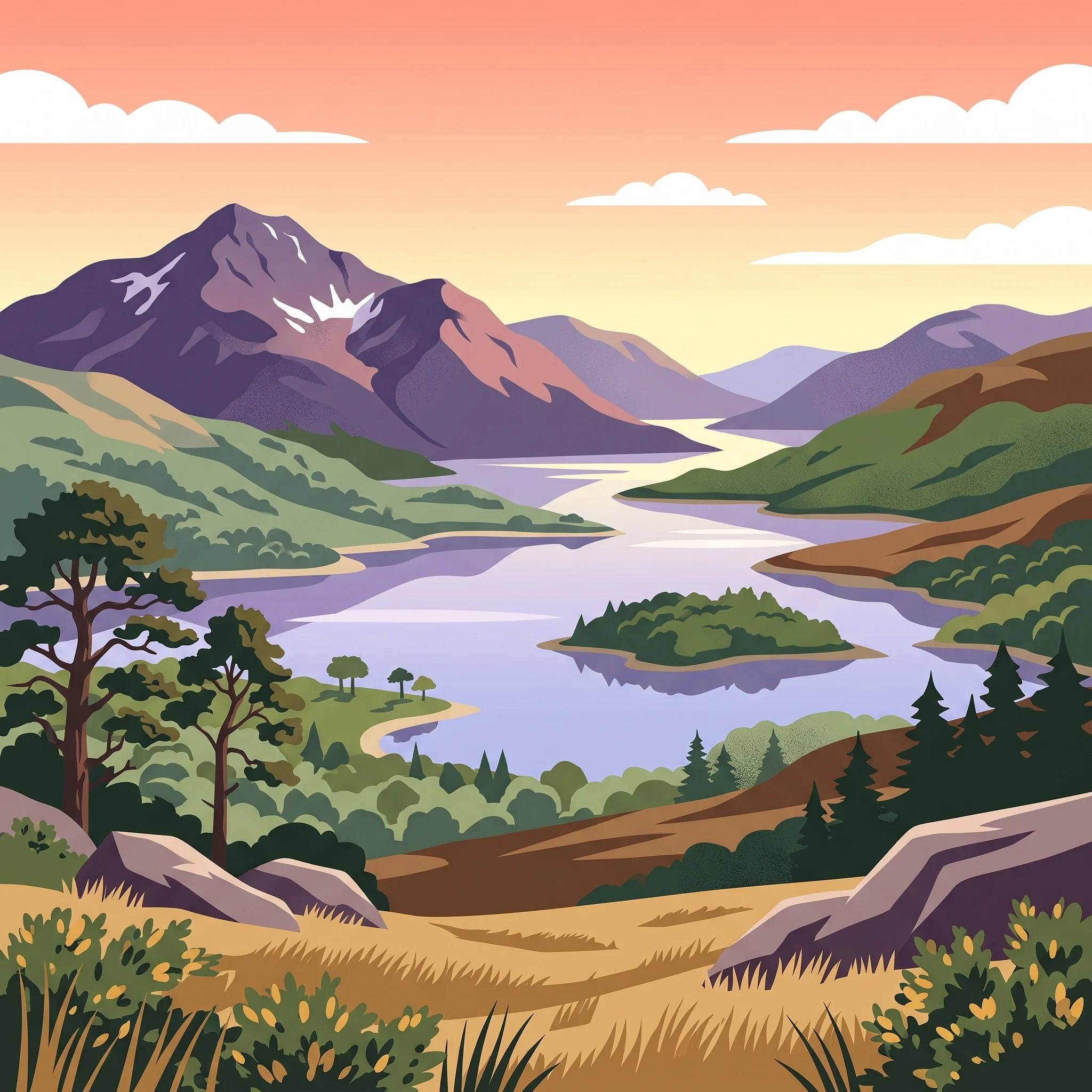
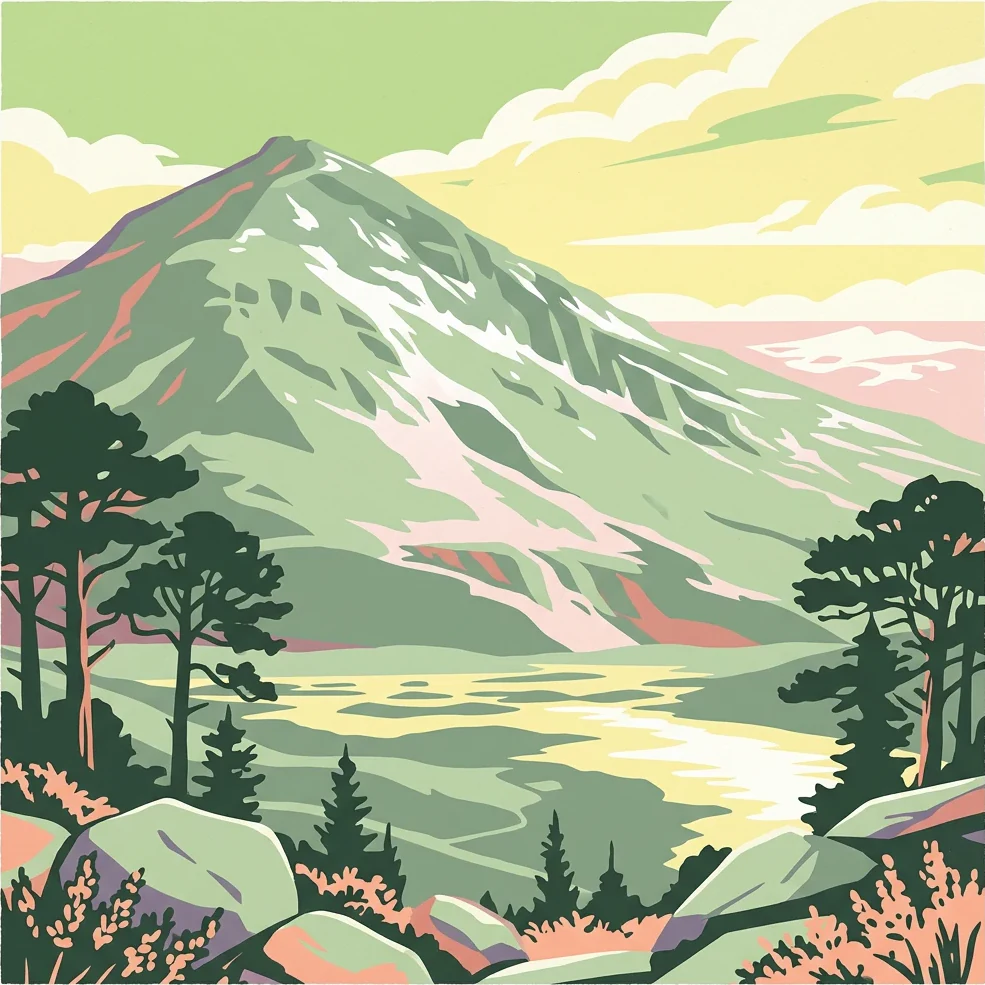
The park is best known for its combination of accessible Highland scenery, featuring prominently the iconic Loch Lomond with its islands and surrounding mountains. The Trossachs area represents a classic Scottish High landscape of wooded hills, misty glens, and sparkling lochs that has inspired visitors and writers for generations. The park protects significant remnants of Scotland's ancient Caledonian pine forest and supports populations of iconic Highland wildlife including golden eagles, red deer, red squirrels, and the rare capercaillie. The area is also famous for its outdoor recreation opportunities, particularly hillwalking, with peaks like Ben Lomond and The Cobbler being among the most climbed mountains in Scotland, and for water sports on Loch Lomond.
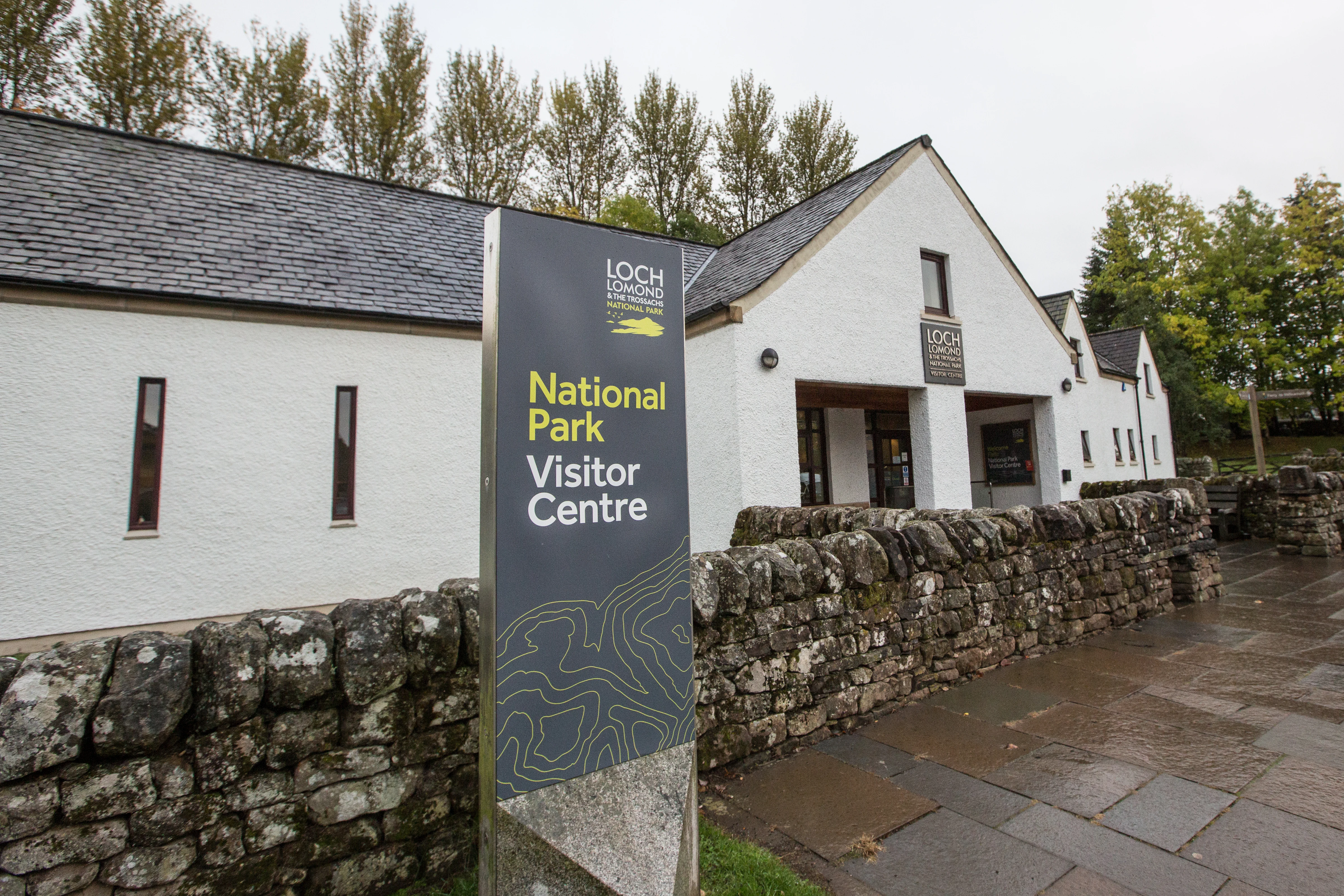
Loch Lomond and The Trossachs National Park history and protected-area timeline
The establishment of Loch Lomond and The Trossachs National Park represents the culmination of over half a century of advocacy and political debate about protecting Scotland's landscape. Following the Second World War, a committee was established to consider national parks in Scotland, and their 1945 report proposed national parks in five areas, including Loch Lomond and The Trossachs. The government designated these five areas as "National Park Direction Areas," giving powers for planning decisions to be reviewed by central government, but full national park status was not granted.
In 1981, the direction areas were replaced by National Scenic Areas, of which there are now 40 in Scotland. The 1990 Countryside Commission for Scotland produced a report recommending that four areas under particular pressure should be designated as national parks with independent planning boards, and again Loch Lomond and The Trossachs was among those identified. No action was taken until the establishment of the Scottish Parliament in 1999 under the Scotland Act 1998. The National Parks (Scotland) Act 2000 was one of the first pieces of legislation passed by the new parliament, and Loch Lomond and The Trossachs became Scotland's first national park on 1 July 2002.
The park authority operates under a broader mandate than English and Welsh national parks, with four aims specified in the legislation: conserving and enhancing natural and cultural heritage, promoting sustainable use of natural resources, promoting understanding and enjoyment of the area's special qualities, and promoting sustainable economic and social development of the area's communities.
Loch Lomond and The Trossachs National Park landscape and geographic character
The park's landscape is defined by the Highland Boundary Fault, a major geological feature that runs diagonally across Scotland and divides the park into two contrasting regions. South of the fault, the landscape is characterised by lower, more rolling hills, green fields, and cultivated agricultural land. North of the fault, the terrain becomes dramatically different, with steep mountains, deep glens, and a wilder character typical of the Scottish Highlands. This geological transition is most clearly visible at Loch Lomond, where the fault runs across the islands of Inchmurrin, Creinch, Torrinch, and Inchcailloch and over the ridge of Conic Hill.
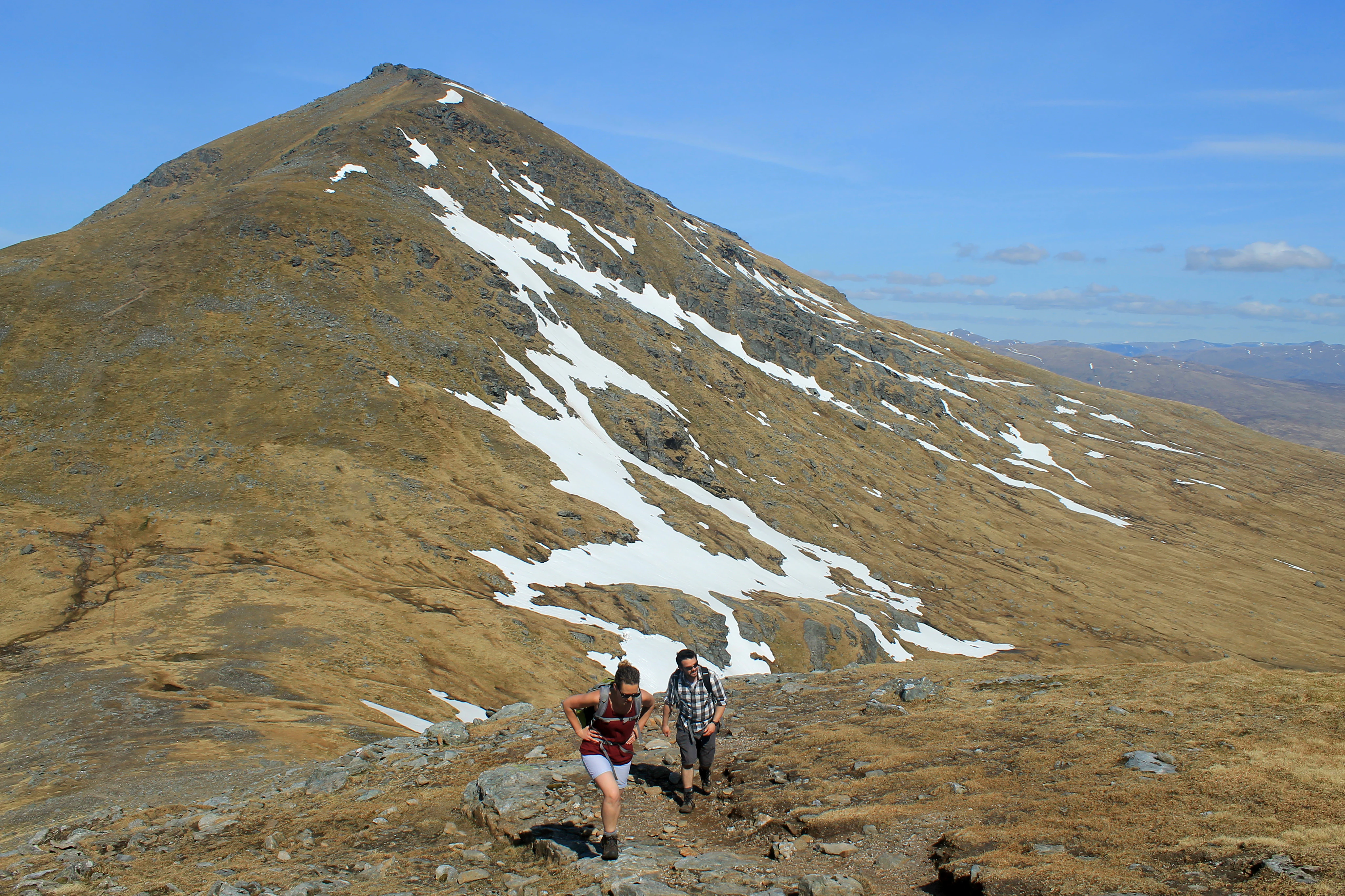
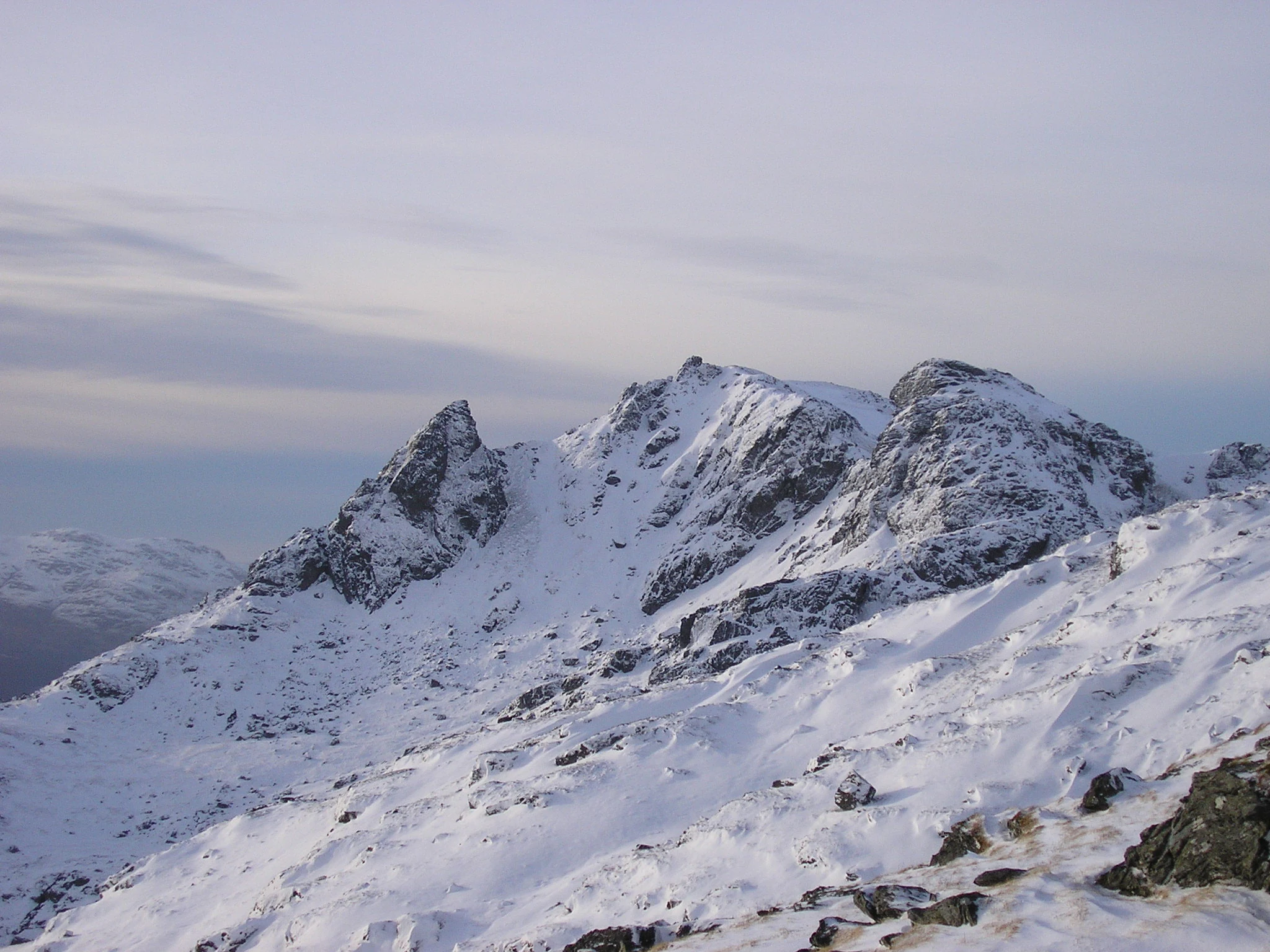
The park contains 22 large lochs and over 50 rivers and larger burns, making it one of Scotland's most lake-rich protected areas. Loch Lomond itself is the largest lake in Great Britain by surface area at 71 square kilometres, containing numerous islands including Inchmurrin, the largest freshwater island in the British Isles. The Trossachs, originally referring to a small woodland glen at the centre of the area, now describes a broader region of wooded hills, glens, and lochs to the east of Loch Lomond. The landscape features 21 Munros, including Ben Lomond on the eastern shore of Loch Lomond at 973.7 metres, and 20 Corbetts, giving the park excellent hillwalking terrain. The Arrochar Alps in the Cowal section provide particularly dramatic mountain scenery and are popular with climbers.
Loch Lomond and The Trossachs National Park ecosystems, habitats, and plant life
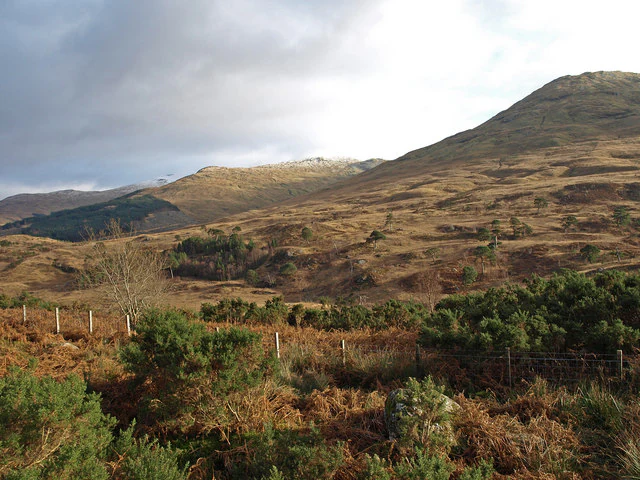
The park supports a remarkable diversity of habitats and ecological communities shaped by Scotland's varied geology, climate, and human history. Woodland covers approximately 30% of the park, with around 22.5% of the total area given over to commercial conifer plantations and 7.5% to native woodlands. The native woodlands include remnants of the Caledonian pinewoods, Atlantic oakwoods, and areas of wet woodland, representing what remains of forests that once covered much of Scotland. These native woodland areas are ecologically significant, supporting species adapted to old-growth forest conditions.
Higher ground in the park features important upland habitats including heathland, blanket bog, and willow scrub. The park's water environments are extensive, with 22 large lochs, 50 rivers and larger burns, and numerous smaller lochs, lochans, and burns. These freshwater environments support fish species including Atlantic salmon, trout, Arctic charr, powan, and various lamprey species. The park also includes 63 kilometres of coastline around three sea lochs (Loch Long, Loch Goil, and the Holy Loch), featuring rocky shores, cliffs, and areas of salt marsh and mudflats that support marine invertebrates and coastal bird populations.
Loch Lomond and The Trossachs National Park wildlife and species highlights
The park is home to over 200 bird species and more than a quarter of all plant species found in Britain, making it one of Scotland's most biodiverse protected areas. Iconic Highland species feature prominently in the park's wildlife population, including capercaillie, red deer, red squirrel, Scottish wildcat, golden eagle, peregrine falcon, black grouse, buzzard, and osprey. Many of these species are associated with Scotland's mountain and forest habitats and represent the ecological character of the Scottish Highlands.
The park also contains some unexpected wildlife inhabitants. A colony of wallabies has lived on Inchconnachan island in Loch Lomond since 1940, a legacy of a private collection. More recently, Eurasian beavers have colonised the park, with signs of beaver activity observed on Loch Achray in the Trossachs during a survey in 2017-18, believed to have spread from an existing population on the River Tay. The coastal areas support harbour seals and porpoises, while freshwater environments host populations of Atlantic salmon, trout, and the specialized Arctic charr and powan.
Loch Lomond and The Trossachs National Park conservation status and protection priorities
The park is classified as an IUCN Category V protected landscape, reflecting its designation as an area where the interaction of people and nature over time has produced significant natural and cultural values. Within the park, 63 sites hold some form of conservation designation, including eight Special Areas of Conservation and two Special Protection Areas under European nature legislation. Two of Scotland's National Scenic Areas, Loch Lomond NSA and the Trossachs NSA, lie wholly within the park.
The park contains two national nature reserves, Loch Lomond National Nature Reserve and The Great Trossachs Forest National Nature Reserve, both managed by partnerships involving the National Park Authority, conservation organisations, and government agencies. The Great Trossachs Forest represents one of the largest native woodland restoration projects in Scotland, creating a forested corridor connecting remnant Caledonian pinewoods. The park's conservation challenges include managing the tension between high visitor numbers and ecological sensitivity, balancing commercial forestry with native woodland restoration, and maintaining the semi-natural character of a landscape shaped by centuries of human activity.
Loch Lomond and The Trossachs National Park cultural meaning and human context
The Trossachs area holds a special place in Scottish cultural history, being one of the first parts of Scotland to become a recognised tourist destination. The region's association with the legendary outlaw Rob Roy MacGregor helped establish its romantic reputation in the 18th and 19th centuries. When James Boswell and Samuel Johnson visited in 1773 on their return from touring the Western Isles, Boswell noted that describing the area would be unnecessary as it was already so firmly established as a destination.
The area has long inspired artists, writers, and poets, with its combination of accessible mountain scenery, tranquil lochs, and mysterious glens embodying the romantic image of the Scottish Highlands. The park contains communities with deep roots in the landscape, including villages like Callander, Aberfoyle, Balmaha, Luss, and Killin. The population within the park, as recorded in the 2011 census, is 15,168. The West Highland Way, Scotland's first officially designated long-distance footpath, passes through the park along the eastern shore of Loch Lomond, connecting the area to the broader Scottish outdoor recreation tradition.
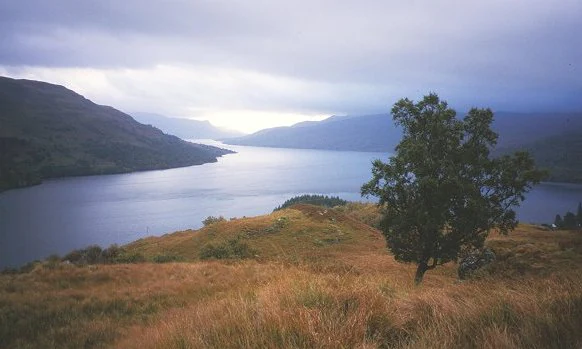
Top sights and standout views in Loch Lomond and The Trossachs National Park
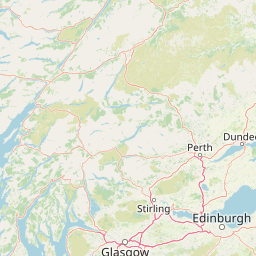
Loch Lomond stands as the park's centrepiece, Britain's largest lake by surface area, dotted with islands including the largest freshwater island in the British Isles. The Trossachs offer an accessible introduction to Highland scenery, with wooded hills, misty glens, and sparkling lochs. The park contains 21 Munros, including Ben Lomond, the most southerly Munro in Scotland and one of the most frequently climbed mountains in the country, and Ben More, the highest peak in the park. Significant areas of Caledonian pine forest and Atlantic oakwoods represent some of Scotland's most important native woodland habitats. The Arrochar Alps provide dramatic climbing terrain overlooking Loch Lomond. The park's location within easy reach of Glasgow and Edinburgh makes Highland scenery accessible to millions of people.
Best time to visit Loch Lomond and The Trossachs National Park
The park can be visited throughout the year, with each season offering different experiences and atmospheric qualities. Summer months typically bring the warmest weather and longest daylight hours, making them ideal for hillwalking, water sports, and exploring the outdoors, though this is also the busiest period. Autumn can bring dramatic lighting, particularly in the native woodlands as trees display their autumn colours, and the hills may be quieter than in summer. Winter offers the possibility of snow on the higher peaks and a quieter, more atmospheric experience of the landscape, though daylight hours are limited and some facilities may have reduced opening times. Spring brings the return of longer days and the opportunity to see wildlife emerging, with birdlife particularly active as species breed during this season. The park's proximity to the Central Belt means it can be enjoyed as a day trip year-round, though staying overnight allows for deeper exploration of the more remote areas.