Why Mabula Game Reserve stands out
Mabula Game Reserve is best known for combining a Big Five safari experience with a wider cast of African mammals, including both large antelope such as kudu, nyala, and eland and smaller iconic species such as meerkat-relatives, pangolins, and brown hyena. The reserve is also notable for its birdlife, with around 300 bird species recorded against a back-of-house habitat mix typical of the Waterberg. The park's identity is shaped by the fact that it pairs classic open-savanna game viewing with rocky, bush-covered terrain that supports less commonly seen species. The presence of both the conventional Big Five and the so-called little five (smaller animals named after their larger counterparts) gives Mabula a distinctive biodiversity profile within the Limpopo private reserve sector.
Mabula Game Reserve landscape and geographic character
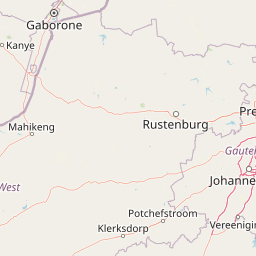
Mabula Game Reserve lies in a region where the South African interior transitions between the Waterberg massif and the warmer lowveld systems further north. The terrain within the reserve is shaped by this setting: rolling bushveld broken by rocky ridges and koppies, interspersed with more open grass-covered plains and patches of denser acacia and mopane woodland.
The reserve's water features and seasonal drainage lines add further structure to the landscape. These moister corridors support thicker vegetation and create natural concentration points for wildlife, while the rocky areas provide shelter for smaller mammals and raptors. The overall impression is one of classic African bushveld rather than montane or coastal scenery.
Climatically, the area falls within South Africa's summer-rainfall zone, with hot, wet summers and cooler, drier winters. This rhythm shapes both the vegetation cycles and the seasonal visibility of game, contributing to the broader character of the landscape experienced within the reserve.
Mabula Game Reserve ecosystems, habitats, and plant life
The dominant ecological character of Mabula is bushveld savanna, a habitat type that supports one of the densest large-mammal communities in Africa. Within this broad category, the reserve contains a mosaic of complementary microhabitats: grassy plains favored by grazers such as zebra, wildebeest, and various antelope; acacia and broad-leafed woodland used by browsers like kudu and giraffe; and rocky terrain that supports species less commonly seen in more open reserves.
The vegetation mosaic also supports a strong bird community, tying into broader Limpopo avifauna that includes both resident and migratory species. Reptiles and insects thrive in the warm climate, completing a food web that ranges from small invertebrates through to apex predators. The result is an ecosystem where the interdependence of habitats is visible in the daily patterns of wildlife movement and behavior.
The plant diversity of around 100 recorded species anchors the habitat structure, providing browsing material, shade, and seasonal resources that sustain the reserve's animal populations across the year.
Mabula Game Reserve wildlife and species highlights
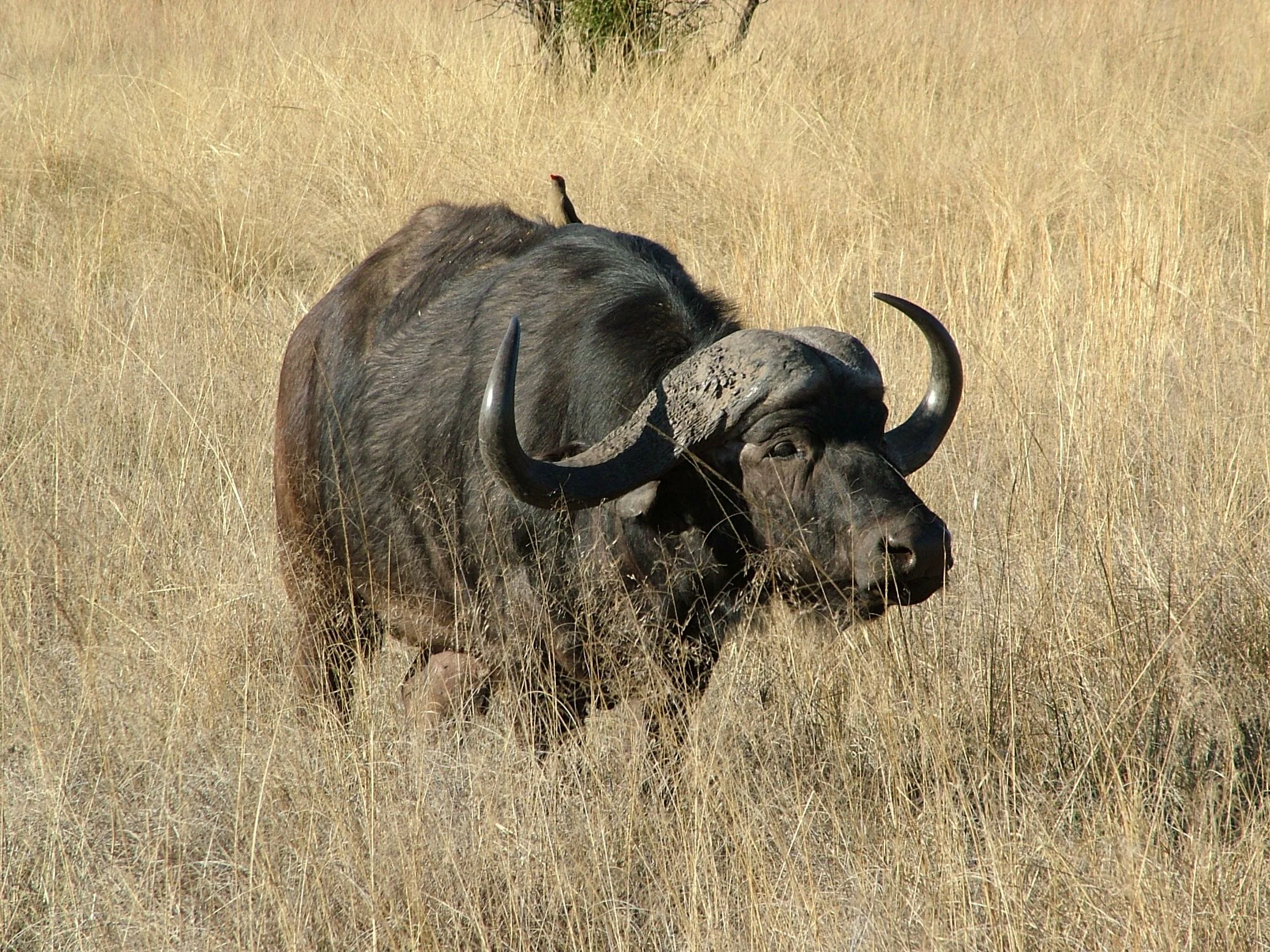
Mabula's wildlife profile centers on the Big Five: lion, leopard, elephant, rhinoceros, and Cape buffalo. Alongside these flagship species, the reserve hosts a wide array of predators including cheetah, caracal, serval, African wildcat, brown hyena, aardwolf, spotted hyenas, black-backed jackal, and African wild dog.
Antelope diversity is particularly strong, with species ranging from the small and secretive duiker and steenbok to the larger and more conspicuous eland, kudu, nyala, waterbuck, gemsbok, and tsessebe. This grazer-browser mix reflects the reserve's habitat variety and contributes to a stable prey base for the predator community.
The reserve is also known for hosting the so-called little five, smaller animals whose names echo the Big Five: elephant shrew, ant lion, leopard tortoise, buffalo weaver, and rhinoceros beetle. These offer a more whimsical counterpoint to the headline species.
Other recorded mammals include bushpig, warthog, hippopotamus, porcupine, aardvark, rock hyrax, pangolin, several mongoose species, vervet monkey, and chacma baboon. The bird checklist of roughly 300 species adds a substantial extra layer of wildlife interest, with raptors, waterbirds, and bushveld specialists all present in the reserve's mosaic of habitats.
Mabula Game Reserve conservation status and protection priorities
As a private game reserve of meaningful size, Mabula contributes to conservation in northern South Africa by maintaining a substantial block of connected bushveld habitat under formal protection. Its 12,000-hectare footprint allows it to support viable populations of large mammals over the long term, including wide-ranging predators such as leopard and wild dog.
The reserve's habitat mosaic, with both grazing and browsing opportunities and reliable water access in parts of the property, helps maintain ecological processes typical of the broader Waterberg and Limpopo bushveld systems. Protecting this range of microhabitats is important because many smaller species depend on specific vegetation or terrain features that are easily lost when landscapes are fragmented.
By operating as a tourism-funded conservation area, Mabula also plays a role in sustaining the regional wildlife economy, which in turn supports counter-poaching effort, monitoring, and habitat management at a scale that purely state-managed reserves do not always reach on their own.
Top sights and standout views in Mabula Game Reserve
Mabula Game Reserve stands out for combining Big Five game viewing with a much wider cast of African mammals and birds, giving it a richness uncommon for a privately operated reserve of its size. Its Limpopo bushveld setting provides a classic African safari backdrop, with open savanna, rocky koppies, and wooded drainage lines shaping the wildlife experience.
The presence of both large headline species and lesser-known mammals such as pangolin, aardvark, and brown hyena adds depth for visitors interested in the full breadth of African wildlife. With around 300 bird species also recorded, the reserve offers layered viewing opportunities across mammals, birds, and reptiles within a single destination.
Best time to visit Mabula Game Reserve
Mabula lies in South Africa's summer-rainfall region, so the dry winter months (roughly May to August) typically offer the best game viewing, as animals concentrate around remaining water sources and vegetation thins out, improving visibility. This period is also cooler and more comfortable for extended outdoor activity.
The wetter summer months (roughly November to March) bring lush vegetation, active birdlife including migrants, and the chance of newborn animals, though thicker bush can make some species harder to spot. For visitors who prize birdwatching and dramatic landscapes, summer has its own appeal; for those focused on large-mammal sightings, winter generally remains the strongest season.