
Why Mastnice stands out
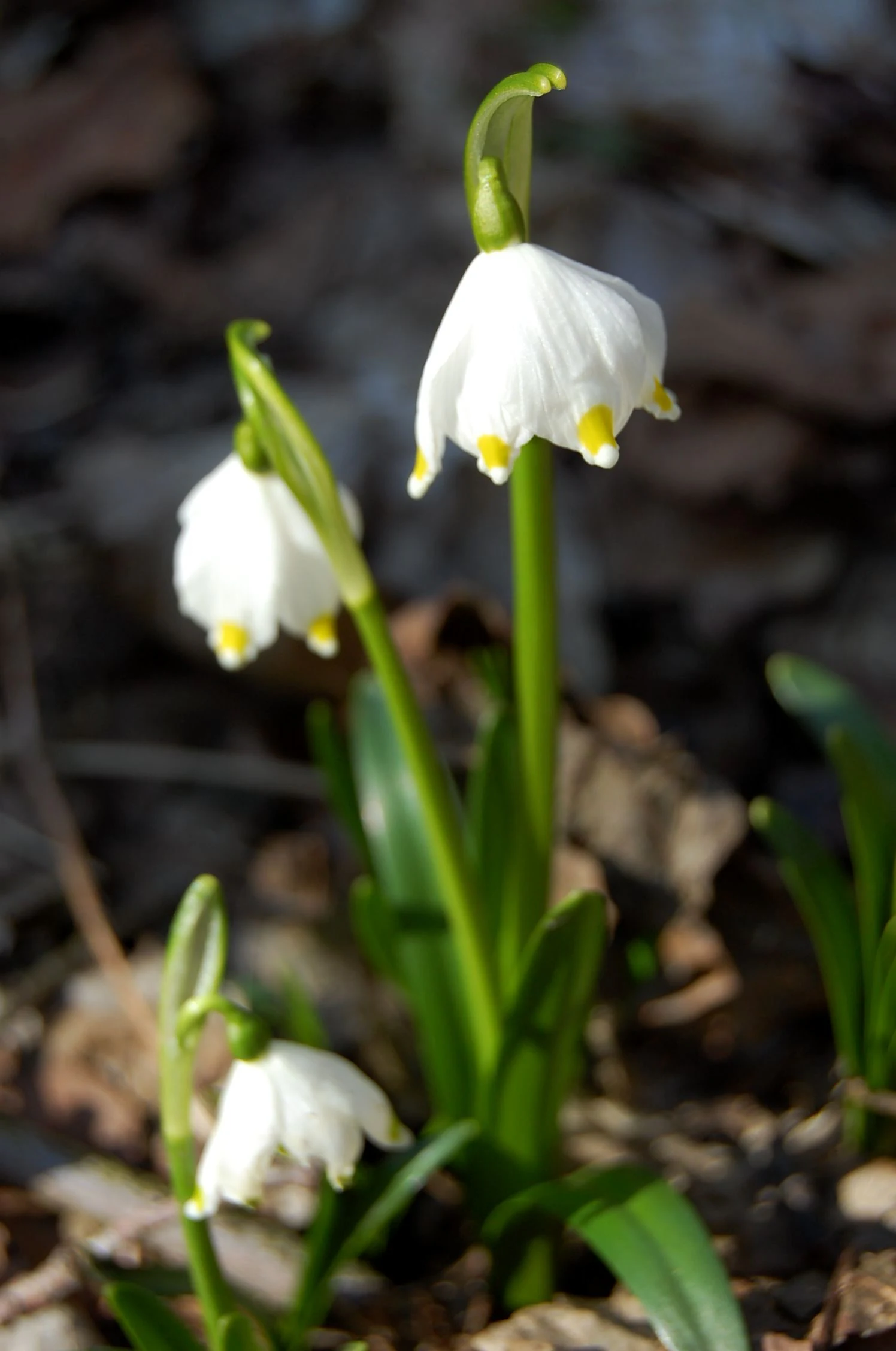
Mastnice is best known for protecting a small but ecologically valuable stretch of wet meadow in the Prachatice district of South Bohemia, centered on a strong population of spring snowflake (Leucojum vernum). The site also stands out as a compact example of a protected stream valley in the Czech system, where a tiny area combines damp meadows, shrub margins, and shaded woodland edges supporting both uncommon plants and valley-adapted butterflies. Its identity is rooted in this combination of small scale and rich habitat quality rather than in dramatic landscape or large wildlife populations.
Mastnice history and protected-area timeline
The site was formally protected on 4 March 1988 through a declaration by the Okresní národní výbor Prachatice, the local administrative authority of the period. This designation recognized the valley as a natural monument because of its surviving wet meadows and a strong population of spring snowflake. The site has since been catalogued within the broader inventory of protected areas in the Prachatice district and described in regional inventories of Czech protected territories.
Mastnice landscape and geographic character
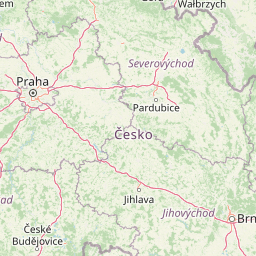
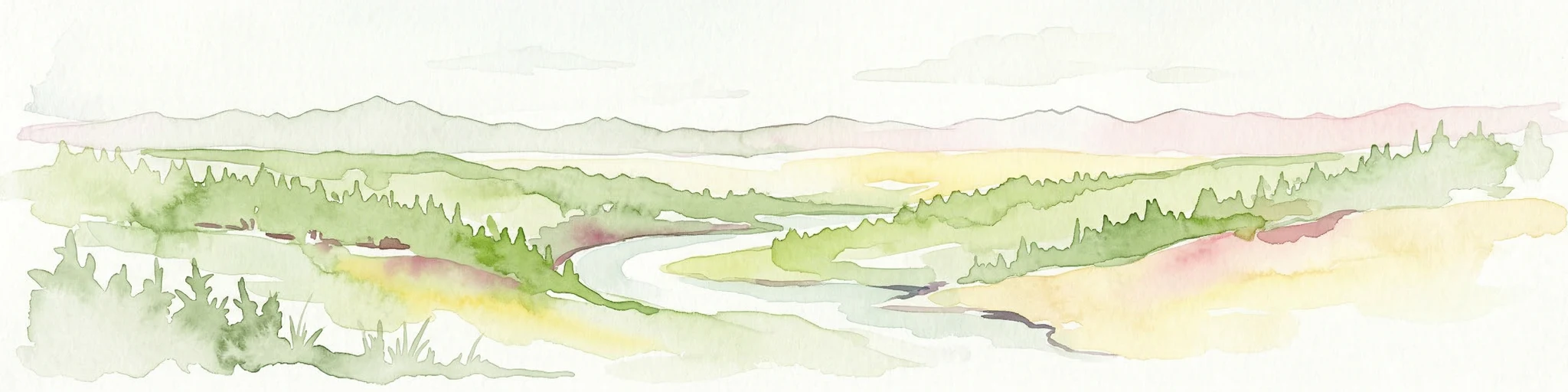
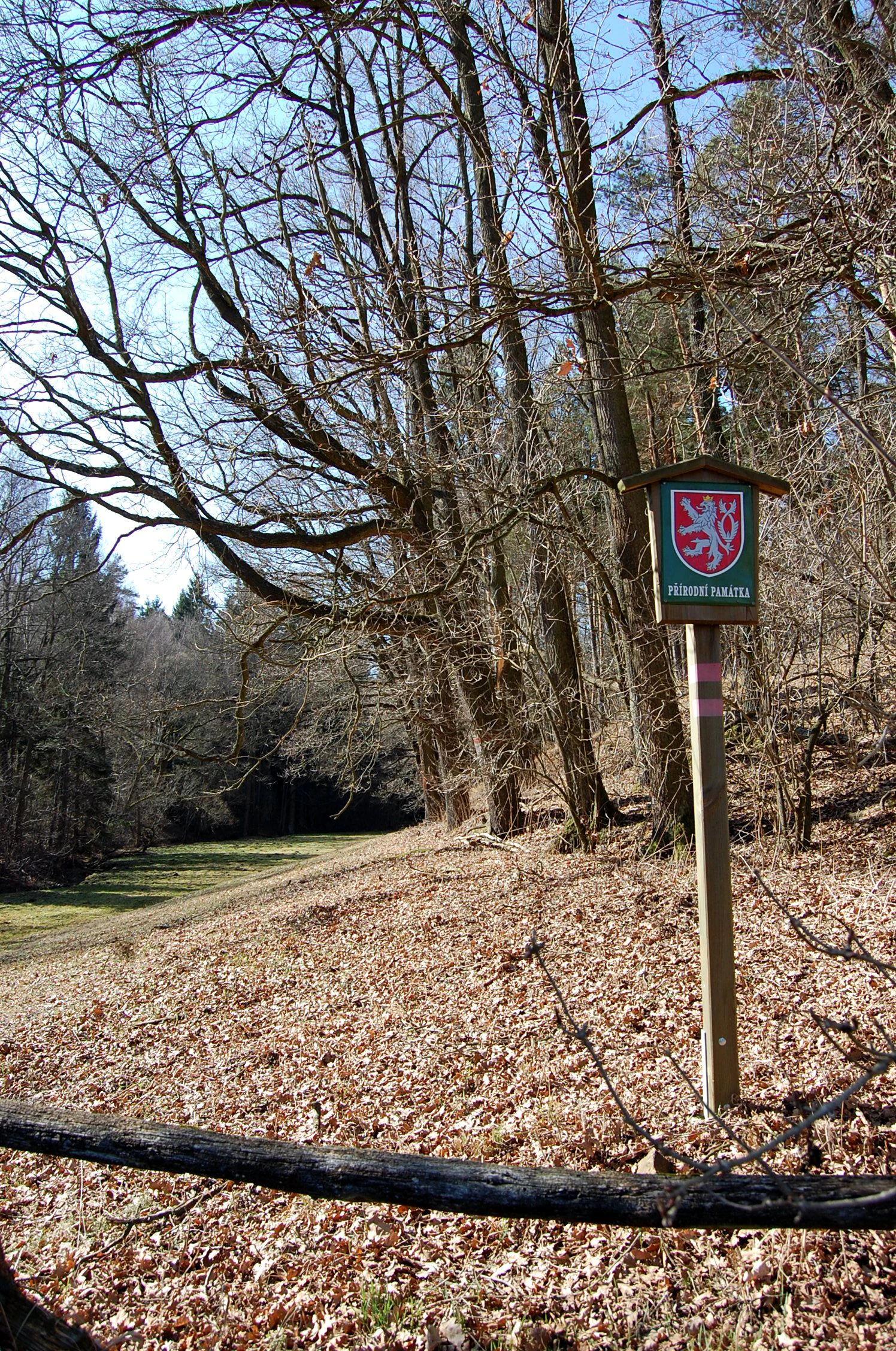
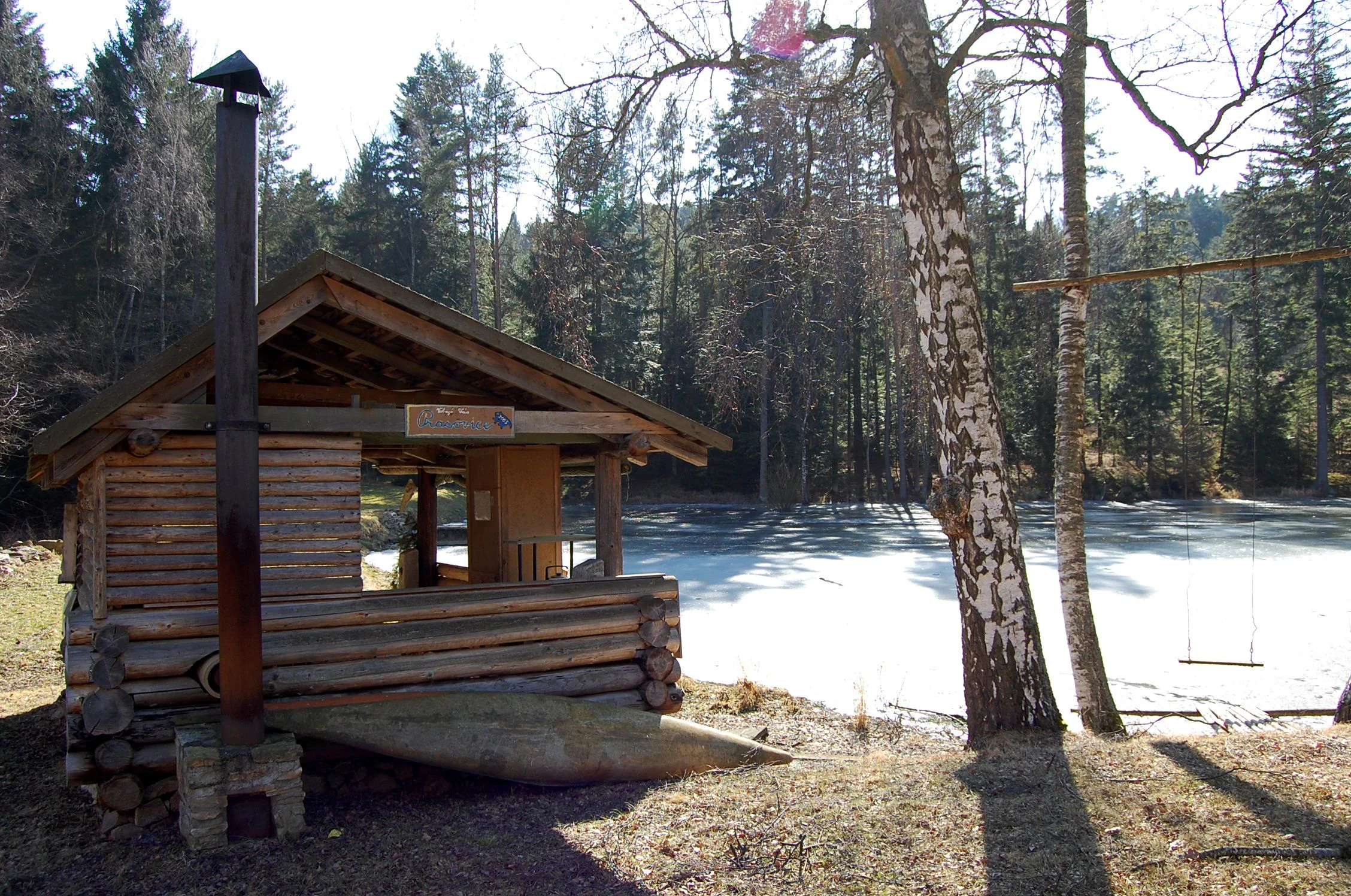
Mastnice occupies a narrow, gently sloping lowland valley floor at about 509 to 520 meters elevation, the kind of quiet, shallow basin that collects runoff and groundwater to maintain consistently damp soils. The site's most distinctive landscape element is its waterlogged meadow zone occupying the central part of the valley, where the small stream gives way to a soft mosaic of saturated grassland. Steep, shaded edges along the watercourse support ferns and shrubs, and the surrounding terrain blends into the rolling agricultural countryside typical of the Prachatice district. The stream channel itself is intermittent, with periods when the bed dries out and other times when meltwater and rainfall fill it again, shaping both the character of the valley and the habitat mosaic along it.
Mastnice ecosystems, habitats, and plant life
The defining ecological character of Mastnice is its valley-floor wetland community. Wet meadows dominate the central zone, where shallow, water-retaining soils support a distinctive flora built around the protected spring snowflake, which appears in large numbers in suitable years. Saturated ground near the stream allows moisture-loving herbaceous plants to thrive, and the transition between open meadow and damp woodland edge creates a layered habitat structure within an unusually compact area.
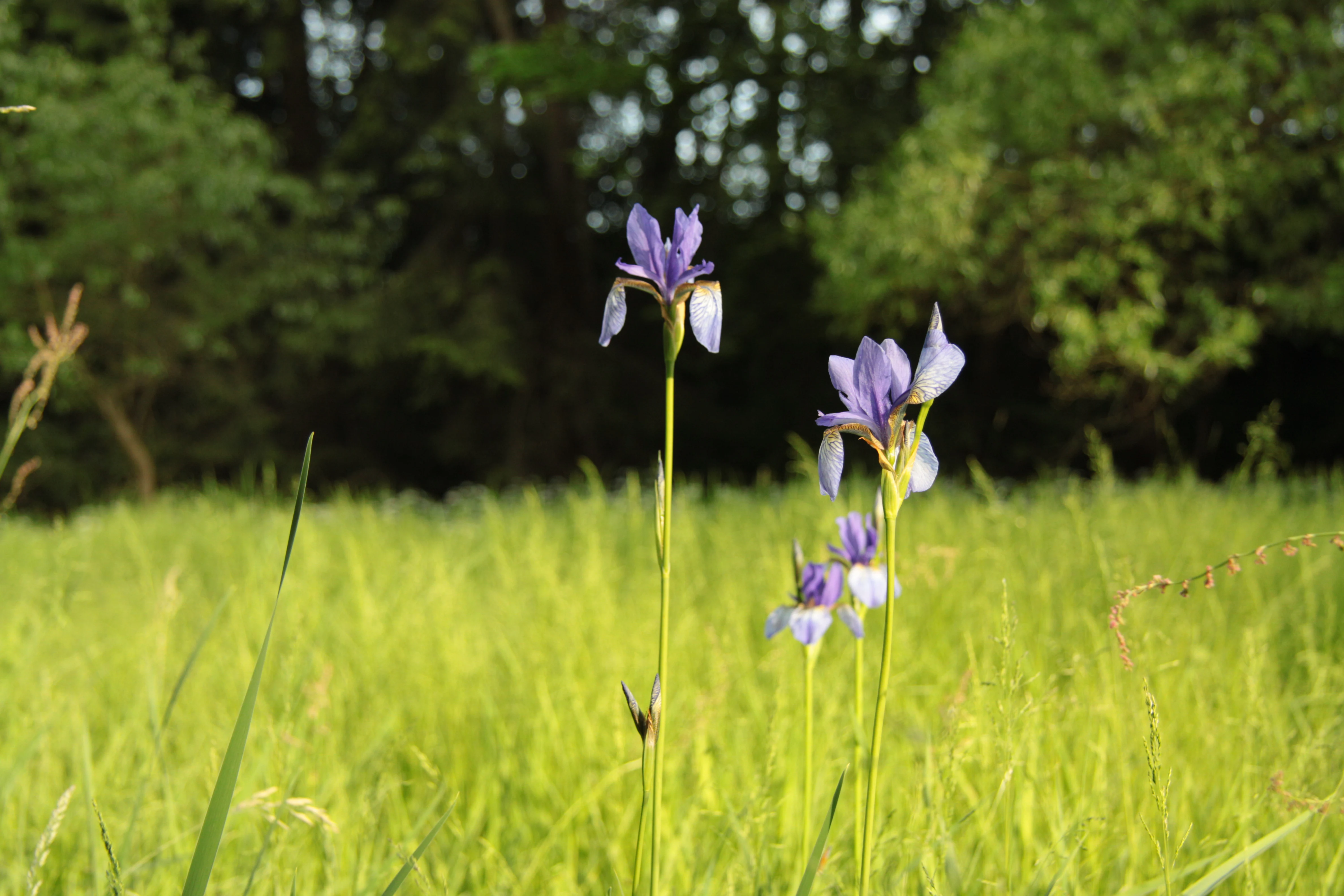
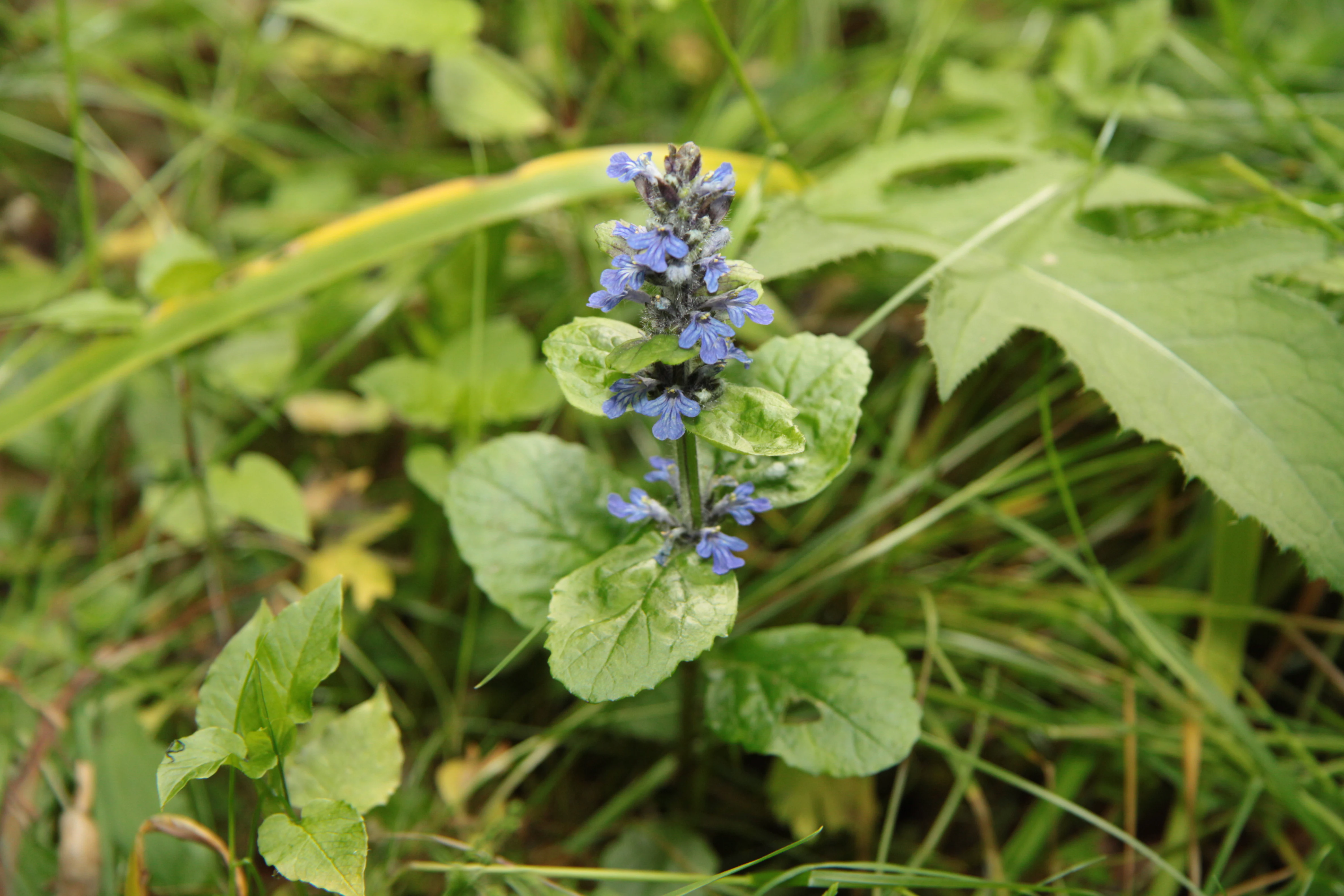
Beyond the core meadow zone, the vegetation includes native shrubs such as bird cherry and European spindle along the upper margins of the valley, and a group of woodland herbaceous species adapted to partial shade and damp soils, including yellow gagea, oxlip, martagon lily, white butterbur, and ostrich fern on the shaded slopes along the stream. Iris, bugle, and similar flowering plants contribute to the seasonal character of the meadows. This combination of wet meadow, shrub edge, and damp woodland gives Mastnice a richer botanical profile than its very small area alone might suggest.
Mastnice wildlife and species highlights
The wildlife profile of Mastnice is shaped by the sheltered, humid conditions of the valley meadows and adjacent woodland margins. The most distinctive butterfly recorded at the site is the purple emperor (Apatura iris), a species associated with mature deciduous woodland and damp valley landscapes, which benefits from the combination of shaded trees and nearby wet meadow openings. Another notable butterfly is the related red species often grouped within the same genus, recorded within the protected area.
Beyond butterflies, the site's small but varied habitat mosaic of wet meadow, shrub thickets, and damp forest edges supports a modest but ecologically meaningful range of insects and other invertebrates, particularly moisture-dependent groups adapted to surviving in periodically saturated ground, including various short-winged beetles and other wet-meadow specialists. While larger mammal fauna is not the central focus of the reserve, the valley's combination of water, shelter, and undisturbed vegetation creates conditions suitable for smaller woodland and meadow wildlife typical of similar Bohemian valleys.
Mastnice conservation status and protection priorities
Mastnice was declared a protected site in 1988 by the District National Committee of Prachatice, giving formal recognition to a narrow valley of wet meadows that had long existed in a relatively undisturbed rural landscape. Its conservation value lies in the persistence of waterlogged meadows in the central part of the stream valley, a habitat type strongly reduced across Central Europe by drainage and agricultural intensification. By focusing protection on a small area around a sensitive plant population and its associated wet meadow community, the designation helps secure an ecologically important complement to the broader mosaic of habitats found in the Prachatice region of South Bohemia.
Top sights and standout views in Mastnice
Mastnice stands out as one of the small but ecologically meaningful natural monuments in South Bohemia, with a protected footprint of approximately 1.14 hectares centered on the stream valley. Its key attraction is the flourishing population of spring snowflake in seasonally wet meadows, a species that has become a symbol of the site's conservation importance. Surrounding native woody plants, ferns, and wetland-edge flora give the valley a layered botanical character, while the presence of colorful butterflies, including the purple emperor, adds an additional seasonal interest for visitors who appreciate small-scale habitats.
Best time to visit Mastnice
The best window for experiencing Mastnice is spring, when the meadows come alive with the characteristic white flowers of the spring snowflake. This period offers the clearest window into the site's defining botanical feature. Late spring and early summer bring additional wildflower interest along the meadow margins and woodland edges, and warmer days in the same general season increase the chance of encountering valley butterflies. Outside of the flowering peak, the site's appeal lies more in its quiet stream-side atmosphere and woodland textures, conditions that can be appreciated across much of the milder seasons.