Why Mechowisko Kosobudki Nature Reserve stands out
Mechowisko Kosobudki is best known for being a small but ecologically rich peatland complex that concentrates four different peatland habitat types in one protected site. The reserve safeguards a system of low bogs along the Pliszka River, where fluviogenic, poligenic, spring-fed, and lakeland peat formations occur side by side. The reserve is also notable for its strong biodiversity signal relative to its size, hosting dozens of protected and endangered plant species alongside wetland-associated fish, amphibians, reptiles, and birds. Its creation through the direct involvement of the Polish naturalists' club Klub Przyrodników also makes it a recognized example of a privately initiated, peatland-focused conservation project in western Poland.
Mechowisko Kosobudki Nature Reserve history and protected-area timeline
The idea of protecting this peatland area dates back to 1998, when conservationists Wołejko and Stańko published plans for a future reserve here. Their original proposal envisioned a considerably larger area of roughly 27.41 hectares, and in some iterations up to about 71.56 hectares, encompassing not only the peatlands themselves but also spring ecosystems along the Pliszka River between Kosobudki and Kijewo.
For nearly two decades, the site remained within the category of proposed reserves rather than formally protected areas. During that time, the Polish naturalists' organization Klub Przyrodników took a leading role in advancing the project. The club purchased the key peatland parcels from private hands, developed the scientific and planning documentation required for legal protection, and submitted the formal request for designation to the Regional Director of Environmental Protection in Gorzów Wielkopolski.
As a result of this work, the reserve was officially established on 28 February 2017, on the basis of an order issued on 13 February 2017 recognizing the area as a nature reserve, published in the official journal of the Lubusz Voivodeship. Compared to the original 1998 vision, the final reserve is smaller and more tightly focused, but it preserves the core peatland ecosystem that motivated the long campaign for protection.
Mechowisko Kosobudki Nature Reserve landscape and geographic character
The landscape of Mechowisko Kosobudki is defined by flat, low-lying peatland terrain typical of the Równina Torzymska mesoregion in western Poland. Instead of dramatic scenery, the reserve offers a subtle, water-dominated geography of mires, peat-forming depressions, and wet meadows shaped by the slow movement of groundwater and the influence of the Pliszka River.
The reserve lies on the right bank of the Pliszka and is essentially arranged around the river corridor. This position is central to the landscape's character: the river feeds and drains a system of peatlands, creating the conditions for the four peatland types represented here. Near the river, fluviogenic peatlands form where flowing water has shaped peat accumulation; farther back, poligenic peatlands develop under more complex, mixed hydrological inputs; spring-fed peatlands emerge where groundwater reaches the surface; and lakeland peatlands reflect the influence of formerly glaciated depressions typical of the broader region.
The terrain is generally low and level, with the visually dominant features being expanses of wet, mossy ground, shallow pools, marshy vegetation, and the soft transitions between open water, sedge mats, and mire hummocks. Although not a scenic destination in the conventional sense, the landscape is a textbook example of a lowland peatland complex, with a structure shaped more by water and biology than by topography.
Mechowisko Kosobudki Nature Reserve ecosystems, habitats, and plant life
Ecologically, the reserve is fundamentally a peatland ecosystem, not a forest or mountain system. Its core is a complex of low bogs surrounded by a mosaic of related wetland habitats, with hydrology rather than elevation acting as the primary organizing force of the landscape.
Four ecological peatland types occur within the protected area and its immediate surroundings: fluviogenic peatlands along the Pliszka; poligenic peatlands formed under combined hydrological influences; spring-fed peatlands where groundwater emerges at the surface; and lakeland peatlands shaped by the glacial legacy of the broader Lubusz region. Together, these habitats create a connected, dynamic system in which moisture, peat accumulation, and plant communities interact closely.
The vegetation of the reserve reflects these conditions: open, non-forest plant communities dominate, including characteristic species of low bogs, mire edges, and wet transitional zones. According to the conservation documentation, the site supports more than twenty legally protected plant species and roughly a dozen additional species classified as endangered or threatened. This high concentration of rare and protected plants in such a small area is one of the reserve's defining ecological features.
The wet, open character of the reserve also makes it a functional habitat network rather than an isolated fragment. Because spring-fed, riverine, and lakeland peat processes all meet here, the site functions as a hydrological node within the local landscape, linking groundwater, surface water, and biological communities across a wider area than the reserve's boundaries.
Mechowisko Kosobudki Nature Reserve wildlife and species highlights
The reserve's wildlife signal is closely tied to its wetland character, with a community of fish, amphibians, reptiles, and birds shaped by water and mire habitats rather than by forest or open agricultural land.
According to the reserve's documentation, the protected area and its immediate surroundings support around thirteen species of fish, six species of amphibians, four species of reptiles, and at least fifteen species of birds. Many of these fauna groups are characteristic of lowland peatland and riparian environments, including species associated with slow-moving river channels, waterlogged meadows, shallow pools, and the transitional zones between open water and surrounding vegetation.
The birdlife is particularly relevant in shaping the reserve's ecological identity. Open wetland habitats typically found here, including marshy edges, sedge-dominated areas, and riverine stretches, provide nesting, feeding, and resting habitat for waterbirds and wetland-associated passerines. The combination of multiple peatland types also allows different species groups to occupy different microhabitats within a relatively small area.
While the reserve does not host large charismatic mammals typical of forested parks, its fauna is significant in conservation terms because many of the recorded fish, amphibian, and reptile species depend on the specific hydrological and habitat conditions that low peat bogs provide. Loss of peatland habitat elsewhere in the region makes sites like Mechowisko Kosobudki increasingly important refuges for this kind of specialized wetland fauna.
Mechowisko Kosobudki Nature Reserve conservation status and protection priorities
From a conservation perspective, Mechowisko Kosobudki represents a focused effort to protect a small but ecologically rich peatland complex in an agricultural region. Its designation as a peatland reserve reflects an explicit recognition that low bogs, despite their modest size and low visual prominence, hold disproportionate ecological value through their hydrological functions, carbon storage, and biodiversity.
A central conservation goal is the preservation of the entire complex of low peat bogs together with their associated ecosystems and biological communities. By protecting four different peatland types at one site, the reserve helps maintain habitat heterogeneity within a small area, which is important because many peatland species depend on specific transitions between peatland subtypes rather than on a single uniform habitat.
The reserve's legal and institutional context is also significant. It was established by the Regional Director of Environmental Protection in Gorzów Wielkopolski in 2017, based on a protection plan and supporting documentation. Critically, the project was advanced by the Polish naturalists' organization Klub Przyrodników, which purchased key peatland parcels from private owners before the reserve was formally designated. This blended model of private land acquisition and subsequent public legal protection is an important conservation approach in Poland, particularly for peatland and meadow habitats that are otherwise vulnerable to drainage, agricultural conversion, or forestry use.
The presence of more than twenty protected plant species and a comparable number of endangered or threatened species within and around the reserve confirms its high conservation value relative to its size. Even though the protected area is small, its combination of rare plants, specialized wetland fauna, and intact peat-forming hydrology gives it a meaningful role in regional biodiversity conservation and in the broader network of protected peatlands in Poland.
Mechowisko Kosobudki Nature Reserve cultural meaning and human context
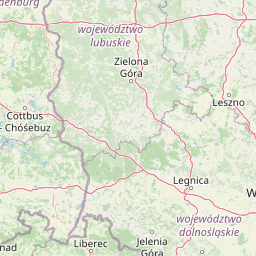
The cultural context of Mechowisko Kosobudki is closely tied to the small rural landscape of western Poland's Lubusz Voivodeship. The reserve lies between Kosobudki and Kijewo, both of which are hamlet-like parts of the larger village of Kosobudz, within Łagów commune. The surrounding area is characterized by traditional low-density rural settlement, small agricultural holdings, and forest-mire landscapes that have shaped local land use for generations.
Although the reserve's primary value is natural rather than cultural, the conservation story itself has a strong local dimension. The realization of the reserve was driven by a national-level grassroots organization, Klub Przyrodników, which deliberately engaged with private landowners in order to convert former private peatlands into a legally protected site. This process required sustained dialogue between conservationists and local communities, illustrating how small Polish peatland reserves often emerge from long, locally grounded cooperation rather than purely top-down designation.
The broader region also carries the historical imprint of former state agricultural and forestry use of peatland areas, including drainage and reclamation that affected many similar sites in the twentieth century. In this context, the reserve can be read as one small, deliberate reversal of that trend, preserving a peatland that remains connected to its natural hydrology and to the rural landscape in which it is embedded.
Top sights and standout views in Mechowisko Kosobudki Nature Reserve
Mechowisko Kosobudki stands out as a small but unusually diverse Polish peatland reserve, combining four ecological peatland types within a single protected site along the Pliszka River. Its status as a peatland reserve of non-forest plant communities anchors its identity in open, water-driven landscapes rather than forest scenery.
The reserve's other defining qualities include its high concentration of protected and endangered plant species, a richly documented wetland fauna spanning fish, amphibians, reptiles, and birds, and its origin as a grassroots conservation project led by Klub Przyrodników. Although the protected area is only about 12.47 hectares, the peatland mosaic it preserves gives it an ecological significance well beyond its size class.
Best time to visit Mechowisko Kosobudki Nature Reserve
Because Mechowisko Kosobudki is a lowland peatland reserve in a temperate part of western Poland, the character of a visit will vary with the seasons in ways typical of wetland landscapes. Late spring and early summer usually bring the most visible plant activity, with herbaceous communities and mire vegetation at their peak and the highest diversity of actively growing wetland plants. These seasons also tend to be the most rewarding for observing amphibians, reptiles, and many of the wetland-associated birds that use the open habitats and river corridor.
Autumn visits can offer calmer atmospheric conditions, softer light over the mires, and an increased likelihood of observing migratory bird activity, especially waterbirds using open water and wet edges. Winters in this part of Poland can be cold and the reserve may be partly inaccessible due to snow, frozen ground, or high water levels, so winter visits are generally less suitable for casual exploration.
Rather than being a destination with formal visitor infrastructure, the reserve functions primarily as a site of ecological observation, and visits are most rewarding for those prepared for wet, soft terrain and modest weather conditions. As with any small protected area, visitors should avoid disturbance to sensitive peatland vegetation and birdlife, particularly during breeding and high-water seasons.